Table of Contents >> Show >> Hide
- What Makes Portuguese Style So Special?
- From Lisbon Flats to Algarve Retreats: 13 Ways the Archives Capture Portuguese Style
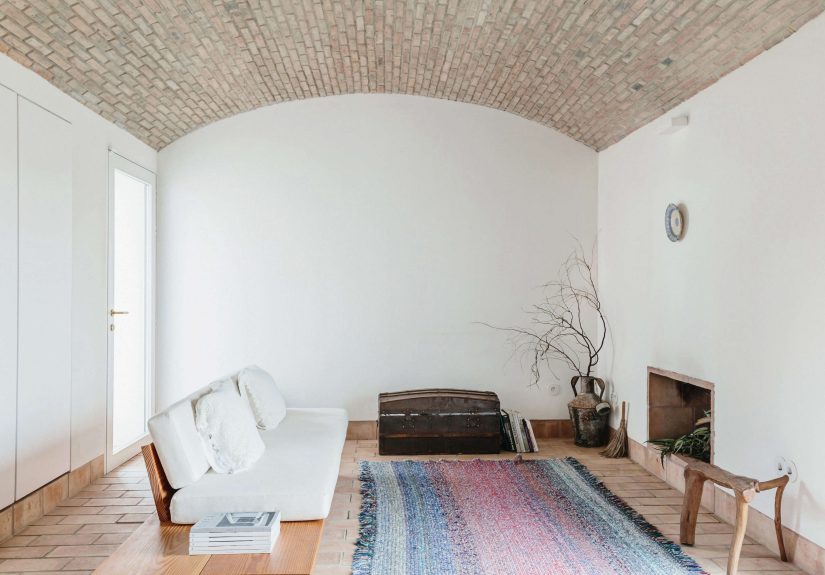
- 1. Start with a Clean, White Envelope
- 2. Celebrate Azulejos as Art, Not Just “Tile”
- 3. Mix Rustic Bones with Minimalist Furniture
- 4. Layer Natural Textures Generously
- 5. Embrace Color in Measured Doses
- 6. Honor Imperfection and Age
- 7. Design for Sunlight and Shadow
- 8. Blur the Line Between Indoors and Outdoors
- 9. Curate, Don’t Clutter
- 10. Make the Kitchen the Heart of the Home
- 11. Use Lighting as Architecture
- 12. Treat Tiles and Stone as Storytellers
- 13. Keep the Mood Warm, Welcoming, and Unpretentious
- How to Bring Portuguese Style Home: A Room-by-Room Guide
- Living with Portuguese Style: of Real-Life Experience
- Conclusion: Why Portuguese Style Is Trending Now (and Here to Stay)
Traditional tiles, quirky furniture, natural fibers, and splashes of unexpected color: if there were a design cocktail
called “Portugal,” that would be the ingredient list. Remodelista has spent years documenting Portuguese stylefrom
Lisbon apartments clad in azulejos to soulful rural retreats in the Algarveand the result is a treasure trove of ideas
for anyone who wants a home that feels relaxed, sun-washed, and quietly sophisticated.
In this deep dive, we’ll unpack the spirit of those 13 favorite examples of Portuguese style from the Remodelista
archives and translate them into practical ideas for your own space. Think of this as a guided tour through Portugal’s
design DNAwith plenty of real-life inspiration, plus tips you can steal whether you live in Lisbon, Los Angeles, or a
small town somewhere in between.
What Makes Portuguese Style So Special?
Portuguese style sits at a sweet spot between rustic and refined. It nods to centuries of historyMoorish influences,
maritime trade, colonial craftsmanshipwhile feeling surprisingly modern. In the Remodelista archives, you see this
most clearly in homes that combine:
- Whitewashed walls that bounce light around and create an airy, coastal feeling.
- Azulejos tiles, the iconic blue-and-white or multicolored ceramics that show up on facades, kitchen
backsplashes, stair risers, and courtyards. - Natural materials like terra-cotta floors, linen, rattan, wicker, and unfinished wood.
- Easy-going furniture that mixes old and newantiques rubbing shoulders with clean-lined modern
pieces. - Unexpected color momentsa mustard velvet chair, a cobalt door, a dusty-pink wallthat wake up
otherwise neutral rooms.
Portuguese interior design is never fussy, but it is thoughtful. Rooms are simple, yet rich in texture and detail. The
goal is comfort, hospitality, and a sense that the house has evolved over timenot been installed in a single afternoon
by a delivery truck.
From Lisbon Flats to Algarve Retreats: 13 Ways the Archives Capture Portuguese Style
Remodelista’s roundup of 13 favorite examples of Portuguese style highlights homes from Lisbon, Porto, coastal
Comporta, and rural Algarve. While each project is unique, they share recurring design moves that you can adapt to your
own home. Let’s walk through them as 13 “lessons” rather than 13 literal addresses.
1. Start with a Clean, White Envelope
Many of the featured homes start with whitewashed walls and pale ceilings. This simple backdrop lets the architecture
and furnishings shine, and it echoes the dazzling white exteriors you see all over Portugal’s sun-drenched coast.
White walls make small city flats feel larger and keep rustic rural houses from looking too dark or heavy.
If you want to channel this look at home, consider repainting in a warm white rather than stark, icy tones. Pair it
with wood floorsanything from honey-toned planks to painted boardsto keep the look soft instead of clinical.
2. Celebrate Azulejos as Art, Not Just “Tile”
Azulejos are the unofficial national wallpaper of Portugal. In the Remodelista archives, you’ll spot them wrapping
stairwells, lining hallways, framing doorways, or creating dramatic feature walls in kitchens and baths. Sometimes the
tiles are centuries old; sometimes they’re modern interpretations with simplified patterns or bolder colors.
You don’t have to retile your whole house to borrow the idea. A single tiled backsplash, a panel of reproduction
azulejos behind a stove, or even a removable tile-print wallpaper can give your home a distinctly Portuguese flavor.
3. Mix Rustic Bones with Minimalist Furniture
One signature Remodelista look is the combination of rustic Portuguese architectureexposed ceiling beams, rough stone
walls, terra-cotta floorswith stripped-down, minimalist furnishings. Picture a farmhouse dining room with a simple
plank table, a few midcentury-inspired chairs, and one sculptural pendant lamp overhead.
The contrast keeps the space from feeling like a museum. Old, irregular surfaces provide warmth and history; spare
furniture stops things from tipping into visual chaos. This “less furniture, more character” approach is core to
contemporary Portuguese interiors.
4. Layer Natural Textures Generously
Natural fibers are everywhere: woven rush seats, linen slipcovers, jute or sisal rugs, wicker loungers, and baskets in
every size. In coastal houses around Comporta and the Alentejo region, straw, cane, and raw wood help bridge the gap
between indoors and outdoors, echoing dune grass and sun-faded driftwood.
To bring this home, swap synthetic textiles for cotton and linen, choose a chunky woven rug, and add a few raffia or
rattan pieces. Even one wicker chair in a living room full of upholstered seats instantly makes the space feel more
relaxed and “holiday-ready.”
5. Embrace Color in Measured Doses
While many Portuguese homes keep walls pale, they rarely feel monochromatic. The color often comes from tiles, painted
shutters, textiles, ceramics, and artwork. A neutral sofa might sit in front of a deep-blue tiled wall; a muted bedroom
might have mustard yellow linen pillows and an emerald-green throw.
The trick is restraint. Choose two or three accent colors and repeat them in different rooms rather than introducing a
new hue every few feet. Blue and white are a classic pairing, but earthy tonesrust, terracotta, olive, sandalso fit
beautifully with Portuguese style.
6. Honor Imperfection and Age
In many of the Remodelista favorites, you’ll notice cracked plaster, worn floorboards, and slightly uneven ceiling
beams left deliberately visible. Instead of covering every flaw, these homes let their age show. The result is
atmospherea sense of life lived, not staged.
At home, this might mean keeping an original brick wall, refinishing old wood rather than replacing it, or choosing
handmade tiles with slight variation. Portuguese style is more “beautifully weathered” than “factory-perfect.”
7. Design for Sunlight and Shadow
Portugal’s quality of light is legendary, and the interiors reflect that. Large windows, shutters that filter the
sun, and generous doorways help keep rooms bright but not blinding. Sheer curtains soften harsh light, while interior
shutters or slatted screens create interesting, stripey shadows on floors and walls.
If your space lacks huge windows, focus on what you can control: keep window treatments light, avoid heavy dark
drapery during the day, and use mirrors or glossy tiles to bounce light deeper into the room.
8. Blur the Line Between Indoors and Outdoors
In Casa Modesta and other rural retreats, patios, rooftop terraces, and courtyards function as extensions of the
living room. Simple outdoor furniture, potted citrus trees, and tiled benches create a seamless flow between interior
and exterior. You move from kitchen to terrace to pool without ever feeling like you’ve “left” the house.
To channel this, treat your balcony or patio as a real room. Add a small rug, a bistro table, or a pair of lounge
chairs. A few potted olive trees or herbs in terra-cotta pots instantly add Mediterranean energyeven if your view is
more “parking lot” than “Atlantic Ocean.”
9. Curate, Don’t Clutter
Portuguese interiors can lean maximalist in color and pattern, but the Remodelista examples are carefully edited.
Open shelving might display a small collection of ceramics, not every plate you’ve ever owned. Sideboards hold stacks
of linen, woven trays, and a single sculptural vase.
The idea is to make every object earn its place. Display what feels meaningfulsouvenirs, handmade pieces, local
craftsand store the rest. You end up with rooms that feel soulful, not crowded.
10. Make the Kitchen the Heart of the Home
In many Portuguese houses, the kitchen is both highly functional and deeply decorative. You’ll see azulejos
backsplashes, open shelves stacked with clay pots and stoneware, copper pans hanging from hooks, and generous wooden
tables ready for big, leisurely meals.
Even a small kitchen can adopt this vibe. Think: one tiled wall, a collection of everyday ceramics in one color family,
a big wood cutting board that lives on the counter, and a few visible ingredients (olive oil, sea salt, lemons) that
look beautiful as well as useful.
11. Use Lighting as Architecture
Portuguese style loves the drama of a single statement light. In Lisbon apartments, you’ll often find oversized paper
lanterns or graceful metal pendants hanging low over tables. In rustic retreats, woven basket shades and wrought-iron
lanterns add texture and cast warm, dappled light.
Swap out builder-grade fixtures for something with presence: a large drum pendant, a woven shade, or a sculptural lamp
with a ceramic base. It’s one of the fastest ways to push a room toward “European boutique hotel” instead of “generic
rental.”
12. Treat Tiles and Stone as Storytellers
In Portugal, tiles and stone are more than background materials; they’re part of the storytelling. Exterior façades,
staircases, fountains, and courtyards use patterned stone and tile to mark important spaces and express local
identity. Inside the home, a band of patterned tile around a room, a tiled fireplace surround, or a stone sink anchors
the space visually.
At home, choose one architectural “moment” to highlightan entryway floor, a bathroom niche, or a fireplace walland
give it a special treatment. A patchwork of tiles, a slab of local stone, or even a mosaic of leftover pieces can
become your own mini design story.
13. Keep the Mood Warm, Welcoming, and Unpretentious
Above all, the Portuguese style celebrated in the Remodelista archives feels lived-in and inviting. Beds are made, but
not overly styled. Sofas have cushions that look actually comfortable, not like they’re auditioning for a catalog
cover. Dining rooms look ready for long, late meals with friends, complete with wine stains waiting to happen.
When you’re choosing colors, furnishings, and finishes, ask: “Will this make people want to stay a while?” If the
answer is yes, you’re already halfway to a Portuguese-inspired home.
How to Bring Portuguese Style Home: A Room-by-Room Guide
Living Room
- Paint walls in warm white; keep floors wood or tile.
- Add one strong focal pointtile, a large artwork, or a textured rug.
- Mix a clean-lined sofa with one or two vintage or rustic pieces.
- Layer textiles: linen throws, cotton pillows, woven poufs.
Kitchen
- Install (or fake) an azulejos backsplash or tile-print mural.
- Use open shelves with a curated mix of ceramics and glass.
- Choose simple, durable materials: wood, stone, enamelware.
- Keep lighting warm and lowpendants over the table, not stadium lights.
Bedroom
- Stick to a calm palette: whites, sand tones, soft blues or greens.
- Use linen bedding and a single patterned blanket or quilt.
- Add a woven rug, straw basket, or carved wood stool for texture.
- Consider a painted headboard wall in a sun-faded color inspired by Lisbon’s facades.
Outdoor Spaces
- Use simple, sturdy furniture in wood, metal, or rattan.
- Add terracotta pots with citrus, rosemary, or olive trees.
- Lay a striped or woven outdoor rug to define the seating area.
- Hang string lights or a lantern for impromptu late-night dinners.
Living with Portuguese Style: of Real-Life Experience
So what does it actually feel like to live with Portuguese style rather than just admire it on a screen? Imagine this:
it’s early evening, the kind of soft golden hour that photographers dream about. Your living room walls are a warm
white that glows instead of glares. The floorboards are a little uneven, but you’ve grown fond of the familiar creaks.
Along one wall, an azulejos-inspired mural reflects the fading light and throws pale blue shadows across the room.
You kick off your shoes onto a chunky jute rug and sink into a low, linen-covered sofa that has seen one too many
movie nights. There’s a woven tray on the coffee table, holding a few mismatched ceramic cups picked up on trips (or,
let’s be honest, discovered in an online shop at 2 a.m.). None of them match, yet together they look intentional,
almost curated. That’s the magic: Portuguese style gives you permission to embrace the mix.
In the kitchen, a strip of patterned tile behind the stove has become your unofficial mood booster. Even when
dinner is something deeply unimpressivelike toastthe backsplash makes it feel like you’re cooking in a small Lisbon
café. Friends comment on it constantly. “It looks like a postcard,” one says, balancing a glass of wine on the edge of
the counter. You secretly agree.
On weekends, the house really comes alive. Doors are propped open to let in fresh air. If you’re lucky enough to have
a balcony or patio, that becomes the overflow dining room: a mismatched table, a couple of folding chairs, maybe a
bench padded with outdoor cushions. Bowls of grilled vegetables, olives, and bread land on the table, and no one
worries too much about spills. Terra-cotta and wood age beautifullythey’re meant to be used, not protected behind
glass.
Over time, you notice that Portuguese-inspired design gently nudges your habits in a healthier direction. You open the
windows more often, because the room seems designed for cross-breezes. You eat at the table instead of on the couch,
because the dining space feels inviting. You keep fresh flowers or a potted herb on the counter, because it just looks
right next to the tile.
There’s also a psychological ease that comes from embracing imperfection. When a cup chips or a tile develops a hairline
crack, you don’t panic. You’ve seen enough Portuguese facades to know that age only adds character. The house feels
less like a showpiece and more like a living, evolving backdrop for your lifeone that welcomes guests, late-night
laughter, and the occasional chaotic dinner party.
Most importantly, living with Portuguese style is a daily reminder that design doesn’t have to shout to be memorable.
It can whisper: through the cool touch of tile under bare feet, the sound of a wooden chair scraping gently against the
floor, the way morning light pools in a whitewashed corner. Whether you borrow one ideaa tiled backsplash, a woven
pendant, a small balcony makeoveror go all in with a full Remodelista-inspired transformation, Portuguese style proves
that the most inviting homes are often the simplest ones, built slowly, layer by layer, with heart.
Conclusion: Why Portuguese Style Is Trending Now (and Here to Stay)
The popularity of those 13 favorite examples of Portuguese style in the Remodelista archives isn’t just about pretty
tiles or photogenic courtyards. It’s about a way of living: relaxed, warm, and deeply connected to history and place.
Portuguese interiors offer an antidote to disposable trendsthey’re grounded in craftsmanship, local materials, and
timeless proportions.
Whether you’re renovating a whole house or just refreshing a rental, you can bring this spirit home with a few smart
moves: a calmer color palette, more natural textures, a thoughtful use of tiles, and a focus on comfort over
perfection. In the end, the best Portuguese-style homes feel like a long afternoon in the sun with friendsunhurried,
generous, and quietly unforgettable.