Table of Contents >> Show >> Hide
- MAOIs + Tyramine: Why This Diet Exists
- Quick Safety Check: When to Get Emergency Help
- Do All MAOIs Require the Same Diet?
- The Truth About “Tyramine-Free” Foods
- High-Tyramine Foods to Avoid on a Classic MAOI
- Foods That Are Usually Low-Tyramine (Your “Yes” List)
- Freshness Is the Secret Ingredient
- Eating Out Without Becoming “That Person” (Too Much)
- Sample Low-Tyramine Day (Tastes Like Food, Not Punishment)
- FAQ: The Questions People Actually Ask
- How to Make This Diet Sustainable (Without Living on Plain Chicken)
- Experience Section: What Living Low-Tyramine Often Feels Like (Real-World Moments)
- 1) The “Wait… what’s in this sauce?” phase
- 2) The grocery store becomes oddly empowering
- 3) Leftovers turn into a scheduling hobby
- 4) Eating out becomes “strategy,” not “spontaneity”
- 5) Social situations get easier with one prepared sentence
- 6) The unexpected win: “fresh food” can improve overall eating habits
- 7) Confidence grows with a personalized “green list”
- Conclusion
If you’ve been prescribed an MAOI, congratulations: you’re now taking a medication class that’s
old-school effective and new-school misunderstood. Also, you’ve just been drafted into the
world’s most awkward food relationship status: “It’s complicated… with aged cheese.”
This guide explains why tyramine matters, what “tyramine-free” really means in real life, and how to
build a low-tyramine way of eating without turning every meal into a stressful scavenger hunt. We’ll
keep it evidence-based, practical, and (as much as possible) funbecause if your diet is going to have
rules, it should at least come with a few jokes.
MAOIs + Tyramine: Why This Diet Exists
Tyramine is a naturally occurring compound made when the amino acid tyrosine breaks down. In many
foods, tyramine levels stay low. But in certain situationsespecially when foods are aged,
fermented, cured, overripe, or improperly storedtyramine can climb.
Under normal circumstances, your body breaks tyramine down using monoamine oxidase (MAO), an enzyme
found in the gut and liver. Classic MAOI medications inhibit MAO, which is the whole point: they
help increase levels of certain neurotransmitters. The trade-off is that tyramine doesn’t get cleared
as efficiently. If a lot of tyramine gets into your bloodstream at once, it can trigger a sudden and
potentially dangerous spike in blood pressureoften nicknamed the “cheese reaction” for obvious
historical reasons.
What can happen if tyramine spikes?
A large tyramine load while on certain MAOIs can cause a hypertensive crisisan urgent, sometimes
life-threatening blood pressure elevation. This is rare when people follow dietary guidance, but the
consequences can be serious enough that clinicians still take the diet seriously.
Quick Safety Check: When to Get Emergency Help
If you’re taking an MAOI and develop symptoms suggestive of a hypertensive crisis, treat it like an
emergencybecause it is. Common warning signs include:
- Sudden, severe headache (often described as “the worst headache of my life”)
- Chest pain, shortness of breath, or a pounding/rapid heartbeat
- Severe anxiety, sweating, nausea/vomiting
- Neck stiffness, vision changes, confusion, weakness, or trouble speaking
Call emergency services right away (in the U.S., that’s 911) or go to the nearest emergency
department. Do not try to “sleep it off” or “drink some water and vibe.”
Do All MAOIs Require the Same Diet?
Not always. “MAOI” gets used as one big label, but diet restrictions can differ depending on the
specific medication, dose, and formulation.
Typically strict: classic antidepressant MAOIs
Traditional, nonselective, irreversible MAOIs used for depression (for example, phenelzine,
tranylcypromine, and isocarboxazid) are the ones most commonly associated with tyramine-restricted
diets. Many prescribers advise a low-tyramine diet while taking these medications and for a period
after stopping them, because the enzyme inhibition can persist.
Sometimes nuanced: transdermal selegiline and MAO-B–selective drugs
Some MAOI-related medications have more specific dietary instructions. For instance, the selegiline
transdermal patch has dose-dependent dietary guidance in its labeling, and certain MAO-B–selective
medications used for Parkinson’s disease may emphasize avoiding foods “very high” in tyramine rather
than broad restriction.
Translation: don’t assume your friend’s MAOI rules are your rules. Your best move is to follow your
prescriber/pharmacist’s instructions for your exact medication and dose.
The Truth About “Tyramine-Free” Foods
“Tyramine-free” is a helpful phrase for meal planning, but it’s not a lab-certified lifestyle.
Tyramine exists on a spectrum. The real goal is to:
- Avoid high-tyramine foods (the usual troublemakers)
- Prioritize fresh, properly stored foods (freshness matters a lot)
- Be cautious with aged/fermented/cured items (where tyramine can rise quickly)
Think of it like sun exposure: you’re not trying to eliminate sunlight from your life. You’re trying
to avoid the midday, no-hat, no-sunscreen beach marathon that turns into regret.
High-Tyramine Foods to Avoid on a Classic MAOI
The consistent theme across reputable clinical guidance is that tyramine tends to be higher in foods
that are aged, fermented, cured, smoked, pickled, overripe, or spoiled. Below are
common examples often listed as higher risk.
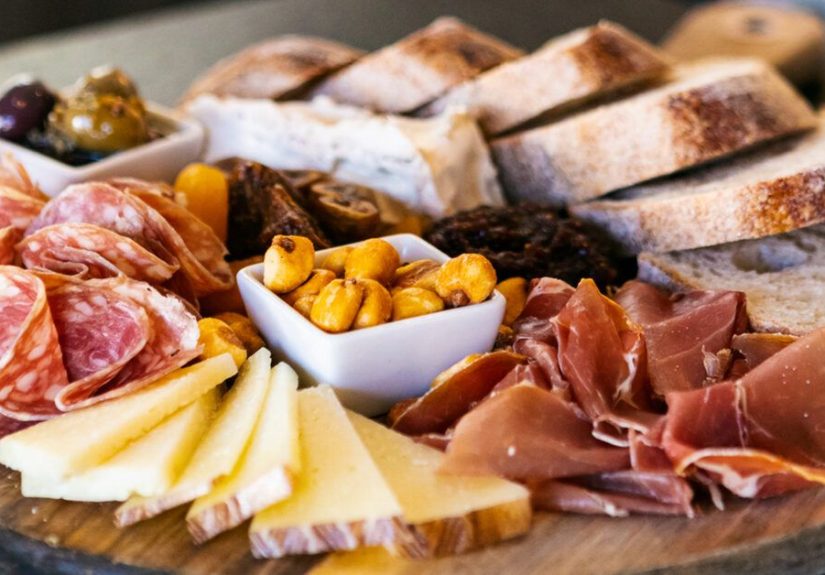
1) Aged cheeses (the legendary offenders)
- Aged cheddar, blue cheese, Stilton, Parmesan, Swiss, Gouda (aged), Brie/Camembert (often aged)
- Cheese boards that look like a museum exhibit of dairy history
Note: Many guides distinguish between aged cheeses and fresher options. Storage and time matter; even
“safe-ish” cheeses can become riskier if improperly stored.
2) Cured/fermented meats and fish
- Salami, pepperoni, summer sausage, fermented sausages
- Dry-aged meats, jerky (depending on processing), some deli meats
- Pickled/fermented fish (for example, pickled herring)
- Liver products that spoil quickly if not handled properly
3) Fermented soy products and concentrated seasonings
- Soy sauce, miso, tempeh
- Some fermented bean pastes and aged soy-based condiments
Practical tip: If you love Asian-inspired flavors, you’re not doomed. You’ll just lean on safer swaps
(see the “Flavor without fermentation” section below).
4) Fermented vegetables and pickled items
- Sauerkraut, kimchi
- Some heavily fermented or long-stored pickled foods
5) Certain alcoholic beverages
- Tap/draft beer (often called out in MAOI food lists)
- Some home-brewed or fermented beers
- Some wines (especially if aged or certain varieties)
Alcohol also has its own interactions with mood, sleep, and medicationsso your clinician may advise
limiting or avoiding it for multiple reasons, not just tyramine.
6) Overripe fruit and specific plant items
- Overripe bananas, avocados, and certain dried/overripe fruits (lists vary)
- Fava/broad beans are commonly flagged
7) Yeast extracts and “mystery savory” concentrates
- Yeast extracts (for example, some concentrated spreads)
- Some bouillon cubes, powdered soups/gravy mixes that contain yeast extracts (check labels)
Foods That Are Usually Low-Tyramine (Your “Yes” List)
Good news: the low-tyramine pattern looks a lot like a generally healthy eating planfresh proteins,
produce, grains, and dairy that isn’t aged into folklore.
Fresh proteins
- Fresh chicken, turkey, beef, pork, fish, shellfish (cook promptly, store properly)
- Eggs
- Plant proteins that are not fermented/aged (for example, many beans and lentilsunless your clinician says otherwise)
Dairy (generally fresher options)
- Milk, yogurt (check guidancesome fermented dairy is usually considered lower risk than aged cheese, but follow your clinician’s plan)
- Cottage cheese, ricotta, cream cheese, mozzarella (often listed as lower tyramine than aged cheeses)
Fruits and vegetables
- Most fresh or frozen fruits and vegetables
- Choose fruits that are fresh rather than overripe; when in doubt, “less brown spots” is a reasonable strategy
Grains and starches
- Rice, oats, quinoa, pasta, potatoes
- Most breads and cereals (watch for specialty aged/fermented products if your guidance is strict)
Flavor without fermentation
- Herbs, spices, garlic, ginger, citrus
- Vinegar-based dressings (verify if any products are aged/fermented in a way your clinician flags)
- Simple sauces you make at home: olive oil + lemon + herbs, or a quick pan sauce with broth and spices
Freshness Is the Secret Ingredient
If you take only one practical lesson from this article, make it this: tyramine risk is heavily
influenced by time + storage + processing.
Smart handling rules that make life easier
- Buy small amounts more often so you’re eating foods while they’re fresh.
- Refrigerate promptly and keep your fridge at a safe temperature.
- Be cautious with leftoversmany patient handouts advise limiting how long cooked foods sit in the fridge before eating.
- Avoid buffet-style foods that have been sitting out for unknown periods.
- When in doubt, throw it out. This is not the time for culinary bravery.
Yes, it’s annoying. But it’s also one of the most empowering parts of the diet: you can’t control
every restaurant recipe, but you can control how long your chicken has been haunting the
back of your fridge.
Eating Out Without Becoming “That Person” (Too Much)
You don’t need to announce your medication history to the entire dining room. A few calm, practical
moves usually work:
- Pick simpler dishes: grilled protein + vegetables + rice/potato is your best friend.
- Avoid “aged/fermented/cured” keywords: charcuterie, aged cheeses, kimchi, miso, soy sauce–heavy marinades, sauerkraut.
- Ask one targeted question: “Does this have aged cheese, cured meats, or soy sauce?”
- Choose fresh condiments: olive oil, lemon, herbs, salsa (non-fermented), basic vinaigrettes.
If you’re at a place where the menu reads like a fermentation hobbyist’s diary, save it for another
time and pick a more MAOI-friendly spot. Your blood pressure will thank you.
Sample Low-Tyramine Day (Tastes Like Food, Not Punishment)
Breakfast
- Oatmeal topped with fresh berries
- Greek yogurt or a glass of milk (if permitted in your plan)
- Coffee/tea as tolerated (follow your clinician’s advice)
Lunch
- Turkey or chicken lettuce wrap with cucumber, tomato, and a homemade lemon-olive oil dressing
- Side of fruit (fresh, not overripe)
Dinner
- Salmon (or tofu if permitted and non-fermented) with roasted vegetables
- Rice or potatoes
- Simple herb sauce (parsley + garlic + olive oil + lemon)
Snacks
- Apple slices with peanut butter
- Carrots and hummus (if permitted; check your specific plan)
- Popcorn, nuts, or a simple granola bar (watch for specialty aged/fermented ingredients)
FAQ: The Questions People Actually Ask
“Do I have to avoid tyramine forever?”
No. Dietary restriction is typically tied to the period you’re taking the MAOI (and often a short
window after stopping, depending on the medication). The exact timeline should come from your
prescriber because it can vary by drug and dose.
“Can I just ‘cook out’ the tyramine?”
Unfortunately, heat doesn’t reliably solve the problem. Tyramine is not a germ you can simply roast
into submission. The bigger issue is how the food was processed, aged, fermented, and stored.
“What about soy… like, at all?”
Many lists specifically flag fermented soy products like soy sauce, miso, and tempeh. Non-fermented
soy foods may be treated differently depending on the guide and your clinician’s approach. If soy is
a staple in your diet, ask your pharmacist or prescriber for a “yes/no” list you can actually live with.
“Is this diet just about food?”
Food is the headline, but medications and supplements matter too. Many MAOI warnings emphasize
potentially dangerous interactions with certain over-the-counter cold medicines, stimulants, and
other prescription drugs. Always check with your pharmacist before adding OTC products or supplements.
How to Make This Diet Sustainable (Without Living on Plain Chicken)
A low-tyramine diet can feel restrictive at first, mostly because it removes “shortcut flavor” foods:
aged cheese, cured meats, fermented sauces, and certain alcohols. The trick is to replace those with
fresh flavor.
Build flavor with:
- Acid: lemon, lime, fresh tomato, cranberry, pineapple
- Aromatics: onion, garlic, scallions, ginger
- Herbs: cilantro, basil, dill, parsley
- Spices: smoked paprika (not smoked meat!), cumin, chili flakes, black pepper
- Texture: toasted nuts, crunchy veggies, roasted potatoes
You’re not giving up taste. You’re just switching from “aged and fermented flavor bombs” to “fresh and
bright flavor fireworks.” Different vibe. Still delicious.
Experience Section: What Living Low-Tyramine Often Feels Like (Real-World Moments)
The science is important, but so is the day-to-day reality. Below are common experiences people
often report when starting a tyramine-restricted (or “tyramine-aware”) diet for MAOIs. This isn’t
medical advicejust the human side of the plan that rarely shows up on a prescription label.
1) The “Wait… what’s in this sauce?” phase
Early on, many people realize just how many foods rely on aged or fermented ingredients for instant
flavor: soy sauce in marinades, miso in soups, cured meat on sandwiches, aged cheese sprinkled on
everything like edible confetti. The first week can feel like you’re reading ingredient lists the way
detectives read ransom notescarefully, suspiciously, and with a growing sense that nothing is truly safe.
2) The grocery store becomes oddly empowering
After the initial shock, a lot of people find that grocery shopping gets easier (and even reassuring)
because it’s controllable. Fresh meat, fresh produce, and simple pantry items become the foundation.
Some people start buying smaller amounts more frequently so foods stay fresh. Others embrace frozen
options because “frozen” quietly solves the “how long has this been sitting around?” problem.
3) Leftovers turn into a scheduling hobby
Many low-tyramine handouts emphasize food freshness and safe storage, which can change how people
think about leftovers. Instead of cooking a giant pot of something and living on it all week, people
may shift to cooking smaller batches or freezing portions right away. It’s not glamorous, but it can
reduce anxiety: you know what you ate, when you cooked it, and how it was stored.
4) Eating out becomes “strategy,” not “spontaneity”
A common experience is a temporary dip in spontaneity. People often learn a “safe order” at familiar
placessomething like grilled chicken or fish, vegetables, rice/potatoes, and a simple dressing.
Over time, this can feel less like restriction and more like a reliable routine. Many people also
report that the anxiety fades once they’ve successfully navigated a few meals out without issues.
5) Social situations get easier with one prepared sentence
People often find it helpful to have a short line ready that doesn’t invite a debate:
“I’m on a medication with a food interaction, so I’m skipping aged/fermented stuff for now.”
That’s usually enough. You don’t owe anyone a TED Talk on tyramine.
6) The unexpected win: “fresh food” can improve overall eating habits
Because the diet pushes you toward fresh foods and away from heavily processed, aged, or cured items,
some people notice side benefits: more home cooking, more produce, less alcohol, and fewer
ultra-processed snacks. Not everyone experiences thisand it’s not the point of the MAOI dietbut it’s
a common silver lining.
7) Confidence grows with a personalized “green list”
Many people report that the biggest breakthrough is building a personal list of “safe favorites.”
Once you have 10 breakfasts, 10 lunches, and 10 dinners that feel enjoyable and easy, the diet stops
being a daily puzzle. The goal isn’t perfection; it’s consistency and safety. And yes, you can still
eat joyfullyjust not everything on the artisanal charcuterie board.
Conclusion
A tyramine-conscious diet for MAOIs is less about fear and more about smart guardrails. The big ideas
are simple: avoid high-tyramine foods (often aged, fermented, cured, overripe, or spoiled), keep foods
fresh, store them safely, and get clear guidance for your exact medication and dose. If symptoms of a
hypertensive crisis appear, treat it as an emergency.
The good news? With a little planning and a lot of fresh flavor, this can be a “normal life” dietnot
a “plain lettuce forever” sentence. And if you miss aged cheese, just remember: you’re not breaking up
with it. You’re simply taking a medically necessary timeout. (It’s them, not you.)