Table of Contents >> Show >> Hide
- What allegedly happened in the video (and why it went viral)
- Why service dogs become a rideshare flashpoint
- The law in plain English: what the ADA actually expects
- What Uber’s policies say about service animals
- So why would a passenger account get suspended after reporting a safety incident?
- How this fits into a bigger national pattern
- Practical guidance: what drivers can do (without turning it into a courtroom drama)
- Practical guidance: what riders with service dogs can do to reduce friction
- What platforms should learn from this: safety + accessibility + trust
- Conclusion
- Experiences Related to “Uber Driver Brutally Knocks Out CEO With Service Dog…”
A viral rideshare video can feel like a lightning strike: one moment it’s a routine pickup, the next it’s a headline, a lawsuit, and a lot of people asking, “Wait… how did this escalate so fast?” In this case, the story centers on an Uber trip in Charleston, South Carolina, an alleged dispute involving a service dog, and a passenger who says his Uber account was suspended after reporting what happened.
This article unpacks what’s been reported, why service-animal rules are so strict in the U.S., what Uber’s own policies say, and what riders and drivers can do to prevent the next “shocking video” from ever happening. (Spoiler: it involves clearer expectations, better training, and fewer “the app will sort it out” moments.)
What allegedly happened in the video (and why it went viral)
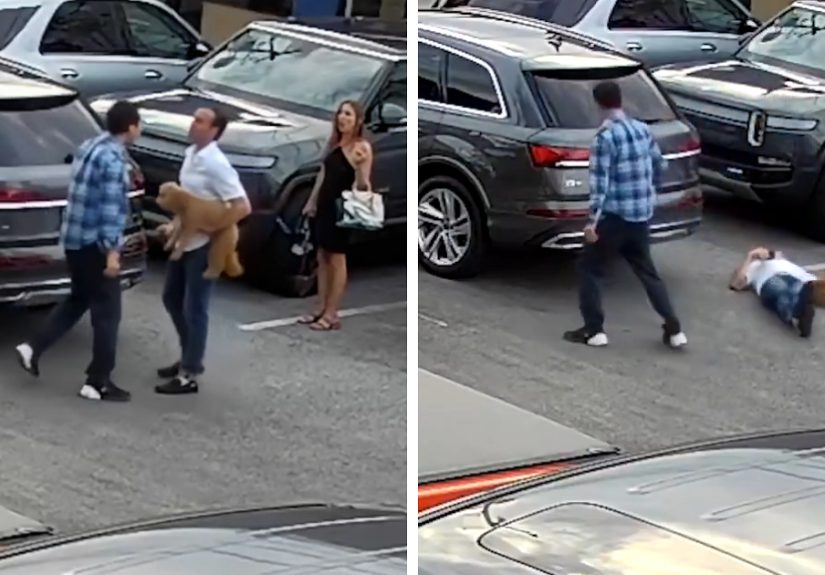
Multiple news outlets reported that a CEOidentified in coverage as Bryan Kobel of TC BioPharmwas involved in an alleged physical altercation with an Uber driver after a disagreement about riding with a service dog. The incident was reported to have occurred in April 2025 in downtown Charleston, and surveillance footage later circulated widely online.
According to the passenger’s account in media reports and a civil lawsuit, the conflict started when the driver did not want the service dog in the vehiclereportedly citing allergiesfollowed by an argument that escalated outside the car. Reports state the passenger required medical attention and later filed suit. The driver has also been reported as facing criminal charges related to the incident.
The detail that fueled extra outrage: the passenger said that after he reported what happened and shared documentation, his Uber account was suspended and then deactivated within a short window. That claimtrue or not in every technical detailhits a nerve because it suggests a scenario where the victim feels “punished” by the platform’s safety process.
Key takeaway
- This story isn’t only about one disputeit’s about how a platform handles accessibility rules, safety incidents, and account actions when emotions (and algorithms) collide.
Why service dogs become a rideshare flashpoint
Most rideshare trips are boringin the best way. But service animals introduce an area where people have strong feelings, uneven knowledge, and sometimes a very wrong assumption that “my car, my rules” beats federal disability law. In the U.S., it doesn’t.
Service dogs aren’t “pets with a vest.” They’re working animals trained to perform tasks for a person with a disabilityguiding someone who is blind, alerting to medical issues, interrupting psychiatric episodes, and more. Because the stakes are high for handlers (missed rides can mean missed flights, missed appointments, or being stranded), the rules are designed to protect access.
Meanwhile, drivers are independent contractors operating their own vehicles, and many worry about allergies, cleanliness, or fear of animals. Those concerns are humanbut legally, they generally don’t create an exception when it comes to service animals on rideshare platforms.
The law in plain English: what the ADA actually expects
Under the Americans with Disabilities Act (ADA), businesses that serve the public generally must allow service animals in public accommodations. Federal guidance emphasizes that service animals are typically dogs trained to do work or perform tasks for a person with a disability.
The “two questions” rule (and what you can’t demand)
In many situations, if it’s not obvious an animal is a service animal, staff may ask only two questions:
- Is the dog a service animal required because of a disability?
- What work or task has the dog been trained to perform?
You generally can’t demand paperwork, require the dog to wear a vest, or insist on a “registration” card. (The internet sells “registrations” the way it sells miracle detox tea: aggressively and with questionable value.)
Allergies and fear aren’t a free pass
Federal guidance and major platform policies consistently note that allergies or a general fear of dogs are not valid reasons to refuse a service animal. The typical expectation is to accommodate the rider and the service dog, not to debate whether the rider “really needs” the animal.
Service dog vs. emotional support animal vs. pet
This is where confusion often starts. A service dog is trained to perform tasks. Emotional support animals (ESAs) may provide comfort but aren’t necessarily trained for specific tasks in the same way and are treated differently across laws and settings. A pet is a pet. Drivers may have more discretion with non-service animals depending on the ride type (like pet-friendly options), but service animals are in a protected category.
What Uber’s policies say about service animals
Uber’s published U.S. service animal policy states that drivers using the Uber Driver app may not deny a ride because of a rider’s service animaland it explicitly notes there are no exceptions based on allergies, religious objections, or fear of animals. Uber also publishes guidance for drivers on handling allergies and emphasizes that drivers have a legal obligation to provide service to riders with service animals.
Uber’s accessibility materials also warn that discriminatory conduct related to service animals can lead to loss of access to the platform. In other words: if a driver refuses service because of a service animal, it can be a deactivation-level event.
Why the policy is written so strictly
From a platform perspective, the rules are strict because the law is strictand because inconsistent enforcement leads to repeat discrimination. A “sometimes allowed” approach quickly becomes “often denied,” especially when riders can’t (and shouldn’t have to) argue their medical needs curbside.
So why would a passenger account get suspended after reporting a safety incident?
Here’s the uncomfortable truth: large platforms often rely on a mix of automated systems and human review. When a trip is flagged as involving violence, threats, or unsafe behavior, it can trigger temporary restrictions while the company investigates. The intent may be to protect users during review, but the experience can feel like being treated as the problemespecially if you’re the one who reported being harmed.
In the reported Charleston case, the passenger claimed his account was suspended and later deactivated after he submitted documentation. Without access to Uber’s internal case file, outside observers can’t verify exactly which triggers were activated or what evidence was weighed when. But the broader issue is clear: if safety systems aren’t transparent, they feel unfaireven when they’re trying to be protective.
What “fair process” should look like (in an ideal world)
- Clear status updates: “Your account is temporarily restricted during a safety review” is very different from silence.
- A real appeal channel: Not a form that disappears into the support void.
- Evidence-sensitive review: Police report numbers, medical records, and video should matter.
- Time-bound resolution: People rely on rideshare for work, caregiving, and basic mobility.
How this fits into a bigger national pattern
The viral-video storyline landed amid broader scrutiny of how rideshare companies handle disability access. In 2025, the U.S. Department of Justice filed a lawsuit alleging Uber discriminated against riders with disabilities, including people who use service dogs and mobility devices. Separate reporting described allegations of ride denials, improper fees, and inadequate complaint handlingclaims Uber has disputed while also emphasizing it has policies against discrimination.
Media coverage also highlighted steps Uber has taken in recent years to reduce service-animal denialssuch as app updates and warnings to drivers about legal obligations. The existence of these measures suggests Uber recognizes the problem is persistent and costly, legally and reputationally.
Practical guidance: what drivers can do (without turning it into a courtroom drama)
1) Treat “service animal” as a compliance rule, not a negotiation
If a rider has a service dog, the baseline expectation is: complete the trip. Debating the legitimacy of a service animal at the curb is risky, often unlawful, and can escalate quickly.
2) Use prevention, not refusal
- Keep a washable seat cover or blanket in the trunk.
- Ventilate the car after the ride if you’re sensitive to dander.
- If you have severe allergies, consider whether rideshare driving is compatibleor contact platform support about options that still comply with the law.
3) De-escalate like your rating depends on it (because it does)
Stay calm, avoid insults, and don’t “win the argument.” The goal is a safe completion of the trip or a safe, policy-compliant resolutionnot a parking-lot showdown that ends up on the internet forever.
Practical guidance: what riders with service dogs can do to reduce friction
To be clear: riders with service dogs shouldn’t have to “earn” access by being extra polite or over-explaining disability. The law is on their side. Still, a few low-effort habits can reduce the odds of conflict:
- Optional heads-up: If the app allows it, notifying drivers in advance may reduce surprise cancellations.
- Best positioning: Many handlers keep the dog on the floor area, which can make drivers less anxious about upholstery.
- Stay documentation-ready (for the platform, not the driver): Save trip details, messages, and any relevant video or witness info if a denial occurs.
- Report the right way: Use the platform’s discrimination/accessibility reporting channel when it’s an access issuenot only the general complaint form.
What platforms should learn from this: safety + accessibility + trust
Incidents like the Charleston case become cultural flashpoints because they bundle three fears into one:
- Physical safety: “Could this happen to me?”
- Disability access: “Will I be denied or treated like a problem?”
- Platform power: “Can an app shut me out with no real explanation?”
Even if most trips go smoothly, the rare failures define public confidence. And confidence is everything in rideshare: riders trust strangers with their bodies; drivers trust strangers with their safety and livelihood. When trust breaks, the fix can’t be a PR statementit has to be better training, better enforcement, and better appeal processes that don’t feel like shouting into a void.
Conclusion
The viral “Uber driver vs. service dog” story is more than an internet gaspit’s a spotlight on how high the stakes are when accessibility rules meet real-world stress and imperfect platform systems. Service dogs are protected for a reason. Drivers deserve clear, consistent training and support. Riders deserve safety and a fair review process when something goes wrong. And everyone deserves fewer situations where “I just needed a ride” turns into “I’m calling my lawyer.”
Experiences Related to “Uber Driver Brutally Knocks Out CEO With Service Dog…”
Below are common, real-world patterns reported by riders, drivers, and disability advocates in the U.S. This isn’t one person’s personal storyit’s a composite of recurring experiences that show why these conflicts happen and how they feel from both sides.
Experience #1: The “instant cancel” that happens the moment the dog appears
A frequent complaint from service-dog handlers is the sudden cancellation the moment a driver pulls up and sees the dogsometimes before a word is exchanged. The rider is left on the curb holding a leash and a phone, watching the little car icon zoom away like it just remembered it left the oven on. What makes this experience uniquely stressful is the uncertainty: Was the cancel for the dog? Was it for traffic? Was it an honest mistake? Riders often say they feel forced into a weird performancetrying to look “non-threatening,” keeping the dog extra still, and worrying that any irritation will be used against them if they report it. Over time, that emotional tax adds up. A ride denial isn’t just inconvenient; it can mean missing a medical appointment, being late for work, or feeling unsafe waiting longer in a parking lot or at night.
Experience #2: Drivers who want to complybut are confused and anxious
On the driver side, you’ll hear a different kind of anxiety: “I don’t want to discriminate, but what am I actually allowed to ask?” Many drivers say they’ve heard conflicting advice from other drivers, social media, or even past passengers. Some believe they can require “papers” or a vest (they generally can’t). Others worry about mess, odors, or damage, especially if their car is financed and they’re guarding it like a museum exhibit. This is where better training matters. When drivers understand that the rules are strict, the questions are limited, and the safest move is calm compliance, the interaction becomes routine. Without that clarity, drivers may default to panic decisionscanceling, arguing, or calling support mid-tripcreating a tense situation that never needed to exist.
Experience #3: The customer-support maze after a conflict
Another shared experience is what happens after: riders report feeling like they’re stuck in a loop of automated replies, while drivers report feeling like any complaint can jeopardize their account with limited ability to explain. Riders might submit a report and receive a generic response; drivers might get a warning and not fully understand what triggered it. When an incident is seriousespecially involving alleged violencepeople expect a human-led process with clear communication. Instead, they sometimes describe it as “arguing with a vending machine.” That frustration is magnified if an account gets restricted during review. Even if the platform’s intent is safety, the user experience can feel like punishment, which discourages future reporting and erodes trust.
Experience #4: The quiet hero moments that never go viral
It’s also true that many service-dog rides go smoothly. Some drivers keep a clean towel ready and treat the dog like a normal part of the tripno drama, no weird questions, no judgment. Riders remember those drivers. They describe the relief of being treated like a regular customer: a quick “Hi, how’s your day?” and then quiet driving. Those trips matter because they prove the system can work when expectations are clear and everyone stays calm. The goal isn’t to make rideshare perfect; it’s to make it predictable and safeso the next time someone needs a ride with a service dog, they’re thinking about their destination, not bracing for conflict.