Table of Contents >> Show >> Hide
- Quick Definitions: Blunt vs. Joint vs. Spliff
- Why the Wrapper Matters: Tobacco, Nicotine, and “Hidden” Risks
- Health Basics: Smoke Is Smoke (and Lungs Notice)
- Blunt vs. Joint vs. Spliff: Side-by-Side Comparison
- Other Cannabis Consumption Methods (and How They Compare)
- Why Teens and Young Adults Face Higher Stakes
- Real-World Examples: How the Differences Play Out
- Common Questions (Answered Without the Weirdness)
- Conclusion: A Blunt Is Not “Just a Joint With a Cooler Name”
- Experiences People Commonly Report (Without Glamorizing It)
“Blunt,” “joint,” “spliff”… if you’ve ever heard these words tossed around and thought, “Are we talking about stationery or snacks?”
(Spoiler: neither.) They’re slang terms for different ways people sometimes consume cannabis. This article explains what a blunt is,
how it compares to joints and spliffs, and why the differences matterespecially when it comes to tobacco, nicotine, and health risks.[1]
Note: This is an informational guide. It does not include instructions for making or using any products.
Laws vary by state, and cannabis is illegal for minors everywhere in the U.S.
Quick Definitions: Blunt vs. Joint vs. Spliff
What is a blunt?
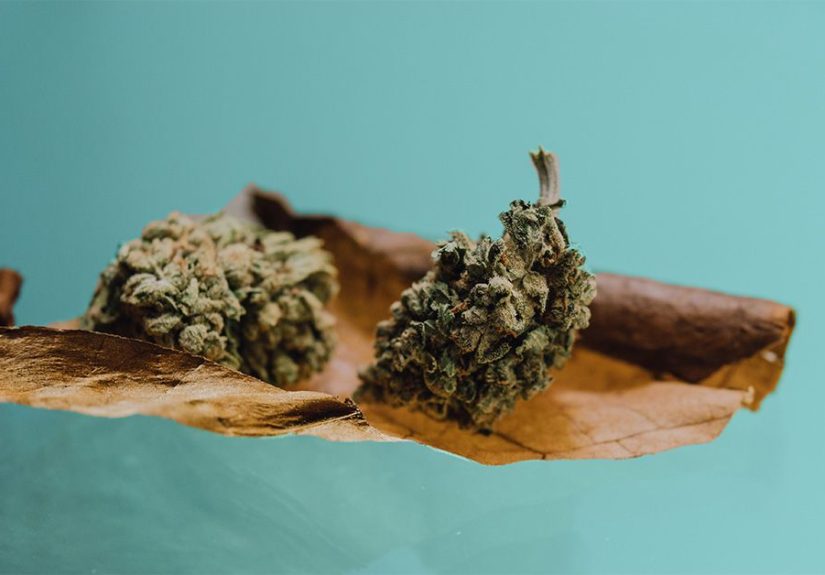
A blunt is cannabis wrapped in a cigar or cigar-style wrapperoften made from tobacco leaf or a tobacco-based wrap.
Because of the wrapper, a blunt may expose someone to tobacco and nicotine even if the person thinks they’re “just using cannabis.”[1][2]
Important nuance: not every “blunt wrap” is tobacco-based. Some wraps are marketed as hemp or “tobacco-free.”
The health and addiction risks can change depending on whether tobacco/nicotine is involved.[3]
What is a joint?
A joint is cannabis rolled in thin rolling paper (typically paper made from wood pulp, rice, or hemp).
The key idea: a joint is generally paper + cannabis, without a tobacco-leaf wrapper.[4]
What is a spliff?
A spliff is usually a mix of cannabis and tobacco wrapped in rolling paperso it’s closer to a joint in appearance,
but with tobacco mixed in. That means spliffs can deliver nicotine and increase the risk of tobacco dependence.[5][2]
Why the Wrapper Matters: Tobacco, Nicotine, and “Hidden” Risks
The biggest difference between a blunt and a joint is often the presence of tobacco. With blunts, tobacco may come from the wrapper;
with spliffs, tobacco is part of the blend. Nicotine is a major reason tobacco products can be addictive, and nicotine exposure can happen quickly.[2]
This matters because cannabis and tobacco together can create a “two-track” habit: the cannabis effects plus the nicotine pull.
Some people who don’t identify as tobacco users still end up exposed to nicotine through cigar wrappers or mixed products.[3]
“But it’s not a cigarette.” Trueand also not the point.
Cigars and cigar wrappers are still tobacco products. U.S. health warnings for cigars emphasize cancer and heart disease risks,
even for people who don’t inhale in the same way they might with cigarettes.[6]
Health Basics: Smoke Is Smoke (and Lungs Notice)
The method matters, but here’s the “boring adult truth” that refuses to leave the room:
burning plant material creates smoke, and smoke contains irritants and toxins. Public health agencies note that
smoked cannabis can harm lung tissues, regardless of the device or format (joint, blunt, bowl, bong, etc.).[4][7]
The American Lung Association also warns that marijuana smoke contains many of the same toxins, irritants, and carcinogens as tobacco smoke.[7]
Research is still evolving on long-term outcomes, but coughing, bronchitis-like symptoms, and airway irritation are common concerns.[7][8]
Secondhand smoke is not a free pass
Secondhand cannabis smoke can contain many of the same toxic and cancer-causing chemicals found in tobacco smoke, and it can also contain THC.[9]
Translation: “It’s just a little in the room” can still mean exposureespecially for kids, younger siblings, and pets (who definitely did not consent).[9]
Blunt vs. Joint vs. Spliff: Side-by-Side Comparison
1) Ingredients
- Blunt: Cannabis + cigar/cigar-style wrapper (often tobacco-based).[1]
- Joint: Cannabis + rolling paper (typically no tobacco leaf wrapper).[4]
- Spliff: Cannabis + tobacco in rolling paper.[5]
2) Nicotine exposure
- Highest likelihood: Spliff (tobacco is part of it).[2][5]
- Often present: Blunt (wrapper may be tobacco).[2][1]
- Usually none: Joint (unless tobacco is added separately).[4]
3) Smell and “tell”
All smoked forms can have a distinct odor. Blunts can smell more like tobacco because of the wrapper,
which may change how easily others recognize it. (This is not a stealth guidejust a reality of the materials involved.)[1]
4) Health risk profile
The big drivers are:
(a) smoke exposure and
(b) tobacco/nicotine exposure.
Adding tobacco raises addiction risk and brings its own well-established harms.[2][7]
Other Cannabis Consumption Methods (and How They Compare)
Cannabis can be consumed in many ways beyond rolled products. The CDC lists common methods including joints, blunts, bongs/pipes,
vaping devices, and edibles (foods/drinks infused with cannabis).[10]
Pipes, bowls, and bongs (water pipes)
These methods still involve combustion if the cannabis is burned. Public health guidance notes that smoked cannabisno matter the formatcan harm lung tissue.[4]
Water filtration may cool the smoke, but it doesn’t magically erase toxic byproducts from burning plant material.
Vapes and vape pens
Vaping cannabis avoids smoke from combustion, but it introduces other concernsespecially with high-potency concentrates and additives.
The CDC notes that vaping cannabis has been linked to lung injury, and concentrates may increase some risks due to strength/potency.[11]
Edibles and drinks
Edibles avoid inhaling smoke, but they can take longer to have effects and may increase the chance of consuming too much,
particularly for inexperienced users.[11]
Concentrates (including “dabbing”)
High-potency products can intensify impairment and may increase the risk of unpleasant or dangerous reactions.
The CDC cautions that concentrate use may increase certain health risks because of product strength.[11]
Why Teens and Young Adults Face Higher Stakes
If you’re a teen, this part is not here to lecture you. It’s here because your brain is still under constructionlike a house with
the walls up but the wiring still getting sorted.
The CDC notes negative effects of teen cannabis use can include problems with attention, memory, learning, coordination, and school/social functioning.[12]
NIDA also highlights that THC-containing products can affect mood, thinking, and perceptions, and cannabis can lead to harmful health effects.[13]
The American Psychological Association has discussed evidence that marijuana can impair attention, memory, learning, and decision-making in the short term.[14]
There’s also the risk of developing cannabis use disorder (problematic use that affects daily life).
Medical sources note it’s treatable and that seeking help early can make a big difference.[15][16]
Real-World Examples: How the Differences Play Out
Example 1: “I don’t use tobaccoonly blunts.”
Someone might genuinely believe they don’t use tobacco, but if the wrapper is tobacco-based,
they may still be exposed to nicotine. That matters for addiction risk and overall health.[2][3]
Example 2: “Spliffs feel different than joints.”
Adding tobacco changes the experience because nicotine is a psychoactive drug. Even without getting into the “how,”
it’s medically established that nicotine contributes strongly to dependence and can keep people using tobacco products even when they want to stop.[2]
Example 3: “It’s just weed smoke.”
Public health guidance emphasizes that smoking cannabis can harm lung tissues, and secondhand cannabis smoke contains toxic chemicals found in tobacco smoke.[4][9]
In other words: if it’s smoky, lungs will have an opinion.
Common Questions (Answered Without the Weirdness)
Is a blunt “stronger” than a joint?
People may perceive it that way for a few reasons: size, the wrapper, and (sometimes) nicotine.
But “stronger” isn’t a scientific unit. THC potency, amount used, and individual sensitivity matter more than the label.[11][13]
Are tobacco-free wraps safer?
Tobacco-free wraps can reduce nicotine exposure, but if cannabis is still burned, you’re still inhaling irritants and toxins from combustion.
“Tobacco-free” does not automatically mean “risk-free.”[3][4][7]
What’s the “safest” method?
From a health perspective, avoiding smoke is generally better for lungs than inhaling combusted material.
But every method has risks (including impairment, dependency potential, and accidental overconsumption with edibles).[11]
If someone is worried about use, talking to a clinician or a trusted adult is a smart step.[15]
Conclusion: A Blunt Is Not “Just a Joint With a Cooler Name”
A blunt is cannabis wrapped in a cigar or cigar-style wrapperoften involving tobacco leaf.
A joint is cannabis in rolling paper, typically without tobacco.
A spliff is cannabis mixed with tobacco in rolling paper.
The differences matter because tobacco and nicotine change addiction risk, and smoke exposure affects lungs no matter what form it comes in.
If you’re under 21, cannabis use is illegal in the U.S., and health agencies emphasize teens are more vulnerable to negative cognitive and life impacts.[12][2]
If you’re concerned about your own use or someone else’s, medical and behavioral health support is available.[15][16]
Experiences People Commonly Report (Without Glamorizing It)
This section is here because people often search for “what it’s like” when they’re trying to understand slang and social situations.
It’s descriptive, not promotional. Experiences vary a lot, and “common” does not mean “safe.”
The social vibe: why these words show up in conversation
In real life, the words “blunt,” “joint,” and “spliff” often appear in group settingsparties, hangouts, concerts, or just a few friends outside.
People might use the terms as shorthand to signal what’s involved (paper vs. cigar wrap, tobacco mixed in or not).
Sometimes the label is also about identity: a person might say “I don’t do spliffs” to avoid nicotine, or “I only do joints” to avoid cigar wrappers.
The catch is that labels can be inaccurateespecially when someone doesn’t actually know what materials were used.[3]
What people say feels different between blunts, joints, and spliffs
When people compare these methods, they often describe differences in:
- Harshness: Many report that cigar-style wraps feel “harsher” on the throat than thin paper. That lines up with the broader reality that smoke irritates airways.[7]
- “Buzz” vs. “high” language: Some describe spliffs as bringing a more “buzzy” or “wired” feeling. Nicotine is a stimulant and is strongly linked to dependence, so adding tobacco can change both sensation and habit patterns.[2]
- Smell: People often say blunts smell more “tobacco-ish,” while joints smell more like cannabis. Either way, smoke can cling to clothes and hairlike an uninvited guest who won’t stop talking about itself.
- Duration: People might claim one lasts longer than another, but duration depends on the amount of cannabis, product potency, and how frequently someone uses.[13]
Unpleasant experiences are commonand worth naming
A lot of online talk focuses on the “good” parts and skips the messy reality. But people commonly report negative experiences, including:
- Coughing and throat irritation: Not surprisinglungs generally don’t love any kind of smoke. Public health sources note smoked cannabis can harm lung tissue and that marijuana smoke contains irritants/toxins.[4][7]
- Dizziness or nausea: Especially in people with low tolerance, or when products are stronger than expected. Edibles can be especially unpredictable because effects are delayed and can lead to consuming too much.[11]
- Anxiety or panic feelings: Some people feel more anxious rather than relaxed, particularly with high-THC products or stressful settings.[13]
- Nicotine “head rush”: For those not used to nicotine, tobacco exposure can feel intense and unpleasantanother reason the wrapper and tobacco content matters.[2]
The teen reality: pressure, confusion, and “I didn’t know” moments
Teens often describe social pressure as the main drivernot a planned decision. It can look like:
“Everyone else is doing it,” “It’s no big deal,” or “It’s not tobacco.”
The problem is that misinformation is common, and the health stakes for teens are higher.
The CDC notes teen cannabis use can affect attention, learning, memory, and school/social functioning.[12]
If you’re a teen who feels stuck in those situations, practical non-drug advice can help:
have a ready phrase (“No thanks, I’m good”), blame an external rule (“I can’trandom drug test for sports”), or step away with a friend.
If use is already causing problemssleep, mood, school, motivation, conflict at hometalking to a trusted adult or clinician can help,
and cannabis use disorder is treatable.[15][16]