Table of Contents >> Show >> Hide
- What Does HVAC Actually Mean?
- Main Parts of a Typical Home HVAC System
- The “V” in HVAC: How Home Ventilation Works
- Types of Mechanical Ventilation Systems
- Step-by-Step: How Air Moves Through Your Home
- Why Ventilation Matters for Health and Comfort
- Energy Efficiency: Making Your HVAC and Ventilation Work Smarter
- Common HVAC and Ventilation Myths
- Real-World Experiences with HVAC and Home Ventilation
- Final Thoughts
If you own a home, you’ve probably met HVAC already—on a repair bill. But what exactly is this mysterious set of letters, and what does it have to do with that whooshing sound in your vents, the hum of your outdoor unit, and the way your house smells after you’ve cooked fish?
HVAC stands for heating, ventilation, and air conditioning. It’s the network of equipment that keeps your home warm in winter, cool in summer, and (ideally) filled with clean, fresh air all year round. Think of it as your home’s heart and lungs: the system that moves air, manages temperature, and controls indoor air quality.
In this guide, we’ll break down what HVAC is, how home ventilation systems work, and what actually happens to the air before it comes out of that ceiling vent above your couch. No engineering degree required—just a bit of curiosity and maybe a healthy respect for your thermostat.
What Does HVAC Actually Mean?
HVAC is an umbrella term for three core functions in your home comfort system:
- Heating — furnaces, boilers, or heat pumps that warm the air or water.
- Ventilation — the movement and exchange of air between indoors and outdoors.
- Air conditioning — equipment that cools and dehumidifies indoor air.
In most modern houses, heating and cooling are combined into a single forced-air system that uses ductwork. The same ducts that blow warm air in January typically deliver cool air in July. Ventilation is woven through this picture: fresh outdoor air is pulled in (or pushed in), stale air is exhausted, and indoor air is filtered and circulated.
Behind that innocent-looking metal grille in your hallway is a collection of technology designed around thermodynamics, fluid mechanics, and basic physics—don’t worry, you don’t have to memorize any formulas to use the thermostat.
Main Parts of a Typical Home HVAC System
Every home setup is slightly different, but most central HVAC systems share a few key components.
1. Furnace or Air Handler
The furnace is the main heating appliance in many homes. It burns natural gas, propane, oil, or uses electric resistance elements to heat air. That warm air is then pushed into ducts by a blower fan.
In homes that rely on a heat pump for both heating and cooling, the indoor unit is often called an air handler. It still has a blower and usually an electric backup heater, but the heat is coming from refrigerant lines connected to the outdoor unit, not from burning fuel.
2. Air Conditioner or Heat Pump
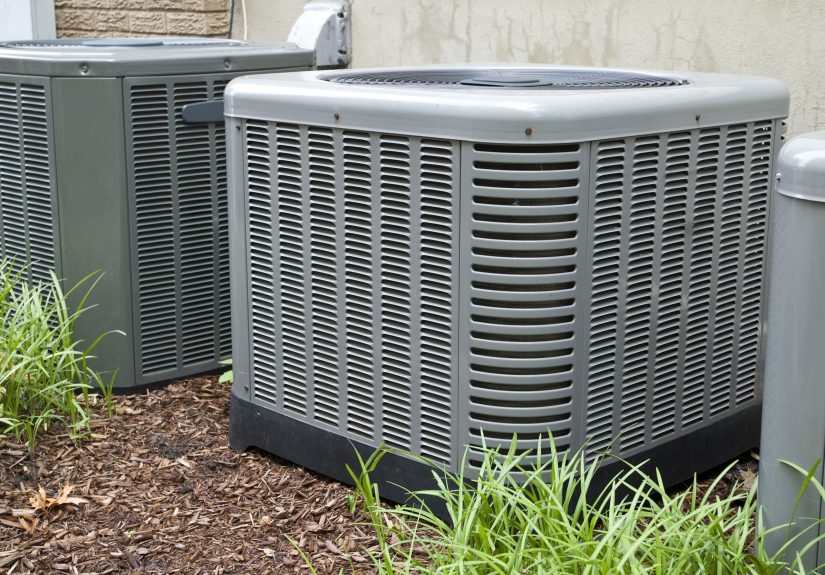
The outdoor unit (the box that roars to life every time the temperature spikes) is typically either a central air conditioner or a heat pump.
- Central AC only cools and dehumidifies. It uses a refrigerant loop to carry heat from inside your home to the outside air.
- Heat pumps are reversible. In summer, they move heat out of your home. In winter, they run in reverse and move heat into your home, even from cold outdoor air.
Both systems rely on a compressor, coils, and refrigerant. Inside, the cold coil (evaporator) absorbs heat from your indoor air; outside, the hot coil (condenser) dumps that heat into the outdoor air.
3. Ductwork, Supply Vents, and Return Vents
Your ductwork is the roadmap for air. It’s usually made of sheet metal or flexible ducting snaking through attics, basements, or crawlspaces.
- Supply ducts and vents deliver conditioned air (heated or cooled) to each room.
- Return ducts and grilles pull room air back to the HVAC equipment to be filtered, reheated or cooled, and recirculated.
A well-designed system balances the amount of air supplied with the amount returned, keeping air pressure stable and comfort even across rooms.
4. Thermostat and Controls
The thermostat is the brain you actually interact with. It senses indoor temperature and sends signals to turn heating or cooling on and off.
Modern smart thermostats can learn your schedule, monitor energy use, and even control multiple zones in your home. Zoning allows different areas (for example, upstairs vs. downstairs) to be heated or cooled to different temperatures using dampers in the ductwork.
5. Air Filters and Add-Ons
Most systems include a filter where the return air enters the furnace or air handler. Filters capture dust, pet dander, and other particles. Higher-efficiency filters (with a higher MERV rating) can trap smaller particles but must be compatible with your system to avoid restricting airflow.
Some homes also add:
- Whole-house humidifiers or dehumidifiers to manage moisture levels.
- UV lights or advanced filtration systems to reduce certain microorganisms or allergens.
- Energy or heat recovery ventilators (ERVs/HRVs) to improve fresh air without wasting as much energy.
The “V” in HVAC: How Home Ventilation Works
If heating and cooling are about temperature, ventilation is about air quality. It’s the process of bringing in outdoor air, removing indoor pollutants, and maintaining healthy levels of humidity and carbon dioxide.
Without proper ventilation, indoor pollutants from cleaning products, building materials, combustion appliances, moisture, and everyday living can build up. That’s why good ventilation is a major pillar of healthy indoor air.
Types of Home Ventilation
Ventilation in homes usually comes from three sources:
- Natural ventilation — Fresh air comes in through open windows, doors, and small leaks and gaps in the building envelope.
- Spot ventilation — Fans in bathrooms and kitchens exhaust odors and moisture directly outside.
- Whole-house mechanical ventilation — A dedicated system designed to move fresh air in and stale air out at controlled rates throughout the home.
Older, drafty homes relied mostly on natural ventilation (and a lot of not-so-charming air leaks). Newer, energy-efficient homes are built tighter. That’s great for your energy bill, but without mechanical ventilation, it can trap pollutants indoors. That’s where modern home ventilation systems step in.
Types of Mechanical Ventilation Systems
Whole-house mechanical ventilation systems come in a few flavors, each with pros and cons for energy use and air quality.
1. Exhaust-Only Ventilation
An exhaust-only system uses one or more continuously running fans to pull air out of the house (often from bathrooms). As air is exhausted, outdoor air sneaks in through cracks, vents, or intentional inlets.
This approach is simple and relatively inexpensive, but you have less control over where outdoor air enters. In very cold or very humid climates, that can be less than ideal.
2. Supply-Only Ventilation
A supply-only system uses a fan to bring outdoor air into the house, usually connecting to the return duct of the HVAC system. As fresh air comes in, indoor air is pushed out through leaks or dedicated exhaust pathways.
This gives better control over where outside air comes from (for example, from a known outdoor intake with filtration), but again, it doesn’t control exactly how or where stale air exits.
3. Balanced Ventilation (HRV and ERV)
Balanced systems supply and exhaust roughly equal amounts of air. Two fans and two duct systems work together: one pulls in fresh outdoor air, and one exhausts stale indoor air.
When you hear about HRVs (heat recovery ventilators) and ERVs (energy or enthalpy recovery ventilators), you’re in balanced-ventilation territory.
- HRVs transfer heat only between the outgoing and incoming air streams.
- ERVs transfer both heat and moisture, helping control humidity as well as temperature.
These systems pre-condition the incoming fresh air with the outgoing air’s energy, reducing the load on your heating and cooling equipment. That means better indoor air quality and better efficiency.
Step-by-Step: How Air Moves Through Your Home
Here’s a simplified look at what happens when your HVAC system and home ventilation are working together:
- Thermostat calls for heating or cooling. The temperature drifts above or below your setpoint, and the thermostat sends a signal to the furnace, heat pump, or AC to turn on.
- The blower fan starts. Air is pulled from rooms through the return grilles and ducts back to the air handler.
- Air is filtered. Before air reaches the heating or cooling coil, it passes through an air filter, which catches dust and other particles.
- Air is heated or cooled. In heating mode, air passes over a hot heat exchanger or coil. In cooling mode, it passes over a cold evaporator coil that also removes moisture.
- Conditioned air is supplied to rooms. The blower pushes the newly conditioned air into the supply ducts, which distribute it to each room through supply vents.
- Ventilation adds fresh air. If you have a dedicated ventilation system, fresh outdoor air is introduced (often into the return side of the HVAC), mixed, filtered, and distributed. Stale indoor air is exhausted to the outside.
- The cycle repeats. As air circulates, the system periodically runs, maintaining your desired temperature and air quality.
Behind the scenes, good ventilation ensures that you’re not just recirculating the same air endlessly, but bringing in enough fresh air to dilute indoor pollutants.
Why Ventilation Matters for Health and Comfort
Ventilation doesn’t get the same love as a brand-new smart thermostat, but it’s critical for your health, comfort, and even productivity.
Proper ventilation can help:
- Reduce pollutants from cooking, cleaning products, building materials, and everyday activities.
- Control humidity, which affects mold growth, dust mites, and comfort.
- Manage odors from pets, smoke, or strong-smelling foods.
- Improve cognitive function by keeping carbon dioxide levels in a healthier range.
Standards from professional organizations recommend minimum ventilation rates for homes (often expressed as air changes per hour or cubic feet per minute per person). The goal is to balance fresh air with energy efficiency, so you’re not literally throwing heated or cooled air out the window.
Energy Efficiency: Making Your HVAC and Ventilation Work Smarter
Your HVAC system is usually one of the biggest energy users in your home, so small improvements can make a noticeable difference in comfort and bills.
Practical Tips
- Change filters regularly. A dirty filter chokes airflow, forces the blower to work harder, and can reduce efficiency and equipment life. Many homes do well with filter changes every 1 to 3 months.
- Seal and insulate ducts. Leaky ducts can lose a lot of heated or cooled air into attics or crawlspaces. Sealing and insulating them can significantly improve performance.
- Use a programmable or smart thermostat. Set back temperatures when you’re asleep or away and let the thermostat handle the adjustments.
- Don’t block vents. Furniture, rugs, or clutter over vents disrupt airflow and can strain the system.
- Maintain the outdoor unit. Keep plants, leaves, and debris at least a couple of feet away from the condenser so it can move air freely.
- Consider high-efficiency equipment. When it’s time to replace your furnace, heat pump, or AC, higher-efficiency models can cut energy use, especially if paired with good ductwork and ventilation design.
For balanced ventilation systems like HRVs or ERVs, cleaning or replacing filters and ensuring the intake and exhaust vents aren’t blocked is just as important as maintaining your furnace or AC.
Common HVAC and Ventilation Myths
“Closing vents in unused rooms saves energy.”
Tempting, but generally not true. Most duct systems are designed for a specific amount of airflow. Closing vents can increase pressure in the ducts, causing the blower to work harder, potentially leading to reduced efficiency and even equipment issues. It’s usually better to keep vents open and talk to an HVAC pro about zoning if you want different temperatures in different areas.
“Bigger equipment is always better.”
An oversized furnace or AC can short-cycle — turning on and off frequently. That wastes energy, creates uneven temperatures, and does a poor job of humidity control. Proper sizing based on professional load calculations is crucial.
“Ventilation just means opening a window.”
Opening windows is great when outdoor conditions cooperate, but mechanical ventilation gives you predictable, year-round control. It’s especially helpful in very hot, very cold, or very polluted environments where opening a window isn’t always practical.
Real-World Experiences with HVAC and Home Ventilation
Understanding how HVAC and home ventilation systems work is one thing; living with them is another. Here are some common homeowner experiences and what they reveal about real-world HVAC performance.
1. The “Hot Upstairs, Cold Downstairs” Problem
Many people notice that their second floor turns into a sauna in summer while the ground floor feels just okay. This often happens in homes with a single HVAC system serving multiple levels.
Warm air naturally rises, and upstairs spaces may have more sun exposure and less insulation. If the ductwork wasn’t designed with this in mind, or if returns upstairs are limited, the upper level may not get enough cooled air and might not pull enough air back to the system.
Homeowners sometimes try to “fix” this by closing vents downstairs. That usually backfires. A better solution might include balancing the system (adjusting dampers), improving attic insulation and air sealing, adding additional returns, or in some cases installing a dedicated zone or separate system for the upper floor.
2. Condensation on Windows and Musty Smells
Another common experience is waking up in winter to foggy windows or noticing musty odors after a few rainy days. Often, this is a sign of high indoor humidity and inadequate ventilation.
When moisture from showers, cooking, and breathing can’t escape, it condenses on the coldest surfaces, like window glass. Over time, this can lead to mold growth around frames, peeling paint, or that “old basement” smell in closets and corners.
Many homeowners find that running bath fans longer, using a range hood vented to the outside, and adding whole-house mechanical ventilation or a dehumidifier drastically improves comfort and eliminates odors. The house feels fresher, and they may even notice fewer allergy symptoms.
3. The Filter That Wasn’t Changed (for Way Too Long)
It’s surprisingly easy to forget your HVAC filter. Life happens, months go by, and then one day the system starts sounding strained or airflow feels weak. When someone finally checks, the filter looks like it’s been through a dust storm.
This is more than just a “whoops” moment. A clogged filter can:
- Reduce airflow, lowering efficiency.
- Increase wear on the blower motor and other components.
- Make it harder to keep rooms at the right temperature.
Many homeowners avoid this by setting calendar reminders, using smart filters with sensors, or simply building the habit of checking filters on the first of every month. Once people experience the difference in comfort and noise level after swapping a badly clogged filter, they rarely go back to the “set it and forget it” approach.
4. Discovering the Power of Balanced Ventilation
Homeowners who retrofit an HRV or ERV into a tight, energy-efficient house often report a surprisingly big improvement in how the home feels.
Before the upgrade, they may have noticed stuffy rooms, lingering cooking smells, or headaches after spending long periods indoors. After adding balanced ventilation, they often describe the air as “lighter,” “fresher,” and more comfortable, even though the temperature on the thermostat hasn’t changed.
Balanced ventilation quietly runs in the background, continuously exchanging indoor and outdoor air while recovering much of the energy that would otherwise be lost. It’s an investment, but for many, the combination of better health, comfort, and energy performance is worth it.
5. Maintenance: The Difference Between “Fine” and Fantastic
Another common experience: homeowners who schedule regular HVAC checkups tend to have fewer surprises. During a routine visit, a technician might catch a failing capacitor, low refrigerant charge, dirty evaporator coil, or blocked condensate drain before it becomes a major mid-summer breakdown.
People who keep up with maintenance also tend to get better performance from the same equipment. Their systems cycle more smoothly, reach set temperatures more easily, and often have a longer lifespan. Paired with proper ventilation and good filtration, maintenance turns an average system into one that quietly does its job year after year.
The takeaway from all of these experiences is simple: HVAC and ventilation aren’t just about machinery. They’re about how your home feels to live in day to day—how easy it is to sleep, cook, work, and relax without constantly fussing with the thermostat or worrying about strange smells and hot or cold spots.
Final Thoughts
HVAC is more than just an acronym on a service truck. It’s the combination of heating, cooling, and ventilation that keeps your home comfortable and your indoor air healthier. Understanding the basics—how air moves, why ventilation matters, and how to maintain your system—can help you make better decisions about upgrades, efficiency, and everyday use.
You don’t have to become an HVAC technician, but knowing how your home’s “heart and lungs” work makes it easier to spot problems early, talk confidently with contractors, and invest in improvements that really pay off in comfort, health, and long-term energy savings.