Table of Contents >> Show >> Hide
Every workplace has that moment. The exact second when your brain stops pretending this is a normal Tuesday and quietly whispers, absolutely not. Maybe it happens when a customer screams at you over a coupon worth less than a gas-station coffee. Maybe it lands when your boss adds three extra responsibilities with the breezy confidence of someone who will not be doing any of them. Or maybe it arrives while you are dealing with a mess, a crisis, or a deeply unreasonable human being and realize your paycheck is trying its best, but it is losing badly.
That is why the question, “What is your ‘I don’t get paid enough for this’ moment?” hits so hard. It is funny because it is true, and it is true because modern work has a bad habit of asking people to do more than the job description, absorb more stress than the title implies, and smile through situations that deserve hazard pay, emotional support, or both. The stories that follow are based on the kinds of replies people share in forums and viral workplace roundups: chaotic, relatable, occasionally absurd, and surprisingly revealing.
Behind the jokes, there is a real pattern. U.S. workplace research keeps circling the same themes: workers say pay often does not keep up with the cost of living, burnout is widespread, respect at work is fragile, and some of the most stressful jobs involve emotional labor that rarely shows up in a compensation package. So yes, this article is entertaining. But it is also a snapshot of why so many people reach for that sentence like it is a life raft.
Why This Question Resonates So Much
The phrase “I don’t get paid enough for this” is not really about one bad shift. It is about a mismatch. A mismatch between effort and reward. Between responsibility and authority. Between what workers are told the job is and what the job becomes once reality barges in wearing muddy boots.
That mismatch shows up across industries. Teachers are dealing with stress, staffing gaps, and challenges that stretch far beyond lesson plans. Healthcare workers face long hours, hazard exposure, and emotionally heavy situations that can drain even experienced professionals. Retail and hospitality workers absorb customer frustration like they are human shock absorbers. Blue-collar workers often report lower satisfaction with pay than other workers. Even managers, the people assumed to be “fine” because they have keys and a calendar invite, are reporting serious burnout of their own.
In other words, that one sentence has range. It covers danger, disrespect, chaos, bodily fluids, unpaid emotional labor, and the ancient corporate tradition of saying, “Can you just handle this real quick?” right before ruining someone’s afternoon.
30 People Reply: The Moments That Broke the Illusion
- The surprise biohazard assignment. A retail worker clocks in expecting shelves, registers, and maybe a confusing return policy. Instead, they are suddenly cleaning up a deeply human disaster in the middle of the store. Nothing says underpaid like realizing your shift has become an unofficial sanitation internship.
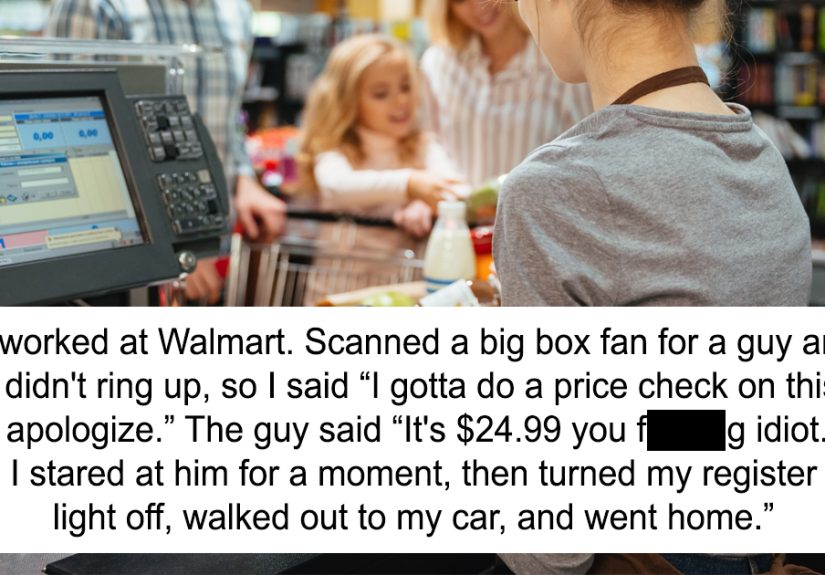
- The customer who mistakes forgetfulness for stupidity. Grocery workers often memorize produce codes all day long, but the second one slips their mind, someone leans in with the smugness of a game-show host: “It’s broccoli.” Thank you, detective. The case is cracked.
- The teacher asked to do way more than teach. Plenty of educators have stories that begin with lesson plans and end with them handling tasks no one associates with classroom instruction. Teaching is already hard; surprise caretaking duties do not exactly sweeten the salary.
- The lifeguard who became the cleanup crew. Watching the pool is one job. Managing what happens after the pool becomes the scene of a public-health nightmare is a totally different one. Yet somehow the same teenager with a whistle is expected to do both.
- The new hire versus the impossible solo shift. Some people realize the pay is wrong the second they are told they will be handling an obviously two-person job alone. Nothing inspires confidence like hearing, “You’ll figure it out.”
- The healthcare worker who becomes the emotional anchor. Patients in crisis need compassion, but entry-level staff are often placed in intense situations that demand calm, empathy, and quick judgment far beyond the wage attached to their badge.
- The retail associate accused of something they did not do. A customer makes a false accusation, a crowd gathers, and the employee is suddenly starring in a courtroom drama nobody auditioned for. The paycheck, sadly, remains very sitcom-sized.
- The employee yelled at for rules they did not create. Return policy? Not their choice. Shipping delay? Not their fault. Store layout? Also not theirs. Yet customer-facing workers are treated like they personally designed the universe.
- The manager expected to absorb everyone’s stress. Supervisors often get squeezed from both sides: leadership wants results, staff wants support, and the manager is left trying to hold the building up with a spreadsheet and eye twitch.
- The hospitality worker forced to smile through abuse. Service culture loves the phrase “guest experience.” Workers hear: “Please absorb this grown adult’s tantrum with grace and maybe offer extra ranch.”
- The veterinary assistant handed a task they never agreed to. Animal care jobs come with hard days, but there is a line between expected emotional difficulty and a moment so jarring it makes someone hand back the apron on principle.
- The food-service employee who discovers the bathroom scene. Fast-food managers and restaurant workers routinely find themselves handling messes that belong in a crime-show cold open, not a shift report.
- The office worker voluntold into technical support. Knows how to attach a PDF? Congratulations, they are now unofficial IT. Next thing you know, they are fixing printers, resetting passwords, and silently reconsidering every life choice.
- The warehouse worker given speed goals from another planet. The boxes are real, the fatigue is real, and the productivity targets seem to have been set by someone who has only encountered cardboard in theory.
- The nurse, aide, or tech handling violence risk. Caring professions require patience, but when the work includes genuine physical risk, emotional stress, and nonstop exposure to crisis, the phrase stops being a joke and starts sounding like policy feedback.
- The teacher blamed for problems far outside the classroom. Understaffing, absenteeism, family crises, mental health concerns, technology issues, and now somehow the copier is haunted. Yet the teacher is still expected to deliver a cheerful bulletin board.
- The receptionist who becomes security, therapist, and scheduler. Front-desk roles often function as the air traffic control of chaos. The title says receptionist; the reality says “keeper of order in a mildly collapsing universe.”
- The social worker carrying more cases than one human should. The work matters deeply. The workload often says otherwise. When helping professions are stretched too thin, “not paid enough” is really shorthand for “this system is not serious.”
- The retail worker dealing with theft and confrontation. Staff are expected to keep calm, protect inventory, avoid escalation, and somehow still hit credit-card signup goals. Sure. Very normal.
- The airline, hotel, or travel employee fixing everyone else’s meltdown. A delayed flight or lost reservation can turn customers feral in record time. The worker at the counter becomes the face of all global disappointment.
- The blue-collar worker doing dangerous work for ordinary pay. There is a particular kind of frustration that comes from using skill, strength, and risk tolerance every day while still hearing someone say, “At least you get overtime.”
- The employee told to stay late for free. Nothing captures workplace entitlement like acting shocked when a worker wants to be paid for extra time. That is not dedication; that is payroll with amnesia.
- The caregiver who cannot leave the stress at the door. Jobs centered on care, whether in medicine, education, or public service, often demand emotional presence long after the shift technically ends.
- The worker asked to train people while barely trained themselves. One of the classic modern workplace plot twists: “You seem competent, so now you are in charge of onboarding others.” No raise included, naturally.
- The employee facing public humiliation over something tiny. A coupon, a receipt, a side dish, a typo, a five-minute delay. The issue is small, the reaction is Shakespearean, and the worker becomes the unwilling supporting actor in a tragedy called Customer Is Always Right.
- The worker whose role keeps expanding without the pay. Job descriptions now come with bonus content. Marketing does sales. Admin does operations. Support does retention. Everyone does “other duties as assigned,” which is corporate for “surprise.”
- The emergency responder who realizes perspective has changed forever. Some people hit their moment after experiencing something genuinely heavy on one job, then returning to a petty complaint in another. After that, tolerance for nonsense drops faster than a bad app rating.
- The worker asked to care more than leadership does. Morale collapses quickly when employees are expected to perform loyalty for leaders who cannot offer clarity, backup, or basic respect.
- The employee covering chronic understaffing as if it is temporary. A week becomes a month. A month becomes a season. Eventually the worker realizes they are not helping in a pinch; they are subsidizing bad planning with their nervous system.
- The moment someone finally says, “I’m out.” Sometimes the most relatable reply is the shortest one: the day they quit. No speech. No dramatic door slam. Just a calm internal vote for peace, sanity, and maybe a job where nobody hands them a mop and a crisis at the same time.
What These Replies Actually Reveal About Work
1. Emotional labor is treated like it is free
A huge share of these stories are not about physical difficulty at all. They are about emotional containment. Workers are expected to stay polite, stable, reassuring, and professional while customers, patients, students, or supervisors are doing their absolute best to make that impossible. That kind of emotional regulation is labor. It takes energy. It should count for something.
2. Job creep is real, and workers notice it immediately
Many “not paid enough” moments happen when a worker is asked to do something adjacent to the job, but not really the job. A cashier becomes a conflict mediator. A teacher becomes a social-services triage point. A manager becomes a 24/7 morale sponge. The title stays put while the role inflates like a parade balloon.
3. Respect matters almost as much as pay
Money is central, of course. But plenty of people can describe a moment that would have been bearable if it had not come packaged with condescension, blame, or public disrespect. Workers can tolerate a lot. What they struggle to tolerate is being treated like they should be grateful for mistreatment.
4. Burnout is rarely caused by one dramatic incident
Most people do not snap because of one weird Tuesday. They snap because weird Tuesdays happen every week. Burnout grows in repetition: too much work, too little control, not enough support, low recognition, and the steady erosion of energy. The breaking point just happens to arrive wearing one especially ridiculous outfit.
Why These Stories Feel So Familiar in 2026
The modern workplace has turned “adaptability” into a personality requirement. Employees are expected to pivot, absorb change, learn new tools, manage uncertainty, and keep productivity high while the cost of living climbs and staffing often stays thin. Research on U.S. workers keeps showing the same pressure points: dissatisfaction with pay, widespread stress, burnout, and the sense that respect and psychological safety are not guaranteed perks but rare luxuries.
That helps explain why a viral question like this travels so far. It is not really a complaint thread. It is a recognition thread. People read these stories and think, finally, somebody said it out loud. The details may vary by industry, but the emotional math is identical: if the risk is high, the support is low, and the pay is ordinary, the sentence writes itself.
Extra Reflections: 500 More Words on the “I Don’t Get Paid Enough For This” Experience
One reason these stories stick is that they expose the secret life of work. On paper, many jobs sound tidy. Teacher. Retail associate. Manager. Technician. Receptionist. Nurse. Server. Driver. But anyone who has actually worked knows titles are often just neat labels placed over messy realities. The public sees the polished version. Workers live the director’s cut.
That is especially true in jobs where the hardest part is invisible. A person working a register is not just scanning items. They are reading moods, defusing tension, remembering codes, staying alert, masking irritation, and protecting the brand from customers who think yelling is a form of leadership. A teacher is not just delivering instruction. They are managing behavior, calming anxiety, improvising around shortages, and trying to educate human beings who arrive carrying all the chaos of the outside world. A healthcare worker is not just completing tasks. They are balancing urgency, empathy, risk, fatigue, and the emotional weight of other people’s worst days.
That is why the funniest replies in threads like this are often the bleakest. Humor is the wrapping paper people use when the real gift is frustration. Jokes about bodily fluids, broken printers, screaming customers, and mystery crises are really jokes about value. Specifically: who is expected to absorb discomfort so the system can keep moving? The answer is almost always the worker closest to the problem and farthest from the budget meeting.
There is also something revealing about when people finally say the phrase out loud. It is rarely at the busiest moment. Usually, it happens a beat later, when the absurdity settles in. After the confrontation. After the cleanup. After the panic. After the fake smile. That delayed realization matters because it shows how normalized overextension has become. People often keep functioning long past the point where the arrangement stopped making sense.
The healthiest takeaway from these stories is not just “wow, work is wild.” It is that workers are often excellent at identifying unfairness before organizations are. They know when a role has become unsafe, disrespectful, or impossible. They know when “team player” is being used to mean “please accept less than you deserve.” And they know that sometimes the most professional response is not heroic endurance. Sometimes it is a boundary. Sometimes it is a resignation letter. Sometimes it is a quiet refusal to keep pretending that chaos is a perk.
So if the phrase feels familiar, that does not mean you are lazy, dramatic, or bad at your job. It may simply mean your internal calculator still works. It has looked at the stress, the expectations, the disrespect, the extra labor, and the compensation attached to all of it, and reached the correct conclusion with remarkable efficiency. In a world that often romanticizes overwork, that kind of clarity may be the most valuable skill on the payroll.