Table of Contents >> Show >> Hide
- What Is Dead Butt Syndrome, Exactly?
- Why Sitting All Day Sets You Up for It
- Signs You Might Have Dead Butt Syndrome
- What to Do About Dead Butt Syndrome
- A Simple Dead Butt Syndrome Routine
- Daily Habits That Help More Than People Expect
- When to See a Doctor or Physical Therapist
- Conclusion
- Extra Experiences Related to Dead Butt Syndrome if You Sit All Day
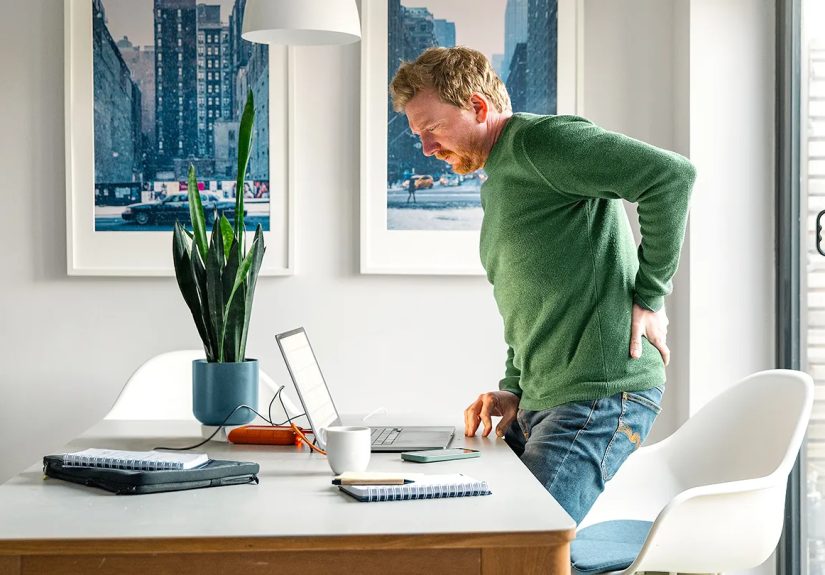
If your job description could be summarized as “professional sitter with occasional email skills,” your butt may already be protesting. Maybe you stand up after a long meeting and walk like a folding lawn chair for a few steps. Maybe your hips feel tight, your lower back feels grumpy, and your glutes seem to have quietly resigned from active duty. That, in very unglamorous terms, is why people talk about dead butt syndrome.
The name sounds like clickbait invented by a gym bro and a chiropractor in a group chat. Unfortunately, the problem behind it is real. When you sit for hours at a time, your glutes can become underactive, your hip flexors can tighten up, and the muscles around your pelvis and lower back can start picking up work they were never thrilled to do. The result is a body that feels stiff, weak, achy, and weirdly offended by stairs.
The good news is that dead butt syndrome is usually fixable. You do not need to panic, throw out your desk chair, or begin doing lunges in the grocery store parking lot. You do need a smarter plan. Here is what dead butt syndrome is, why it happens, and what to do about it if you sit all day.
What Is Dead Butt Syndrome, Exactly?
Dead butt syndrome is the everyday nickname for a problem often described as gluteal amnesia, meaning your glute muscles are not firing the way they should. In many cases, the gluteus medius gets the most attention because it helps stabilize your pelvis when you walk, stand on one leg, climb stairs, and move through daily life without wobbling around like a shopping cart with one bad wheel.
No, your glutes are not literally dead. They are more like sleepy employees who stopped answering emails after being ignored all day. When you spend too much time sitting, your hips stay flexed, the muscles at the front of your hips shorten, and your glutes stop contributing enough to movement and support. That can create a chain reaction involving your lower back, hamstrings, knees, and even your posture.
Even though the phrase is common among desk workers, it is not only an office issue. Runners, cyclists, and other people who repeat the same movement patterns without enough mobility work or strength training can run into similar problems. So yes, the condition can affect both “I work from my laptop” people and “I own five pairs of compression socks” people.
Why Sitting All Day Sets You Up for It
Your hip flexors get tight
When you sit for long stretches, the muscles at the front of your hips stay in a shortened position. Over time, they can become tight and cranky. Tight hip flexors make it harder for the hips to extend normally, which is bad news because strong hip extension is one of the glutes’ main jobs.
Your glutes stop pulling their weight
Muscles follow the “use it or lose it” rule more faithfully than most people follow their New Year’s resolutions. If you do not regularly ask your glutes to work, they become weaker and less coordinated. That does not just affect how your butt looks in jeans. It affects how your whole lower body functions.
Other muscles start compensating
When the glutes go off-duty, other areas try to help. The lower back may take on extra stress. The hamstrings may overwork. The knees may stop loving life. This is why dead butt syndrome can show up as hip pain, lower back pain, awkward walking, or even discomfort when you stand up after sitting for a while.
Standing still is not the magical fix
A standing desk can help, but only if it helps you move more. Simply swapping one static position for another is not the same as restoring healthy movement. Your body likes variety: sitting less, standing some, walking often, stretching strategically, and strengthening the muscles that have checked out.
Signs You Might Have Dead Butt Syndrome
Common signs include tight hips, a dull ache in the buttocks, soreness in the lower back, stiffness when getting up from a chair, and feeling like your hamstrings do everything except file taxes. Some people notice a temporary numb or “asleep” feeling in the butt after sitting for a long time. Others feel unstable during step-ups, lunges, or single-leg movements.
You may also notice that your body seems to dislike ordinary things that used to be easy, such as walking uphill, climbing stairs, standing on one leg to put on pants, or getting through a workout without your low back trying to become the main character.
If your pain shoots down your leg, you have true weakness, your symptoms are getting worse, or you have numbness that does not go away, it is worth getting checked by a medical professional. Not every butt problem is dead butt syndrome. Sometimes piriformis syndrome, sciatica, hip joint issues, or tendon injuries are part of the story.
What to Do About Dead Butt Syndrome
1. Break up long sitting blocks
This is the most boring advice and also the most important. Do not sit in one position for half the day like a decorative office statue. Set a timer and get up regularly. A good practical rule is to stand or move every 30 to 60 minutes. Walk to refill your water, take a lap during phone calls, use the farthest restroom, or invent reasons to get up that are only slightly dramatic.
The goal is not perfection. The goal is interruption. Frequent movement breaks help reduce stiffness, change joint position, improve circulation, and remind your glutes that they are still employed.
2. Improve your desk setup
If your workstation turns you into a human shrimp, your hips and back are going to complain. Keep your feet flat on the floor, your knees around a right angle, and your chair high enough that your hips are level with or slightly above your knees. Sit tall, keep your shoulders relaxed, and avoid crossing your legs for hours.
If needed, use lumbar support. A fancy ergonomic chair is nice, but a rolled towel behind the lower back can also do a respectable job. The point is to make good posture easier, not to pretend your body will thrive while folded into a question mark.
3. Stretch the muscles that are too tight
Dead butt syndrome is usually not just a weakness problem. It is a mismatch problem. Some muscles are asleep, while others are stiff, shortened, and trying to run the show. For most people, that means the hip flexors need attention.
4. Re-activate the glutes
Before you load up heavy squats, it helps to re-teach your glutes to contract on purpose. This is especially useful if you feel your lower back or hamstrings take over during exercise. Think of it as reconnecting the mind-muscle signal instead of immediately asking your glutes to become Olympic-level employees.
5. Build real strength
Once you can actually feel your glutes working, move on to strengthening. A stronger posterior chain makes everyday movement easier and can reduce the stress dumped onto your back, hips, and knees. You do not need an elaborate gym ritual. You need consistency, decent form, and enough progression to make the muscles adapt.
A Simple Dead Butt Syndrome Routine
Here is a straightforward routine you can do at home or after work. Start two to four times per week.
Glute squeezes
Sit or stand tall and squeeze your glutes firmly. Hold for 10 to 20 seconds. Repeat 5 to 8 times. This sounds almost too simple to matter, which is exactly why many people ignore it. Do not. It is a low-drama way to wake sleepy muscles up.
Runner’s lunge or kneeling hip flexor stretch
Hold 30 to 60 seconds per side, one to three rounds. Keep your torso upright and gently drive the hips forward until you feel a stretch in the front of the hip on the kneeling side. Do not turn it into a backbend competition.
Glute bridges
Lie on your back with knees bent and feet flat. Tighten your core, press through your heels, and lift your hips until your body forms a line from shoulders to knees. Pause, squeeze the glutes, and lower with control. Do 2 to 3 sets of 10 to 15 reps.
Clamshells
Lie on your side with knees bent and feet together. Keeping your feet touching, lift the top knee without rolling your hips backward. Move slowly. If you feel this in the side of the hip, congratulations, your glute medius has returned from vacation. Do 2 to 3 sets of 12 to 15 reps per side.
Side-lying leg raises
Stay stacked on your side and lift the top leg without hiking the hip or rotating the toes toward the ceiling too aggressively. Slow, controlled reps work better than frantic ones. Aim for 2 sets of 10 to 15 per side.
Bird-dog
From hands and knees, extend one arm and the opposite leg while keeping your trunk steady. This helps tie together core control and hip function. Do 2 sets of 8 to 10 per side.
Bodyweight squats or step-ups
Once the basic activation work feels good, add squats or step-ups. These help your glutes do their job in real-life movement patterns. Start with 2 sets of 8 to 12 reps and keep the movement smooth and controlled.
Daily Habits That Help More Than People Expect
Walk more. Take the stairs when practical. Alternate sitting and standing. Use your lunch break for a quick walk instead of another hour in a chair. Add resistance training two or three times per week. Stretch after workouts or after long work blocks. If you sit all day for work, try not to spend your entire evening sitting again like your couch is paying rent.
Also, keep your expectations realistic. If your body has spent months adapting to long hours of sitting, it may not feel dramatically different after one heroic round of clamshells. Improvement usually comes from repeated small actions, not one giant fitness mood swing.
When to See a Doctor or Physical Therapist
Get professional help if your pain is persistent, your symptoms interfere with walking or sleep, you feel numbness that travels down the leg, or you cannot tell whether the issue is your back, hip, or glutes. A physical therapist can spot compensations quickly, help you activate the right muscles, and build a plan that matches your body instead of some random influencer’s “booty burner” video.
If you have severe pain, symptoms after a fall, unexplained weakness, fever, or other unusual symptoms, do not self-diagnose your way into a worse problem. That is not grit. That is a paperwork strategy.
Conclusion
Dead butt syndrome is one of those modern problems that sounds funny until you realize your body has been trying to file a complaint for months. Sitting all day can make your hip flexors tight, your glutes underactive, and your lower back and knees do more work than they should. The fix is not complicated, but it does require intention: move more often, sit better, stretch what is tight, strengthen what is weak, and stop treating your glutes like optional equipment.
If you work at a desk, drive for hours, study all day, or unwind by immediately sitting even more, this article is your gentle reminder that your body was built for movement, not permanent chair residency. Wake your glutes up, and a lot of other things tend to improve with them.
Extra Experiences Related to Dead Butt Syndrome if You Sit All Day
People who deal with dead butt syndrome often describe the experience in ways that sound almost identical, even if their jobs are completely different. The accountant says she feels fine until about 3 p.m., when her hips start tightening and standing up from her chair feels like unfolding a rusty lawn chair. The remote worker notices that after back-to-back video calls, his lower back is doing all the work and his glutes seem to have vanished from the movement equation. The student says long study sessions leave a dull ache in the butt and a strange wobbliness when walking upstairs.
One of the most common experiences is the “first ten steps problem.” You stand up after sitting for a long time, and for a brief moment your body feels confused. Your hips are stiff, your butt feels numb or sleepy, and your stride looks less “graceful professional” and more “newborn deer on laminate flooring.” That awkward transition is often one of the earliest clues that prolonged sitting is affecting how your hips and glutes work together.
Another common pattern is exercise frustration. People will say, “I work out, so why do my hips still feel terrible?” The answer is often that a one-hour workout does not fully erase ten hours of sitting. Someone might run several times a week but still have tight hip flexors and weak glute activation because the rest of the day is spent parked in a chair. Others find that they squat, lunge, or deadlift but mostly feel those exercises in the quads or low back instead of the glutes, which is a classic compensation pattern.
Work-from-home life adds its own special flavor. At the office, people at least used to walk to meetings, the printer, the break room, or a coworker’s desk. At home, the commute is twelve steps, the meetings are virtual, lunch is alarmingly close, and entire mornings can disappear without anyone standing up once. Many people realize they are moving less than ever, even though they feel mentally exhausted by the end of the day.
The encouraging part is that people also report similar wins once they start changing their habits. A few short walking breaks each day can make the afternoon slump feel less brutal. Glute bridges can make stairs feel easier within a couple of weeks. A better chair setup can reduce that constant low-back annoyance. And once people learn how to actually feel their glutes working again, they often discover that their posture, walking, workouts, and even general comfort improve together. The experience is rarely about finding one magical exercise. It is usually about building a routine that reminds the body to move the way it was designed to move in the first place.