Table of Contents >> Show >> Hide
- What is a cyst?
- Common types of cysts
- How cysts typically look in pictures
- Symptoms: when a cyst makes itself known
- What causes cysts?
- How doctors diagnose cysts
- Treatment options for cysts
- Prevention and self-care tips
- When to see a doctor about a cyst
- Living with cysts: what it’s really like
- Experiences and practical perspectives on cysts (extra insights)
- Bottom line
Hearing the word “cyst” can make anyone a little nervous. One day your skin, breast, or wrist feels completely normal,
and the next, there’s a mysterious little lump that seems to have RSVP’d to your body without an invitation.
The good news is that most cysts are benign (noncancerous) and very treatable. The tricky part is figuring out
what kind you’re dealing with, when it’s harmless, and when it’s time to call your doctor.
In this guide, we’ll walk through the most common types of cysts, how they typically look in pictures, their usual symptoms,
what causes them, and the treatment options doctors actually use in real life. We’ll also cover when a “wait and watch” approach
is OK and when you should skip Dr. Google and head straight for an in-person professional opinion.
What is a cyst?
A cyst is essentially a small sac or pocket of tissue that fills with something your body producesoften fluid, semi-solid material,
air, or pus. Think of it as a tiny balloon that forms inside or on top of normal tissue. Cysts can develop just under the skin or
deep inside organs like the ovaries, kidneys, liver, or brain.
Cysts can:
- Be soft or firm
- Feel like a pea or grow large enough to be very noticeable
- Be painless or tender, especially if inflamed or infected
- Stay the same size for years or slowly grow
Most cysts are noncancerous, but a small percentage may be related to tumors or other serious conditions. That’s why any new or
changing lump should be checked by a healthcare professional, especially if it’s growing, painful, or accompanied by other symptoms.
Common types of cysts
There are hundreds of different cyst types. Below are some of the most commonly discussed in clinics and medical references.
1. Epidermoid and “sebaceous” skin cysts
When people say “sebaceous cyst,” they usually mean an epidermoid cyst. These are small, slow-growing bumps that
form under the skin, often on the face, neck, trunk, or back. They’re filled with keratina thick, cheesy material made from skin cells.
Typical features:
- Round bump under the skin with a smooth surface
- Often has a tiny “punctum” (small opening) on top
- Usually painless unless inflamed or infected
- Can leak a thick, foul-smelling material if squeezed (which doctors strongly discourage)
True sebaceous cysts (from oil glands) and pilar cysts (often on the scalp) look very similar;
doctors can tell the difference based on location, history, and sometimes pathology.
2. Ovarian cysts
Ovarian cysts are fluid-filled sacs that form in or on an ovary. Many are “functional” cysts that show up during
the menstrual cycle and go away on their ownyour ovaries’ version of everyday drama.
Common types include:
- Functional cysts: related to ovulation; usually harmless and temporary.
- Dermoid cysts: contain tissues like hair or fat; present from birth and often found later in life.
- Endometriomas (“chocolate cysts”): filled with old blood, associated with endometriosis.
Possible symptoms:
- Pelvic or lower abdominal pain on one side
- Bloating or feeling of fullness
- Pain during sex or certain activities
- Sudden severe pain if a cyst ruptures or twists (torsion)
3. Kidney cysts
Simple kidney cysts are usually just fluid-filled sacs that appear as people age and are often found by accident
on imaging tests. Most of the time, they’re harmless and don’t cause symptoms.
In contrast, conditions like polycystic kidney disease (PKD) involve many cysts that can damage kidney function
and lead to high blood pressure or kidney failure over time.
4. Ganglion cysts
Ganglion cysts are common lumps near joints or tendons, especially on the back of the wrist or the top of the foot.
They’re filled with a thick, jelly-like fluid and may change size with activity.
Typical signs:
- Soft or firm bump close to a joint
- May cause discomfort, achiness, or limited motion
- Sometimes disappears spontaneously
5. Baker’s cyst (behind the knee)
A Baker’s cyst forms behind the knee when excess joint fluid bulges out into a sac. It’s often related to arthritis,
meniscus tears, or other knee problems.
It can feel like a soft lump behind the knee and may cause tightness or pain when you straighten or bend your leg.
6. Mucous (mucocele) cysts in the mouth
Mucous cysts, or mucoceles, are small, fluid-filled swellings that usually appear on the inner lower lip or inside the mouth.
They form when a salivary gland duct is blocked or damagedoften from lip biting or trauma.
7. Other cysts you might hear about
Some other noteworthy cyst types include:
- Breast cysts – fluid-filled sacs in breast tissue, often benign but evaluated with imaging.
- Vaginal cysts – small pockets of tissue just under the vaginal lining, usually painless and benign.
- Dermoid cysts on the skin or in organs – congenital cysts that can contain various tissues.
- Brain or pineal gland cysts – often discovered incidentally on imaging; many remain stable and asymptomatic.
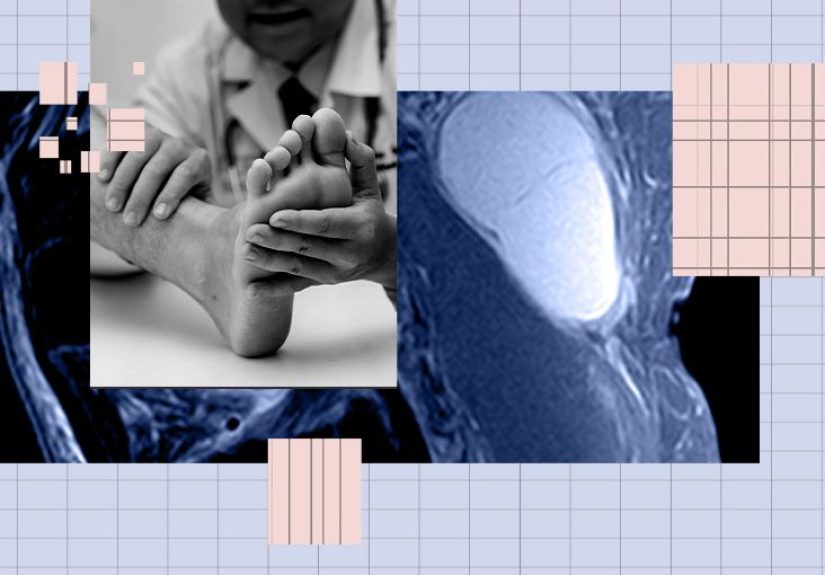
How cysts typically look in pictures
While actual cyst pictures can range from “barely noticeable” to “definitely not for the squeamish,” most share a few visual themes:
- Skin cysts: Round, dome-shaped bumps under normal or slightly red skin. Some have a visible central pore.
- Ganglion cysts: Smooth swelling near a joint, often more obvious when the joint is flexed.
- Baker’s cysts: Bulge behind the knee, more visible when standing.
- Ovarian and kidney cysts: Typically seen on ultrasound or CT as dark (fluid-filled) circles or ovals inside the organ.
Medical imagingespecially ultrasound and MRIis crucial for deeper cysts because it shows size, location, and whether the structure is
more likely to be benign or suspicious.
Symptoms: when a cyst makes itself known
Some cysts are quiet roommatesthey’re there, but you’d never know. Others are more demanding and show up with symptoms such as:
- A noticeable lump or bump under the skin
- Pain or tenderness, especially when pressed
- Redness, warmth, or swelling if inflamed or infected
- Restricted movement (for joint-related cysts)
- Pelvic pain, bloating, menstrual changes (for ovarian cysts)
- Urinary changes or flank pain (for kidney cysts, especially if large or numerous)
Red-flag symptoms that need urgent care include sudden severe pain (especially in the lower abdomen), high fever, rapid swelling,
or any signs of a serious infection.
What causes cysts?
Cysts form for many reasons, depending on the type and location. Common mechanisms include:
- Blocked ducts or glands: When oil, sweat, or salivary glands get plugged, fluid builds up and forms a sac.
- Injury or irritation: Trauma to the skin, joints, or tissues can lead to cyst formation.
- Developmental issues: Some cysts (like dermoid cysts) form before birth when tissues get “trapped” as the body develops.
- Hormonal changes: Many ovarian cysts are tied to normal cycles of ovulation.
- Genetic conditions: Disorders such as polycystic kidney disease run in families and cause multiple cysts.
- Underlying diseases: Chronic inflammation, arthritis, or endometriosis can be associated with certain cysts.
How doctors diagnose cysts
Diagnosis usually starts with a history and physical exam. Your clinician may:
- Ask when you noticed the lump and whether it has changed over time
- Check for tenderness, size, and mobility (how easily it moves under the skin)
- Shine a light through it (transillumination) if it’s close to the surface
For deeper or unclear lesions, they may order:
- Ultrasound – great for ovarian, kidney, breast, and many soft-tissue cysts.
- CT or MRI scans – used for complex or internal cysts (e.g., in the brain or abdomen).
- Biopsy or removal – if there’s any concern about cancer or if the lump has atypical features.
Sometimes a mass that looks like a cyst turns out to be something else (like a solid tumor), which is why professional evaluation is
so important before assuming it’s “just a cyst.”
Treatment options for cysts
Treatment depends on the type of cyst, its size, where it is, and how much it bothers you.
Watchful waiting
Many small, painless cysts can simply be monitored. This is especially true for:
- Small epidermoid cysts that aren’t inflamed
- Functional ovarian cysts that are expected to resolve on their own
- Simple kidney cysts without symptoms or impact on kidney function
Your provider might schedule follow-up visits or imaging to make sure nothing changes in a concerning way.
Home care (with limits)
For inflamed skin cysts, doctors sometimes recommend:
- Warm compresses to help reduce discomfort
- Over-the-counter pain relievers if needed
What they don’t recommend is squeezing, popping, or cutting into cysts yourself. That’s a fast track to infection,
scarring, and sometimes a much bigger problem than the original bump.
Drainage and in-office procedures
For cysts that are painful, infected, or cosmetically bothersome, clinicians may:
- Incise and drain – make a small cut, empty the contents, and sometimes pack or dress the area.
- Aspirate – use a needle to withdraw fluid (common for some breast or ganglion cysts).
- Corticosteroid injection – to reduce inflammation in certain cysts.
Drainage alone can sometimes allow a cyst to come back, especially if the cyst wall (the “balloon”) remains. That’s where surgical removal comes in.
Surgical removal
When cysts are recurrent, large, or suspicious, surgery may be recommended. Depending on the type, this might be:
- Minor outpatient skin surgery for epidermoid, sebaceous, or small dermoid cysts
- Arthroscopic or open surgery for ganglion or Baker’s cysts associated with joint problems
- Laparoscopic surgery for certain ovarian cysts
- More complex procedures for cysts in organs like the brain or liver
Surgeons typically remove the entire cyst wall to reduce the risk of recurrence and may send the tissue to the lab to confirm it’s benign.
Prevention and self-care tips
You can’t prevent every cyst (bodies will do what bodies do), but a few habits may reduce your risk in some cases:
- Use gentle skin care and avoid picking at acne or bumps.
- Wear appropriate protective gear to reduce joint injuries that might lead to ganglion or Baker’s cysts.
- Manage underlying conditions such as arthritis, endometriosis, or chronic kidney disease with your provider.
- Attend routine checkups and recommended screenings so cysts are caught early and monitored appropriately.
When to see a doctor about a cyst
It’s a good idea to get medical advice if you notice:
- A new lump that wasn’t there before
- Rapid growth of an existing lump
- Persistent pain, redness, or warmth
- Fever or feeling unwell with a lump
- Changes in your menstrual cycle or pelvic pain (for possible ovarian cysts)
- Unexplained swelling that limits movement
Seek urgent or emergency care if you have:
- Sudden, severe abdominal or pelvic pain
- Signs of a serious infection (high fever, chills, spreading redness)
- Difficulty breathing, chest pain, or other severe systemic symptoms
Remember: even though most cysts are benign, only a trained clinician can confidently tell the difference between a harmless cyst and
something that needs more aggressive treatment.
Living with cysts: what it’s really like
For many people, “having cysts” becomes just another part of their health story. Some individuals get occasional skin cysts that crop up
after ingrown hairs or acne. Others live with chronic conditions like polycystic kidney disease or endometriosis-related ovarian cysts,
where cysts are part of a larger medical picture.
Emotionally, cysts can be surprisingly stressful. Even if your clinician calmly says, “This looks benign,” the word lump has
a way of echoing in your mind. It’s completely normal to feel anxious and to want a second opinion, more imaging, or extra reassurance.
Open communication with your healthcare team is key; asking questions doesn’t make you difficultit makes you informed.
Many patients find that once they understand what type of cyst they have, what it looks like on imaging, and what the follow-up plan is,
their anxiety drops dramatically. A clear planwhether that’s “we’ll just monitor this” or “we’ll remove it next month”turns a vague worry
into something concrete and manageable.
Experiences and practical perspectives on cysts (extra insights)
Beyond the clinical definitions, living with cysts is a very human experience. People often describe three big stages:
the “what is that?” moment, the “is this serious?” spiral, and finally the “okay, here’s the plan” stage.
Imagine someone noticing a pea-sized bump on the back of their neck while shampooing. At first, it’s just curious. Over the next few weeks,
though, they keep checking it. Did it get bigger? Is it sore now? Late at night, online searches can turn a small, benign epidermoid cyst
into a terrifying list of worst-case scenarios. This is where a quick visit to a primary care provider or dermatologist can make a huge
difference. A short exam might confirm it’s a common skin cyst, explain the options (leave it alone versus remove it), and instantly
dial down the stress.
Another common story involves ganglion cysts on the wrist. Someone who works at a computer all day might notice a tender bump that hurts
when they bend their wrist or do push-ups. They may worry about arthritis, tendon damage, or even bone injury. Imaging can show that it’s
just a fluid-filled sac from the joint capsule. Treatment might range from splinting and activity changes to aspiration or surgical
removal. Many people are relieved to know that the bump is not dangerous, even if it’s annoying.
Ovarian cysts often come with a different emotional weight. Pelvic pain or a finding on ultrasound can spark concerns about fertility,
hormones, and the possibility of cancer. Here, a thoughtful explanation of the type of cyst (for example, a functional cyst versus a
complex one) and a clear monitoring or treatment strategy go a long way. Patients frequently describe feeling more in control once they
understand that many ovarian cysts are part of normal ovulation and that follow-up imaging is routine, not a sign of doom.
People living with chronic cyst-related conditions, like polycystic kidney disease or recurring skin cysts, often develop their own
practical routines: keeping regular appointments, tracking symptoms, and learning what triggers flares or discomfort. Some notice that
certain physical activities aggravate joint cysts, so they adjust their workouts. Others learn that consistent skin care and not picking
at bumps helps prevent infections and scars.
One recurring theme in many personal accounts is the importance of not ignoring new or changing lumps just because “the last one was
benign.” Cysts can behave differently over time, and new lumps may not be cysts at all. People who get into the habit of checking in
with their doctor when something feels off tend to catch problems earlier and avoid major complications.
Finally, it’s worth acknowledging the cosmetic and social side. A cyst in a very visible placelike the face, neck, or handcan affect
self-confidence even if it’s medically harmless. Many patients describe feeling self-conscious in photos or in social situations,
which is a completely valid reason to talk about removal. Medicine isn’t just about survival; it’s also about quality of life.
If a simple procedure can safely remove a cyst and help someone feel more comfortable in their own skin, that’s a meaningful outcome.
In short, cysts are common, often harmless, and very manageablebut they’re also personal. Combining reliable medical information with
your own lived experience, values, and preferences is the best way to decide what to do next. And if there’s one golden rule, it’s this:
don’t self-diagnose, don’t self-surgery, and don’t be afraid to ask questions. Your future self (and your skin, ovaries, kidneys, and joints)
will thank you.
Bottom line
Cysts are incredibly common and usually benign, but they’re not something to completely ignore. Understanding the different types,
how they look, what symptoms they cause, and how they’re treated can turn a worrying “mystery lump” into a manageable medical issue.
When in doubt, get it checked outan informed conversation with your healthcare provider is always better than guessing.