Table of Contents >> Show >> Hide
- Why the “Which Quidditch Position Would I Play?” Quiz Is So Popular
- A Quick Refresher on Quidditch Positions
- What This Harry Potter Quiz Is Actually Measuring
- Mini Quiz: Which Quidditch Position Fits You Best?
- Your Result, Explained
- Famous Harry Potter Examples That Match Each Position
- Why Your Quidditch Position Says More About You Than You Think
- The Experience of Taking a “Which Quidditch Position Would I Play?” Harry Potter Quiz
- Conclusion
If you have ever watched a Quidditch match in the Harry Potter universe and thought, “Honestly, I would either catch the Snitch in dramatic slow motion or get distracted by the crowd and fly straight into a hoop,” you are in the right place. The question “Which Quidditch position would I play?” is one of those gloriously nerdy, weirdly revealing fandom questions that feels lighthearted on the surface but ends up saying a lot about your personality.
Are you the fearless type who thrives under pressure? The strategic team player who keeps the whole game moving? The defender who does not panic when chaos arrives on a broomstick? Or the human version of a flying elbow who exists to protect teammates and ruin the other side’s day? In other words: are you a Seeker, Chaser, Keeper, or Beater?
This Harry Potter Quidditch quiz guide breaks down what each role really means, how quiz answers usually connect to each position, and why your results are often more accurate than you would like to admit. Because a good fandom quiz is not just internet fluff. It is internet fluff with suspiciously good instincts.
Why the “Which Quidditch Position Would I Play?” Quiz Is So Popular
Harry Potter fans love sorting systems. Hogwarts House quizzes, wand quizzes, Patronus quizzes, and character quizzes all tap into the same irresistible question: who would I be in this world? A Quidditch position quiz works especially well because it blends personality with action. It is not only about who you are. It is about how you behave when things get fast, competitive, and mildly dangerous.
That is part of the fun. Quidditch is not some quiet little board game played beside the fire with tea and polite applause. It is a wild aerial sport with speed, risk, strategy, split-second decisions, and enough flying traffic to make any insurance company collapse on the spot. Each position serves a different purpose, so each result feels distinct. A Seeker has a very different energy than a Beater, and a Keeper does not think like a Chaser.
That makes the quiz more than a random fandom gimmick. It becomes a personality lens. The result you get often reflects how you respond to pressure, how you work with people, and whether your natural instinct is to attack, defend, guide, or obsess over one tiny moving target while everyone else is busy screaming.
A Quick Refresher on Quidditch Positions
Before taking any Harry Potter Quidditch quiz, it helps to know what the positions actually do. Otherwise, you might answer every question like a future Seeker when you are really giving strong “organized Keeper who keeps everyone alive” vibes.
Chaser
Chasers are the playmakers. They move the Quaffle down the field, pass between teammates, and try to score by sending the ball through one of the three hoops. If you love teamwork, momentum, creativity, and high-energy offense, this role usually fits like a custom robe. Chasers need speed, coordination, awareness, and trust. They are often the people who can read the room, improvise quickly, and keep things flowing when others freeze.
Beater
Beaters are the protective chaos managers. Their job is to control the Bludgers and use them to disrupt the opposing team while defending their own side. This is not a subtle role. If Chasers are chess players, Beaters are the ones knocking over the chessboard and then claiming it was tactical. The best Beaters are brave, loyal, alert, and not easily rattled. They are often the friends who say, “I’ve got this,” right before doing something intense, effective, and a little unhinged.
Keeper
Keepers guard the hoops and stop the other team from scoring. This role requires concentration, patience, resilience, and nerves of steel. Keepers do not always get the glory, but when they do their job well, everybody notices. They are often dependable, observant, and willing to absorb pressure for the good of the team. If your natural instinct is to stabilize a situation instead of chase attention, Keeper may be your calling.
Seeker
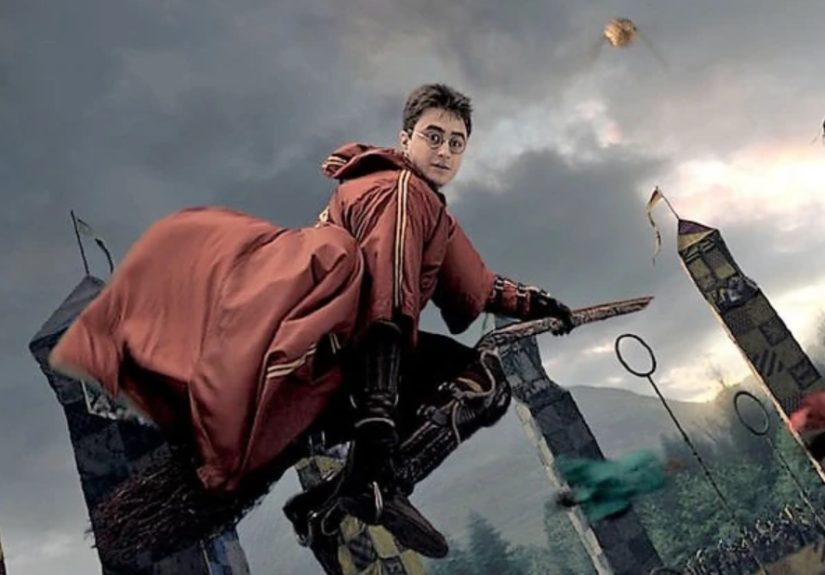
Seekers hunt the Golden Snitch, a tiny, fast-moving ball worth a massive number of points that can end the match when caught. This role is iconic for a reason. The Seeker must be focused, instinctive, brave, and mentally tough enough to ignore everything except the one thing that matters most. If you are sharp-eyed, competitive, independent, and a little dramatic in the best possible way, you may be built for Seeker life.
What This Harry Potter Quiz Is Actually Measuring
A strong Which Quidditch Position Would I Play quiz is not really asking whether you can ride a broom at 100 miles per hour. It is measuring patterns in your behavior. The best quiz questions usually focus on four core traits: how you handle pressure, how you interact with a team, how quickly you make decisions, and where your attention naturally goes in a high-stakes situation.
For example, imagine a quiz asks what you do in a crisis. If your answer is “protect the people around me first,” that leans toward Beater or Keeper. If your answer is “spot the one key move that changes everything,” that leans Seeker. If your answer is “coordinate the group and keep everyone moving,” that sounds very Chaser.
In other words, the quiz is less about fantasy sports and more about your leadership style, risk tolerance, focus, and social instincts. That is why the result can feel unexpectedly personal. You came for broomstick fun and ended up in a personality assessment wearing house colors.
Mini Quiz: Which Quidditch Position Fits You Best?
Here is a quick version of the quiz logic many fandom readers love. Read each question and choose the answer that feels most like you.
- When a group project starts falling apart, what is your move?
A. I pull people together and keep the work moving.
B. I protect the group from problems and outside pressure.
C. I take the critical point of failure and guard it carefully.
D. I focus on the one breakthrough that could save the whole thing. - What kind of praise means the most to you?
A. “You kept the team in sync.”
B. “You had our backs.”
C. “You were rock solid.”
D. “You saw what nobody else saw.” - Your ideal competitive style is:
A. Fast, collaborative, and clever.
B. Aggressive, protective, and fearless.
C. Controlled, disciplined, and calm.
D. Focused, bold, and instinctive. - What annoys you most?
A. Bad teamwork.
B. People taking cheap shots at my friends.
C. Sloppy mistakes.
D. Missing an opportunity because others were not paying attention. - If you were on a sports team, you would rather be known as:
A. The engine.
B. The enforcer.
C. The wall.
D. The game changer. - How do you make decisions?
A. I read people and adapt fast.
B. I act quickly and trust my instincts.
C. I stay measured and think defensively.
D. I tune out noise and lock onto the target.
Mostly A answers: You are probably a Chaser.
Mostly B answers: You are likely a Beater.
Mostly C answers: You sound like a Keeper.
Mostly D answers: Congratulations, you have powerful Seeker energy.
Your Result, Explained
If You Got Chaser
You are dynamic, social, and good at turning motion into results. Chasers are often the people who understand rhythm: when to push, when to pass, when to trust someone else, and when to take the shot themselves. If this is your result, you likely enjoy collaboration but do not disappear inside the group. You like momentum. You like options. You like seeing several steps ahead without becoming emotionally attached to only one plan.
In everyday life, Chaser personalities are often the people who keep conversations alive, projects moving, and friend groups functional. You are adaptable, energetic, and rarely boring. You may also have a slight tendency to overbook yourself because your brain keeps saying, “Yes, I can absolutely do seventeen things at once.” Charming. Risky. Very Chaser.
If You Got Beater
You are protective, bold, and probably not afraid of conflict when it matters. Beaters are not just aggressive for fun; at their best, they are guardians. They watch the field, anticipate danger, and step in when things get rough. If you got this result, you likely care deeply about your people and have little patience for nonsense directed at them.
Beater energy often belongs to people who are blunt but loyal, funny but intense, and surprisingly strategic under pressure. You may look chaotic from the outside, but there is usually a strong inner code behind what you do. You are not picking fights for entertainment. You are managing threats. Loudly, perhaps. But effectively.
If You Got Keeper
You are reliable, steady, and more resilient than people realize. Keepers do not always receive the same flashy attention as Seekers, but every team depends on them. If this is your result, you are probably the person others trust when things get serious. You do not need constant applause. You need things to work.
Keeper personalities tend to be calm under pressure, perceptive, and quietly competitive. You might not chase the spotlight, but you do not crumble in it either. In real life, this often shows up as emotional steadiness, practical leadership, and an ability to recover after setbacks without becoming theatrical about it. Which is noble, honestly, because some people treat a minor inconvenience like a full Ministry inquiry.
If You Got Seeker
You are focused, intuitive, and wired for high-stakes moments. Seekers often combine patience with sudden action. They can wait, observe, and then move at exactly the right second. If you got this result, you likely notice details others miss and feel energized by challenge rather than overwhelmed by it.
Seeker personalities are often independent, ambitious, and highly driven. You may enjoy working with others, but you also trust your own instincts when the pressure rises. Sometimes this can make you look intense. That is because you are intense. Not in a bad way. In a “found the target and forgot the rest of the universe existed” way.
Famous Harry Potter Examples That Match Each Position
Part of what makes this quiz so satisfying is that each role has memorable examples in the wizarding world. Harry Potter is the obvious Seeker example: quick reactions, natural flying talent, and a strong instinct for locking onto the one thing that matters most. Oliver Wood is a classic Keeper type, intense about structure and absolutely dedicated to the game. Fred and George Weasley embody Beater energy with fearless protection, comic timing, and a clear taste for tactical mayhem. Chaser energy shows up beautifully in players like Angelina Johnson, Alicia Spinnet, Katie Bell, and later Ginny Weasley, all of whom bring speed, awareness, and offensive intelligence to the pitch.
These examples matter because they show that no position is “the boring one.” Fans often default to Seeker because it feels glamorous, but a well-built team needs every role. In fact, many readers discover that the position they want is not the position that actually fits them best. That is the magic of a good quiz result. It does not flatter you. It identifies you.
Why Your Quidditch Position Says More About You Than You Think
The best fandom quizzes work because they connect fantasy to real behavior. A Quidditch position is not just a sports label. It reflects how you move through life. Are you someone who creates momentum? Shields others? Holds the line? Spots the one opening everyone else misses?
That is why this quiz keeps showing up in Harry Potter fan spaces. It offers a clean, entertaining way to explore identity without sounding too serious. But beneath the broomsticks and magical balls, it is really about temperament. Your answer reveals what role you naturally play in group dynamics, conflict, ambition, and even friendship.
So when you ask, “Which Quidditch position would I play?” you are also asking a sneakier question: What kind of person am I when it counts? And that, dear reader, is why this quiz has more staying power than half the internet’s personality tests combined.
The Experience of Taking a “Which Quidditch Position Would I Play?” Harry Potter Quiz
There is something oddly delightful about taking a Quidditch position quiz for the first time. You click in expecting pure fandom fluff, maybe a few silly questions, and perhaps a result you can screenshot and send to friends with far too much confidence. Then, somewhere around question four, the quiz starts dragging your actual personality into the conversation. Suddenly you are not choosing between broomstick vibes. You are making tiny confessions about how you deal with pressure, whether you like the spotlight, and how likely you are to body-check a problem instead of talking it through.
That is what makes the experience so entertaining. A good Harry Potter quiz feels playful, but it also feels personal. One question asks how you react in a crisis. Another asks whether you prefer teamwork or solo focus. Another asks whether you are more likely to defend a friend, organize a plan, take the final shot, or wait for the perfect moment. Before long, you realize the quiz creator has quietly built a personality profile and disguised it with broomsticks. Respectfully, that is a little rude. Also extremely effective.
It also helps that Quidditch positions are emotionally easy to picture. Even casual Harry Potter fans know that the Seeker has dramatic main-character energy, the Keeper carries responsibility, the Chaser drives the action, and the Beater protects the team while causing strategic panic. That means the result lands fast. You do not have to spend ten minutes deciphering vague personality jargon. If the quiz says you are a Beater, you instantly get the point. If it says Seeker, you probably nod and think, “Yes, I do in fact obsess over one thing until the rest of reality disappears.”
The social part is fun too. Quidditch quizzes are made for comparison. Friends take the same quiz, argue over the results, insist somebody was robbed, and immediately start assigning each other positions anyway. The organized friend gets labeled Keeper before the quiz even loads. The chaotic loyal one is obviously a Beater. The person who always notices the one hidden detail is stamped Seeker without appeal. And the friend who can keep a whole group moving, talking, and functioning becomes the Chaser almost by default. In that sense, the quiz becomes less of a test and more of a conversation starter with extra wizarding flair.
For longtime fans, there is also a layer of nostalgia. Taking a Harry Potter Quidditch quiz brings back the thrill of first discovering the sport in the books and movies: the speed, the danger, the house pride, the absurd scoring system, and the general sense that nobody at Hogwarts had ever heard of a liability waiver. The quiz lets fans step into that world again, but this time as participants instead of spectators. It invites the question every fandom loves most: not just “What happened?” but “Where would I fit?”
That is the real experience in a nutshell. It is funny, nostalgic, revealing, and just competitive enough to make the result feel weirdly important. You may take it for entertainment, but you remember it because the answer usually rings true. And once you know your Quidditch position, it becomes the kind of fandom fact that follows you around forever. Not your name. Not your job. Not your tax bracket. Just your deeply important spiritual identity as a Chaser, Keeper, Beater, or Seeker. As it should.
Conclusion
The charm of the Which Quidditch Position Would I Play? Harry Potter Quiz is that it combines fandom fun with real personality insight. Whether you turn out to be a daring Seeker, a creative Chaser, a fearless Beater, or a dependable Keeper, the result can tell you something meaningful about how you compete, connect, and respond under pressure.
And that is why this quiz keeps flying back into fan conversations. It is easy to take, fun to share, and surprisingly accurate when done well. So if you have been wondering where you belong on the pitch, here is your answer: not every fan is meant to chase the Snitch. Some are built to score, some to defend, and some to make sure nobody on their team gets flattened by a rogue Bludger. Every role matters. The only wrong answer is pretending you are a Seeker when your soul is clearly a beautifully overcommitted Chaser.