Table of Contents >> Show >> Hide
- What Makes Wings of Fire Art So Instantly Recognizable?
- The Official Art Style Behind the Series
- Why Wings of Fire Fan Art Keeps Growing
- How to Create Better Wings of Fire Art
- Popular Wings of Fire Art Ideas for Fans
- Why Wings of Fire Art Matters Beyond the Fandom
- Experiences With Wings of Fire Art: What the Creative Journey Feels Like
- Conclusion
If you have ever looked at a piece of Wings of Fire art and immediately thought, “Yep, that dragon has opinions,” then congratulations: you already understand why this corner of fantasy art has such a devoted following. The world of Wings of Fire is packed with dramatic wingspans, fierce expressions, tribal identities, glowing scales, and enough visual personality to keep sketchbooks busy for months. It is dragon art with attitude. Not just “big lizard with wings,” but “big lizard with a backstory, family trauma, and a favorite passive-aggressive facial expression.”
That is exactly why Wings of Fire art has become such a magnet for readers, fan artists, beginner illustrators, and collectors of official series artwork. The visual side of the franchise is more than decoration. It helps define the tribes, deepen the mood, and turn characters into instantly recognizable icons. Whether you love the polished official covers, the graphic novel adaptations, or the explosion of fan-made interpretations online, there is a lot to admire in how this dragon world has been translated into art.
In this guide, we will look at what makes Wings of Fire art so appealing, how the official visual style works, what aspiring artists can learn from it, and why fans keep returning to the series with pencils, markers, tablets, and the occasional heroic amount of glitter. Yes, glitter. Dragons would absolutely approve.
What Makes Wings of Fire Art So Instantly Recognizable?
The best fantasy art creates a world you can recognize in a heartbeat, and Wings of Fire dragon art does exactly that. Even when different artists interpret the characters in their own way, a few visual traits tend to stay consistent: strong silhouettes, tribe-based features, expressive faces, and dramatic motion.
Distinct Dragon Tribes Create Built-In Visual Variety
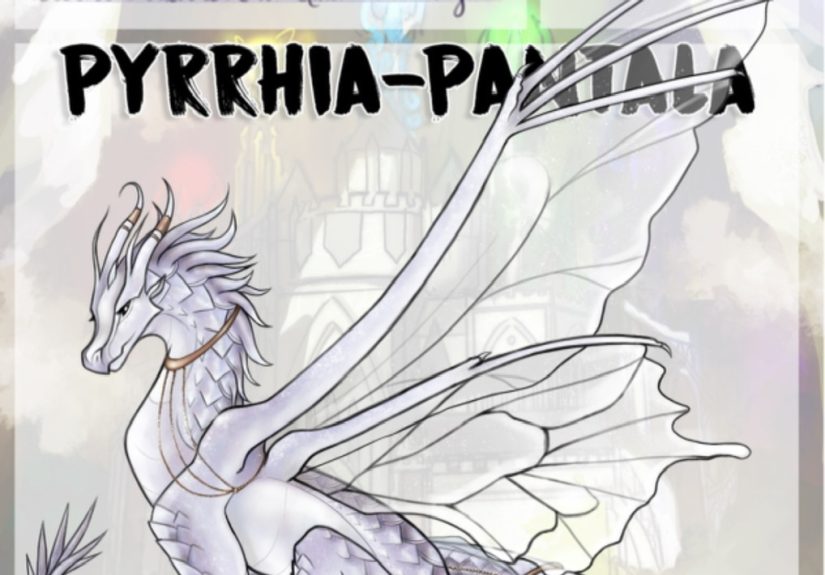
One of the biggest strengths of Wings of Fire art is that the series gives artists a rich visual system to play with. Each tribe has recognizable traits, which means artists are not drawing “a dragon” in the generic sense. They are drawing a SandWing, a RainWing, a NightWing, or a SeaWing with specific textures, shapes, colors, and personality cues. That makes every design choice feel more intentional.
For artists, this is pure creative fuel. A tribe-based design system gives you an instant framework for body shape, horn placement, wing structure, color palette, and mood. A sleek NightWing can feel mysterious and severe, while a RainWing can lean vivid, playful, and tropical. A MudWing often reads as sturdy and grounded, while an IceWing can look sharp, elegant, and intimidating. It is like being handed a fantasy fashion guide, except the models can breathe fire.
Expression Matters as Much as Anatomy
Another reason Wings of Fire character art works so well is emotion. These dragons are not stiff symbols perched on rocks for the sake of looking cool. They argue, panic, laugh, worry, challenge, sulk, and scheme. Their faces have to carry story beats, and good Wings of Fire art understands that emotion is not optional. It is the engine.
That is also why fan art thrives in this fandom. You do not need to draw a perfect wing membrane on your first try to create a piece that feels alive. If the pose has energy and the expression tells a story, viewers connect with it. In a lot of cases, personality lands before precision does.
Color Does Heavy Lifting
Color is another secret weapon. In fantasy illustration, color often sets the emotional temperature before the viewer reads a single word. Wings of Fire fan art uses this beautifully. Warm oranges, reds, and golds can make a dragon feel bold or dangerous. Cool blues and silvers can create a calm, eerie, or regal tone. Saturated tropical shades can make an image feel mischievous and alive.
And because the series already gives artists tribe-related visual cues, color becomes more than decoration. It becomes storytelling. A palette can hint at origin, mood, allegiance, conflict, or transformation. In other words, the colors are not just pretty. They are doing narrative cardio.
The Official Art Style Behind the Series
When people search for Wings of Fire art, they are usually responding to a mix of official art and fan creativity. The official visual identity has been especially important because it gives readers a shared mental image of the dragon world while still leaving room for interpretation.
Cover Art That Feels Cinematic
The official cover art associated with the series helped define its visual appeal early on. These covers are dramatic, polished, and cinematic without losing the emotional center of the books. Instead of treating dragons like generic fantasy wallpaper, the art presents them as individual characters with presence. The result is artwork that feels big, adventurous, and emotionally charged at the same time.
That matters more than it may seem. Great cover art invites readers into a world before the first chapter begins. In the case of Wings of Fire, the visual identity helped make the books feel collectible, memorable, and immediately browse-worthy. Some series get remembered for their titles. This one also gets remembered for a dragon staring into your soul from the cover.
Graphic Novel Art Brings the World Into Motion
The graphic novel adaptations expanded that artistic identity in a different direction. Instead of a single dramatic image, the graphic format had to show dragons moving, reacting, fighting, joking, and filling page after page with visual storytelling. That is a much tougher job than drawing one cool pose and calling it a day.
Good graphic adaptation art has to simplify where needed, exaggerate emotion where helpful, and keep characters readable from panel to panel. In Wings of Fire graphic novel art, that means balancing dragon scale and action with clarity. Readers need to follow who is speaking, who is lunging, who is panicking, and who is about to make a very questionable decision. The art succeeds when it keeps the dragons expressive and readable without flattening the fantasy.
Activity Books Expand the Creative Universe
One of the smartest moves in the franchise’s visual development has been the expansion into official creative books and activities. The existence of a coloring book, a how-to-draw title, interactive activities, and art-focused products shows that Wings of Fire is not just a series people read. It is a world people want to make things inside of.
That is a huge clue to the keyword intent behind Wings of Fire art ideas. Fans are not only looking for finished illustrations. They are looking for participation. They want references, prompts, design inspiration, coloring pages, and step-by-step drawing help. The franchise has effectively encouraged readers to move from audience to artist, which is one reason the art culture around it feels so active.
Why Wings of Fire Fan Art Keeps Growing
Fandoms usually produce fan art when three things happen at once: the world is visually distinctive, the characters are emotionally memorable, and the community is enthusiastic enough to share interpretations. Wings of Fire checks all three boxes with impressive ease.
There Is Room for Personal Style
Some fandoms are so visually rigid that fan artists feel pressured to imitate one exact look. Wings of Fire fan art is more flexible. Artists can go painterly, comic-style, soft and dreamy, sharp and dramatic, cartoonish, realistic, or wildly decorative, and the work can still feel unmistakably connected to the series.
That flexibility keeps the fandom fresh. One artist may emphasize elegant anatomy and glowing detail. Another may lean into humor and over-the-top expression. Another may create tribal redesigns or alternate universe versions. Because the world has strong visual anchors, creativity can stretch without snapping the connection to the source material.
Dragons Are Fun to Design, Full Stop
Let us be honest: dragons are already a strong sell. Add named tribes, visual lore, emotional storylines, and collectible character appeal, and you have a fandom that naturally attracts artists. People love drawing wings, horns, claws, glowing eyes, jewelry, scars, flames, and dramatic poses. They also love inventing original characters, and Wings of Fire practically invites that.
This is where the fandom becomes especially sticky. Once artists start making tribe-inspired original dragons, they are not just illustrating the books. They are world-building alongside them. That is a powerful creative loop.
How to Create Better Wings of Fire Art
If you want to make your own Wings of Fire drawings, the good news is that you do not need to begin at “professional fantasy illustrator who owns twelve mysterious brushes in a premium app.” You can start with observation, practice, and a willingness to redraw wings multiple times without declaring war on your sketchbook.
Start With Shape Language
Before worrying about tiny details, focus on the big shapes. Ask yourself what makes the dragon’s silhouette readable. Are the horns curved or spiked? Is the neck thick or sleek? Are the wings broad, torn, delicate, or angular? A strong silhouette helps your art look intentional even before you add scales or color.
Use Tribe Traits, But Do Not Overcrowd the Design
It is tempting to throw every cool feature into one drawing: giant horns, huge frill, glowing scales, jewelry, battle scars, five kinds of spikes, and enough accessories to make a fantasy costume designer cry. Resist a little. The best designs usually have a clear hierarchy. Pick two or three standout features and let them lead.
That is especially useful for Wings of Fire OC art. Original characters are more memorable when the design feels focused rather than overloaded. Think signature, not traffic jam.
Pose for Story, Not Just for Symmetry
A perfectly centered dragon standing stiffly can look nice, but storytelling often happens in motion. Try poses that show attitude: leaning forward, curling the tail, half-opening the wings, lifting the chin, glancing back, or gripping a ledge. Those choices instantly make a piece feel more alive.
Story-based posing is one of the easiest upgrades for beginner artists. It turns a dragon from a diagram into a character.
Choose a Palette With Intent
For Wings of Fire digital art or traditional illustrations, decide what emotional effect you want before picking colors. Do you want the piece to feel regal, dangerous, lonely, chaotic, playful, or hopeful? Color can guide the viewer there fast. Use contrast to highlight important features, and avoid muddying the design with too many competing bright tones.
Popular Wings of Fire Art Ideas for Fans
If you are staring at a blank page and waiting for inspiration to descend like a wise dragon from the heavens, here are a few dependable directions:
Character Portraits
Portraits are one of the easiest ways to focus on expression, markings, and personality. A strong head-and-shoulders drawing can say a lot without requiring a full action scene.
Tribe Redesign Sheets
Many artists enjoy making design sheets that explore how different tribes might look in their own style. This is a great exercise for learning visual consistency.
Scene Illustrations
Scenes allow you to combine character emotion with environment, lighting, and narrative tension. They are harder, but they also tend to be the most memorable.
Original Characters and Hybrid Concepts
OC designs remain hugely popular because they let fans participate directly in the world. Hybrids, alternate palettes, royal designs, and battle-worn variations all offer rich possibilities.
Craft and Decorative Projects
Wings of Fire art is not limited to drawing. Coloring pages, window art, printable activity sheets, themed crafts, ornaments, and paper projects have become part of the broader creative appeal of the series. That matters because art fandoms grow faster when people can make something even if they are not confident illustrators yet.
Why Wings of Fire Art Matters Beyond the Fandom
It would be easy to dismiss all this as “just fan art,” but that would miss the point. Wings of Fire art is a strong example of how visual storytelling can extend a book series beyond the page. It helps readers interpret character identity, explore emotion, learn drawing skills, and build creative confidence through participation.
For younger artists especially, this matters a lot. A fantasy series that invites drawing, coloring, crafting, and comic-making does more than entertain. It gives readers permission to create. That kind of invitation can be the bridge between “I like this series” and “I want to make art too.” And sometimes that bridge starts with one messy dragon sketch and a suspiciously overworked eraser.
Experiences With Wings of Fire Art: What the Creative Journey Feels Like
There is a very specific experience that comes with making Wings of Fire art, and fans tend to recognize it instantly. It usually starts with excitement, quickly runs into panic somewhere around the wing anatomy, and then circles back to determination after a snack break. The process is half inspiration, half trial and error, and all of it is strangely fun.
At first, many artists get hooked by a single character design. Maybe it is the cool menace of a NightWing, the bright palette of a RainWing, or the crisp elegance of an IceWing. You open your sketchbook thinking, “I’ll just do a quick drawing.” Three hours later, you are debating whether the horns should curve more dramatically and whether this dragon looks noble or like it just heard a rude comment from across the cave.
That is part of the charm. Wings of Fire art invites obsessive little decisions, but in a good way. Fans are not only drawing dragons. They are translating personality into shape, posture, and color. A lifted brow ridge can make a character feel skeptical. A tucked wing can make the same character feel uncertain. A brighter palette can turn a fierce design into something more playful. You start noticing that every line choice changes the story.
Another common experience is the thrill of improvement. Dragons can be tricky, especially if you are new to drawing animals, fantasy creatures, or anything with four legs, two wings, a tail, horns, and the emotional range of a Shakespearean cast. Early sketches may look awkward. One wing might be huge, the other wing might be on vacation, and the snout may resemble an enthusiastic shoe. Then, little by little, things click. The pose feels stronger. The silhouette reads better. The expression lands. Suddenly the dragon looks alive, and that moment feels amazing.
Coloring is its own adventure. Fans often discover that choosing the “right” palette for Wings of Fire dragon art is both thrilling and mildly dangerous. One wrong marker decision can turn “mysterious moonlit warrior” into “radioactive blueberry,” but when the colors work, the entire piece comes together fast. That is why coloring books, stained-glass-style projects, and digital painting are so appealing in this fandom. Color is not just the finishing touch. It is the mood, the identity, and sometimes the main event.
Perhaps the best part of the experience is sharing the work. Wings of Fire fan art tends to spark enthusiastic feedback because other fans understand the references immediately. They notice the tribe details, the character choices, the hidden story clues, and the dramatic expressions. Even a simple sketch can feel rewarding when someone says, “That absolutely looks like this character,” or “I love what you did with the wings.” In a world where the internet can occasionally behave like a grumpy scavenger, niche art communities can be refreshingly encouraging.
And then there is the wonderfully goofy side of it all. Sometimes the creative experience is serious and ambitious. Other times it is just drawing a dragon wearing earrings, glaring at destiny, and somehow looking fabulous. That balance is part of why the fandom stays artistically active. The world is rich enough for epic illustration, but playful enough for experimentation. You can make something cinematic, cute, weird, emotional, or gloriously overdramatic, and it still belongs.
In the end, the experience of creating Wings of Fire art is not just about getting a polished final image. It is about entering a visual world that makes you want to participate. It teaches observation, patience, design thinking, color choices, and storytelling. More importantly, it reminds artists that practice can feel exciting when the subject makes your imagination light up. That is the real magic here. Not just dragons on a page, but a creative spark that keeps coming back for one more sketch.
Conclusion
Wings of Fire art stands out because it combines vivid world-building, memorable character design, and an unusually inviting creative culture. The official art gives the series a strong visual identity, while the fan community keeps expanding that world through new styles, original characters, crafts, and illustrations. Whether you are studying the covers, exploring the graphic novels, coloring official pages, or sketching your own dragon tribe masterpiece, the appeal is the same: this is fantasy art that feels alive.
And that may be the real reason people keep coming back to it. Wings of Fire does not just ask readers to imagine dragons. It invites them to draw them, color them, redesign them, and obsess over them in the most delightful way possible. For artists and fans alike, that is a pretty powerful flame to keep lit.