Table of Contents >> Show >> Hide
- Why These Delivery Driver Texts Hit So Hard
- The Five Types of Delivery Driver Texts Everyone Recognizes
- Why the Weirdness Happens in the First Place
- Where Humor Ends and Safety Concerns Begin
- What Delivery Apps Are Trying to Do About It
- Why Customers Keep Sharing These Screenshots
- The Big Takeaway
- More Experiences Related to Delivery Driver Texts, Boundaries, and App-Era Awkwardness
Note: This article is written in clean web-publishing format and excludes source-code clutter, citation placeholders, and unnecessary artifacts.
Food delivery used to be gloriously simple. You called, somebody brought you a pizza, and the whole relationship ended at the front door with a mumbled “thanks.” Then apps arrived, and suddenly customers and drivers were connected by that most dangerous of modern inventions: the live text thread.
That tiny chat box has become the digital equivalent of a neighborhood peephole. Sometimes it is practical. Sometimes it is charming. And sometimes it is a full-speed sprint into “What on earth did I just read?” territory. That is exactly why a viral roundup of 44 real out-of-pocket texts from delivery drivers grabbed so much attention. People did not just laugh because the messages were weird. They laughed because they recognized the strange little social universe that delivery apps have created.
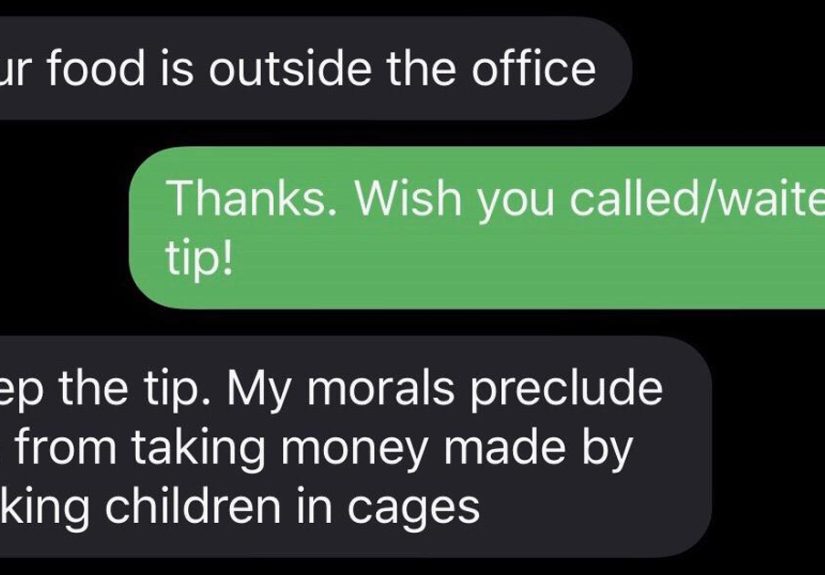
One minute, a driver is sending a goofy update that sounds like they swallowed three espressos and a stand-up comedy special. The next minute, somebody is oversharing, fishing for extra tips, flirting when nobody asked, or dropping a line so unsettling it makes your garlic knots taste faintly of danger. It is funny until it is not, and that tension is what makes these screenshots such irresistible internet fuel.
The viral appeal of these texts is not really about one awkward message or one overenthusiastic driver. It is about the odd intimacy of the app economy. Complete strangers can now watch each other on a map, exchange messages in real time, comment on homes, pets, yard signs, gate codes, and apartment mazes, and then disappear forever. That is a lot of access for people who, in most cases, will never meet again.
Why These Delivery Driver Texts Hit So Hard
The best of these messages are pure comedy. A driver notices a yard sign announcing a pregnancy and jokes that months earlier they might have delivered the test. Another snaps a drop-off photo that accidentally becomes performance art because a cat steals the frame. One driver sounds less like a courier and more like a cartoon sidekick, sending a cheerful update that lands with the energy of a game-show announcer. In those moments, the exchange feels wonderfully human.
That is the sweet spot: a little personality, a little silliness, and no crossed lines. Customers get a laugh, drivers break the monotony of the road, and everyone moves on with their burrito and dignity intact.
But the same setup can go sideways fast. The roundup also includes the kind of messages that make a customer stare at the screen and silently rethink every life choice that led to ordering mozzarella sticks at 11:47 p.m. There are texts that feel too personal, too demanding, too weirdly intimate, or too aggressive. Some come off as clumsy attempts at friendliness. Others feel like guilt trips, tip pressure, or boundary violations wearing a fake mustache labeled “just joking.”
That is what makes the title quote so memorable. “You have to be careful. I know your address” is not just odd. It lands with that uniquely modern chill of app-based familiarity. Even if it was meant as a joke, it highlights the biggest truth behind all these viral exchanges: when delivery goes off-script, the customer is suddenly reminded that convenience and vulnerability sometimes live on the same porch.
The Five Types of Delivery Driver Texts Everyone Recognizes
1. The accidental comedian
These are the messages that make the internet smile instead of panic. Think playful updates, dramatic ETAs, goofy drop-off notes, or delightfully unserious photos. A driver joking about flying through town like a superhero or sending a “nom nom nom” message while en route is ridiculous in the best possible way. These texts work because they feel spontaneous without becoming intrusive. They make the transaction feel a little less robotic.
2. The stressed-out narrator
Then there is the driver who sounds like they are one apartment gate away from entering a Shakespearean monologue. These messages often spill out when directions are bad, parking is impossible, elevators are locked down, or building numbers were apparently assigned by a committee of raccoons. Customers laugh at these because the frustration is so visible through the screen. Underneath the humor, though, there is a real reminder that “leave at door” is not always a simple mission.
3. The tip negotiator
This category is where the chuckles start getting awkward. Messages that hint for more money, complain about distance, mention low pay, or imply that a better tip might improve service tend to land badly. Even when customers sympathize with how hard delivery work can be, they usually do not want to feel like they have entered a live wage negotiation over pad thai. It turns a routine order into a tiny moral crisis with extra sauce.
4. The oversharer
Some messages feel like a diary entry escaped into the chat. A driver explains their entire night. Another gives too much detail about delays, bodily needs, bad moods, or life philosophy. One or two lines of context can be helpful. Four paragraphs about the universe while your fries cool off? Less ideal. These texts go viral because they are so wildly mismatched to the situation. Nobody expects an existential update with their milkshake.
5. The boundary bulldozer
This is where the mood changes. Flirty comments, demands to meet in person when contactless delivery was requested, repeated personal questions, or comments that make the customer feel watched can move from “weird” to “absolutely not” in seconds. A shirtless handoff, unsolicited compliments, or reminders that the driver knows where you live are not quirky. They are the digital equivalent of a record scratch.
Why the Weirdness Happens in the First Place
To be fair, delivery drivers are not operating inside a calm, elegant system designed by saints. They are working in a high-pressure environment that rewards speed, responsiveness, and constant movement. They are navigating traffic, waiting on restaurants, dealing with missing buzzers, dark porches, bad maps, confusing instructions, and customers who sometimes seem to think “third building on the left” is a complete address.
That pressure can produce two very different instincts. Some drivers go hyper-professional and keep messages crisp, brief, and useful. Others lean into personality because it helps them stand out, defuse delays, or soften the irritation of a late order. In moderation, that can work. Plenty of customers enjoy a funny update more than a cold copy-and-paste alert.
The trouble starts when personality becomes improvisational chaos. The app makes people feel as if they are having a casual private conversation, when in reality they are still in a work interaction. That confusion creates the perfect breeding ground for messages that are funny in hindsight and mortifying in real time.
There is another layer, too: gig work often lives in the blurry middle between service job and solo hustle. Drivers are expected to be efficient, polite, and fast, but they are also trying to manage ratings, tips, and time. That can encourage messaging that feels too eager, too apologetic, or too personal. It does not excuse the creepy stuff. It does explain why the chat box sometimes sounds like a collision between customer service training and unfiltered group-chat energy.
Where Humor Ends and Safety Concerns Begin
That is the real engine behind the popularity of these screenshots. They deliver two emotions at once. First comes laughter. Then comes the tiny internal alarm bell. The funniest delivery texts often sit right on that edge.
A joke about a customer’s yard sign? Probably harmless. A silly drop-off photo featuring the family cat? Weirdly delightful. A dramatic message about surviving traffic like a fallen action hero? Fine, as long as nobody is actually texting while driving. But the moment a driver pressures a customer to come outside, comments on appearance, lingers in the chat after the job is done, or makes a “joke” about knowing where someone lives, the exchange stops being content and starts being a concern.
That distinction matters because delivery apps feel intimate by design. Customers share home addresses, gate codes, schedules, and instructions like “please don’t knock, baby sleeping.” Drivers sometimes deliver late at night, to isolated homes, apartment stairwells, hotels, dorms, and office buildings. A message that would sound mildly awkward in a coffee shop can feel entirely different when it arrives from someone standing outside your front door.
It is also why so many people react strongly to even “small” boundary crossings. In a regular retail interaction, the employee does not usually have your address, your live location context, and a direct chat line. Here, they do. That changes the emotional math.
What Delivery Apps Are Trying to Do About It
Major delivery platforms know this tension exists, and their rules increasingly reflect that reality. They want communication to stay useful, brief, and safe. Messaging is supposed to help with substitutions, access issues, arrival updates, and practical delivery problems. It is not supposed to turn into harassment, intimidation, or amateur nightlife networking.
That is why platforms emphasize in-app communication, privacy protections, respect guidelines, and safety reporting. Some systems mask phone numbers. Some stress that the in-app channel is there to keep personal information protected. Others spell out community standards around respectful treatment, harassment, and safety. In other words, the apps themselves understand the obvious truth: the delivery chat is a tool, not an invitation to freestyle your personality until it ends up on the internet.
To be clear, most drivers are not the problem. Most deliveries are forgettable in the best possible way. Your order arrives, the food is there, the driver moves on, and nobody says anything memorable except maybe “thanks.” The reason the viral texts spread so fast is precisely because they are exceptions. They are the app-economy equivalent of seeing someone roller-skate into a board meeting. Rare, chaotic, and impossible not to discuss later.
Why Customers Keep Sharing These Screenshots
Part of it is simple entertainment. These texts are compact little stories with built-in tension and a clean punchline. They are perfect for social media because you can understand the entire drama in ten seconds flat. But there is also a social function at work here. When people post these exchanges, they are not just saying, “Look how weird this was.” They are also crowdsourcing the answer to a bigger question: was this funny, rude, creepy, or actually unacceptable?
The internet loves to act like judge, jury, and delivery tracker. A screenshot becomes a public referendum on modern manners. Was the driver charming? Was the customer too stiff? Was the joke clearly harmless? Or did it cross into behavior that should be reported? Those debates reveal how unsettled people still are about the etiquette of app-based service work.
That is why these posts travel so well. They are not only jokes. They are tiny case studies in digital boundaries.
The Big Takeaway
The funniest out-of-pocket delivery driver texts are popular because they expose the weird little theater of convenience culture. We want food fast, but we also want warmth. We want human service, but only in carefully measured spoonfuls. We like personality, until personality starts hovering too close to the hedges. We enjoy a joke, right up until the joke reminds us that a stranger has our address and is parked outside with our tacos.
That contradiction is the whole story. Delivery apps have made everyday transactions feel more personal, more immediate, and sometimes more awkward than old-school delivery ever was. A single text can turn a normal handoff into a comedy sketch, a customer-service fail, or a full-blown red flag.
So yes, these 44 real out-of-pocket texts are funny. Some are genuinely adorable. Some are bizarre enough to deserve a museum wing. And some are reminders that in the age of app-based everything, professionalism is not boring. It is the thing that keeps your dumplings from arriving with a side of dread.
More Experiences Related to Delivery Driver Texts, Boundaries, and App-Era Awkwardness
If there is one reason these delivery-driver screenshots keep spreading, it is because they mirror experiences people have already had, even if the exact details are different. One customer gets a message that feels like a sitcom line. Another gets one that feels like a hostage note written by somebody trapped outside a luxury apartment complex with no gate code and a fading faith in humanity. The emotional range is absurd.
Many people have had the harmless version. The driver who sends a goofy “on my way” update. The shopper who includes a funny photo of a replacement item like they are presenting a contestant on a game show. The courier who turns a rainy-night delay into a melodramatic dispatch from the front lines. Those interactions can actually improve the experience. They feel human, and in a service economy filled with automation, that can be refreshing.
Then there is the other version: the text that feels too familiar, too personal, or too loaded. Customers often describe a split-second calculation when they read something off. Do I ignore this? Do I answer politely so I do not escalate it? Do I report it? Was it a bad joke, or am I underreacting because I do not want to seem dramatic over a bag of takeout? That uncertainty is a huge part of why these exchanges linger in people’s minds long after the food is gone.
Drivers have their own uncomfortable experiences, too. They deal with customers who vanish after giving useless instructions, who demand miracles during rush hour, or who send rude messages as if the person delivering the order personally invented traffic, restaurant delays, and apartment complexes with seventeen unmarked entrances. A lot of bizarre delivery texts are really stress leaking through the keyboard from both sides.
And that is why the best lesson from all these viral screenshots is surprisingly simple. Good delivery communication should solve a problem, not create a new one. A quick heads-up, a practical question, a brief update, a polite thank-you: perfect. A comedy routine, a guilt trip, a flirtation, a lecture, or a threat: maybe let that one stay in the drafts. The app economy runs on speed, convenience, and trust. Once the chat breaks that trust, even a perfectly delivered meal can feel like the smallest part of the story.