Table of Contents >> Show >> Hide
- Secret #1: Pick the Right Plantand Give It the Right Light
- Secret #2: Water Deeply, Mulch Generously, and Fix Drainage Before It Fixes You
- Secret #3: Prune Like You’re Editing a MovieKeep the Good Stuff, Cut the Confusing Parts
- Secret #4: Feed Lightly, Support Smartly, and Troubleshoot Before Problems Become Personal
- Wrapping It Up: Big Snowballs, Less Drama
- Extra: Real-World Experiences That Make Snowball Hydrangeas Thrive (500+ Words)
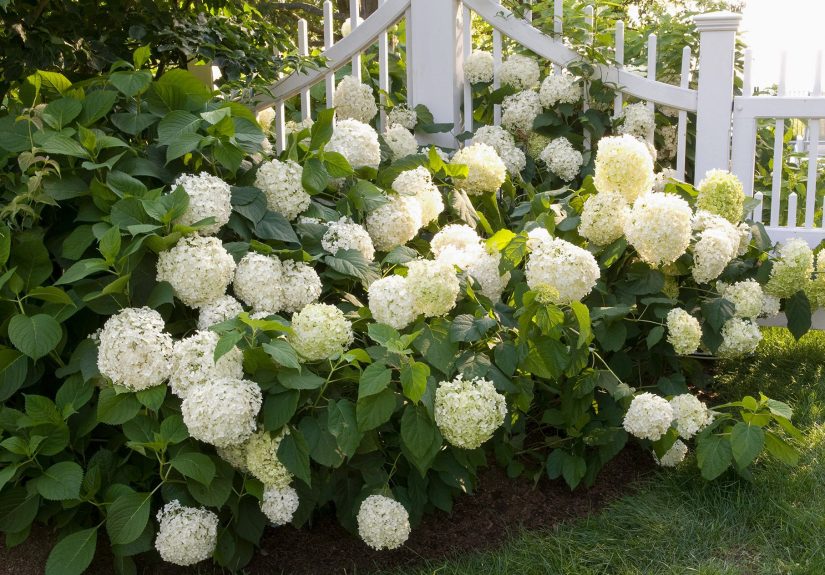
Snowball hydrangeas are the overachievers of the shrub world: huge white flower “pom-poms,” a long bloom season,
and the ability to make your front yard look like it hired a professional stylist. But they also have a talent for
dramaflopping stems, crispy leaves, and that one year they decide to bloom like they’re on strike.
The good news: most problems come down to four fundamentals. Nail these “secrets,” and you’ll get bigger blooms,
stronger stems, and a shrub that behaves like it’s grateful you pay the water bill.
Quick note on names: In the U.S., “snowball hydrangea” commonly refers to
Hydrangea arborescens (smooth hydrangea) cultivars with big round white bloomsthink ‘Annabelle’ and
similar types. People also confuse it with “snowball bush” (a viburnum), which looks similar but has different care.
This guide focuses on the hydrangea version, with a few “don’t mix these up” tips along the way.
Secret #1: Pick the Right Plantand Give It the Right Light
Start with the right “snowball”
If you want classic, baseball-sized white blooms, you’re usually looking at smooth hydrangea
(Hydrangea arborescens) selections. These are famously forgiving and tend to bloom reliably because
they flower on new wood (fresh growth made each season). Translation: one bad winter doesn’t
automatically cancel your summer show.
Meanwhile, “snowball bush” viburnum blooms earlier and can be fussier about timing and conditions. If your plant
blooms in spring and the flowers look more like layered lace balls than classic hydrangea clusters, double-check
what you bought before you follow any pruning advice.
Light is not “full sun or shade.” It’s a negotiation.
Snowball hydrangeas can handle more sun than many people think, but only if moisture is steady.
The goal is to balance bloom production with leaf health:
- Cooler regions: More sun is usually fine (and often encourages sturdier stems and heavier bloom).
- Hotter regions: Aim for morning sun + afternoon shade to prevent wilting and leaf scorch.
A practical rule: if your hydrangea looks perky at 9 a.m. but collapses like a folding chair at 3 p.m., it’s either
getting too much heat, not enough water, or both.
Examples that actually help
-
Example A (humid Southeast): Plant on the east side of the house for morning sun, shade after lunch,
and add a thick mulch ring to keep roots cool. -
Example B (Midwest with windy summers): Plant where it gets 6+ hours of sun, but out of the worst wind
so the heavy blooms don’t act like sailboats.
Pro tip: If you can’t decide between two spots, choose the one where you can water easily. Hydrangeas
love consistent moisture almost as much as they love being admired.
Secret #2: Water Deeply, Mulch Generously, and Fix Drainage Before It Fixes You
Watering: consistent beats heroic
Snowball hydrangeas aren’t “daily sprinkle” plants. They prefer deep, thorough soakings that encourage roots to grow
down instead of lounging at the surface like they’re at a pool party.
- Baseline: Plan for about 1 inch of water per week (rain + irrigation combined).
- Heat wave rules: In very hot, dry stretches, they may need up to ~2 inches/week.
- Best method: Soaker hose or drip line. Keep foliage drier to help reduce leaf-spot issues.
If you see frequent wilting, don’t panicbut don’t ignore it either. Repeated stress can mean fewer or smaller blooms,
weaker stems, and a shrub that starts acting like it’s doing you a favor.
Mulch: the cheapest “upgrade” you can buy
A 2–3 inch layer of mulch is not decorationit’s hydrangea insurance. It slows water loss, buffers soil
temperature, and helps prevent weeds from stealing moisture.
- Use shredded bark, pine fines, or composted leaves.
- Keep mulch a few inches away from the stems (no volcano mulchingyour hydrangea is not a tiki idol).
Drainage: the quiet deal-breaker
Hydrangeas want “moist,” not “swampy.” Poor drainage can invite root stress and rot, especially in rainy seasons or
heavy clay. If your planting hole holds water for hours after a soak, fix drainage before you plant:
- Amend wisely: Mix in organic matter across a wide area, not just the hole.
- Raise the bed: Even a modest mound improves root oxygen.
- Redirect runoff: Don’t plant where roof drip lines dump water (unless you love plant melodrama).
Soil basics (no PhD required)
Smooth hydrangeas adapt to many soils, but they do best in average, well-drained soil with steady moisture.
You don’t need to obsess over pH for white bloomsyour snowball hydrangea isn’t switching to blue because you
whispered “aluminum sulfate” at it.
Secret #3: Prune Like You’re Editing a MovieKeep the Good Stuff, Cut the Confusing Parts
First, identify what kind of hydrangea you actually have
Pruning is where most hydrangea heartbreak happens. The golden rule is simple:
prune according to whether it blooms on old wood or new wood.
- Smooth hydrangea (most “snowball hydrangeas”): blooms on new wood → late winter/early spring pruning is typically safe.
- Bigleaf hydrangea (mophead/lacecap): often blooms on old wood → prune right after flowering (and avoid late-season cutting).
When to prune snowball hydrangea (smooth hydrangea)
For classic snowball types like ‘Annabelle,’ the sweet spot is late winter to early spring, before
strong new growth takes off. You’re shaping the plant and encouraging vigorous new stems that will carry blooms.
How hard should you prune? Choose your adventure.
There’s no single “right” cut; there’s a “right for your goals” cut. Here are three realistic options:
-
Light shaping (best for mature, sturdy plants): remove dead wood, crossing stems, and shorten tall shoots
by 20–30% to maintain structure. -
Moderate renewal (great balance): cut stems back to about 12–18 inches. This often yields
big blooms without encouraging ultra-tall, floppy growth. -
Hard prune (big blooms, higher flop risk): cut close to the ground in late winter. This can rejuvenate
plants, but very large flower heads on fresh, fast growth may flop without support.
The “anti-flop” pruning strategy
If your snowballs routinely face-plant after a summer thunderstorm, try this:
- Skip the hardest prune for a year and do moderate renewal instead.
- Thin a little (remove a few older stems at the base) to improve airflow and reduce top heaviness.
- Prune for structure, not just height. A well-shaped shrub supports itself better.
Tools and technique (small habits, big payoff)
- Use sharp pruners and make clean cuts just above healthy buds.
- Remove dead stems firstthen step back and “read” the shape before you cut more.
- If disease was present last season, clean tools between cuts.
Think of pruning as storytelling: you’re removing the confusing subplots so the main character (those glorious
snowball blooms) gets all the screen time.
Secret #4: Feed Lightly, Support Smartly, and Troubleshoot Before Problems Become Personal
Fertilizer: don’t over-love it
Snowball hydrangeas usually don’t need heavy feeding. In many gardens, too much fertilizer creates lush leaves with
fewer blooms (the plant is basically bulking up instead of performing).
-
Simple plan: a balanced, slow-release fertilizer in spring is often enough. Some gardeners apply another
light feeding in early fall, depending on region and soil. - When to skip: if the plant blooms well and leaves look healthy, don’t fix what isn’t broken.
If you want to be extra precise, do a soil test and fertilize based on results. (Yes, it’s less exciting than buying
a new shrub, but it prevents “mystery problems” later.)
Staking and support: no shame in a little backup
Some snowball hydrangeas produce blooms so massive they bend stemsespecially when wet. Support is not a moral failing.
It’s just physics.
- Use a discreet grow-through ring or small peony cage in spring, before the shrub fills out.
- Place supports early; trying to cage the plant mid-bloom is like putting pants on a cat.
Common issues (and what they’re really saying)
- Wilting midday: often heat + water stress. Deep water early; improve mulch; consider more afternoon shade.
- Brown leaf edges: usually drought stress or hot sun scorch. Check irrigation coverage and soil moisture.
-
Leaf spots/powdery look: improve airflow, avoid wetting leaves, remove badly affected foliage,
and keep the area clean of fallen debris. -
No blooms: commonly wrong pruning timing (especially if it’s not a smooth hydrangea), too much shade,
or stress from drought.
Seasonal checklist (because busy people deserve flowers too)
- Early spring: prune (for smooth hydrangea), top up mulch, water if dry.
- Late spring/summer: deep water weekly, monitor for stress and disease, add support if needed.
- Late summer: avoid major pruning on old-wood types; keep watering during dry spells.
- Fall: clean up fallen leaves; keep mulch in place; water until the ground is close to freezing in cold regions.
The goal is a plant that’s hydrated, not soggy; fed, not stuffed; and pruned, not punished.
Wrapping It Up: Big Snowballs, Less Drama
Successfully growing snowball hydrangea isn’t about secret potions or whispering motivational quotes into the mulch
(though… no judgment). It’s about getting the fundamentals right:
- Match the plant to the lightand remember moisture changes the rules.
- Water deeply and mulch well so roots stay cool and consistent.
- Prune based on bloom type (new wood vs old wood) and shape for strength, not just size.
- Feed lightly and troubleshoot early so small problems don’t become seasonal tragedies.
Do those four things, and your shrub will reward you with those iconic white blooms that make neighbors slow down
in their cars like they’re on a garden tour.
Extra: Real-World Experiences That Make Snowball Hydrangeas Thrive (500+ Words)
In home landscapes, snowball hydrangea success often comes down to the unglamorous stuffwhere the hose reaches,
how fast your soil dries, and whether your “part shade” is actually “full sun with a brief cloud cover at 4:17 p.m.”
Gardeners who get consistent results usually develop a few habits that sound simple but work like magic.
1) The “two-day check” after planting
A common experience: you plant your hydrangea, water it thoroughly, admire it, and then assume it’s set for life.
Two days later it looks tired and droopy, and you start questioning your entire identity as a plant parent.
What’s happening is normal transplant adjustmentroots haven’t spread, and the surrounding soil can dry faster than
you expect. Many gardeners find that checking the root zone moisture every couple of days for the first few weeks
prevents that early stress spiral. The key isn’t daily watering foreverit’s consistent moisture while the root
system establishes. After that, you transition to deeper weekly soakings.
2) The mulch ring that quietly solves everything
People often report a noticeable difference the season they finally commit to a proper mulch ring. Not a thin “for looks”
sprinklea real 2–3 inch layer spread wide enough to cover the root zone. The plant wilts less, weeds back off, and the
soil stays cool during summer heat. The funniest part is how dramatic the improvement can be compared to the effort:
you do one sweaty afternoon of mulching and your hydrangea acts like you installed central air conditioning.
3) Pruning for strength instead of maximum bloom size
Another common story: a gardener hard-prunes a smooth hydrangea to get monster bloomsthen spends July rescuing floppy
stems after every rainstorm. Over time, many learn a more balanced approach: moderate renewal pruning (leaving 12–18 inches)
plus a little thinning for airflow. The blooms are still big, but the shrub holds itself better. When gardeners switch to
pruning for structure, they often say the plant looks more “shrubby” and less like a bouquet that fell over.
4) Learning the difference between “thirsty” and “too wet”
Hydrangeas are famous for wilting, which can trick people into overwatering. In real yards, the difference shows up in the soil:
dry soil feels dusty or lightly damp several inches down; overly wet soil feels heavy and stays cool and sticky long after watering.
Gardeners who check soil moisture below the surfacerather than judging by the top inchavoid the whiplash of drought stress
followed by soggy roots. If your plant wilts daily and the soil is consistently wet, the problem may be drainage or root stress,
not a lack of water.
5) The “storm-proof” setup
In regions with summer downpours, gardeners often swear by adding subtle support early in the season: a grow-through ring,
a peony hoop, or even three stakes with soft ties that guide the shrub outward. Done early, it’s nearly invisible by bloom time.
Done late, it becomes a wrestling match with a shrub that is now three feet wide and emotionally attached to its current shape.
The experience lesson is simple: support is easiest when the plant is still small.
6) A realistic expectation: year-to-year variation is normal
Even with perfect care, gardeners often notice that bloom size and timing can change from year to year. A colder spring may delay
growth; a heat wave can shrink bloom heads; heavy shade from a nearby tree that leafed out earlier than usual can reduce flowering.
The most successful growers don’t chase perfection every season. They keep the fundamentals steadylight, water, mulch, and the right
pruning windowand treat each year as feedback. When you do that, snowball hydrangeas tend to improve over time, with sturdier stems,
fuller branching, and more consistent flowering.
If there’s one “experienced gardener” takeaway, it’s this: snowball hydrangeas reward consistency. You don’t need fancy tricks.
You need steady water, smart pruning, and a mulch layer that makes the root zone feel like it lives in a spa.