Table of Contents >> Show >> Hide
- Why Cedar Plank Salmon Works So Well
- Step 1: Choose the Right Cedar Plank and the Right Salmon
- Step 2: Soak the Cedar Plank and Prep It Properly
- Step 3: Season the Salmon Without Overcomplicating It
- Step 4: Set Up the Grill for Controlled Heat
- Step 5: Grill the Salmon Until It Is Juicy, Not Overdone
- Common Mistakes That Ruin Cedar Plank Salmon
- What to Serve with Cedar Plank Salmon
- Final Thoughts
- Experience Section: What Cedar Plank Salmon Is Really Like Once You Start Making It Regularly
- SEO Tags
Grilling salmon on a cedar plank is one of those cooking moves that makes you look dramatically more competent than you may actually feel. The plank perfumes the fish with woodsy smoke, protects it from harsh direct heat, and helps keep the flesh tender instead of sad, dry, and vaguely disappointing. It is a simple technique, but like most simple techniques, the magic lives in the details.
If you have ever pulled salmon off the grill and wondered how it turned into expensive orange chalk, cedar plank cooking is your redemption arc. The method is forgiving, flavorful, and surprisingly easy once you understand the rhythm: soak, season, preheat, grill, and stop before you bully the fish into overcooked submission.
This guide breaks the process into five practical steps so you can grill cedar plank salmon with confidence, whether you are cooking a weeknight dinner, feeding weekend guests, or trying to impress people who judge meals by how dramatic the grill smells when the lid opens.
Why Cedar Plank Salmon Works So Well
Cedar plank salmon has stuck around for good reason. The wood adds aroma without overpowering the fish, and the plank creates a buffer between the salmon and the hottest part of the grill. Instead of sticking to grates or drying out over aggressive flames, the fillet gently roasts in a smoky, moist environment.
This method works especially well with salmon because salmon already has enough natural fat to stay rich and flavorful. When you pair that fat with cedar smoke, a little lemon, and a grill lid kept mostly closed, you get a meal that tastes like summer did its homework.
It is also flexible. You can cook a whole side of salmon for a crowd, smaller fillets for a family dinner, or individual portions if you want built-in serving sizes and fewer arguments at the table.
Step 1: Choose the Right Cedar Plank and the Right Salmon
Pick a food-safe plank, not a mystery board from the garage
Start with an untreated, food-grade cedar plank made specifically for grilling. This is not the time to get clever with leftover construction lumber. Wood intended for building may be treated, finished, or contaminated in ways you do not want anywhere near dinner. Buy grilling planks from a grocery store, grill shop, hardware store, or reputable online seller.
Cedar is the classic choice because it gives salmon a bold but pleasant smoky aroma. Other woods like alder, maple, cherry, and hickory can work too, but cedar remains the standard because it plays especially nicely with salmon’s rich flavor.
Choose a salmon cut that matches your goal
For the easiest win, choose a skin-on center-cut fillet or a whole side of salmon with the skin still attached. The skin adds a little structural support and helps protect the flesh from drying out. If you are serving a crowd, a whole side looks dramatic and cooks beautifully on a large plank. If you want faster cooking and easy portions, go with individual fillets.
Thicker, fattier salmon such as Atlantic or king salmon is generally more forgiving on the grill. Leaner salmon like sockeye can be fantastic too, but it needs closer attention because it can go from perfect to overdone in a hurry.
Before seasoning, run your fingers over the flesh and remove any pin bones with clean tweezers. It is a small step, but nobody wants a surprise skeleton cameo halfway through dinner.
Step 2: Soak the Cedar Plank and Prep It Properly
How long to soak a cedar plank
Soak the plank in water for at least 1 to 2 hours. Longer is fine. Some cooks soak for 4 hours or even overnight, but the key is simple: the plank should be saturated enough to smolder slowly instead of catching fire immediately like it has been holding a grudge.
Place a bowl, can, or other weight on top if the plank floats. Cedar has no respect for your schedule and will happily bob above the water unless you pin it down.
Can you soak it in something besides water?
Yes, but keep expectations realistic. Some people add apple cider, white wine, citrus juice, or a little salt to the soaking liquid. That can contribute a subtle aroma, but the main purpose of soaking is moisture control, not building a spa experience for the plank. Water alone works perfectly well.
Preheat the plank before the fish goes on
One of the smartest tricks in cedar plank grilling is to put the soaked plank on the hot grill for a few minutes before adding the salmon. Once the board begins to crackle, smoke, or lightly char, flip it if needed and add the fish. This jump-starts the smoky flavor and helps the plank do what it was invited to do in the first place.
Step 3: Season the Salmon Without Overcomplicating It
Salmon on a cedar plank does not need a crowded ingredient list. The wood already adds character, so your job is to support the fish, not bury it under a flavor parade.
Best seasoning ideas for cedar plank salmon
A simple combination of olive oil, kosher salt, black pepper, lemon, and fresh dill works beautifully. Dijon mustard and brown sugar are also popular because they create a balanced sweet-savory glaze that caramelizes nicely. Soy sauce, ginger, garlic, and maple syrup can take the fish in a slightly richer direction without fighting the cedar.
The best approach depends on your mood:
- Classic: olive oil, salt, pepper, lemon, dill
- Sweet-savory: Dijon mustard, brown sugar, black pepper
- Pacific Northwest-inspired: maple, soy sauce, ginger, garlic
- Fresh and bright: lemon zest, parsley, chives, cracked pepper
Marinade timing matters
If you are using a marinade, keep it short. About 15 minutes to 1 hour is usually enough for salmon. Longer marinades, especially acidic ones, can start to change the texture of the fish. A dry rub or simple seasoning blend can be applied earlier without causing trouble.
Pat the fish dry before seasoning if it looks wet. Moisture on the surface can dilute flavor and slow down browning. You want the salmon moist inside, not slippery on the outside.
Step 4: Set Up the Grill for Controlled Heat
Aim for medium heat and steady conditions
The sweet spot for cedar plank salmon is usually medium heat, often around 350°F to 375°F. You want enough heat to cook the fish and activate the plank, but not so much that the wood torches itself into a campfire before dinner is done.
With a gas grill, preheat the burners, then reduce to medium once the grill is hot. With charcoal, let the coals settle into an even, usable heat instead of cooking directly over a raging volcano of optimism.
Direct vs. indirect heat
There are a few workable methods, but one of the most reliable is this: preheat the empty plank over direct heat until it smokes, then move it over indirect heat to finish cooking the salmon. This gives you smoke plus control. If your grill setup is limited, you can still make it work over moderate direct heat, but you will need to pay closer attention.
Keep the lid closed as much as possible. Every time you pop it open just to “see how things are going,” you dump heat and smoke and slow down the cooking process. Grills are not reality shows. They do not need constant audience participation.
Have a flare-up plan
Keep a small spray bottle of water nearby in case the plank edges start to flame. A little smoldering is good. Actual fire is less charming. If one side of the plank blackens too fast, shift it to a cooler zone.
Step 5: Grill the Salmon Until It Is Juicy, Not Overdone
How long to grill salmon on a cedar plank
Most cedar plank salmon cooks in the 15 to 25 minute range, though thick whole sides can take longer. Thickness matters more than the clock. A thinner fillet may be done in about 12 to 15 minutes, while a thick piece can take 20 minutes or more.
Place the seasoned salmon skin-side down on the hot plank, close the lid, and let the grill do the work. Resist the urge to move the fish around. One of the joys of plank grilling is that flipping is not required.
How to tell when salmon is done
Use a thermometer if you can. For the broadest food-safety margin, cook salmon to an internal temperature of 145°F at the thickest part. Visually, the flesh should look opaque and separate easily when gently pressed with a fork.
If you prefer a slightly softer, silkier center, many experienced grill cooks pull salmon a bit earlier and let carryover heat finish the job. But for family meals, cookouts, and the safest all-around recommendation, 145°F is the dependable benchmark.
Let it rest briefly
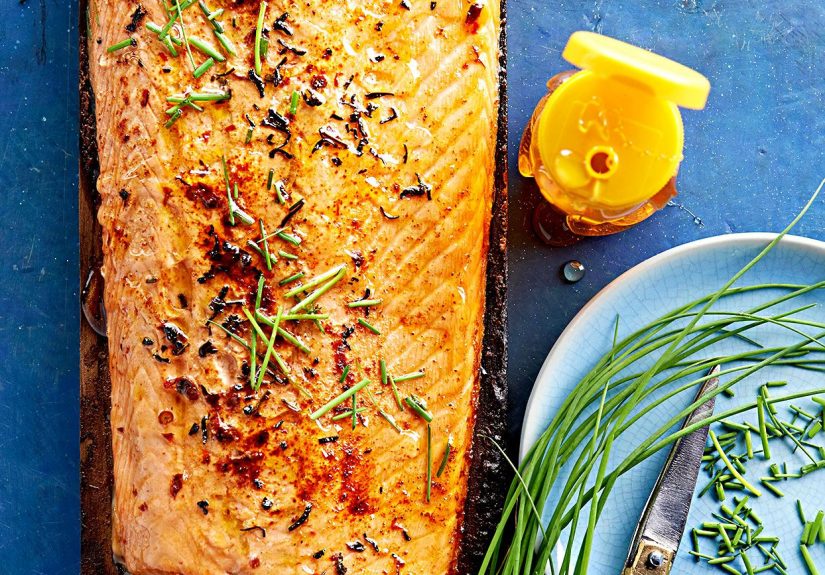
Once the salmon comes off the grill, let it rest for about 3 to 5 minutes. That gives the juices a moment to settle and makes serving easier. You can serve it right on the plank for a rustic presentation, just remember the bottom may still be hot enough to make your table regret everything.
Common Mistakes That Ruin Cedar Plank Salmon
- Using a dry plank: this is how dinner turns into a fire drill.
- Buying treated wood: only use food-grade grilling planks.
- Cranking the grill too hot: high heat burns the plank and overcooks the fish.
- Over-marinating: acidic marinades can make salmon mushy.
- Opening the lid constantly: heat and smoke escape every time.
- Ignoring thickness: salmon does not care what the timer says.
- Skipping a thermometer: texture clues help, but temperature helps more.
What to Serve with Cedar Plank Salmon
Cedar plank salmon pairs best with sides that are fresh, bright, and not too heavy. Good options include grilled asparagus, roasted potatoes, herbed rice, couscous, green beans, corn, cucumber salad, or a simple arugula salad with lemon vinaigrette.
For sauces, think light and lively: lemon butter, dill yogurt sauce, caper sauce, or a quick herb vinaigrette. The fish already has smoke and richness, so the best companions usually bring acidity and contrast rather than more heaviness.
Final Thoughts
If you want a grilling technique that feels fancy without becoming fussy, cedar plank salmon is hard to beat. It gives you smoke without needing a smoker, protection without wrapping everything in foil, and impressive flavor without requiring culinary gymnastics.
Success comes down to five things: choose a proper plank, soak it well, season the salmon intelligently, manage medium heat, and pull the fish before it dries out. Do that, and you get moist, fragrant, beautifully cooked salmon that tastes like it belongs at a backyard dinner party where everyone suddenly starts asking, “Wait, how did you make this?”
That is a much nicer question to answer than, “So… was it supposed to be this dry?”
Experience Section: What Cedar Plank Salmon Is Really Like Once You Start Making It Regularly
The first time most people grill salmon on a cedar plank, there is a mild sense of panic. You soak a piece of wood, place it on a fire on purpose, and then hope dinner comes out elegant instead of smoky in the wrong way. But after you do it once or twice, the experience becomes less intimidating and much more intuitive.
One of the most noticeable things is the smell. Cedar plank salmon does not smell like ordinary grilled fish. It smells rounder, warmer, and more woodsy, almost like the grill itself suddenly got better manners. When the plank starts to smoke and the salmon begins to cook, the aroma tells you something good is happening before your eyes can confirm it.
You also learn quickly that different salmon types behave differently. Thick Atlantic salmon is forgiving and easygoing. Sockeye tastes fantastic but asks for more attention because it is leaner and can dry out faster. A whole side of king salmon feels luxurious and tends to hold moisture beautifully, but it may take longer than expected. After a few cooks, you stop obsessing over exact minutes and start reading the fish more confidently.
There is usually a moment when the plank starts crackling and you wonder whether everything is under control. That moment is normal. Experienced grillers learn the difference between healthy smoke and actual trouble. A little charring at the edges is part of the show. Tall flames licking toward the fish are your cue to shift the plank or spritz the edge with water. After that, you relax and stop treating every flicker like a televised emergency.
Another real-world lesson is that cedar plank salmon is an excellent entertaining dish because it looks far more elaborate than it is. You can walk the finished plank from grill to table and it instantly feels special. Guests assume you have been developing the technique for years, when really you just remembered to soak wood and close a lid.
Over time, people also develop favorite seasoning styles. Some stay loyal to lemon, dill, salt, and pepper because the cedar is the star. Others swear by a mustard-brown sugar glaze because it gives a glossy finish and a little sweet contrast. Still others go for maple-soy-ginger because it fits the smoky profile perfectly. The nice thing is that the plank method is sturdy enough to handle all of those directions without becoming fussy.
The best long-term experience, though, is how reliable this method becomes. Once you understand your grill’s personality, cedar plank salmon turns into one of those meals you can count on. It works on casual weeknights, on summer weekends, and even on evenings when you want something healthy that still feels like a reward. Leftovers are excellent in salads, grain bowls, or cold over greens with a squeeze of lemon.
In other words, cedar plank salmon starts as a fun grilling trick and ends up becoming part of your regular playbook. It is practical, dramatic in a good way, and forgiving enough that even imperfect attempts usually taste pretty great. That is a strong résumé for a dinner built on fish and a wet board.