Table of Contents >> Show >> Hide
- Why Winter Bills Climb So Fast
- 1. Use Your Thermostat Like a Manager, Not a Mood Ring
- 2. Kill Drafts Before They Start Paying Rent
- 3. Let the Sun Work the Day Shift, Then Close the Curtains at Night
- 4. Help Your Heating System Do Its Job Without the Drama
- 5. Reverse Your Ceiling Fan and Stop Wasting Warm Air at the Ceiling
- 6. Treat Hot Water Like It Is ExpensiveBecause It Is
- 7. Run Appliances With Better Timing and Fuller Loads
- How to Combine These Habits for Bigger Winter Savings
- Common Mistakes That Cancel Out Good Intentions
- Final Thoughts
- Real-Life Winter Experiences: What These Habits Actually Feel Like at Home
- SEO Tags
Winter has a sneaky way of turning your house into a money-eating machine. One chilly morning, you bump the thermostat. That night, you take an extra-long shower because it is cold and your soul needs it. Then the dryer gets involved, the furnace starts huffing like it is training for a marathon, and suddenly your utility bill arrives looking oddly confident.
The good news is that cutting winter energy costs does not always require a dramatic remodel, a second mortgage, or a PhD in insulation science. In many homes, the biggest savings come from small habits repeated consistently. Think less “tear down every wall” and more “stop heating the outdoors for free.”
If your goal is to stay warm without lighting your paycheck on fire, these seven energy-saving habits can help. They are practical, realistic, and surprisingly effective because they target the places where winter energy waste usually hides: heating, drafts, hot water, and daily routines that feel harmless until they show up on the bill.
Why Winter Bills Climb So Fast
In most homes, winter energy costs rise for a simple reason: heating takes over. Once outdoor temperatures drop, your HVAC system, furnace, boiler, or heat pump becomes the star of the utility bill. Add hot water for showers, laundry, and dishes, and your home starts burning through energy before breakfast.
That is why the smartest winter savings habits focus on comfort per dollar. The goal is not to shiver nobly under three blankets while pretending this is fun. The goal is to keep heat where you actually need it, reduce waste, and make your home work a little smarter every day.
1. Use Your Thermostat Like a Manager, Not a Mood Ring
The thermostat is not just a wall ornament with trust issues. It is one of the most powerful tools you have for controlling winter energy costs.
A simple habit is to keep your home at a comfortable but moderate setting when you are awake, then lower the temperature when you are asleep or away. If you have a programmable or smart thermostat, even better. Let it do the remembering so you do not have to wander through the house at 11 p.m. muttering, “Did I turn it down or just think about turning it down?”
How to make this habit stick
Start with a small setback rather than a dramatic one. Lowering the temperature a few degrees overnight or during work hours is usually easier to maintain than trying to live like a frontier reenactor. Pair that change with warm socks, a sweater, and extra blankets. It sounds almost insultingly simple, but wearing season-appropriate indoor clothing really does help you avoid creeping thermostat inflation.
If you work from home, try heating the rooms you actually use rather than the whole house to “spa retreat” levels. Closed doors, draft stoppers, and thoughtful room use can make a moderate setting feel much more comfortable.
2. Kill Drafts Before They Start Paying Rent
Air leaks are one of winter’s favorite little scams. They are easy to ignore because each one seems tiny: a small gap around the back door, a window that feels a bit chilly, a little crack near a vent. But add them together and your house starts behaving like it has an open tab with the outdoors.
One of the best energy-saving habits is to do quick draft patrols during the first cold stretch of the season. Run your hand around doors, windows, attic hatches, outlets on exterior walls, and places where pipes or wiring enter the house. If the area feels noticeably colder or you detect moving air, you have probably found a leak.
Easy fixes that pay off
Weatherstripping, caulk, door sweeps, and draft stoppers are not glamorous. No guest has ever entered a home and gasped, “My word, what elegant air sealing.” But these are exactly the kinds of inexpensive fixes that can make your heating system work less.
For renters, temporary options such as removable draft snakes, insulating window film, and thick curtains can still make a real difference. You may not be able to redesign the building envelope, but you can absolutely stop the living room from feeling like it is secretly connected to Antarctica.
3. Let the Sun Work the Day Shift, Then Close the Curtains at Night
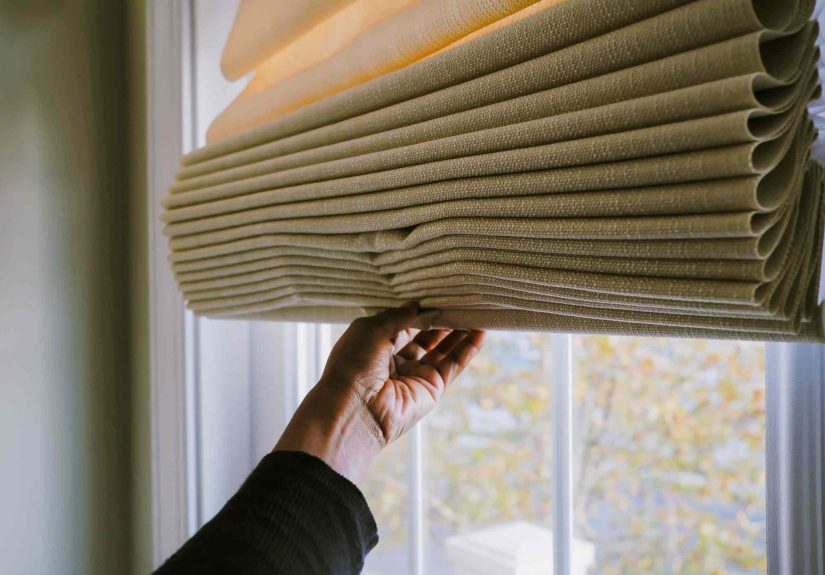
Winter sunlight is free, and unlike some household helpers, it never complains. A good daily habit is to open curtains or blinds on sunny windows during the day, especially those that get strong direct light, then close them after sunset to help reduce heat loss and the chill you feel from cold glass.
This is one of those habits that feels almost too simple to matter, but it can noticeably improve comfort near windows and cut the urge to crank the heat. In a room with decent sun exposure, daylight can provide a welcome little boost of warmth while also making the space feel brighter and less cave-like.
Window habits that work better
Use heavier curtains in draftier rooms. Keep them open when the sun is helping and closed when the temperature drops. If a window is especially leaky, adding a seasonal insulating film can improve comfort without replacing the window itself.
Think of this as low-effort heat management: open for gain, close for retention. The sun gets a shift. The curtains clock in afterward. Everybody contributes.
4. Help Your Heating System Do Its Job Without the Drama
Your heating system does not need praise, but it does need basic support. A surprisingly effective winter habit is to check the filter regularly, keep vents clear, and avoid blocking airflow with rugs, furniture, laundry baskets, or that decorative bench you swore would not be in the way.
A dirty filter forces a forced-air system to work harder than necessary. That means more strain, less efficient airflow, and a higher chance that your heating system decides to become “interesting” during the coldest week of the year.
What this looks like in real life
Set a recurring reminder to inspect your furnace filter during heating season. Some homes need a fresh filter monthly, while others can go longer depending on the system, pets, dust, and manufacturer guidance. If you use baseboard heat or radiators, keep those areas open too. Heat cannot do much if it is battling a sofa, a pile of winter boots, and three cardboard boxes marked “misc.”
Also consider scheduling routine HVAC maintenance before peak winter use if your system has not been checked in a while. Preventive care is much cheaper than emergency repair, and it can help the system run more efficiently all season long.
5. Reverse Your Ceiling Fan and Stop Wasting Warm Air at the Ceiling
Ceiling fans are often treated like summer-only equipment, which is unfair and frankly rude. In winter, many fans can help push warm air back down into the living space when set to rotate clockwise on a low speed.
Why does this matter? Because warm air rises, and without circulation, a good chunk of the heat you are paying for can hang out near the ceiling like it has no rent due. A gentle fan setting helps redistribute that warmth without creating an annoying draft.
The habit to remember
Use the fan only when the room is occupied. Fans move air; they do not actually create heat. Running one constantly in an empty room does not save energy. It just gives the fan something to do.
This habit works especially well in rooms with high ceilings or places that always seem warmer at head level than they do at couch level. If your living room has ever made your face feel fine while your feet negotiate a peace treaty with the floor, this trick is worth trying.
6. Treat Hot Water Like It Is ExpensiveBecause It Is
Heating water is one of the biggest energy expenses in many homes, yet it often slips under the radar because it feels routine. Shower, wash, rinse, repeat. But winter encourages longer showers, hotter settings, and more warm-water laundry, all of which can quietly inflate your bill.
One of the best energy-saving habits is to cut hot-water waste without making life miserable. That means shorter showers, fixing leaks, washing clothes in cold water when possible, and using the right water level for smaller loads. If your water heater is set unnecessarily high, lowering it to a safer, more efficient temperature can also help reduce waste.
Small changes, noticeable results
Cold-water laundry is easier than ever because modern detergents are built for it. For everyday clothes, you often do not need hot water at all. A lower-flow showerhead can also reduce both water use and the energy needed to heat that water. And if accessible hot-water pipes are losing heat on the way to the faucet, pipe insulation is a smart upgrade that supports this habit in the background.
In other words, do not heat gallons of water to premium temperatures just so your socks can enjoy a luxury rinse cycle.
7. Run Appliances With Better Timing and Fuller Loads
Winter energy savings are not only about the furnace. Your everyday appliance habits matter too. The washer, dryer, dishwasher, and small electronics can all contribute to unnecessary energy use when operated inefficiently.
A strong habit is to wait for full loads when practical, use efficient settings, and avoid over-drying laundry. Clean the dryer lint screen after every load so the machine can move air properly. For dishwashers and clothes washers, choose cycles that match the size and soil level of the load instead of always defaulting to the heavy-duty setting as if every Tuesday is a grease emergency.
Bonus habit: stop the tiny wastes
Turn off electronics and lighting in rooms you are not using. No, this will not single-handedly defeat your January heating bill, but it is still worthwhile. Winter savings come from stacking good habits together. A little less waste here, a little less waste there, and suddenly your monthly bill is no longer auditioning for a horror movie.
How to Combine These Habits for Bigger Winter Savings
The real magic happens when these habits work together. Lowering the thermostat feels easier when you seal drafts. Sunny-window management helps a moderate thermostat feel more comfortable. A clean HVAC filter supports better airflow, while a ceiling fan helps move that warmth where people actually sit. Cutting hot-water waste reduces another major household cost at the same time.
That is why “quietly slash your bill” is not just clever wording. The savings are often quiet. They happen in the background. You do not necessarily feel a dramatic daily difference, but you notice it when the house feels less drafty, the heat runs less aggressively, and the monthly bill stops acting like your home is a ski lodge.
Common Mistakes That Cancel Out Good Intentions
Even people with excellent energy-saving intentions can accidentally sabotage themselves. One common mistake is making a single upgrade and assuming the job is done. Heavy curtains help, but not if the back door leaks like gossip. A smart thermostat helps, but not if it is programmed badly or overridden every hour.
Another mistake is chasing comfort with heat instead of solving the actual problem. If one room feels cold, check for drafts, blocked vents, poor sun exposure, or airflow issues before turning the whole house into a sauna. Often the problem is not “the house needs more heat.” It is “the heat is escaping” or “this room is hogging inconvenience.”
Final Thoughts
The most effective winter energy-saving habits are not flashy. They are repeatable. They are the little things that keep your home comfortable without wasting money: smarter thermostat use, fewer drafts, better window habits, cleaner airflow, controlled hot-water use, and more efficient laundry and dishwashing routines.
You do not need to adopt all seven in one heroic weekend. Start with two or three. Build from there. The best energy-saving routine is the one you will actually keep doing after the first cold snap, after the holiday chaos, and after you have lost track of where the extra blankets went.
Because the truth is, the cheapest heat is the heat you do not waste.
Real-Life Winter Experiences: What These Habits Actually Feel Like at Home
In real life, winter energy savings rarely arrive with a trumpet solo. They show up in quieter ways. A hallway that used to feel icy suddenly feels normal after a door sweep goes in. A bedroom that always seemed colder than the rest of the house becomes more comfortable once the vent is uncovered and the fan direction is changed. A morning shower still feels warm and civilized, but the water heater is no longer set high enough to boil pasta.
One of the most common experiences people notice is that comfort improves before the bill does. That may sound backward, but it makes sense. Sealing drafts, using curtains strategically, and improving airflow make rooms feel more stable. You stop getting that odd cold blast near a window. The couch corner no longer feels like it belongs to a different climate zone. Once the house feels more balanced, it becomes much easier to keep the thermostat a little lower without feeling deprived.
Another familiar experience is discovering that the expensive problem was not always the obvious one. Many homeowners assume the furnace is failing when the house feels unevenly heated, but sometimes the issue is far simpler: a clogged filter, blocked vent, or warm air pooling near the ceiling. People are often surprised by how much difference a basic maintenance habit can make. It is not glamorous, but a clean filter can be the domestic equivalent of giving your heating system a strong cup of coffee and better life choices.
Hot-water habits also tend to feel less painful than expected. Shorter showers sound annoying in theory, but in practice many households find that trimming a few minutes off shower time or switching laundry to cold barely changes daily life. What does change is the sense that the home is running more intentionally. You stop using energy automatically and start using it on purpose.
Families often report that once one winter-saving habit becomes routine, the others follow more naturally. Someone starts closing curtains at night. Someone else begins turning the thermostat down before bed. Eventually the house develops a rhythm. It is not about obsession or perfection. It is about making the efficient choice the default choice.
There is also something satisfying about realizing that “saving energy” does not have to mean living in discomfort. For many people, the experience is less about sacrifice and more about control. You understand your house better. You notice where it loses heat, where it holds warmth, and which habits actually move the needle. That awareness makes winter bills feel less random and a lot less offensive.
And perhaps the best experience of all is opening a winter utility bill and not feeling personally attacked by it. That moment alone is enough to make weatherstripping feel downright luxurious.