Table of Contents >> Show >> Hide
- What “Cosine Dress Luck Cosine Dress Rack” Really Suggests
- Why Dress Racks Are Having a Style Moment
- How to Style a Cosine Dress Rack Without Making It Look Messy
- Building a Wardrobe That Works on a Dress Rack
- Best Places to Use a Cosine-Style Dress Rack
- Common Mistakes That Ruin the Look
- The Real Experience of Living With a Cosine Dress Rack
- Conclusion
- SEO Tags
At first glance, “Cosine Dress Luck Cosine Dress Rack” sounds less like a furniture piece and more like your search bar gave up halfway through a thought. But behind the unusual wording is a very real design idea: a minimalist dress rack that turns clothing storage into part of the room’s visual identity. And honestly, that is a far more exciting story than another oversized plastic bin hiding in the corner like it owes rent.
In today’s world of compact apartments, edited wardrobes, and bedrooms that double as dressing rooms, a dress rack is no longer just a backup plan for people with tiny closets. It is a style tool. It can showcase favorite dresses, create an open-closet setup, support a capsule wardrobe, and make getting dressed feel less chaotic and more intentional. The “Cosine dress rack” idea sits right at the crossroads of minimalist fashion, closet organization, and small-space living.
This article breaks down what the phrase likely refers to, why a Cosine dress rack concept is surprisingly relevant, how to style and use one effectively, and what real-life experience with an open dress rack actually feels like. Spoiler: it can make you look more organized than you really are, which is one of interior design’s greatest gifts.
What “Cosine Dress Luck Cosine Dress Rack” Really Suggests
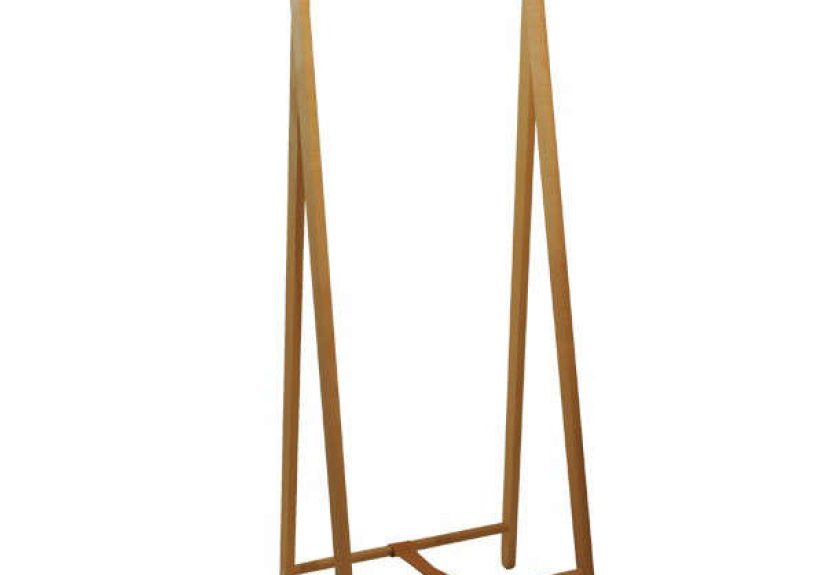
The phrase appears to point to a wooden freestanding garment rack associated with the Japanese design maker Cosine, later surfaced in design-oriented product coverage. That matters because it places the topic in the world of high-function, low-noise furniture: pieces that do one job very well and look good doing it.
Instead of bulky wardrobes or chrome-heavy commercial racks, a Cosine-style rack represents something more refined. Think warm wood, clean lines, a light footprint, and enough visual restraint that your clothing becomes part of the décor. A rack like this does not scream for attention. It quietly says, “Yes, I am organized. No, I will not elaborate.”
That design language fits perfectly with several major lifestyle trends: the rise of capsule wardrobes, interest in minimalist dressing, and a growing preference for bedrooms that feel curated rather than crammed. In practical terms, a dress rack helps turn your most-worn garments into accessible, visible, and usable pieces instead of forgotten fabric fossils buried behind old jackets.
Why Dress Racks Are Having a Style Moment
They solve a real storage problem
Many people simply do not have enough closet space. Others technically have a closet, but it is so chaotic that it functions more like a museum of abandoned shopping decisions. A clothing rack offers immediate extra hanging space without demolition, built-ins, or a weekend spent arguing with instruction manuals.
They create visual clarity
Open storage forces editing. That is not a punishment; it is a gift wrapped in honesty. When every dress is visible, you can instantly see what you actually wear, what colors dominate your wardrobe, and which impulse purchase still has the tag attached for emotional support. A dress rack is a storage solution, but it is also a truth serum.
They make a room feel more boutique-like
A well-styled rack gives a bedroom the feel of a private showroom. This is especially true when the rack is made from wood or features a restrained design. Instead of looking temporary, it can feel deliberate. That boutique effect is one reason garment racks continue to show up in style and home coverage: they blend utility with presentation.
They support a minimalist wardrobe
Minimalist fashion is not about wearing the same sad beige sweater forever. It is about choosing pieces that work harder, last longer, and mix more easily. A rack naturally supports that mindset because it rewards versatility. A great shirt dress, a slip dress, tailored trousers, a blazer, and knit layers all look right at home on an open rack because they are meant to be worn often, not stored indefinitely.
How to Style a Cosine Dress Rack Without Making It Look Messy
1. Keep only your best pieces on display
The biggest mistake people make is treating a dress rack like a second closet with no limits. That is how you end up with visual noise, wrinkled hems, and the unmistakable energy of “I meant to organize this.” A minimalist dress rack works best when it holds favorites: the clothes you actually reach for, not everything you own.
2. Use matching hangers
If you want your rack to look polished, use identical hangers. This tiny detail does a shocking amount of heavy lifting. Matching hangers create rhythm, reduce visual clutter, and instantly make the setup feel intentional. Mixed hangers, on the other hand, make even expensive clothing look like it is waiting for jury duty.
3. Organize by type, then color
One of the easiest ways to improve a rack is to group garments by function: dresses together, outer layers together, shirts together. Then sort within those groups by color. This method is not just pretty. It speeds up outfit selection, highlights wardrobe gaps, and prevents that frantic “Where is my black dress?” moment when the black dresses are somehow hiding among olive, navy, and one bold floral number that keeps demanding attention.
4. Let the rack breathe
A dress rack needs negative space. The clothes need room to move, and the eye needs room to rest. If hems are packed tightly and hangers cannot slide, the whole thing stops looking elegant and starts looking stressed. Leave visible gaps. Your rack is not a subway car at rush hour.
5. Keep the floor underneath clean
What sits below the rack matters almost as much as what hangs on it. A few neatly placed shoes can work. A mountain of random flats, tote bags, and one lonely dumbbell absolutely cannot. Open storage only looks good when the surrounding area is edited too.
6. Add one companion piece
A mirror, small bench, woven basket, or narrow drawer unit can make the setup feel complete. The goal is balance, not clutter. A rack by itself can look sparse; a rack plus three baskets, two stools, seven hooks, and a tray of “aesthetic” bracelets can look like a home décor fever dream.
Building a Wardrobe That Works on a Dress Rack
If you are using a Cosine dress rack as a daily wardrobe tool, your clothing choices matter. Open racks reward pieces that are both useful and visually calm. That does not mean your wardrobe has to be boring. It means it should be coherent.
Core pieces that belong on a well-edited rack
An everyday dress is a star player because it solves the “What do I wear?” problem in one move. Add a blazer or trench, tailored trousers, high-waisted jeans, simple knitwear, a crisp button-down, and a few elevated basics such as tees and tanks. These pieces support layering, repeat wear, and fast outfit building, which is exactly what an open rack is meant to encourage.
Color also matters. Neutrals are popular for a reason: black, cream, navy, gray, white, and camel tend to work together effortlessly. But a smart rack does not need to look like a colorless tax form. One accent shade, one print family, or one signature texture can make the lineup feel personal. The trick is consistency, not blandness.
Choose quality over volume
Open storage puts every garment under visual inspection. Cheap fabrics, sagging knits, bent hangers, and misshapen shoulders are much easier to notice. A dress rack teaches a useful lesson: fewer better pieces often look richer than many forgettable ones. In other words, the rack is not judging you. It is simply very observant.
Make your wardrobe match your life
One smart editing approach is to build around your most-worn favorites rather than an abstract fantasy self. If your real life involves commuting, coffee runs, casual meetings, and weekend dinners, your rack should reflect that reality. If it is full of sequins and impractical heels while you spend most days in knit dresses and sneakers, the problem is not the rack. The problem is the casting.
Best Places to Use a Cosine-Style Dress Rack
In the bedroom
This is the most obvious placement, and usually the most effective. A bedroom rack can hold next-week outfits, seasonal favorites, or your entire edited wardrobe if closet space is limited.
In a guest room
A freestanding rack in a guest room adds hotel-like convenience without requiring a full built-in closet. It is simple, practical, and much nicer than telling guests to drape everything over the desk chair.
In a laundry room or dressing corner
A wooden dress rack works beautifully as a transition zone for air-drying delicates, steaming garments, or staging outfits before events. It adds function without making the room feel overly utilitarian.
In a studio apartment
For small homes, a rack can act as both storage and soft room styling. Because it is open and lighter-looking than a large wardrobe, it often keeps a room feeling less boxed in. The key is discipline. In a studio, clutter has nowhere to hide and every bad decision gets front-row seating.
Common Mistakes That Ruin the Look
Overloading the rack is mistake number one. Mistake number two is storing everything there, including off-season items and sentimental clothing that should live elsewhere. Mistake number three is ignoring support storage. Most wardrobes still need drawers, shelves, or bins for folded items, accessories, and soft knits.
Lighting is another overlooked issue. A dim corner makes even a beautiful rack feel dull. Add a nearby lamp or place the rack where natural light helps reveal the clothing clearly. The entire point of open storage is visibility. If you need a flashlight to identify your navy slip dress, the system has taken a wrong turn.
The Real Experience of Living With a Cosine Dress Rack
Living with a Cosine dress rack or any similar open garment rack changes your relationship with clothing in subtle but noticeable ways. The first thing you realize is that visibility changes behavior. When your dresses, jackets, and favorite basics are always in sight, you stop forgetting what you own. That sounds obvious, but it is surprisingly powerful. Pieces that once disappeared into the back of a dark closet suddenly become part of your weekly rotation again.
The second change is emotional. A well-styled rack can make mornings feel calmer. Instead of wrestling through a crowded closet, you glance at a clean row of edited options and make a decision faster. It feels a little like having your life together, even if your laundry basket is quietly plotting against you from across the room.
There is also a strong editing effect. After a few days, you start noticing which garments deserve premium rack space and which ones are just taking up oxygen. The dress that fits perfectly and works for both brunch and dinner stays. The blouse that wrinkles if someone even says the word “humidity” starts losing its privileges. A rack makes those distinctions visible.
Another real experience is learning restraint. Open racks reward consistency. If you buy randomly, the rack looks random. If your wardrobe has a theme, even a loose one, the rack looks elevated. That is why many people naturally drift toward a tighter palette, better fabrics, and more repeatable outfit formulas once they start using one. It is not because the rack forces minimalism. It is because it makes the logic of good dressing easier to see.
Of course, open storage is not all effortless glamour. Dust is real. Visual clutter is real. The temptation to toss “just one more thing” onto the rack is very real. But that is also what makes the setup useful. A dress rack works best when it becomes a living filter. You notice mess sooner, correct it faster, and become more thoughtful about what earns a place in view.
For people in small apartments, the experience can be even more transformative. A good rack creates the feeling of having a dressing area without needing a true walk-in closet. It can turn one wall into a purposeful zone: clothing above, a shoe lineup below, maybe a mirror nearby, maybe a woven basket for accessories. Suddenly, the room functions better and looks better. That is a rare home upgrade because it improves both aesthetics and routine at the same time.
Perhaps the most interesting part of the experience is that a rack changes how you shop. Once you know every new piece will be visible, you start asking better questions. Does this dress work with what I already own? Does this coat belong in my real life or just in the fantasy where I attend elegant rooftop dinners every Thursday? Will this fabric still look good hanging in plain sight two months from now? Those are smart questions, and a dress rack makes them harder to ignore.
So yes, living with a Cosine-style rack can feel stylish. But more than that, it can feel clarifying. It encourages a wardrobe that is edited, usable, and honest. And in a world full of clutter, trendy overconsumption, and chairs permanently employed as “temporary” clothing storage, that kind of honesty feels almost luxurious.
Conclusion
Cosine Dress Luck Cosine Dress Rack may be an unusual title, but the design idea behind it is refreshingly clear. A beautiful dress rack is not just a place to hang clothes. It is a tool for editing your wardrobe, simplifying your routine, and making your room feel more intentional. Whether you are working with a tiny apartment, building a capsule wardrobe, or just trying to stop your favorite dress from disappearing into closet chaos, a Cosine-style dress rack offers a practical and elegant solution.
The best version of this setup is not overloaded, overly styled, or trying too hard. It is thoughtful. It gives your clothes room to breathe, your mornings a little less friction, and your space a cleaner visual rhythm. In short, it helps your wardrobe look like you planned it on purpose, which is sometimes half the battle and all the magic.