Table of Contents >> Show >> Hide
- What the Meniscus Actually Does
- Do All Meniscus Tears Need Surgery?
- How Doctors Diagnose a Meniscus Tear
- Types of Meniscus Surgery
- What Happens During Meniscus Surgery?
- Meniscus Surgery Recovery: What to Expect
- Risks and Possible Complications
- How Successful Is Meniscus Surgery?
- Questions to Ask Your Surgeon
- Bottom Line: Should You Be Nervous About Meniscus Surgery?
- What Meniscus Surgery Feels Like in Real Life: Common Recovery Experiences
- Conclusion
If your knee has started making unsettling noises, swelling like it has opinions, or locking up at the worst possible moment, you may have heard the phrase meniscus surgery tossed around like it is the obvious next step. But here is the truth: a torn meniscus does not automatically mean a date with the operating room. Sometimes the best treatment is time, physical therapy, and a temporary breakup with lunges. Sometimes, though, surgery really is the smartest move.
The meniscus is one of those hardworking body parts that gets little credit until it complains loudly. It helps cushion your knee, stabilize movement, and keep the joint from feeling like two bones arguing in a hallway. When it tears, the result can range from “annoying but manageable” to “why does my knee suddenly hate stairs?”
This guide breaks down what torn meniscus surgery is, when doctors recommend it, what the different procedures involve, how meniscus tear recovery usually works, and what real life after surgery often feels like. Consider this your plain-English roadmap, minus the medical jargon avalanche.
What the Meniscus Actually Does
Each knee has two menisci: one on the inside and one on the outside. These crescent-shaped pieces of cartilage act like shock absorbers between your thighbone and shinbone. They help distribute weight, reduce stress on the joint, and improve stability. In short, the meniscus is the knee’s overachieving office manager. Quiet. Essential. Very hard to replace.
A meniscus can tear during sports, quick pivots, deep squats, awkward landings, or simple wear-and-tear over time. Younger people often tear it during a sudden twisting injury. Older adults can tear it through degeneration, where the tissue becomes less resilient and more likely to fray. That is why a weekend basketball game and an innocent turn in the kitchen can sometimes lead to the same diagnosis.
Do All Meniscus Tears Need Surgery?
No, and that is one of the biggest misconceptions around meniscus surgery. Many tears improve with conservative treatment, especially if symptoms are mild, there is no knee locking, and the tear is small or in a location where healing is possible. Doctors usually look at the whole picture, not just the MRI headline.
Factors that help determine whether surgery is needed
- Your age and activity level
- Whether the tear happened suddenly or developed gradually
- The type, size, and location of the tear
- Whether the knee locks, catches, or gives way
- How much pain, swelling, and function loss you have
- Whether physical therapy and other nonsurgical treatments have helped
- Whether other knee injuries are present, such as an ACL tear
Doctors often favor preserving the meniscus whenever possible because this tissue helps protect the knee joint over the long term. That is why orthopedic surgeons commonly say some version of: “If we can save it, we would rather save it than shave it.” Not exactly poetry, but medically solid.
Signs surgery may be more likely
- Your knee keeps locking or cannot fully straighten
- You still have pain after rehab and activity changes
- The tear is large, unstable, or flipped into the joint
- You have a traumatic tear in a healthier part of the meniscus with better blood supply
- You need a stable knee for sports, work, or other physical demands
How Doctors Diagnose a Meniscus Tear
Diagnosis usually starts with a physical exam, questions about how the injury happened, and special maneuvers that put stress on the meniscus. X-rays may be used to rule out fractures or arthritis, but they do not show the meniscus itself. MRI is often the imaging test that confirms the tear and helps guide treatment decisions.
Still, the scan is only part of the story. Plenty of people have MRI findings that look dramatic but symptoms that are not. So your surgeon should treat you, not just your imaging report’s flair for suspense.
Types of Meniscus Surgery
Most modern knee arthroscopy procedures are minimally invasive. That means the surgeon uses a tiny camera and specialized instruments through small incisions rather than making a large open cut. Most procedures are outpatient, so many patients go home the same day.
1. Meniscus repair
Meniscus repair means stitching the torn tissue back together so it can heal. This is usually the preferred option when the tear pattern and blood supply make healing realistic. Tears in the outer portion of the meniscus tend to heal better because that area has more blood flow.
This option is more common in younger or very active patients, especially after an acute sports injury. It can also be a strong choice in selected older adults when the tear pattern is repairable and the rest of the knee is a good candidate. The main advantage is tissue preservation. The downside is that recovery is longer and rehabilitation tends to be more protective early on.
2. Partial meniscectomy
A partial meniscectomy removes only the damaged part of the meniscus and smooths the remaining edges. This is often used when the tissue is too frayed, the tear is in a poorly healing area, or repair is unlikely to succeed. It is common for degenerative tears and tears in the inner “white zone,” where blood supply is limited.
The big advantage is a faster recovery. The tradeoff is that less meniscus remains, and that matters because the meniscus is protective tissue. In plain English: recovery is quicker, but the knee loses some of its original cushioning.
3. Total meniscectomy
This is much less common today and generally avoided when possible. Removing the entire meniscus can increase joint stress and is associated with a greater risk of degeneration later on. Modern orthopedic practice usually tries to preserve as much healthy meniscal tissue as possible.
4. Meniscus transplant
Meniscal allograft transplantation is a more specialized procedure for carefully selected patients who are missing much of the meniscus, still have knee pain, and are typically younger with otherwise reasonable joint health. It is not the usual first-line surgery for a standard meniscus tear, but it can be an option in the right situation.
What Happens During Meniscus Surgery?
Most meniscus procedures are done arthroscopically. You are usually given regional or general anesthesia, the surgeon makes a few small incisions, inserts a camera, and then repairs or trims the torn tissue. The procedure often takes about an hour, though timing varies depending on what exactly needs to be done and whether other knee problems are addressed at the same time.
Before surgery
- You will review imaging, symptoms, and procedure goals with your surgeon
- You may need to pause certain medications
- You will get instructions about eating, drinking, and arrival time
- It helps to prepare your home with ice packs, easy meals, and a path that does not require climbing Mount Laundry
After surgery
- You may go home the same day
- You may use crutches for a short time or longer, depending on the procedure
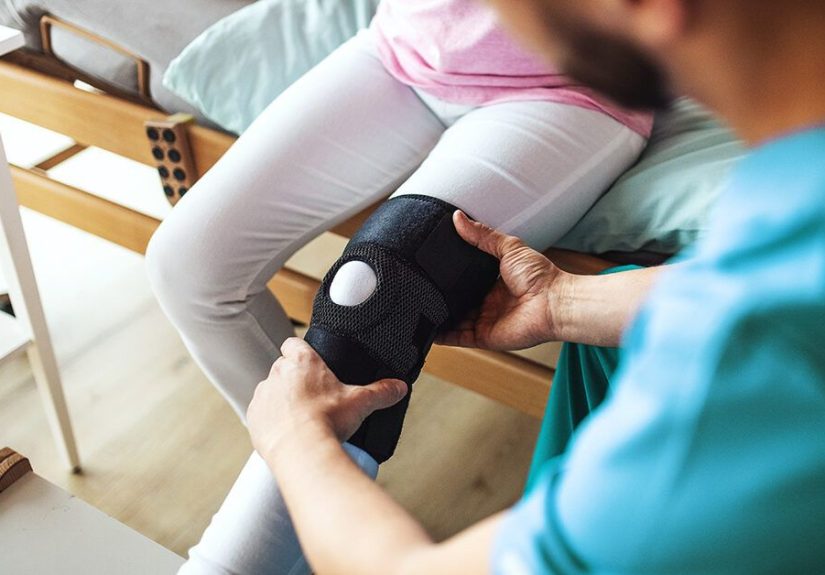
- A brace is more common after repair than after simple trimming
- You will get instructions on wound care, swelling control, activity limits, and physical therapy
Meniscus Surgery Recovery: What to Expect
Meniscus tear recovery depends heavily on whether you had a repair or a meniscectomy. This is the part many people underestimate. Two people can both say “I had meniscus surgery,” while one is walking fairly comfortably in a couple of weeks and the other is managing a brace, crutches, and months of rehab. Same headline, very different sequel.
Recovery after partial meniscectomy
Recovery is often relatively quick. Many patients bear weight sooner, return to basic daily activities within days to a couple of weeks, and resume fuller activity in roughly 3 to 6 weeks, though sport-specific return can take longer depending on swelling, strength, and conditioning.
Recovery after meniscus repair
Repair usually requires more patience. Because the goal is healing rather than trimming, surgeons often protect the knee with a brace, crutches, and limited motion or weight-bearing early on. Recovery commonly takes about 3 to 6 months, and return to higher-level sports may approach 6 months or sometimes longer.
A general recovery timeline
First few days: swelling, stiffness, and soreness are common. Ice, elevation, and medication help. This is not usually the week to prove your toughness by rearranging the garage.
Weeks 1 to 2: you start regaining motion, managing swelling, and walking more normally. If you had a repair, you may still be using crutches and a brace.
Weeks 2 to 6: physical therapy becomes the star of the show. Strength, range of motion, and gait mechanics matter. If you skip rehab and expect the knee to sort itself out, the knee may respectfully decline.
Months 2 to 6: strength building, balance work, and sport- or activity-specific rehab continue. Recovery is not just about feeling better. It is about restoring control, endurance, and confidence.
What helps recovery go well
- Following your surgeon’s restrictions exactly
- Showing up for physical therapy consistently
- Controlling swelling early
- Doing home exercises honestly, not “spiritually”
- Not rushing back to running, jumping, or pivoting too soon
- Sleeping, eating well, and avoiding smoking
One important reality check: there is no universal rehab script that fits every tear. Post-op plans vary depending on tear location, repair technique, associated injuries, and surgeon preference. Faster is not always better. Better is better.
Risks and Possible Complications
Meniscus surgery is generally considered safe, especially when done arthroscopically, but it is still surgery. Possible risks include infection, bleeding into the knee, blood clots, stiffness, persistent pain, damage to nearby nerves or blood vessels, and failure of the meniscus to heal after repair.
Repair may also carry a higher chance of needing another surgery compared with a simple partial meniscectomy, because healing is biologically demanding. That does not make repair a bad choice. It just means the long game often comes with a longer and sometimes bumpier road.
How Successful Is Meniscus Surgery?
Outcomes are often good when the right procedure is matched to the right patient. A repair can be especially valuable because it preserves the meniscus and may offer better knee function over time when healing succeeds. A partial meniscectomy can relieve symptoms faster and help patients move more comfortably when the tear is not repairable.
The best surgical result is not necessarily the most aggressive one. It is the one that fits your tear, your age, your cartilage health, your goals, and your willingness to do rehab. A surgery that looks perfect on paper but is mismatched to the patient is basically a group project with no leader.
Questions to Ask Your Surgeon
- Do I really need surgery, or is nonsurgical treatment reasonable first?
- Is my tear repairable, or would trimming make more sense?
- How much meniscus do you expect to preserve?
- Will I need a brace or crutches, and for how long?
- When can I drive, work, exercise, and return to sports?
- What does physical therapy look like after my procedure?
- What are the biggest risks in my specific case?
Bottom Line: Should You Be Nervous About Meniscus Surgery?
A little nervous? Completely normal. But overwhelmed by mystery? Not necessary. Meniscus surgery is common, usually minimally invasive, and often very effective when surgery is truly indicated. The most important thing is understanding which procedure you are having and why. A meniscus repair and a partial meniscectomy are not interchangeable, and their recovery timelines are definitely not twins.
If your surgeon says your meniscus can be preserved, that is often good news for your knee’s long-term future. If the tear cannot be repaired, a carefully done trimming procedure can still relieve symptoms and help restore function. Either way, the operation is only part of the story. The rest is rehab, patience, and resisting the timeless human urge to test your knee way too early because “it feels pretty good today.”
What Meniscus Surgery Feels Like in Real Life: Common Recovery Experiences
The examples below are composite, educational experiences based on common recovery patterns after meniscus surgery. They are not individual patient testimonials, but they reflect what many people report during rehab.
Experience #1: “I thought arthroscopic meant easy.”
This is probably the most common surprise. Many patients hear “small incisions” and imagine a tiny inconvenience. Then they get home, their knee swells, the quad muscle seems to forget how to cooperate, and suddenly sitting down on the toilet feels like an Olympic event. Even after a routine partial meniscectomy, the first few days can be humbling. People often say the pain is manageable, but the stiffness and swelling are what make the knee feel weird and unreliable. The lesson: minimally invasive does not mean magically effortless.
Experience #2: “The repair recovery was slower than I expected.”
Patients who undergo meniscus repair often describe the recovery as more mentally demanding than physically painful. The hard part is not always the incision discomfort. It is the patience. Wearing a brace, using crutches, limiting motion, and protecting the repair can feel frustrating, especially when the knee starts feeling a little better before the tissue is actually healed. Many active people say the recovery tested their discipline more than their pain tolerance. They had to resist the urge to speed things up simply because the knee was less sore.
Experience #3: “Physical therapy was the real turning point.”
A lot of patients say surgery handled the structural issue, but physical therapy gave them their leg back. Early sessions may focus on reducing swelling, restoring motion, and getting the quadriceps to wake up again. Later, therapy shifts toward balance, strength, single-leg control, and confidence. It is common for patients to realize that by week four or six, they are not really limited by sharp pain anymore. They are limited by weakness, fear, and a knee that still does not quite trust them. That is where rehab earns its paycheck.
Experience #4: “Recovery wasn’t linear.”
This is another big one. Patients often expect a neat upward trend: surgery, then steady improvement every day forever. Real recovery is messier. One week feels great, the next week the knee gets puffy after too much walking. A person may sleep well for several nights, then have one restless night because they rolled the wrong way. Progress usually happens, but it zigzags. Knowing that ahead of time keeps normal setbacks from feeling like disaster.
Experience #5: “I could do daily life before I could do ‘my normal life.’”
Many people return to desk work, short walks, and basic routines sooner than they return to squatting, kneeling, running, cutting, or playing sports. This gap can be confusing. A patient might think, “I can grocery shop, so why can’t I play pickleball?” Because everyday function and high-demand knee performance are not the same thing. Turning, pivoting, jumping, landing, and decelerating place different stresses on the meniscus and the muscles around the knee. That final stretch of rehab often takes longer than expected.
Experience #6: “The best outcomes came from patience, not heroics.”
People who tend to do well usually describe a similar formula: follow instructions, stay consistent with rehab, manage swelling early, and do not rush the calendar. In contrast, people who struggle often admit they did too much too soon because they felt “basically fine.” Meniscus recovery rewards boring discipline. It is less about cinematic determination and more about doing your exercises, icing when needed, and letting biology keep its own pace.
That may not sound glamorous, but knees are not especially interested in glamour. They prefer stability, strength, and sensible decisions. Rude, honestly.
Conclusion
Meniscus surgery can be a smart, effective solution for the right tear in the right patient. The key is understanding that there is no one-size-fits-all procedure. Some people do best with rest and rehab. Some need a quick trimming procedure. Others benefit from a true meniscus repair that protects the knee for the long haul. Learn the difference, ask good questions, and treat physical therapy as part of the treatment, not an optional side quest.