Table of Contents >> Show >> Hide
- How Acupuncture Might Help You Sleep
- What the Research Says About Acupuncture for Sleep
- What a Typical Acupuncture Session for Sleep Is Like
- Is Acupuncture Safe for Sleep Issues?
- Acupuncture vs. Other Sleep Treatments
- How to Find the Right Acupuncturist for Sleep
- Real-World Tips and Experiences with Acupuncture for Sleep
- 1. The “nothing happened… and then suddenly something did” effect
- 2. Sessions double as scheduled relaxation time
- 3. Lifestyle changes make the needles more powerful
- 4. Anxiety and sleep feed into each otheracupuncture can help both
- 5. Communication with your practitioner matters
- 6. It can be part of a bigger healing story
- Bottom Line: Is Acupuncture Right for Your Zzz’s?
If counting sheep has turned into counting the hours until your alarm rings, you’re not alone. Millions of people lie awake at 2 a.m., scrolling their phones and wondering if they’ll ever feel rested again. While sleeping pills and melatonin gummies get a lot of attention, more and more tired humans are turning to an ancient tool with very tiny needles: acupuncture.
Acupuncture for sleep isn’t just a wellness trend on social media. Modern research suggests it can improve sleep quality, reduce nighttime awakenings, and ease anxiety in some people with insomnia. At the same time, experts are clear: it’s not a one-size-fits-all cure, and the evidence is still evolving. Think of it as a promising, low-risk tool to combine with other healthy sleep habitsnot a magic fix.
Let’s break down how acupuncture may help you sleep, what the science actually says, what a session feels like, and how to find a practitioner you can trust.
How Acupuncture Might Help You Sleep
Traditional Chinese medicine (TCM) explains acupuncture in terms of balancing the body’s energy, or Qi, along pathways called meridians. From a Western medical perspective, the same practice looks a bit different: inserting very thin needles at specific points on the body appears to influence nerves, blood flow, and certain hormones involved in the sleep–wake cycle.
Possible mechanisms behind better sleep
- Melatonin production: Several small studies and reviews suggest acupuncture can increase melatonin levels, the hormone that helps regulate when you feel sleepy and when you wake up.
- Calming the nervous system: Acupuncture appears to influence the autonomic nervous systemdialing down the “fight or flight” response (sympathetic) and nudging you toward “rest and digest” (parasympathetic). That shift can translate into deeper, more restorative sleep.
- Regulating brain chemicals: Research in animals and humans indicates acupuncture may affect neurotransmitters such as serotonin, GABA, and dopamine, which play key roles in mood, anxiety, and sleep regulation.
- Reducing pain: If chronic pain keeps you up at night, acupuncture’s ability to stimulate endorphins and reduce pain signals can make it easier to fall and stay asleep.
- Lowering stress and anxiety: By modulating stress-related hormones like cortisol and supporting relaxation, acupuncture can address one of the biggest sleep killers: a racing mind.
None of this means a single session will knock you out like a cartoon character hit with a giant mallet. But these mechanisms help explain why, for some people, consistent acupuncture sessions feel like pressing a reset button on their sleep system.
What the Research Says About Acupuncture for Sleep
Let’s talk evidence, not just good vibes.
Insomnia and poor sleep
Multiple randomized controlled trials and systematic reviews have looked at acupuncture for insomnia. Many of them found that, compared with sham acupuncture or standard care, acupuncture can:
- Improve overall sleep quality (often measured with tools like the Pittsburgh Sleep Quality Index).
- Increase total sleep time.
- Reduce the number of nighttime awakenings.
- Improve daytime functioning, energy, and mood.
Some studies even suggest acupuncture may perform similarly to certain sleep medications, but with fewer side effects. However, there’s a catch: many of these studies are small, use different point combinations and protocols, and vary in quality. That makes it hard for experts to draw firm, universal conclusions.
Official guideline perspective
Major medical organizations tend to be cautiously optimistic but not fully sold. Some reviews from national health agencies describe acupuncture as a potentially helpful option for insomnia, especially when medications or cognitive behavioral therapy for insomnia (CBT-I) are not enough or not preferred. At the same time, they emphasize that the overall evidence base is still limited and more high-quality, large trials are needed.
Translation into plain English: acupuncture for sleep looks promising, especially as part of a holistic plan, but it’s not yet considered a first-line, stand-alone treatment in most official guidelines.
Who may benefit the most?
Based on existing research and clinical experience, acupuncture may be especially helpful if:
- You have chronic insomnia with difficulty falling or staying asleep.
- Anxiety, stress, or overthinking is a major sleep trigger for you.
- Pain (back pain, headaches, arthritis, etc.) keeps you up at night.
- You can’t tolerate or don’t want to rely on sleeping pills.
- You’re open to combining acupuncture with other approaches like CBT-I, sleep hygiene, or medication.
What a Typical Acupuncture Session for Sleep Is Like
If the phrase “needles for relaxation” makes you skeptical, you’re not alone. Here’s what usually happens in a sleep-focused acupuncture session and why most patients describe it as surprisingly calming.
The first visit
During your initial appointment, the acupuncturist will ask about your sleep habits and health history. Expect questions like:
- How long does it take you to fall asleep?
- How many times do you wake at night?
- Do you snore, grind your teeth, or wake up gasping?
- What’s your stress level like during the day?
- Do you drink caffeine or alcohol, and when?
They may also check your pulse at several positions and look at your tongueclassic TCM methods used to assess patterns of imbalance related to sleep.
During the treatment
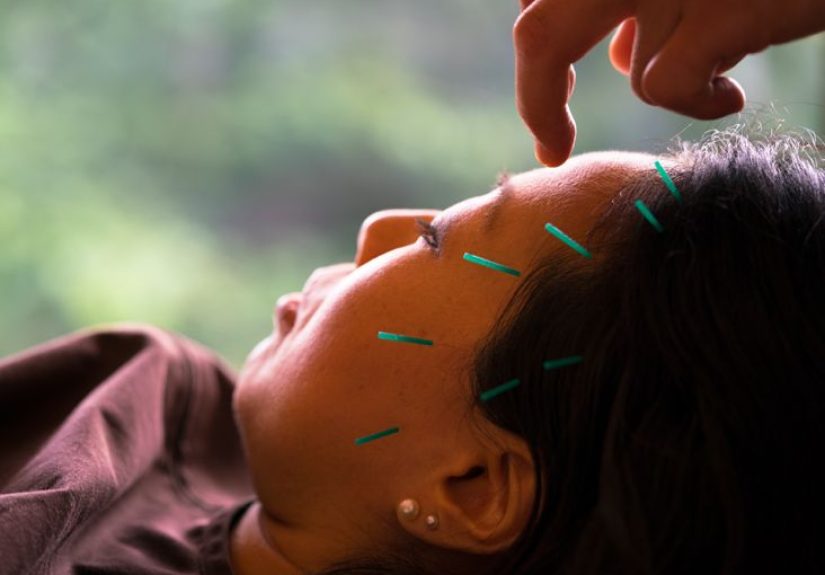
Once you’re on the table, the acupuncturist gently inserts very thin, sterile needles at specific points. For sleep, common areas include:
- Wrists and forearms
- Lower legs and ankles
- Ears (auricular acupuncture)
- Sometimes the scalp or forehead
You might feel a quick pinch, mild pressure, tingling, or a spreading “warm” sensation. Most people don’t describe it as painful; it’s more like a tiny, brief mosquito bite that then fades into nothingor into a wave of relaxation.
Then you just lie there. Many patients feel heavy, floaty, or deeply relaxed. Some even fall asleep on the table (which is basically a bonus nap you don’t have to feel guilty about).
How many sessions do you need?
There’s no universal formula, but a common starting plan for insomnia might be:
- Frequency: 1–3 sessions per week at first.
- Duration: 4–6 weeks of consistent treatment before evaluating results.
- Maintenance: Once your sleep improves, some people move to less frequent “tune-up” sessions.
Because acupuncture’s effects can be cumulative, you’re more likely to notice improvements after several sessions rather than after a single visit.
Is Acupuncture Safe for Sleep Issues?
When performed by a licensed, properly trained practitioner using sterile, single-use needles, acupuncture is considered very safe. Large reviews show serious complications are rare, especially compared with many medications used for chronic problems. Most side effects, when they occur, are mild and temporary.
Common mild side effects
- Slight soreness, bruising, or redness at needle sites
- Temporary fatigue or drowsiness after a session
- Occasional lightheadedness if you stand up too quickly afterward
Who should be extra cautious?
Talk with your healthcare provider and your acupuncturist before starting treatment if you:
- Are pregnant.
- Take blood thinners or have a bleeding disorder.
- Have a pacemaker or certain heart conditions (some electroacupuncture techniques may not be appropriate).
- Have a serious medical condition contributing to insomnia (like untreated sleep apnea, severe depression, or uncontrolled thyroid disease).
Acupuncture should complement, not replace, appropriate medical care. If you snore heavily, wake up choking or gasping, or feel extremely sleepy while driving, you may need a sleep study and evaluation for conditions such as obstructive sleep apneanot just more needles.
Acupuncture vs. Other Sleep Treatments
If you’re choosing between acupuncture and other options, it helps to think in terms of synergy rather than competition.
Acupuncture and CBT-I
Cognitive behavioral therapy for insomnia (CBT-I) is often considered the gold standard non-drug treatment for chronic insomnia. It helps retrain your brain and behaviors around sleep. Acupuncture may pair well with CBT-I by lowering anxiety, helping you relax, and making it easier to stick with behavioral changes.
Acupuncture and medication
Some people use acupuncture alongside prescription sleep medications or over-the-counter aids, especially while tapering down from long-term medication use under medical supervision. The goal isn’t necessarily to “replace” medication immediately, but to support your system so you may eventually need lessor noneover time.
Acupuncture and sleep hygiene
Acupuncture works best when it’s not fighting against three espressos at 5 p.m., a doom-scrolling habit in bed, and a bedroom that doubles as your home office and home gym. You’ll get more from your treatments if you also:
- Go to bed and wake up at consistent times.
- Limit caffeine and alcohol, especially later in the day.
- Dim lights and screens in the evening.
- Keep your bedroom cool, dark, and quiet.
Think of acupuncture as the “amplifier” and healthy habits as the “music.” The session can turn the volume up on your natural sleep systems, but you still need a reasonable soundtrack.
How to Find the Right Acupuncturist for Sleep
Your choice of practitioner can make a huge difference in your experience and results.
Check credentials
- Look for a licensed acupuncturist (L.Ac.) or an MD/DO with recognized acupuncture training.
- In the U.S., many practitioners are certified by organizations like the NCCAOM (National Certification Commission for Acupuncture and Oriental Medicine).
Ask the right questions
Before you commit, consider asking:
- How much experience do you have treating insomnia or sleep issues?
- What type of acupuncture do you use (e.g., body acupuncture, auricular acupuncture, electroacupuncture)?
- How many sessions do you usually recommend before we reassess?
- What lifestyle or self-care changes do you typically suggest alongside treatment?
Trust your comfort level
You should feel safe, heard, and respected during your sessions. If you feel rushed, dismissed, or pressured, it’s okay to seek another practitioner. The therapeutic relationship itself can be part of why you relax more and sleep better.
Real-World Tips and Experiences with Acupuncture for Sleep
Every insomnia story is different, but many people who’ve tried acupuncture for sleep describe a few common patterns and lessons learned. While these aren’t clinical trial data, they offer a realistic sense of what to expectand how to get the most from treatment.
1. The “nothing happened… and then suddenly something did” effect
Some people don’t notice much after the first session or two. They may feel a bit relaxed afterward and sleep slightly better that night, but nothing dramatic. Then, somewhere around the fourth or fifth visit, they realize it’s getting easier to fall asleep, or they’re no longer lying awake for an hour at 3 a.m. This delayed effect is common; acupuncture often works gradually, so it helps to think in terms of weeks, not single visits.
2. Sessions double as scheduled relaxation time
One underrated “side effect” of acupuncture is that it forces you to pause. For 20–40 minutes, you’re lying still, not checking your email, not scrolling, not trying to multitask. For stressed, overtired people, this alone can feel revolutionary. Many patients say the ritual of going to a calm, quiet space and being cared for helps signal to their bodies that it’s okay to downshift.
3. Lifestyle changes make the needles more powerful
People who combine acupuncture with practical changes tend to report the biggest improvements. That might mean setting a firm bedtime, cutting afternoon caffeine, using blackout curtains, or starting a pre-bed wind-down routine. Acupuncture can reduce the “wired and tired” feeling, but if you still drink energy drinks at dinner and fall asleep with the TV blasting, your results will likely be limited.
4. Anxiety and sleep feed into each otheracupuncture can help both
Many patients first seek acupuncture for anxiety and then notice their sleep quietly improves, or vice versa. Because acupuncture appears to influence both emotional regulation and physical relaxation, it often breaks the vicious cycle where poor sleep worsens anxiety, which then makes sleep even harder. People frequently describe feeling a little more resilient and less reactive during the day, which makes nighttime worries less intense.
5. Communication with your practitioner matters
Patients who speak openly with their acupuncturist about what is and isn’t working tend to see better results. If certain points feel uncomfortable, if you’re waking at a specific time every night, or if you have new stressors in your life, sharing that information allows the practitioner to adjust your treatment plan. Acupuncture isn’t a rigid “set and forget” protocol; it’s more like a personalized tuning session for your nervous system.
6. It can be part of a bigger healing story
For many people, insomnia isn’t just “I can’t sleep.” It’s tied to grief, trauma, burnout, hormonal shifts, or long-term stress. Acupuncture fits nicely into a larger healing plan that might include therapy, medical care, movement, and better boundaries around work and technology. Patients often say that as their sleep improves, other areas of life slowly feel easiermornings are less brutal, mood swings soften, and they have more energy for habits that keep them well.
At its best, acupuncture doesn’t just give you better nights. It helps build a body and mind that remember how to rest.
Bottom Line: Is Acupuncture Right for Your Zzz’s?
Acupuncture for sleep is neither mystical miracle nor useless hype. The current evidence suggests it can improve sleep quality, reduce awakenings, and ease anxiety in some people, with a good safety profile and few serious side effects. It won’t replace a sleep study if you have untreated sleep apnea, and it shouldn’t be your only strategy if your lifestyle is working against you. But as part of a thoughtful, holistic sleep plan, it can be a powerful ally.
If you’re curious and it’s safe for you medically, consider giving it a fair trialseveral weeks of consistent sessions with a qualified practitioner, plus realistic expectations and solid sleep habits. Your best treatment for your best Zzz’s may be a blend of ancient needles, modern science, and everyday choices that tell your body, “It’s okay. You can rest now.”