Table of Contents >> Show >> Hide
- What Is Coronavirus (COVID-19)?
- Common COVID-19 Symptoms
- How COVID-19 Spreads
- Who Is at Higher Risk for Severe COVID-19?
- Testing and Diagnosis
- COVID-19 Treatment: What Actually Helps?
- When to Seek Emergency Care
- How Long Should You Stay Home?
- Prevention: How to Lower Your Risk
- Long COVID: When Recovery Takes the Scenic Route
- Final Thoughts
- Common Experiences People Have With COVID-19
- SEO Tags
COVID-19 is no longer the mysterious villain that crashed the world’s plans in 2020, but it has not exactly retired to a beach town either. The disease still causes infections, still sends some people to the hospital, and still leaves others with lingering symptoms that overstay their welcome like a houseguest who keeps saying, “One more night.” If you want a clear, practical guide to coronavirus symptoms, how COVID-19 spreads, what treatment looks like now, and what recovery can feel like, you are in the right place.
This article breaks down the science in plain English, with enough detail to be useful and without turning into a medical textbook in a lab coat. Whether you are trying to tell COVID apart from a regular cold, wondering when to test, or figuring out whether antiviral treatment might help, here is what you need to know.
What Is Coronavirus (COVID-19)?
COVID-19 is the illness caused by SARS-CoV-2, a coronavirus that primarily affects the respiratory system but can also influence the heart, brain, digestive tract, and other parts of the body. Some people never develop symptoms. Others feel like they have a mild cold. And some people become seriously ill, especially older adults and people with certain medical conditions.
That wide range is part of what makes COVID-19 so frustrating. It rarely follows one script. Two people in the same house can catch the same virus and have very different experiences. One has a sore throat and naps for a weekend. The other ends up needing oxygen and medical monitoring. Same villain, very different plot twists.
Common COVID-19 Symptoms
COVID-19 symptoms usually show up within a few days after exposure, though the timing can vary. Symptoms can also shift during the illness. You may start with a scratchy throat, then add congestion, body aches, and fatigue a day or two later. That unpredictability is annoyingly on-brand for this virus.
Most common symptoms
- Fever or chills
- Cough
- Sore throat
- Runny or stuffy nose
- Shortness of breath
- Fatigue
- Headache
- Muscle or body aches
- Nausea, vomiting, or diarrhea
- New loss of taste or smell
Some symptoms overlap with the flu, RSV, allergies, and the common cold, which is why testing still matters. A sore throat alone does not tell the whole story. Neither does a cough, congestion, or that one coworker who insists, “It’s definitely just weather.” Weather does a lot, but it does not cause COVID.
How symptoms can vary
COVID-19 may be asymptomatic, mild, moderate, severe, or critical. Mild cases can feel like a cold with a miserable personality. Moderate illness may include stronger fatigue, chest tightness, or more persistent cough. Severe illness can involve low oxygen levels, breathing difficulty, pneumonia, and hospitalization.
Children can get COVID-19 too. Many recover well at home, but infants, children with underlying health conditions, and medically complex kids may face a higher risk of complications. Families should pay close attention to hydration, breathing changes, and worsening symptoms rather than assuming kids always “bounce back” immediately.
How COVID-19 Spreads
COVID-19 transmission happens mainly through respiratory particles released when an infected person breathes, talks, sings, coughs, or sneezes. In simpler terms, the virus is mostly an air problem, especially indoors. It spreads more easily in crowded spaces, places with poor ventilation, and situations involving close contact over time.
People can spread the virus before symptoms begin, while they have symptoms, and sometimes even if they never feel sick at all. That is one reason COVID-19 managed to move through families, offices, schools, and events so efficiently. It does not wait politely for an official announcement.
Situations that raise transmission risk
- Indoor gatherings with poor airflow
- Close, face-to-face contact for extended periods
- Crowded public spaces
- Singing, cheering, or heavy exercise indoors
- Living in the same household as an infected person
Surface transmission is possible, but it is not considered a major driver compared with breathing in infectious particles. In other words, washing your hands is still a good habit, but cleaner air and staying away from others when sick matter a lot more than staging a dramatic bleach opera on your kitchen counter.
Who Is at Higher Risk for Severe COVID-19?
Anyone can get sick from COVID-19, but some groups face a much higher risk of severe illness, hospitalization, or death. Risk rises with age, and it also increases when someone has one or more underlying medical conditions.
Higher-risk groups include:
- Adults age 65 and older
- People with heart, lung, kidney, or liver disease
- People with diabetes
- People with obesity
- People who are immunocompromised
- Pregnant people
- People with cancer or those receiving immune-suppressing treatment
- Some children and teens with complex medical conditions
If you fall into one of these groups, early testing and fast medical advice become much more important. Timing matters because several COVID-19 treatments work best when started in the first few days after symptoms begin.
Testing and Diagnosis
Testing remains one of the most useful tools for managing COVID-19. It helps confirm whether symptoms are caused by SARS-CoV-2 and can guide decisions about treatment, precautions, school, work, and protecting high-risk family members.
Main types of COVID-19 tests
Antigen tests are the quick ones. Many are sold as at-home self-tests and can give results in minutes. They are convenient, but they are less sensitive than molecular tests, especially early in an infection.
PCR or NAAT tests detect viral genetic material and are generally more sensitive. They are often the better choice if you want the most accurate answer, especially when symptoms are present but an antigen test is negative.
Important testing tip
If you use an at-home antigen test and get a negative result, that does not always mean you are in the clear. Repeat testing is often recommended, especially if symptoms continue. Think of one negative rapid test as a snapshot, not the entire movie.
If you test positive, assume you currently have a COVID-19 infection and take steps to avoid spreading it to others. If you are older or have risk factors for severe illness, contact a healthcare provider quickly to ask whether treatment is appropriate.
COVID-19 Treatment: What Actually Helps?
COVID-19 treatment depends on how sick you are, how long you have had symptoms, and whether you are at high risk for severe illness. Most mild cases improve with supportive care. Higher-risk patients may qualify for antiviral medications that can lower the chance of hospitalization or death.
At-home care for mild illness
- Rest
- Fluids and hydration
- Fever reducers or pain relievers if appropriate
- Cough medicine or symptom relief as recommended by a clinician
- Monitoring for worsening symptoms
For many people, home treatment is mostly about comfort, hydration, sleep, and keeping an eye on the situation. It is not glamorous, but it is effective. Your couch may not have a medical degree, yet it has helped a lot of people get through mild COVID.
Prescription antiviral treatment
If you are at high risk for severe COVID-19, your clinician may recommend antiviral treatment. The most commonly discussed options include:
- Paxlovid (nirmatrelvir/ritonavir), which is taken by mouth and should usually begin within 5 days of symptom onset
- Remdesivir (Veklury), an antiviral given by IV and typically started within 7 days of symptom onset
- Molnupiravir in certain situations when other options are not appropriate
The key detail is speed. These treatments work best early. Waiting a week and then deciding to “see how it goes” may close the window when the medicine is most useful. COVID can be many things, but it is not a project that improves with procrastination.
What about antibiotics, vitamins, and random internet cures?
Antibiotics do not treat COVID-19 itself because COVID is caused by a virus, not bacteria. Supplements may be helpful for general nutrition if you are deficient, but they are not magic bullets. Be skeptical of viral posts promising a miracle cure from your spice rack, garage shelf, or cousin’s group chat.
Hospital treatment for severe illness
People with severe COVID-19 may need oxygen, close monitoring, antiviral therapy, anti-inflammatory medication, or more advanced hospital care. Severe illness is exactly why preventing progression matters so much. Catching the infection early and treating eligible patients quickly can change the whole outcome.
When to Seek Emergency Care
Call emergency services or seek immediate medical attention if you or someone else with COVID-19 has:
- Trouble breathing
- Persistent chest pain or pressure
- New confusion
- Inability to wake or stay awake
- Pale, gray, or blue-colored skin, lips, or nail beds, depending on skin tone
In children, warning signs can also include dehydration, worsening breathing problems, unusual sleepiness, or symptoms that seem to be rapidly getting worse. When in doubt, get medical help. No one wins a prize for trying to “tough it out” through a breathing emergency.
How Long Should You Stay Home?
Current respiratory virus guidance focuses on symptoms rather than a single one-size-fits-all isolation number. In general, you should stay home and away from others while you feel sick. Once your symptoms are improving overall and you have been fever-free for at least 24 hours without using fever-reducing medication, you can return to normal activities.
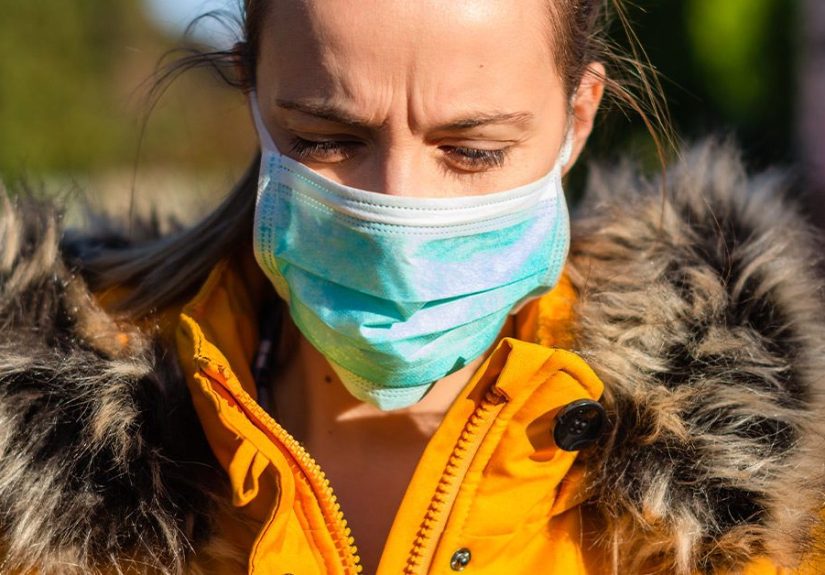
For the next 5 days, add extra precautions such as wearing a mask in close indoor settings, improving ventilation, keeping distance when possible, and being more careful around people at high risk. That “I’m feeling better” moment is great, but it is not necessarily the same as “I cannot spread this anymore.”
Prevention: How to Lower Your Risk
Preventing COVID-19 is about layers, not perfection. No single strategy is unbeatable on its own, but several small steps together can make a big difference.
Smart prevention habits
- Stay up to date with recommended COVID-19 vaccination
- Improve airflow indoors
- Wear a mask in crowded indoor settings if risk is high
- Test when symptoms start or after a known exposure
- Wash hands regularly
- Stay home when sick
- Seek treatment quickly if you are high risk
Vaccination continues to be one of the best ways to reduce the risk of severe illness, hospitalization, and long COVID. The details of vaccine recommendations can change as formulas are updated, so it is smart to check the latest guidance if you are older, immunocompromised, pregnant, or living with chronic conditions.
Long COVID: When Recovery Takes the Scenic Route
Some people recover from COVID-19 and feel normal within days or weeks. Others develop symptoms that linger or new symptoms that appear later. This condition is commonly called long COVID.
Long COVID may include:
- Fatigue
- Shortness of breath
- Brain fog
- Dizziness
- Sleep problems
- Ongoing cough
- Changes in smell or taste
- Exercise intolerance
Long COVID can affect adults, children, and even people whose initial infection seemed mild. That is one reason prevention and early treatment still matter. COVID is not only about the first few days of illness. Sometimes the bigger story comes later.
Final Thoughts
Coronavirus is more familiar now, but familiarity should not be confused with harmlessness. COVID-19 can look like a cold, act like a flu, or escalate into something far more serious. Knowing the symptoms, understanding how transmission happens, testing early, and seeking treatment fast if you are high risk are the practical steps that make the biggest difference.
If there is one takeaway worth taping to the fridge, it is this: act early, not dramatically. Test when symptoms begin, stay home while sick, get medical advice quickly if you are higher risk, and do not ignore warning signs. COVID may be complicated, but your response does not have to be.
Common Experiences People Have With COVID-19
This section reflects common, well-documented experiences reported by patients, families, and clinicians rather than a single personal story.
One of the most common COVID-19 experiences starts with confusion. A person wakes up with a sore throat, some congestion, and a little fatigue. They assume it is allergies, a cold, bad sleep, or the price of spending too much time in air conditioning. By afternoon, the headache hits. By evening, they are tired in that oddly specific way that makes folding laundry feel like Olympic training. That is when many people finally think, “Maybe I should test.”
Another very typical experience is the household domino effect. One person feels sick, takes a rapid test, and suddenly the family calendar turns into a strategy board. Who can isolate? Who needs to cancel dinner? Who sat next to Grandpa yesterday? Which bathroom is now the “sick bathroom”? COVID has a talent for turning normal homes into temporary logistics centers. Families often describe the mental side of this as just as exhausting as the physical symptoms.
For people with mild illness, the experience is often less dramatic but still frustrating. Many describe the first few days as a strange mash-up of cold, flu, and jet lag. They may have a sore throat, cough, body aches, fever, and a level of fatigue that makes simple tasks feel weirdly expensive. Some lose taste or smell. Others mainly notice brain fog and low energy. A lot of people say the hardest part is not the worst symptom, but the stop-and-start nature of recovery. They feel better in the morning, worse by night, then better again the next day.
High-risk patients often describe a race against the clock. Once they test positive, the next question is not just “Do I have COVID?” but “Can I start treatment in time?” This is where early action matters. People who qualify for antiviral treatment frequently talk about the relief of having a plan, even before they feel better. A phone call to a doctor, a pharmacy pickup, or an outpatient infusion appointment can feel like regaining a little control over a very unpredictable illness.
Parents often describe a different kind of stress when children get COVID-19. Kids may seem fine one minute and miserable the next. Many parents spend a lot of time watching for breathing changes, checking temperatures, encouraging fluids, and wondering whether the child just needs sleep or actually needs medical care. Even when symptoms stay mild, the uncertainty can be exhausting.
Then there is the experience people rarely expect: symptoms that linger. Some individuals feel mostly recovered, then realize weeks later that climbing stairs is harder, concentration is worse, or fatigue keeps crashing into ordinary routines. That long-tail recovery can be one of the most discouraging parts of COVID-19. People often say they look normal on the outside but do not feel normal at all. It can affect work, school, exercise, and mood.
In the end, the shared experience of COVID-19 is not that every case is identical. It is that uncertainty shows up in almost every case. People wonder how bad it will get, how long it will last, whether they will spread it to others, and when they will feel like themselves again. Clear information, early testing, timely treatment, and a little patience can make that experience far more manageable.