Table of Contents >> Show >> Hide
- What Is the DINERA Side Plate, Black?
- Why Matte Black Plates Keep Winning Kitchens (and Cameras)
- Stoneware 101: What It Means for Daily Use
- How to Style the DINERA Side Plate Like You Meant to Do That
- What a Side Plate Is Actually For (Besides Salads)
- Care and Cleaning: Keeping Matte Black Looking “New-ish”
- Food Safety Notes: Ceramics, Glazes, and What Matters
- Buying the DINERA Side Plate, Black in 2025
- Conclusion: A Small Plate That Makes Daily Meals Feel Designed
- Real-Life Experiences With the DINERA Side Plate, Black (About )
- SEO Tags
A side plate sounds like the most “background character” item in the kitchenuntil you meet a matte black one.
Suddenly your Tuesday night toast looks like it belongs in a moody restaurant montage, and your leftover brownie
has “plated dessert” energy. The DINERA Side Plate, Black built a small-but-mighty fan club for exactly
that reason: it’s simple, modern, and quietly dramatic in a way that makes food look like it’s trying harder.
This article breaks down what makes the DINERA black side plate special (even if you’re hunting it on the resale
market), how matte-glazed stoneware behaves in real kitchens, and how to keep black dinnerware looking intentional
instead of “why is every crumb in my house suddenly visible.”
What Is the DINERA Side Plate, Black?
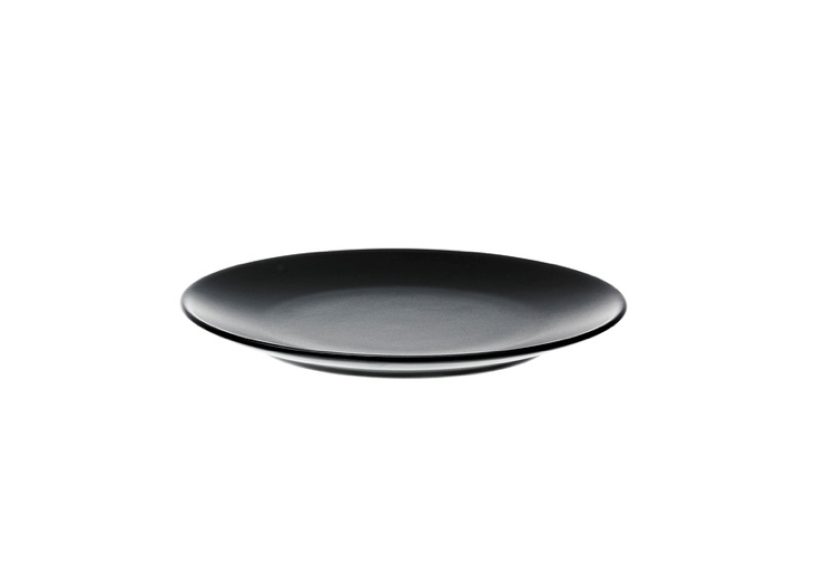
Quick snapshot: what you’re actually getting
- Type: Side plate (great for salads, desserts, small plates, snacks)
- Look: Matte black, coupe-style simplicity (no busy rim, no fussy embossing)
- Material: Stoneware with a colored glaze
- Size: About 7 7/8 inches in diameter (a sweet spot between “saucer” and “dinner plate”)
- Sold as: Commonly seen in a 4-pack
- Design: Associated with designer Susan Pryke
The most important thing to understand is that DINERA is intentionally understated. The magic isn’t in a patternit’s in
the shape and finish. The matte glaze gives it a soft, tactile look that feels modern and rustic at the same time
(like you own linen napkins even if you actually own paper towels with ambition).
Why Matte Black Plates Keep Winning Kitchens (and Cameras)
1) Contrast makes food look louderin a good way
Black dinnerware is basically a built-in highlighter for color. Bright fruit, leafy greens, golden pastries, or a
swirl of sauce pop more against a dark background. If you like taking photos of mealswhether it’s for social media,
a recipe blog, or just to prove you once cooked something besides noodlesblack plates can make plating look more
intentional with less effort.
2) The vibe is “minimalist,” not “trying too hard”
A matte black side plate reads clean and modern, but it’s also neutral enough to mix with wood boards, white bowls,
vintage glassware, or whatever you inherited from someone who definitely had a “formal dining room.”
DINERA’s strength is that it doesn’t argue with the rest of your tableit quietly makes everything else look
curated.
3) The honesty clause: crumbs, water spots, and utensil marks exist
Black plates are not magical portals where mess disappears. They can hide certain stains, sure, but they may also
showcase tiny salt crystals, flour dust, or water spots if you air-dry and walk away like a confident adult.
Matte finishes can also pick up faint silverware marks over time. None of this is a dealbreakerit’s just the
“no one told me” section you deserve before committing to a dark dinnerware era.
Stoneware 101: What It Means for Daily Use
Durable, but not invincible
Stoneware is popular because it tends to feel sturdy, substantial, and “everyday-friendly.” It generally holds up
well to regular use, though it can be heavier than porcelain or glass-based dinnerware. And like most ceramics, it
can chip if it takes a sharp hit on the edge (countertops: 1, plates: 0).
Heat behavior: microwave and dishwasher are usually finejust avoid drama
Many stoneware pieces are designed for everyday convenience, including dishwasher cleaning and microwave reheating.
The biggest enemy isn’t the dishwasherit’s thermal shock, which is a fancy way of saying “don’t go
from very cold to very hot (or vice versa) in a heartbeat.” Think: taking a plate from the fridge and immediately
blasting it in a screaming-hot environment, or rinsing a hot plate under cold water.
Practical rule: let the plate come closer to room temp before extreme temperature changes. Your dinnerware doesn’t
need a spa day; it just needs you not to surprise it like a jump scare.
Matte glaze and utensil marks: why they happen
Those gray streaks you sometimes see on matte plates? Often they’re not the plate “scratching” so much as
metal transfer from cutlery. Matte and satin finishes can show this more than glossy glazes
because the surface scatters light differently. The good news: mild cleaning methods usually help, and prevention
is mostly about using non-abrasive tools and not treating your plates like cutting boards.
How to Style the DINERA Side Plate Like You Meant to Do That
Go classic: black + white + one natural texture
If you want the DINERA plate to look “editorial” without overthinking it, pair it with white bowls or a white dinner
plate underneath, then add one natural elementwood serving boards, linen napkins, or a woven placemat. This keeps
the black from feeling heavy and makes the whole table look balanced.
Add warmth with metals (yes, even on a budget)
Gold-toned, brushed brass, copper, or even stainless flatware plays well with matte black. You don’t need a full
flatware upgradesometimes just a gold dessert fork or a small spoon for coffee makes the setting feel elevated.
Black plates are like a black outfit: accessories do a lot of work.
Mix-and-match without the “everything is random” look
A simple trick: keep shape consistent if you’re mixing colors. DINERA’s clean, rounded form looks good next to
other coupe-style pieces. Or keep color consistent and mix shapes. One anchor (shape or color) keeps the table
cohesive even if your collection is a “bought this during three different life eras” situation.
What a Side Plate Is Actually For (Besides Salads)
Breakfasts that feel less chaotic
A 7–8 inch plate is perfect for toast, a bagel, a pastry, or a small egg-and-fruit combo. On a matte black plate,
even peanut butter toast looks like it has a personal trainer and a vision board.
Desserts and “something sweet” moments
Brownies, cookies, cake slices, fruit tartsblack plates make dessert look intentional. If you’re serving guests,
it also creates a visual cue that dessert is a “course,” not just a snack you’re eating over the sink like a raccoon
with excellent taste.
Small plates for hosting (the easiest entertaining upgrade)
Appetizers and small bites look great on dark dinnerware: bruschetta, deviled eggs, dumplings, cheese-and-fruit
combos. The plate becomes a neutral stage, especially for colorful foods (berries, herbs, citrus, sauces).
Care and Cleaning: Keeping Matte Black Looking “New-ish”
Dishwasher tips that reduce chips and cloudy spots
- Don’t overcrowd: Give plates space so they don’t clack together during the wash cycle.
- Avoid harsh abrasives: Skip gritty powders and aggressive scrubbers that can dull the finish.
- Air-dry mindfully: If your water is hard, towel-drying can reduce spots on dark surfaces.
Removing utensil marks without wrecking the finish
For light gray streaks, try a gentle paste of baking soda and water on a soft cloth or non-scratch sponge.
Rub lightly, rinse well, and dry. The goal is to lift metal transfernot to sand your plate into a different
personality.
Avoiding thermal shock (aka: don’t shock your plate like it’s a contestant)
- Let very cold plates warm up a bit before microwaving.
- Don’t rinse a hot plate under cold water right away.
- Let dishes cool slightly before stacking tightly (heat + pressure + glaze can be a weird combo).
When to retire a plate from food use
If you see deep chips along the rim, cracks, or severe surface damage, it’s smart to stop using it for serving food.
Chips can create rough edges that trap residue and are harder to clean well. Keep it as a spoon rest, a candle
plate, or a jewelry catch-allbecause yes, a plate can have a second career.
Food Safety Notes: Ceramics, Glazes, and What Matters
Most mainstream dinnerware sold through major retailers is designed to be food-safe, but it’s still wise to be
informed about ceramics in general. Safety conversations often center on heavy metals like lead and cadmium, which
can be present in some glazes or decorationsespecially in improperly made or non-compliant items.
The practical takeaway for shoppers is straightforward:
- Stick with reputable brands and established sellers for food-contact items.
- Be cautious with unknown pottery meant “for décor” that isn’t labeled for food use.
- If a plate is cracked, heavily crazed, or badly chipped, retire it from serving food.
Buying the DINERA Side Plate, Black in 2025
Is it discontinued? Possiblyand that changes how you shop
The DINERA black line has been listed as discontinued by some replacement and pattern-tracking retailers, which
explains why many people run into it via resale listings rather than a fresh “add to cart” moment.
If you’re building a set or replacing a broken favorite, you’ll want to shop like a collector (calmly, but with
good eyesight).
What to check on resale listings
- Finish consistency: Matte black can vary slightly with lightingask for multiple photos.
- Edge chips: Zoom in on rims; that’s where most damage happens.
- Crazing and cracks: Fine crackle lines in glaze may be cosmetic, but heavy crazing can be a red flag.
- Matching pieces: If you’re mixing production batches, expect minor differences.
Want the look, but not the scavenger hunt?
If your goal is “matte, modern, IKEA-friendly dinnerware,” consider browsing current IKEA lines with similar
minimalist styling. IKEA regularly carries neutral, mix-and-match collections designed for everyday use and easy
cleanup, often in matte or simple glazes. You’ll get the same styling flexibility without having to message three
sellers and a mysterious aunt on Marketplace.
Conclusion: A Small Plate That Makes Daily Meals Feel Designed
The DINERA Side Plate, Black is proof that “small” doesn’t mean “forgettable.” Its matte black finish
and simple silhouette make it a reliable everyday piece and a surprisingly powerful styling toolespecially for
desserts, snacks, and small plates that deserve a little spotlight.
If you already own DINERA, caring for it is mostly about gentle cleaning, smart dishwasher loading, and avoiding
extreme temperature swings. If you’re hunting for it now, shop carefully, check condition details, and know that
the DINERA aesthetic is achievable even if you end up mixing it with other minimalist pieces.
Either way, your toast is about to look more expensive than it has any right to.
Real-Life Experiences With the DINERA Side Plate, Black (About )
People who love matte black dinnerware tend to describe the same “first week” experience: they put something
extremely ordinary on the platelike a peanut butter sandwich or a reheated slice of pizzaand it suddenly looks
like a deliberate choice. The plate doesn’t make the food taste better, of course, but it changes the mood.
Breakfast feels calmer. Dessert feels like a course. Even snacks feel like you’re practicing good habits instead
of wandering the kitchen like a confused satellite.
For home cooks who photograph meals, the DINERA black side plate often becomes a go-to “color booster.” Bright foods
pop: strawberries look redder, herbs look greener, and anything with a drizzle (honey, caramel, balsamic reduction)
stands out with extra contrast. Some people keep two or three side plates specifically for serving small
photogenic itemscookies, tarts, appetizersbecause the matte black background feels consistent across different
meals and seasons. It’s like having a reliable backdrop that doesn’t clash with your food.
Then comes the “real kitchen” part: black plates can be honest. Tiny crumbs show up, especially with dry foods
like crackers or flaky pastries. If you’re the type to rinse and air-dry without wiping, you may notice water
spots more than you do on white dishes. Many owners solve this by towel-drying the black pieces right away (or
pretending they’ll towel-dry and then doing it later when guests arriveboth are valid lifestyles).
Utensil marks are another common topic. Some users notice faint gray streaks after a while, particularly if they
use stainless flatware and cut directly on the plate. The usual experience is that these marks are more annoying
than serious: they’re often superficial, and gentle cleaning methods can reduce them. The bigger lesson people
share is “use the side plate for serving, not sawing,” and save heavy cutting for a cutting board or a more
forgiving surface.
In entertaining settings, DINERA side plates get a lot of love because they unify a table quickly. Even if the rest
of the table is mismatcheddifferent glasses, borrowed napkins, a centerpiece that started as “fresh flowers” and
ended as “two limes in a bowl”matching black side plates make the setup feel coordinated. Hosts often use them
for dessert service because it creates a consistent “final course” moment without needing special china.
Finally, there’s the “I wish I bought more” story. Because DINERA black pieces have been harder to find new in some
places, people who break a plate or want to expand their set sometimes end up hunting for replacements. The most
common advice from long-time owners is: if you find a set in great condition and you love the look, grab enough
for how you actually eat. Side plates are the workhorsessnacks, toast, sweets, small saladsand they tend to get
used constantly. In other words, they’re not just pretty. They’re practical. And yes, your toast will continue to
look like it has a personal brand.