Table of Contents >> Show >> Hide
- What’s Driving Food Trends Right Now
- The Food Trends You’ll See Everywhere (and Why They’re Happening)
- Trend #1: Gut health goes mainstream (hello, fiber)
- Trend #2: Protein everywhere (but with better strategy)
- Trend #3: Spicy gets smarter (the “swicy” era and beyond)
- Trend #4: Fermentation and pickling as flavor (and sustainability)
- Trend #5: Southeast Asian cuisines (and hyper-regional exploration)
- Trend #6: Sober-curious sipping and modern beverage culture
- Trend #7: Pantry prestige (tinned fish… and now tinned vegetables)
- Trend #8: Mini indulgences, flights, and sensory maximalism
- Trend #9: Restaurants streamline and “complete the build”
- Trend #10: AI and data-driven eating (quietly, everywhere)
- How to Use Food Trends Without Becoming “That Person”
- Final Bite
- 500-Word “Experience” Add-On: What Food Trends Feel Like in Real Life
Food trends are basically the internet’s group chat… except you can eat the receipts. One month it’s “put chili crisp on everything,” the next month it’s “actually, can we all please chew more fiber?” And somehow, both ideas can be true at the same time.
In the U.S., food trends don’t just happen because someone filmed a very satisfying crunch. They’re shaped by real forces: what costs too much, what feels healthier, what’s easier after a long day, what’s exciting enough to post, and what restaurants can actually execute with today’s labor and supply realities.
What’s Driving Food Trends Right Now
1) Wellness gets practical (and snackable)
“Health-forward” used to mean a sad desk salad. Now it looks more like gut-friendly drinks, high-protein snacks, and ingredients people recognize. The vibe has shifted from perfection to progress: add something beneficial, don’t punish yourself.
2) Value matters, but flavor still wins
Americans are watching budgets, yet they’ll pay for food that feels worth itespecially if it delivers bold flavor or a little escapism. That’s why you’ll see “value deals” living right next to “Korean-inspired everything” on trend lists.
3) Convenience is evolving past “microwave and pray”
Convenience foods are leveling up: better ingredients, smarter packaging, and restaurant-grade shortcuts. The new flex is time, not suffering. If a tinned vegetable makes dinner feel chef-y in five minutes, that’s not “lazy”that’s “strategic.”
4) Global flavors get more specific
“Asian” is no longer a single menu checkbox. Hyper-regional flavors and techniques are increasingly mainstream, helped by travel, social media, and better access to authentic ingredients at grocery stores.
5) Tech quietly shapes what we eat
Personalization, AI-driven menu decisions, and data-based trend forecasting influence everything from restaurant menus to what gets promoted in your shopping app. The future isn’t just tastyit’s optimized.
The Food Trends You’ll See Everywhere (and Why They’re Happening)
Trend #1: Gut health goes mainstream (hello, fiber)
Gut health has moved from niche wellness circles into everyday shopping carts. Expect more products positioned around digestion: fiber-forward snacks, prebiotic and probiotic beverages, and fermented foods that promise both flavor and functionality.
What’s new is how normal it feels. Instead of “cleanse culture,” it’s “I’d like my stomach to not file a complaint after lunch.” Brands are meeting consumers with approachable formats: sparkling tonics, easy-to-drink cultured beverages, and snack bars that talk about fiber like it’s a life coach.
Example to try: Build a “gut-friendly snack plate” that doesn’t taste like homework: kefir or a cultured drink, a fiber-rich cracker, and something bright and pickled for contrast.
Trend #2: Protein everywhere (but with better strategy)
Protein remains kingespecially as consumers look for satiety and muscle supportbut the trend is maturing. Instead of only “bigger protein,” we’re seeing “easier protein” and “better protein experiences”: convenient packs, ready-to-eat options, and high-protein staples turning into trending ingredients again.
Cottage cheese is a great example: it’s not new, it’s just getting a glow-up through social recipes and high-protein positioning. Greek and Icelandic yogurts keep growing too, because they’re simple, versatile, and actually work in both sweet and savory meals.
Example to try: Use cottage cheese as a creamy base (blend it!) for a lemon-herb dip, then eat it with cucumbers, pita, or roasted vegetables. High protein, high satisfaction, zero sad vibes.
Trend #3: Spicy gets smarter (the “swicy” era and beyond)
America still loves heatbut now it wants flavor complexity, not just pain. “Swicy” (sweet + spicy) is everywhere, and hot honey helped open the door for a whole ecosystem of pepper-forward sauces, fruity chiles, smoky heat, and spicy-sour combinations.
Restaurants and brands are exploring specific chiles (not just “spicy”) and pairing heat with sweetness, citrus, and umami. The result is bolder menus and condiments that can upgrade simple foods fastwhich is exactly what today’s convenience-minded eater wants.
Example to try: Add a swicy finish to weeknight basics: drizzle hot honey on pepperoni pizza, roasted carrots, or a fried chicken sandwich. One bottle, ten personalities.
Trend #4: Fermentation and pickling as flavor (and sustainability)
Fermentation isn’t just for kombucha fans anymore. Pickled and fermented flavors show up in condiments, snacks, and restaurant dishes because they deliver big taste, a “crafted” feel, and perceived wellness benefits.
It also aligns with a sustainability mindset: fermentation and pickling are historically about preservation and reduced waste. In modern kitchens, it’s a delicious way to extend shelf life and add complexity without relying on heavy processing.
Example to try: Keep one fermented item on standbykimchi, sauerkraut, or miso. Add it to rice bowls, scrambled eggs, grilled cheese, or noodles for instant depth.
Trend #5: Southeast Asian cuisines (and hyper-regional exploration)
Global flavors aren’t fading; they’re getting more precise. Southeast Asian cuisinesthink Vietnamese, Korean, Filipino, and beyondare strongly represented in restaurant trend forecasting. Consumers are increasingly comfortable with nuanced spice, tangy flavors, and fermented components.
What makes this trend durable is access: more Asian grocery stores, more pantry products, and more home cooks experimenting with ingredients like miso, gochujang, tamarind, and ube. Once ingredients are in the pantry, they become part of the routine.
Example to try: Do a “one-sauce upgrade.” Pick one ingredientmiso paste, gochujang, or tamarindand use it in three ways: a salad dressing, a glaze for chicken/tofu, and a noodle sauce.
Trend #6: Sober-curious sipping and modern beverage culture
Beverage trends are exploding in both directions: inventive non-alcoholic drinks and elevated “treat” drinks (cold brew, spritzes, specialty flavors). More menus treat “with or without alcohol” as a normal choice, not a special request.
Non-alcoholic spirits, canned mocktails, and alcohol-free beer/wine are growing as consumers want the ritual and flavor without the aftereffects. At the same time, cold brew and specialty coffee culture keeps innovating because Americans love caffeine and personality in a cup.
Example to try: Make a “grown-up” NA spritz at home: chilled citrus tonic, a splash of verjus or vinegar shrub, and a salted grapefruit rim. It feels like a cocktail without pretending to be one.
Trend #7: Pantry prestige (tinned fish… and now tinned vegetables)
The pantry is becoming a stage for quick, beautiful meals. Tinned fish rose from “emergency sandwich filling” to “candlelit dinner accessory,” and now premium tinned vegetables are joining the party. The appeal is obvious: shelf-stable, high quality, instantly useful, and surprisingly elegant.
This trend pairs perfectly with the modern dinner reality: you want something that tastes intentional, but you also want to eat before your phone battery dies.
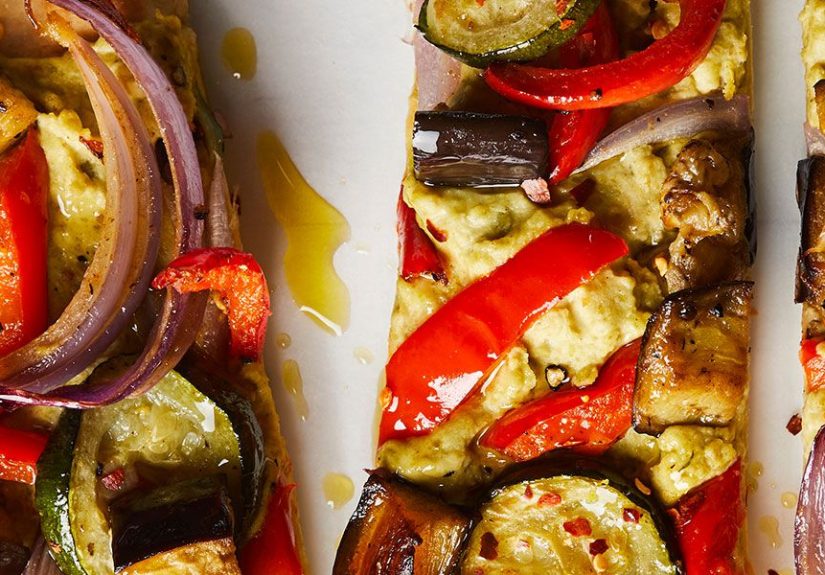
Example to try: “Tin-to-table toast.” Toast good bread, add a spread (ricotta, hummus, or butter), then top with tinned fish or a chef-y tinned vegetable and finish with lemon and herbs.
Trend #8: Mini indulgences, flights, and sensory maximalism
Consumers want joy, but not necessarily a three-day sugar hangover. Enter mini formats: bite-size desserts, snack flights, and small “treat experiences” that feel special without feeling excessive.
At the same time, brands are leaning into sensory excitementcrunchy textures, sour notes, sweet-savory pairings, and visually playful packagingbecause food now competes in the attention economy. If it looks fun and sounds crunchy, it has a fighting chance.
Example to try: Create a “mini dessert flight” for friends: three small sweets with different textures (crispy, creamy, chewy). It’s a party trick that costs less than a single giant cake.
Trend #9: Restaurants streamline and “complete the build”
After years of endless customization, many restaurants are tightening menus and leaning into complete, well-defined dishes. Streamlined menus help with staffing, consistency, and speed. For customers, it reduces decision fatigue and makes pricing clearer.
This trend often pairs with limited-time offers: restaurants can test flavors quickly, generate buzz, and keep operations manageable. It’s innovation with guardrailslike letting your creativity run wild, but only in one room of the house.
Trend #10: AI and data-driven eating (quietly, everywhere)
AI is showing up in restaurant operations, trend prediction, and personalization. Consumers might not call it “AI,” but they’ll feel it when menus get smarter, recommendations improve, and brands get better at anticipating what you’ll crave next Tuesday at 3:17 p.m.
The key point: tech doesn’t replace tasteit accelerates what already works. If a flavor combo gets traction, data helps it spread faster than ever.
How to Use Food Trends Without Becoming “That Person”
For home cooks
- Adopt one trend at a time. Pick a single ingredient (miso, hot honey, kimchi) and use it in 3–5 meals.
- Upgrade convenience. Keep one “shortcut hero” on hand: frozen dumplings, canned fish, or a great jarred sauce.
- Focus on combos. Most trends are just smart pairings: spicy + sweet, crunchy + creamy, sour + savory.
For restaurants and food brands
- Make trends operational. Choose trends that fit your equipment, labor, and supply chain realities.
- Use LTOs for testing. Limited runs let you learn fast without remodeling your whole menu.
- Tell a simple story. “Fermented for flavor” lands better than a paragraph about microbial ecosystems.
Final Bite
The most durable food trends aren’t just flashythey solve a real problem. They make food feel better, easier, more interesting, or more worth the money. That’s why we’re seeing the same themes repeat across restaurants, grocery aisles, and social feeds: wellness that tastes good, convenience that feels premium, global flavors with specificity, and small moments of joy you can actually fit into your day.
So yesgo ahead and try the new thing. Just remember: the best trend is the one you’ll still want to eat after the algorithm moves on.
500-Word “Experience” Add-On: What Food Trends Feel Like in Real Life
Food trends sound big and abstract until you notice them sneaking into your Tuesday. It usually starts innocently: you walk into a grocery store for “just eggs,” and you leave with a probiotic soda, chili crisp, and a tiny jar of something labeled “yuzu kosho” that you absolutely did not plan for. Congratulationsyou are now participating in cultural history (and also carrying too many bags).
Here’s the most relatable part: trends often show up as solutions. You’re busy, you’re hungry, and you want food that feels like you tried. That’s why the pantry glow-up is so addictive. A tin of fish or a chef-y preserved vegetable turns “I have nothing” into “I have options” in about 90 seconds. Toast becomes a canvas. A lemon becomes a finishing move. Suddenly your dinner looks like it has a point of view.
The “better-for-you” trend feels different now, too. Instead of dieting energy, it’s more like self-maintenance. You might grab a fiber-forward snack because you genuinely want to feel good, not because you’re trying to become a different person by Friday. The funniest part is how quickly you become fluent in wellness vocabulary. One day you’re like, “I should eat a vegetable,” and the next you’re saying, “I’m focusing on gut health,” as if your stomach has a quarterly performance review.
Heat trends are pure emotion. Spicy food is the easiest way to make a meal feel exciting when everything else is repetitive. But now the spice is more “curated.” You don’t just want hotyou want hot with a little story: smoky, fruity, tangy, maybe sweet. That’s how you end up putting hot honey on pizza and realizing it makes alarming sense. It’s not a gimmick; it’s a shortcut to “wow.”
Beverage trends are where you really feel the culture shifting. A few years ago, ordering a non-alcoholic drink at dinner could feel like asking for permission. Now it’s normal, and the drinks are actually goodcomplex, botanical, sour, bubbly, and designed to feel like an occasion. It’s less about restriction and more about choice. Sometimes you want the vibe without the fog. Sometimes you want a spritz because life is hard and bubbles help.
And then there’s the “mini indulgence” experience: the joy of small treats that don’t derail your day. A tiny dessert flight. A one-bite pastry. A snack board that looks fancy but is basically assembled, not cooked. These trends don’t just feed youthey give you a moment. And honestly, that might be the biggest trend of all: food that fits real life and still feels fun.