Table of Contents >> Show >> Hide
- Why Tiny Comforts Beat Big Gestures
- Tip 1: Hang an Eye Mask by the Bed (Yes, Literally)
- Tip 2: Build a “Midnight Comfort Station”
- Tip 3: Give Guests “Sleep Controls” They Can Adjust
- Tip 4: Clear Real Space for Real People
- Tip 5: Upgrade the Bathroom Experience with Friction-Free Basics
- Tip 6: Share the House Map Without Writing a Novel
- Tip 7: Feed for Sleep, Not Just for Instagram
- Tip 8: Plan the Morning Exit Like a Pro
- Tip 9: Reset FastClean Smart, Not Perfect
- Common Hosting Mistakes (and What to Do Instead)
- A Simple One-Page Checklist for Hosting Overnight Guests
- Final Thoughts
- Experience Add-On: of Hard-Won Lessons from Real Hosting Life
If you’ve ever hosted overnight guests, you already know the truth: people won’t remember your throw pillows, but they will remember if they slept badly, couldn’t find a phone charger, or had to tiptoe through your house at 2 a.m. like they were navigating a laser maze in a spy movie.
Great hosting is less about “perfect decor” and more about reducing friction. The best hosts remove tiny annoyances before guests even notice them. That’s the difference between “Thanks for having me” and “Can we stay with you again next month?”
This guide breaks down nine practical, hard-won tips that actually make guests comfortable, including one move that consistently over-delivers: hang an eye mask by the bed. You’ll also get a realistic hosting checklist, common mistakes to avoid, and a 500-word experience section at the end with real-world lessons you can use immediately.
Whether you have a dedicated guest room, a pullout sofa, or an air mattress in a multipurpose office, these strategies help you create a stay that feels thoughtful, calm, and genuinely welcoming.
Why Tiny Comforts Beat Big Gestures
Most hosts overinvest in “nice-to-have” details and underinvest in sleep quality. But sleep is the whole game for overnight guests. If someone sleeps well, they forgive almost everything else. If they sleep poorly, even your handmade breakfast won’t fully recover the trip.
A sleep-friendly environment is usually dark, quiet, and cool. That is why practical details matter: a bedside eye mask, optional earplugs, easy climate control, and clear information about your morning routine. It’s not glamorous, but it’s wildly effective.
Think like a hotel manager with a human heart. Keep the room simple, give guests options, avoid assumptions, and communicate clearly. Your goal isn’t impressing guests with your lifestyle; your goal is helping them feel safe, rested, and not mildly panicked before coffee.
Tip 1: Hang an Eye Mask by the Bed (Yes, Literally)
Why this works
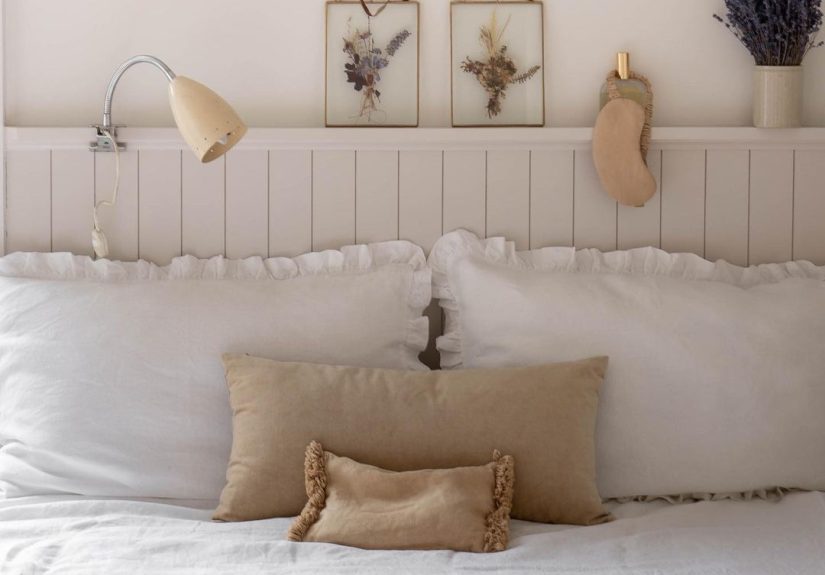
Streetlights, digital clocks, hallway glow, and early sunrise can wreck sleep fast. A clean eye mask next to the bed is a low-cost, high-impact fix. It signals, “I thought about your sleep,” not just your decor.
How to do it right
- Hang it on a bedpost hook, lamp stem, or nightstand knob so it’s visible.
- Use individually wrapped or freshly laundered masks for hygiene.
- Add a tiny note: “For light sleepersplease use if helpful.”
Pro move: include earplugs in the same spot. Guests can choose their own comfort level without asking awkward questions like, “Do you always watch action movies at midnight?”
Tip 2: Build a “Midnight Comfort Station”
Your guest should not have to go on a scavenger hunt
People wake up thirsty, need tissues, or realize their phone is at 4%. A tiny bedside kit prevents those “I don’t want to bother you, but…” moments.
What to include
- A full water carafe or sealed bottle
- Glass or cup
- Tissues
- Two charging options (USB-C and Lightning if possible)
- Small notepad and pen
- Optional: lip balm, pain reliever, and makeup remover wipes
Keep this setup practical, not fancy. Guests don’t need a curated artisan snack library at 2 a.m. They need water, power, and no confusion.
Tip 3: Give Guests “Sleep Controls” They Can Adjust
Comfort is personal
One guest sleeps hot, another sleeps under two blankets in July. One person needs white noise; another wants complete silence. Hosting gets easier when you stop guessing and provide options.
The control bundle
- Fan (portable is fine)
- Extra blanket
- Lighter throw blanket
- Two pillow firmness options if available
- Simple lamp near bed for low light
If your thermostat is fixed, say so kindly and offer alternatives: fan placement, window crack, lighter bedding. People are usually flexible when expectations are clear.
Tip 4: Clear Real Space for Real People
No one wants to live out of a suitcase on the floor
A beautiful room can still feel annoying if there’s nowhere to put a bag, hang a jacket, or set a phone while charging. Functional space matters more than decorative space.
Minimum setup
- One luggage zone (bench, folding rack, or cleared corner)
- A few empty hangers
- At least one drawer or shelf cleared out
- Accessible outlet near the bed
- Trash bin (lined)
If you’re hosting in a small apartment, communicate honestly: “Storage is tight, but this shelf and this closet section are all yours.” Clear beats fancy every time.
Tip 5: Upgrade the Bathroom Experience with Friction-Free Basics
Bathrooms decide whether guests feel cared for
Most guest stress happens in bathrooms: forgetting toiletries, not finding towels, or wondering if something is “okay to use.” Remove uncertainty.
Bathroom essentials checklist
- Fresh bath towel + hand towel + washcloth per guest
- Clearly visible toilet paper backup
- Hand soap and body wash
- Simple toiletries basket (toothpaste, toothbrush, razor, cotton swabs)
- Hook for towel and clothes
- Nightlight or low, easy lighting
Use gentle, fragrance-free options when possible. Strong scents can bother guests with sensitive skin, rhinitis, or asthma. Hosting is not the moment to introduce “Volcanic Amber Thunderstorm” diffuser oil.
Tip 6: Share the House Map Without Writing a Novel
Guests don’t want to ask 17 tiny questions
Give them one short welcome card (paper or text) with the information they actually need:
- Wi-Fi name and password
- Bathroom location and any quirks
- Morning coffee/tea timing
- Quiet hours and front-door lock instructions
- If shoes are on/off in the house
- Emergency contact number
Keep the tone friendly and normal. You’re not posting terms and conditions; you’re reducing social awkwardness. Guests relax faster when they know the rules and routines.
Tip 7: Feed for Sleep, Not Just for Instagram
Late-night hospitality can backfire
Heavy, spicy, or super-late meals can disrupt sleep. So can caffeine too close to bedtime. If guests are driving early, poor sleep plus an early alarm is not a great combo.
A better approach
- Offer a balanced dinner window, not midnight feasting
- Provide non-caffeinated options after dinner
- Set out simple breakfast choices guests can self-serve
- Ask food restrictions in advance (allergies, intolerances, preferences)
Food is care, but food is also logistics. Ask one easy pre-arrival question: “Any food allergies or hard no’s?” That single message prevents most hosting emergencies.
Tip 8: Plan the Morning Exit Like a Pro
Departure is part of the stay
A smooth morning makes the whole visit feel polished. A chaotic one makes everyone stressed and late.
Make morning easy
- Set coffee/tea station the night before
- Offer grab-and-go breakfast (fruit, yogurt, toast, protein bar)
- Confirm departure time the previous evening
- Place shoes/coats by the door zone
- Have rideshare pickup instructions ready if needed
If guests are road-tripping, remind them to rest before long drives and avoid rushing out exhausted. Good hosts care about after-checkout safety too.
Tip 9: Reset FastClean Smart, Not Perfect
You do not need a museum-level reset
After guests leave, focus on high-touch surfaces, used linens, and airflow. Don’t burn your whole day trying to make everything magazine-perfect in one pass.
30-minute reset protocol
- Strip bed and start laundry.
- Clean high-touch points: doorknobs, switches, faucet handles, nightstand tops.
- Open windows or run ventilation.
- Restock bathroom basics and bedside station.
- Return the room to neutral, clutter-free mode.
This keeps the space ready for the next visit without turning hospitality into a full-time side hustle.
Common Hosting Mistakes (and What to Do Instead)
Mistake 1: Overdecorating, underfunctioning
Fix: prioritize sleep tools and storage before styling details.
Mistake 2: Fragrance overload
Fix: use light, neutral cleaning products and skip strong air fresheners.
Mistake 3: No outlet access
Fix: provide easy charging at bedsidepeople travel with devices, always.
Mistake 4: Guessing food needs
Fix: ask dietary restrictions before arrival; keep labels on snacks.
Mistake 5: Vague house rules
Fix: share a short guide: entry, noise, coffee, and morning timing.
A Simple One-Page Checklist for Hosting Overnight Guests
24 hours before arrival
- Fresh linens on bed + spare blanket
- Eye mask and earplugs by bed
- Water + tissues + charger setup
- Bathroom towels and toiletries stocked
- Wi-Fi and house info card prepared
- Food allergies/preferences confirmed
Day of arrival
- Quick declutter of entryway and guest path
- Check lights, outlets, and fan
- Set calm temperature and airflow
- Place luggage spot and clear hangers
- Welcome guest and walk through essentials in 2 minutes
After departure
- Strip and wash bedding
- Clean high-touch surfaces
- Restock paper goods and toiletries
- Air out room
- Reset bedside comfort station
Final Thoughts
The best hosting advice is usually not glamorous, and that’s exactly why it works. People want to feel welcome, not managed. Comfortable, not impressed. Rested, not “entertained to exhaustion.”
Start with one small action tonight: hang an eye mask by the bed. Then build from therewater, chargers, clear routines, simple breakfast, and a practical reset system. These are the hard-won moves that make guests feel genuinely cared for.
Hosting overnight guests doesn’t need to be stressful or expensive. It just needs to be thoughtful, clear, and comfort-first.
Experience Add-On: of Hard-Won Lessons from Real Hosting Life
The first time I hosted two overnight guests in a tiny apartment, I made classic “new host” mistakes. I cleaned everything obsessively, baked a complicated dessert, lit a fancy candle, and forgot to put a glass of water in the guest room. At 1:30 a.m., one guest opened three wrong cabinets trying to find a cup, knocked over a pan, and we all woke up like startled raccoons. Lesson one: helpful beats impressive.
Another time, I hosted a friend who is a very light sleeper. I had beautiful linen curtains and thought I was winning at adult life. At 6:05 a.m., sunlight blasted into the room like a stadium spotlight. My friend was kind about it, but by breakfast she looked like she had crossed three time zones on a budget airline. That was the trip I started hanging an eye mask by the bed. Instant improvement. It cost less than coffee and solved a problem that decor never could.
Then there was the “thermostat diplomacy” weekend. One guest wanted the room cool; another wanted it warm enough for tropical fish. Instead of debating climate philosophy, I put a fan in the room, added an extra blanket, and left a note: “Adjust this combo until you’re cozy.” They both slept great. That taught me the power of giving people options rather than trying to predict their preferences.
Food taught me similar lessons. I used to plan one “signature breakfast” for everyone. It sounded generous but caused stress when one guest didn’t eat dairy and another needed to leave early. Now I do a flexible morning setup: fruit, yogurt, toast, peanut butter, tea, coffee, and one protein option. Guests can eat quickly or linger, and no one feels trapped in my kitchen schedule. Hospitality should support people’s routines, not overwrite them.
The biggest change, though, was communication. I used to assume guests would just ask if they needed anything. Most won’t. They don’t want to inconvenience you. So now I send a short message before arrival: parking, Wi-Fi, door code, breakfast plan, and one question about allergies. This cuts awkwardness by 80% and prevents tiny misunderstandings from becoming big friction.
I also learned that scent is tricky. What smells “clean” to one person can trigger a headache or breathing discomfort for another. I still clean thoroughly, but I keep the fragrance light and the room well ventilated. Guests have thanked me for this more times than I expected.
Finally, I stopped trying to “perform hosting” and started building a repeatable system: eye mask, water, charger, towel set, house note, morning plan, reset routine. That system makes guests comfortable and saves my energy. And honestly, that’s the real win. Great hosting should leave everyone feeling betterincluding the host.