Table of Contents >> Show >> Hide
- What Relationship Pressure Really Looks Like
- Why Pressure Feels So Intense
- Signs Pressure Is Becoming Unhealthy
- How to Handle Relationship Pressure Without Starting World War Text Message
- How to Respond to Common Types of Pressure
- What Healthy Pressure Looks Like, If Any
- When to Reconsider the Relationship
- The Best Mindset Shift: Stop Asking “How Do I Keep Them Happy?”
- Experience-Based Examples: What Relationship Pressure Feels Like in Real Life
- Conclusion
Let’s be honest: relationship pressure rarely arrives wearing a name tag. It usually shows up disguised as a “small compromise,” a “normal milestone,” or that one friend who acts like your love life is a group project. One minute you are enjoying a promising connection, and the next you are wondering whether you are moving too slowly, texting too little, committing too late, or somehow failing a pop quiz no one warned you about.
That is why dating experts keep coming back to the same idea: pressure is not the same thing as intimacy. Real closeness grows through trust, honesty, and choice. Pressure, on the other hand, creates anxiety, confusion, and a weird feeling that you are auditioning for the role of “ideal partner” instead of actually being yourself.
If you have ever felt pushed by a partner, your friends, your family, social media, or even your own expectations, you are not alone. The good news is that relationship pressure can be managed. Better yet, it can teach you what you truly need in a healthy relationship. Here is how experts say to recognize it, respond to it, and keep your dating life from turning into a stress internship.
What Relationship Pressure Really Looks Like
When people hear the phrase relationship pressure, they often think of dramatic ultimatums. Those count, of course, but pressure is often quieter than that. It can sound like:
- “If you really liked me, you would be ready by now.”
- “Why do you need time alone? Couples should want to do everything together.”
- “Everyone else our age is already doing this.”
- “I need you to answer right away so I know you care.”
- “If we are serious, you should stop hanging out with certain friends.”
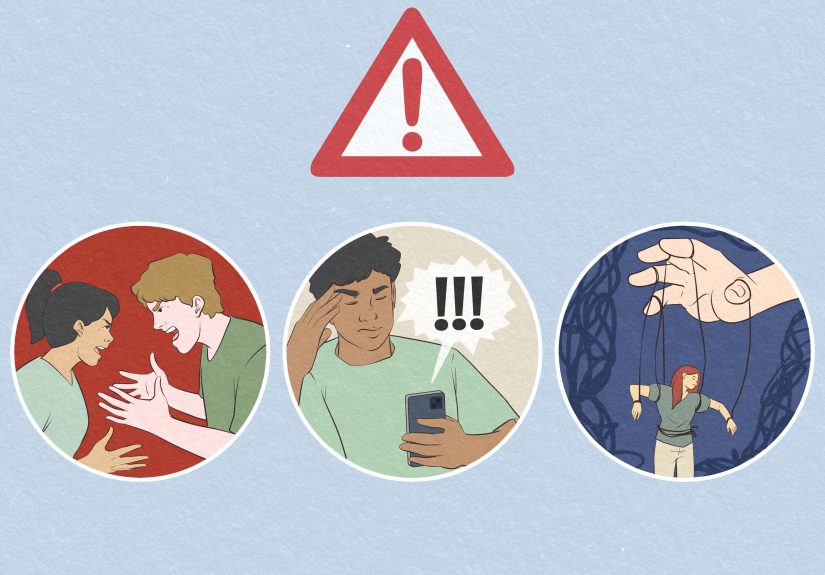
In other words, pressure happens when one person’s wants are treated like deadlines for the other person. It can involve emotional expectations, labels, time commitments, digital access, physical affection, future planning, or constant availability. It can also come from outside the relationship. Parents may ask when things are becoming serious. Friends may push you to define the relationship by date three. Social media may make every romance look like a perfectly filtered speedrun from “just talking” to “matching pajamas.”
The problem is not that relationships involve expectations. They do. The problem is when expectations are enforced through guilt, fear, shame, panic, or control.
Why Pressure Feels So Intense
1. It pokes at the fear of losing connection
Many people stay quiet under pressure because they do not want to seem difficult, needy, distant, or “too much.” If you care about someone, disappointing them can feel awful. That emotional discomfort can make you override your own boundaries just to keep the peace.
2. Modern dating is full of invisible timelines
There is a strange cultural obsession with milestones. When are you exclusive? When do you meet friends? When do you talk about the future? There is nothing wrong with those questions, but trouble starts when timing becomes a competition. Healthy relationships develop through mutual readiness, not a stopwatch.
3. Comparison culture is loud
One couple gets engaged after a year. Another keeps things casual for two. Someone posts anniversary roses the size of a small canoe. Suddenly, your private relationship feels like it is being judged by a panel of invisible commentators. Experts routinely warn that comparison can make normal relationship decisions feel urgent when they are not.
4. Stress can distort communication
Under stress, people often get more reactive, clingy, avoidant, defensive, or controlling. That does not excuse unhealthy behavior, but it does explain why relationship pressure can snowball fast. A person who feels insecure may demand reassurance in ways that create even more distance.
Signs Pressure Is Becoming Unhealthy
Not every awkward conversation is a red flag. Sometimes two people simply want different things and need to talk it through. But dating experts say the situation becomes unhealthy when pressure regularly includes:
- Guilt-tripping you for having limits
- Punishing you with silence, anger, or withdrawal when you say no
- Demanding access to your phone, passwords, or location
- Trying to isolate you from friends, family, or hobbies
- Making you feel responsible for their emotional stability
- Pushing you into activities you are not comfortable with
- Acting like love must be proven through compliance
A useful question is this: Do I feel safe being honest? If speaking up feels likely to trigger retaliation, humiliation, or intimidation, that is not healthy relationship growth. That is control wearing a romance costume.
How to Handle Relationship Pressure Without Starting World War Text Message
Get clear with yourself first
Before you explain your needs to someone else, you need to know what they are. Ask yourself:
- What exactly feels pressured right now?
- What am I comfortable with, and what am I not ready for?
- Is this a timing issue, a values issue, or a trust issue?
- Am I saying yes because I want to, or because I am afraid of what happens if I do not?
This step matters because vague discomfort is hard to communicate. Clear boundaries are easier to express and easier to uphold.
Use direct, calm language
You do not need a dramatic speech with violin music in the background. You need clarity. Try simple statements like:
- “I like where this is going, but I need a slower pace.”
- “I am not comfortable sharing that yet.”
- “I need time with my friends and family too.”
- “Please do not treat my boundary like rejection.”
- “I want us to talk about expectations instead of assuming them.”
Notice that these responses are firm without being cruel. That is the sweet spot. Boundaries are not about punishing another person. They are about protecting your emotional and mental well-being while giving the other person a fair chance to respond.
Focus on behavior, not character assassination
Saying “You are controlling” may shut the conversation down fast. Saying “I feel pressured when I am expected to respond immediately all day” keeps the discussion grounded in something specific. That does not mean you must tiptoe around obvious red flags. It simply means specific feedback gives healthy people room to adjust, while unhealthy people tend to reveal themselves by refusing to.
Do not confuse compromise with self-erasure
Compromise is part of dating. Self-erasure should not be. Meeting halfway on dinner plans is compromise. Giving up your privacy, your values, your pace, and your personality to keep somebody happy is not compromise. It is emotional downsizing.
Take a pause when emotions spike
Relationship experts often note that difficult conversations go badly when one or both people are emotionally flooded. If the discussion is escalating, take a break and return to it later. A pause is not avoidance when it is used to protect the conversation, not dodge it forever.
How to Respond to Common Types of Pressure
Pressure to define the relationship too quickly
If someone wants a label before trust has caught up, try: “I am open to this, but I want the pace to match what we have actually built.” A healthy partner may feel disappointed, but they will not weaponize that disappointment.
Pressure to be constantly available
You are allowed to have a life outside your phone. Set expectations around texting and response times. Constant contact is not proof of devotion. Sometimes it is just proof that both people need a charger.
Pressure around physical or emotional intimacy
Consent and comfort matter in every stage of a relationship. You never owe access to your body, private history, or emotional vulnerability on demand. “Not yet” is a complete thought. So is “No.”
Pressure from family or friends
Sometimes the loudest voice is not your partner’s. It is your mom asking if this person is “the one,” or your friends acting personally offended that you are still taking your time. In those moments, remind yourself that outside opinions are not relationship law. The right timeline is the one that allows you to stay honest, safe, and emotionally grounded.
What Healthy Pressure Looks Like, If Any
Yes, there is such a thing as healthy relational challenge. A good partner may encourage you to speak honestly, reflect on your patterns, or stop avoiding important conversations. They may ask for clarity. They may express needs. They may say, “I care about you, and I need to know whether we want the same things.”
That is different from pressure that corners you. Healthy challenge invites you to be truthful. Unhealthy pressure tries to manage your answer before you give it.
When to Reconsider the Relationship
If you have stated your boundaries clearly and the other person keeps ignoring, minimizing, mocking, or testing them, experts would say the issue is no longer communication. It is respect.
Reconsider the relationship when:
- Your boundaries are treated as obstacles instead of information
- You regularly feel anxious before speaking honestly
- You are doing most of the emotional adjusting
- The relationship feels smaller than your real life, not bigger
- You are losing contact with your support system or sense of self
Love should stretch you toward growth, not squeeze you out of your identity.
The Best Mindset Shift: Stop Asking “How Do I Keep Them Happy?”
Try asking better questions:
- Can I be honest in this relationship?
- Can this person handle a boundary without making me pay for it?
- Do I feel more grounded or more anxious around them?
- Am I choosing this relationship freely, or managing it fearfully?
That shift changes everything. It moves you from performance mode to partnership mode. And that is where real intimacy lives.
Experience-Based Examples: What Relationship Pressure Feels Like in Real Life
Consider a common scenario: someone starts dating a person they genuinely like. The chemistry is strong, the conversation is easy, and for a couple of weeks everything feels exciting. Then the pace changes. The new partner wants all-night texting, daily check-ins, weekend plans locked in early, and reassurance at every lull. On paper, none of that seems dramatic. In real life, the pressured person starts feeling tired, guilty, and strangely behind, as if they are always failing to provide enough certainty. What they need is not better performance. What they need is permission to say, “I like you, but this pace does not work for me.”
Another frequent experience involves outside pressure. A person may feel calm about taking things slowly, but friends keep asking for updates, parents ask whether the relationship is serious, and social media supplies a nonstop parade of proposal videos, couple trips, and soft-focus declarations of forever. Suddenly, a relationship that felt steady begins to feel suspiciously “late.” Yet when people step back from the noise, they often realize nothing is actually wrong. They were just borrowing urgency from everyone else.
Then there is the pressure that hides inside people-pleasing. Someone may agree to more time together, more emotional disclosure, or more future planning than they are ready for because they hate disappointing others. They tell themselves they are being flexible. In truth, they are quietly abandoning their own comfort. Over time, that often turns into resentment. The relationship may look peaceful from the outside, but inside, one person feels unseen because they have stopped showing their real needs.
There are also situations where pressure reveals useful information fast. A person sets a simple boundary: maybe they do not want to share passwords, maybe they need one evening a week alone, maybe they are not ready for a major label. A respectful partner may ask questions, express feelings, and adjust. A controlling partner tends to escalate. They may mock the boundary, argue with it, reinterpret it, or act personally attacked by it. That reaction tells you something valuable. Boundaries do not ruin healthy relationships; they expose shaky ones.
Many people who have navigated relationship pressure successfully describe the same turning point: they stopped treating discomfort like a personal flaw. Instead of thinking, “Why am I so difficult?” they started asking, “What is this discomfort trying to tell me?” Usually, the answer was simple. They needed more time, more space, more honesty, or more mutual respect. Once they responded to that truth, their dating choices got clearer. Some relationships improved. Others ended. In both cases, the result was healthier than continuing a connection powered by guilt and guesswork.
That is the real lesson from experience. Handling pressure is not about becoming perfectly calm, perfectly clever, or perfectly detached. It is about learning to trust your internal signals before the relationship drowns them out. The moment you can say, with both kindness and backbone, “This does not feel right for me,” you are no longer trapped in pressure. You are practicing self-respect. And in dating, that is not a side skill. It is the main event.
Conclusion
Relationship pressure can make even promising dating situations feel heavy. But the answer is not to become colder, tougher, or less caring. It is to become clearer. The healthiest relationships are not built by rushing milestones or proving your loyalty through discomfort. They are built when both people can express needs, honor boundaries, handle honesty, and move at a pace that protects trust instead of pressuring it.
If a relationship requires you to ignore your instincts in order to keep it going, that is not romance. That is emotional overtime. The right connection will not punish you for having limits. It will make those limits easier to speak out loud. And that is how you know the relationship is adding to your life instead of crowding it.