Table of Contents >> Show >> Hide
- What Is a Hugo Spritz, Exactly?
- Why the Hugo Spritz Became a Summer Obsession
- The Flavor Blueprint: What Makes It Taste Like “Hugo”
- Hugo Spritz Mocktail Recipe (Alcohol-Free, All the Vibes)
- Ingredient Upgrades That Actually Make a Difference
- Variations: Same Hugo Energy, Different Mood
- How to Make a Big-Batch Hugo Spritz for a Party
- Food Pairings: What to Eat With a Hugo Spritz
- FAQs About the Hugo Spritz
- Conclusion: The Easiest “Fancy” Drink You’ll Make All Year
- of Experiences Related to the Hugo Spritz Cocktail
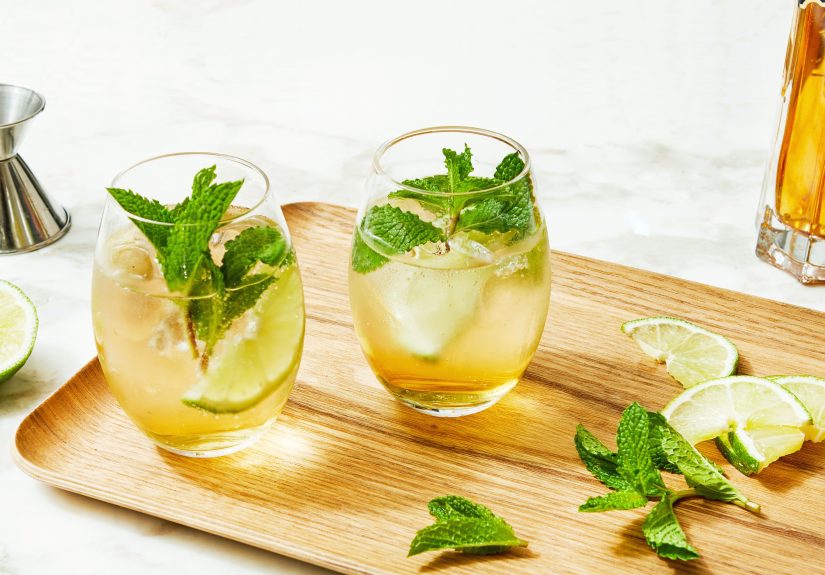
Hugo Spritz is the spritz that shows up to summer like it owns the patio: floral, minty, citrusy, and so bubbly it practically high-fives your nose. Traditionally, it’s a low-ABV cocktail from Northern Italy made with elderflower, sparkling wine, soda, mint, and citrus. But because not everyone drinks alcohol (and some people legally shouldn’t), this guide focuses on the Hugo Spritz vibewith a refreshing, alcohol-free “Hugo Spritz-style” spritz you can confidently serve at brunch, baby showers, game nights, or “we just survived the week” evenings.
And yes: it still tastes like a European vacationjust without the part where your group chat starts sending blurry photos of a menu at 1:00 a.m.
What Is a Hugo Spritz, Exactly?
A Hugo Spritz (sometimes called an elderflower spritz) is known for three things:
- Elderflower sweetness and perfume (think: spring flowers + honey + pear vibes)
- Fresh mint that makes it feel crisp instead of candy-sweet
- Bubblesbecause still drinks are fine, but sparkling drinks are fun
It’s often compared to an Aperol Spritz, but the personality is totally different. Aperol is citrus-bitter and orange-forward. Hugo is lighter, more floral, and herbaceous. If Aperol Spritz is the friend who insists on ordering the charcuterie board, Hugo is the friend who brought a bouquet and a portable speaker and somehow made everyone’s photos look better.
Why the Hugo Spritz Became a Summer Obsession
Part of the Hugo Spritz appeal is how easy it is to love. It’s bright without being sour, sweet without being sticky, and fancy without asking you to learn mixology vocabulary. It’s also:
- Customizable: more lime, less syrup, extra mint, different bubbly base
- Low-effort: the “recipe” is basically “ice + bubbles + good choices”
- Photogenic: mint, citrus wheels, and sparkling fizz do the most
And because it’s not aggressively bitter, it’s a gateway spritz for people who want something refreshing and grown-up tastingwithout feeling like they’re chewing grapefruit peel.
The Flavor Blueprint: What Makes It Taste Like “Hugo”
To nail the Hugo Spritz profilealcohol-free or notyou’re building a flavor triangle:
1) Elderflower (Floral + Soft Sweetness)
Elderflower is the star. For a non-alcoholic version, use elderflower syrup or elderflower cordial. The difference is mostly regional wording and concentration, but here’s the practical tip: start small and adjust. Elderflower can go from “delicate” to “perfume aisle” if you overdo it.
2) Mint (Fresh + Cooling)
Mint keeps the drink from tasting like a floral candle. Use fresh mint, not mint extract. (Mint extract belongs in frosting, and even then it’s on thin ice.) The goal is to release aroma, not turn it into salad soupso gently clap the mint between your hands or give it a light press.
3) Citrus (Brightness + Balance)
Classic Hugo often uses lime. Lemon also works. Citrus keeps the sweetness in check and makes everything taste “snappy.” If you’ve ever had a drink that tasted flat even though it was carbonated, it probably needed a tiny hit of acid.
Hugo Spritz Mocktail Recipe (Alcohol-Free, All the Vibes)
This is the version you can serve to literally everyoneteens, adults, non-drinkers, designated drivers, and people who say “I’ll just have water” but then stare at your drink like it’s a movie trailer.
Ingredients (1 tall glass)
- Ice (a generous handfulspritzes love ice)
- 6–8 fresh mint leaves, plus a sprig for garnish
- 1 lime wedge (plus 1–2 slices for garnish)
- 1 to 1½ ounces elderflower syrup or cordial (start with 1 ounce)
- 3 ounces chilled sparkling water or club soda
- 3 ounces chilled non-alcoholic sparkling wine or more sparkling water
- Optional: ½ ounce fresh lime juice if you like it brighter
Directions
- Prep the glass: Fill a large wine glass (or tall glass) with ice.
- Wake up the mint: Clap mint leaves once or twice, then add to the glass.
- Add elderflower: Pour in elderflower syrup/cordial.
- Brighten it: Squeeze in the lime wedge (and add extra lime juice if using).
- Bubble time: Add sparkling water and non-alcoholic sparkling wine (or more sparkling water).
- Gentle mix: Stir once or twicespritzes don’t want chaos.
- Garnish: Add a mint sprig and lime slice. Admire your work like you’re on a cooking show.
Taste Check: The 10-Second Fixes
- Too sweet? Add more sparkling water and a squeeze of lime.
- Too tart? Add a tiny splash more elderflower.
- Not “popping”? Add more mint (clapped first) and serve colder.
- Feels flat? A pinch more citrus usually fixes it.
Ingredient Upgrades That Actually Make a Difference
Choose Your Bubbles Like a Pro
The easiest upgrade is simply using very cold sparkling ingredients. Warm bubbles go flat faster and taste less crisp. If you want a more “cocktail-like” mocktail, look for non-alcoholic sparkling wine with a dry finishsomething that tastes a little like green apple, pear, or citrus instead of soda.
Don’t Murder the Mint
Muddling mint too aggressively can bring out bitterness. You want aroma, not punishment. Clap it, lightly press it, or gently roll it between your fingers. Let the mint be charismatic, not dramatic.
Elderflower: Start Small
Elderflower syrup varies a lot by brandsome are delicate, some are basically floral rocket fuel. Add less than you think, taste, then adjust. This is not a “measure with your heart” moment unless your heart has a calibrated jigger.
Variations: Same Hugo Energy, Different Mood
1) Cucumber Hugo Spritz
Add 3–4 thin cucumber slices and a pinch of salt (yes, a pinch). It tastes spa-like, which is the beverage equivalent of lighting a candle and pretending you’re a person who folds fitted sheets.
2) Berry Hugo Spritz
Add a small handful of raspberries or strawberries and lightly press them against the side of the glass. The color turns magical and the flavor becomes “summer farmers’ market.”
3) Green Tea Hugo Spritz (Mocktail Edition)
Replace 1–2 ounces of sparkling water with chilled brewed green tea. It adds a gentle bitterness that makes the drink feel more sophisticated and less like a soda moment.
4) Ginger-Lime Hugo Spritz
Swap half the sparkling water for ginger beer (or ginger soda). Elderflower + ginger is a surprisingly great duo: floral up front, spicy finish.
5) Lower-Sugar Hugo
Use less elderflower syrup and add a splash of white grape juice for body. You still get the “spritz” feel without loading the glass with sweetness.
How to Make a Big-Batch Hugo Spritz for a Party
If you’re hosting, do yourself a favor: don’t build 18 individual drinks while guests watch you sweat. Batch the base, then top with bubbles as you pour.
Easy Big-Batch Strategy
- In a pitcher, combine elderflower syrup/cordial + fresh lime juice + a handful of clapped mint.
- Chill the pitcher for 20–30 minutes so the mint infuses lightly.
- When ready to serve, pour the base over ice in glasses and top each glass with sparkling water / non-alcoholic bubbly.
Why not add bubbles to the pitcher? Because party bubbles disappear faster than the last deviled egg.
Food Pairings: What to Eat With a Hugo Spritz
Hugo Spritz-style drinks pair best with foods that match their bright, breezy personality:
- Salty snacks: chips, salted nuts, popcorn, olives (salt makes citrus and mint taste brighter)
- Fresh bites: cucumber sandwiches, caprese skewers, fruit, salads
- Grill-friendly foods: chicken skewers, shrimp, veggie platters, light tacos
- Desserts: lemon bars, berry shortcake, vanilla cookies
FAQs About the Hugo Spritz
Is a Hugo Spritz always alcoholic?
No. The “classic” version often includes alcohol, but the signature flavor is elderflower + mint + citrus + bubbleswhich is easy to recreate without alcohol. If you’re under the legal drinking age, alcohol-free is the move.
Can I use tonic water?
You can, but tonic adds bitterness. If you like a sharper finish, go for it. If you want the classic gentle, floral feel, stick to sparkling water or club soda.
What’s the best glass?
A large wine glass is ideal because it holds lots of ice, gives mint room to aroma-bloom, and makes the drink look like it should be served next to a pool you don’t own.
Can I make it ahead of time?
You can prep the non-bubbly base ahead of time (elderflower + lime + mint), chill it, then add bubbles right before serving.
Conclusion: The Easiest “Fancy” Drink You’ll Make All Year
The Hugo Spritz earned its popularity because it’s basically the perfect equation: floral + fresh + fizzy. With a few simple ingredientsand the courage to clap mint like it just told a good jokeyou can make a Hugo Spritz-style drink that feels celebratory any day of the week. Keep it cold, keep it bright, and remember: the garnish isn’t extra. The garnish is the whole personality.
of Experiences Related to the Hugo Spritz Cocktail
There’s a specific kind of joy that only a spritz can deliver: the “I’m doing absolutely nothing, but somehow it feels like an event” feeling. The first time I made a Hugo Spritz-style mocktail at home, I learned two important truths. One: elderflower is powerful. Two: mint is basically aromatherapy you can drink.
It started as a simple “I want something refreshing” moment. I had sparkling water, a bottle of elderflower cordial that had been living in the fridge like a forgotten supporting character, a lime, and mint that was one day away from turning into compost. I filled a big glass with ice (spritzes demand drama), clapped the mint leaves between my hands, and instantly the kitchen smelled like summer. That mint aroma is half the experiencebefore you even taste anything, your brain is already convinced you’re outdoors near a lemon tree.
The first sip surprised me. I expected sweet. Instead it was bright, floral, and cleanlike lemonade went on a weekend retreat and came back with boundaries. Elderflower makes the drink feel “fancy,” but mint keeps it grounded. Lime pulls the whole thing into focus. And the bubbles? The bubbles are pure celebration. Even on a random Tuesday.
After that, the Hugo became my go-to “guest drink” because it solves multiple hosting problems at once. It looks impressive, it’s easy to customize, and it doesn’t require a blender, smoke, or a tiny spoon you bought online at 2 a.m. If someone likes it sweeter, you add a little more cordial. If someone wants it sharper, you add more lime. If someone wants it extra refreshing, you add cucumber. You can even do a “garnish bar” with mint sprigs, citrus wheels, berries, and cucumber ribbons, and suddenly everyone is making their own drink and calling it “mixology.” (Hosting win.)
My favorite version is the one made with very cold non-alcoholic sparkling wine because it tastes the most “spritz-like”dry, crisp, and bright. But honestly, even sparkling water alone can carry the whole show if the mint and citrus are fresh. It’s one of those drinks where the details matter in a satisfying way: colder is better, fresher is better, and a gentle stir is better than over-mixing. The payoff is that it feels like a little vacation in a glassno travel required, no complicated prep, just a refreshing ritual you’ll want to repeat the moment the weather turns warm.