Table of Contents >> Show >> Hide
- Meet the NG Tube: The “Nose-to-Stomach” Shortcut
- Why Would Someone Need Nasogastric Intubation?
- NG Tube Types: Why Some Are “Small-Bore” and Others Mean Business
- What NG Tube Placement Is Like (Without Turning This Into a DIY Manual)
- Verification: The Most Important Part (Because “Close Enough” Is Not a Strategy)
- Nasogastric Feeding: How Nutrition Gets From Bag to Body
- Daily Care: Comfort, Skin, and the Small Stuff That Adds Up
- Complications and Red Flags: When to Escalate Fast
- When an NG Tube Isn’t the Right Long-Term Answer
- FAQ: The Questions People Actually Ask (Sometimes at 2 a.m.)
- Real-World Experiences (Extra ): What It’s Like Living With Nasogastric Intubation and Feeding
- Experience #1: “The first 10 minutes were dramatic. Then it was… manageable.”
- Experience #2: Parents and caregivers: “It’s the routine that saves your sanity.”
- Experience #3: “The pump is like a roommateloud, needy, and always around.”
- Experience #4: Suction/decompression: “It felt like relieffinally.”
- Experience #5: What people wish they’d known
- Conclusion: Safe, Temporary, and Surprisingly Human
Quick heads-up: This article is for general education (not medical advice). A nasogastric (NG) tube is a real medical device placed and verified by trained clinicians. If you or someone you care for has an NG tube, follow your care team’s instructionseven if your aunt’s neighbor’s cousin “swears this one trick works.”
Meet the NG Tube: The “Nose-to-Stomach” Shortcut
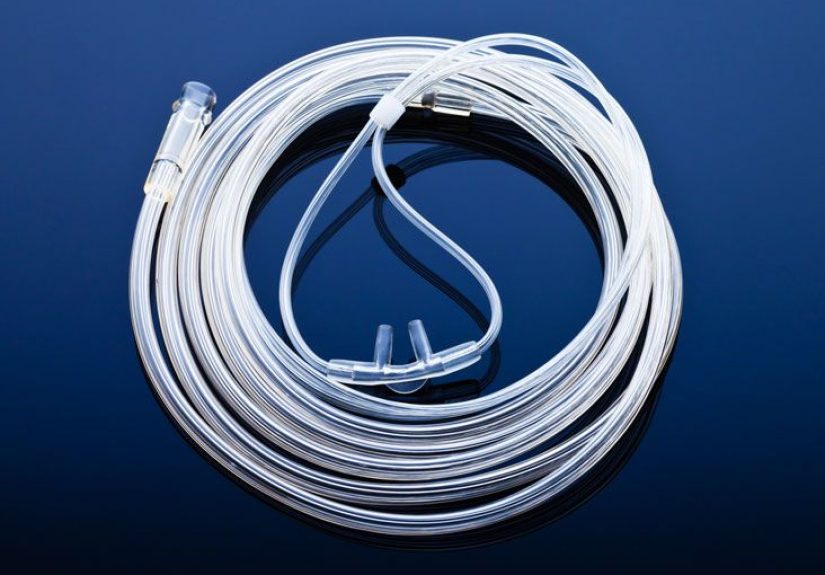
A nasogastric tubeusually shortened to NG tubeis a thin, flexible tube that travels from the nose down the throat and esophagus into the stomach. Think of it as a temporary “express lane” when the usual route (eating and drinking by mouth) isn’t safe or possible, or when the stomach needs to be emptied or decompressed.
NG tubes are typically used for short-term needs. If someone needs tube feeding longer-term, clinicians often recommend switching to a different type of feeding tube designed for extended use.
Why Would Someone Need Nasogastric Intubation?
Nasogastric intubation sounds intimidating because it has the word “intubation” in it (a word that rarely shows up in fun stories). But the goal is usually practical and time-sensitive: deliver nutrition/meds safely or remove stomach contents when the body can’t handle it on its own.
Common reasons for an NG tube
- Tube feeding (enteral nutrition): when swallowing is unsafe or impossible (for example, after a stroke, with severe dysphagia, or during treatment for head and neck cancer).
- Medication delivery: getting liquid meds (and sometimes crushed meds when appropriate) into the stomach when swallowing isn’t safe.
- Gastric decompression (suction): relieving pressure from an overfull, distended stomachoften in bowel obstruction, severe vomiting, or certain post-surgical situations.
- Removal of stomach contents: in select urgent situations, including some toxic ingestions (done under medical supervision).
NG Tube Types: Why Some Are “Small-Bore” and Others Mean Business
Not all NG tubes are built the same. The design usually matches the job.
Feeding-focused tubes (small-bore)
These are narrower to improve comfort. You may hear names like Dobhoff (often with a weighted tip to help guide placement) or Levin depending on the model and the facility’s preferences.
Suction-focused tubes (large-bore)
For decompression, clinicians often use a larger tube. A classic example is the Salem sump, which can have a venting channel designed to reduce the “vacuum stuck to the stomach lining” problem (yes, that’s as unpleasant as it sounds, and that’s why the design exists).
A safety detail you might notice: ENFit connectors
Modern enteral feeding systems increasingly use ENFit-style connectors (based on ISO enteral connector standards). The goal is simple: reduce dangerous misconnectionslike accidentally connecting an enteral feeding line to something it should never meet. If your equipment looks different than what you saw years ago, you’re not imagining it; that’s part of a safety evolution across healthcare and home enteral nutrition.
What NG Tube Placement Is Like (Without Turning This Into a DIY Manual)
NG tube placement is typically performed by trained clinicians who prepare the patient, choose the appropriate tube, estimate insertion depth, and guide the tube into place. Many patients describe it as “weird,” “uncomfortable,” and “over faster than I expected”a rare triple win in medical procedures.
What people often feel during placement
- Watery eyes and a runny nose (your body’s natural “I don’t love this” response).
- Gagging or a strong urge to swallow.
- Sore throat afterward.
- A strange awareness of the tube for the first day or twothen the brain adapts, because brains are oddly good at normalizing odd things.
Clinicians may use numbing medication and positioning strategies to improve comfort and reduce complications. After placement, the tube is secured and monitored.
Verification: The Most Important Part (Because “Close Enough” Is Not a Strategy)
If there’s one message to tattoo on the inside of healthcare’s collective forehead, it’s this: an NG tube must be verified before it’s used. Misplacementespecially into the airwaycan cause severe injury or death. That’s why verification practices are a major focus of patient safety guidelines.
How correct placement is typically confirmed
- Radiographic confirmation (X-ray): commonly recommended to confirm correct placement before the first use of a blindly inserted tube.
- Bedside checks for ongoing monitoring: depending on setting and policy, clinicians may use a combination of methods such as checking external tube length markings, assessing aspirate characteristics, and measuring aspirate pH.
- Capnography/CO₂ detection: may help identify airway placement during insertion in some settings, but it does not replace the need for radiographic confirmation when required.
Methods that safety guidance warns against
Some older bedside techniques are no longer recommended as reliable indicators of placement. For example, professional practice alerts caution against the “air bolus/auscultation” method (listening over the stomach for a whoosh after pushing air) and other unreliable approaches. In plain English: hearing a whoosh does not prove the tube is in the stomach.
Nasogastric Feeding: How Nutrition Gets From Bag to Body
When an NG tube is used for feeding, it delivers enteral nutritionliquid formula designed to provide calories, protein, hydration, and key micronutrients. Enteral feeding supports patients when eating by mouth is unsafe or inadequate, while still using the digestive system (which is often beneficial for gut function compared with intravenous nutrition in appropriate cases).
Bolus vs. continuous feeding
Two common approaches show up in hospitals and home care:
- Bolus feeding: larger volumes given over a shorter period at scheduled timesmore like “meals.”
- Continuous feeding: a steady rate delivered over hours (often via a pump)more like a gentle drip of nutrition.
Which one is used depends on medical condition, aspiration risk, tolerance, and care setting. Some people start with continuous feeding and later transition to bolus when tolerated.
Positioning and aspiration risk: gravity is not your enemy, but it is your boss
A key safety concept in tube feeding is reducing the risk of regurgitation and aspiration (feeding contents entering the lungs). Clinicians often recommend feeding with the upper body elevated and maintaining elevation for a period afterward, especially for those at higher risk. If someone has coughing, choking, sudden breathing changes, or recurrent vomiting with feeds, it’s a “stop-and-call-the-care-team” momentnot a “let’s troubleshoot on vibes” moment.
Preventing clogs: the unglamorous battle everyone fights
Clogging is common enough to deserve its own fan club (it doesn’t have one, but it tries). General best practices include regular flushing as directed, using appropriate medication formulations, and avoiding mixing meds with formula unless your clinical team instructs it. If the tube clogs repeatedly, it’s usually a sign that technique, medication form, or schedule needs adjustment by the care teamnot that you should start experimenting with internet hacks.
Medication through an NG tube
Some medications can be given through an NG tube, but not all. Extended-release, enteric-coated, or otherwise specialized formulations may be unsafe to crush. Pharmacists and clinicians decide what’s appropriate, often switching to liquid formulations or alternative routes when needed. It’s one of those places where “simple” can become “surprisingly complex” in a hurryso professional guidance matters.
Daily Care: Comfort, Skin, and the Small Stuff That Adds Up
NG tubes aren’t just “insert and forget.” Comfort and skin care matter because the tube sits in a sensitive area and can irritate the nose, throat, and stomach lining over time.
Common comfort issues
- Nasal irritation and tenderness near the nostril where tape and tubing sit.
- Sore throat and dryness (especially in hospital environments with dry air).
- Sinus discomfort or infection in some cases.
- Pressure injuries if the tube or tape rubs repeatedly in the same spot.
Practical comfort moves (the safe, boring, effective kind)
- Routine skin care around the nostril and gentle cleaning as instructed by the clinical team.
- Securement checks to reduce tugging and accidental dislodgement.
- Mouth care even when not eatingdry mouth can still happen, and oral hygiene still matters.
Complications and Red Flags: When to Escalate Fast
Most people with NG tubes experience minor side effects like discomfort or mild irritation. But there are serious complications that require immediate medical attention.
Call your care team urgently (or seek emergency care) if you see:
- Respiratory distress: sudden coughing fits, wheezing, shortness of breath, cyanosis (blue lips), or rapid breathingespecially during feeding.
- Repeated vomiting or significant abdominal distension.
- Tube dislodgement or a noticeable change in the external tube length/marking.
- Bleeding from the nose or signs of gastrointestinal bleeding (as directed by clinicians).
- Persistent clogging that can’t be resolved with approved methods.
- Worsening pain in the throat, chest, or abdomen.
Safety investigations and clinical literature emphasize that misplacement into the airway can be catastrophicone reason verification and ongoing monitoring are taken so seriously.
When an NG Tube Isn’t the Right Long-Term Answer
NG tubes are typically intended for temporary use. If someone needs enteral nutrition for a longer period, clinicians often recommend a more durable option like a gastrostomy tube (G-tube/PEG) or other access, depending on the patient’s anatomy and aspiration risk. These options require different procedures but can be safer and more comfortable for long-term feeding than a tube passing through the nose.
FAQ: The Questions People Actually Ask (Sometimes at 2 a.m.)
“Will it hurt?”
Many people describe placement as uncomfortable rather than painful, with brief gagging and watery eyes being common. Discomfort often improves after the initial adjustment period.
“Can you talk with an NG tube?”
Usually yes. Your voice may sound different, and your throat can feel irritated, but speaking is typically possible.
“Why all the fuss about checking placement?”
Because the wrong location can cause severe harm. Verification (often with X-ray before first use) and ongoing checks help keep feeding and medication delivery safe.
“Is tube feeding ‘giving up’?”
No. Tube feeding is a medical support toollike a cast for nutrition. Sometimes it’s short-term recovery support; sometimes it’s longer-term support that helps people maintain strength, heal, and participate in life.
Real-World Experiences (Extra ): What It’s Like Living With Nasogastric Intubation and Feeding
People rarely remember the technical name “nasogastric intubation.” They remember the lived reality: the first swallow, the tape on the cheek, the sound of a feeding pump at midnight, and the oddly emotional moment when nutrition becomes a scheduled task instead of a meal.
Experience #1: “The first 10 minutes were dramatic. Then it was… manageable.”
A common patient storyline goes like this: placement feels intensewatering eyes, gag reflex doing its best stand-up comedy, and a strong urge to negotiate with the universe. But once the tube is secured and the initial irritation settles, many people report a surprising shift: “Okay, I can do this.” The discomfort often becomes background noise, like wearing a new pair of glasses you keep noticinguntil you don’t. Patients often say the most annoying part isn’t the tube itself; it’s the dryness, the tape pulling at skin, or the “I can feel it when I swallow” sensation early on.
Experience #2: Parents and caregivers: “It’s the routine that saves your sanity.”
In home settingsespecially for childrencaregivers often describe success as a system, not a heroic moment. They set up a daily rhythm: check the tube’s external marking, prep formula, keep supplies organized, and handle skin care around the nostril. Many say that once the routine is stable, the emotional stress drops. What spikes anxiety is uncertainty: “Is it still in the right place?” That’s why families often appreciate clear, step-by-step teaching from the healthcare team and written instructions tailored to the patientbecause confidence comes from knowing what “normal” looks like and when to call for help.
Experience #3: “The pump is like a roommateloud, needy, and always around.”
For continuous feeding, people frequently mention the practical adjustments: sleeping positions, keeping tubing from tangling, and dealing with alarms (often triggered by kinks or an empty bag). The pump can feel like a tiny, demanding petexcept it doesn’t cuddle. Over time, many learn small habit changes: arranging tubing to reduce pull, planning feeds around daily activities, and keeping a “go bag” of supplies for appointments or travel. The big psychological win is realizing that tube feeding can support normal life rather than replace it.
Experience #4: Suction/decompression: “It felt like relieffinally.”
Not every NG tube is about feeding. For patients with bowel obstruction or severe vomiting, the tube may be used for decompression. People often describe a different emotional arc: the placement is unpleasant, but the outcome can be immediate relief from nausea, bloating, and pressure. The tube can be annoyingdry throat, nasal sorenessbut the tradeoff feels worth it when symptoms calm down. Many patients say that the first time they realized the nausea was easing, they stopped hating the tube and started seeing it as a temporary lifeline.
Experience #5: What people wish they’d known
- Ask for comfort supports early: throat/nasal comfort strategies, mouth care tips, and securement adjustments can make a big difference.
- Advocate for skin protection: tape and tubing can irritate skin quickly; small changes prevent bigger problems.
- Don’t “power through” warning signs: coughing during feeds, breathing changes, repeated vomiting, or a tube that seems to have moved should be treated as urgent safety signals.
- It’s okay to feel weird about it: NG feeding changes the social and emotional texture of eating. Many people benefit from supportfamily, clinicians, and sometimes counselingbecause the experience is physical and psychological.
Conclusion: Safe, Temporary, and Surprisingly Human
Nasogastric intubation and feeding sit at the intersection of high-stakes safety and everyday practicality. The tube may look simple, but the detailsverification, monitoring, feeding method, and daily careare what make it safe and effective. When done properly, an NG tube can protect the airway, support healing, prevent malnutrition, and offer a bridge back to oral eating when the body is ready. And yes: it can also teach you more than you ever wanted to know about tape, tubing, and the strange sounds a pump makes at night.