Table of Contents >> Show >> Hide
- What Is Pancetta Chicken, Exactly?
- Why Pancetta and Chicken Work So Well Together
- The Best Styles of Pancetta Chicken
- How to Make Pancetta Chicken Taste Better Than Average
- Common Mistakes That Ruin Pancetta Chicken
- What to Serve With Pancetta Chicken
- A Simple Formula for Great Pancetta Chicken
- Why Pancetta Chicken Deserves a Spot in Your Rotation
- Kitchen Experiences: What Pancetta Chicken Feels Like in Real Life
If chicken dinners had a glow-up montage, pancetta chicken would be the scene where the plain white tee suddenly becomes a tailored blazer. Chicken is reliable, familiar, and usually hanging around your fridge like a golden retriever waiting for instructions. Pancetta, on the other hand, is the slick Italian cousin who shows up with better shoes, better stories, and just enough salt to make everything more interesting. Put them together and you get a dish that feels a little fancy, a little rustic, and very, very worth turning on the stove for.
Pancetta chicken is not just one strict recipe. It is more of a delicious category: chicken wrapped in pancetta, chicken seared and finished with crispy pancetta, braised chicken built on rendered pancetta fat, or roasted chicken paired with pancetta and vegetables on one glorious pan. The common thread is simple. Pancetta brings savory depth, chicken provides juicy substance, and together they create the kind of dinner that makes people think you worked harder than you actually did. That is not deception. That is kitchen strategy.
What Is Pancetta Chicken, Exactly?
At its core, pancetta chicken is any chicken dish in which pancetta plays a starring role instead of being treated like background confetti. Pancetta adds salt, richness, and that deeply satisfying porky note that turns a good pan sauce into the kind you mop up with bread while pretending you are “just tasting.” Unlike bacon-heavy recipes that can overpower everything in sight, pancetta tends to taste a little more refined and integrated. It seasons the dish without hijacking it.
That is why pancetta chicken shows up in so many forms. In skillet versions, pancetta is crisped first, then chicken is browned in the rendered fat, creating layers of flavor before the sauce even begins. In roasted versions, pancetta bastes vegetables and chicken alike, helping everything in the pan taste richer and more connected. In creamy versions, pancetta cuts through the dairy so the result feels balanced rather than heavy. In braised versions, it acts like the opening act that unexpectedly steals the show.
Why Pancetta and Chicken Work So Well Together
Chicken Needs Character, and Pancetta Brings It
Chicken is versatile, but let’s be honest: versatility is sometimes just politeness for “mild.” That is why it benefits so much from strong supporting players. Pancetta brings concentrated savory flavor, a silky rendered fat, and crisp texture when cooked properly. It gives chicken the depth that people often try to fake with too much cream, too much cheese, or a heroic amount of garlic. Garlic is wonderful, but even garlic appreciates backup.
Richness and Balance Happen in the Same Pan
One of the smartest things about pancetta chicken is that the dish almost builds itself. Once pancetta renders, that flavorful fat becomes the base for onions, shallots, mushrooms, or garlic. Brown the chicken, deglaze with a splash of wine or broth, add herbs, and suddenly you have a sauce that tastes layered instead of random. A little acid, like lemon juice, white wine, or vinegar, keeps the richness from becoming too cozy. This is the culinary equivalent of opening a window after burning a scented candle for six hours.
The Best Styles of Pancetta Chicken
Skillet Pancetta Chicken
This is the weeknight champion. Start with chicken thighs or chicken breasts, cook diced pancetta until crisp, remove it, and sear the chicken in the rendered fat. Build a quick pan sauce with shallots, garlic, broth, maybe a touch of cream, and finish with the crispy pancetta on top. This version delivers maximum flavor with minimum drama and works beautifully with mushrooms, spinach, peas, or asparagus.
Sheet-Pan Pancetta Chicken
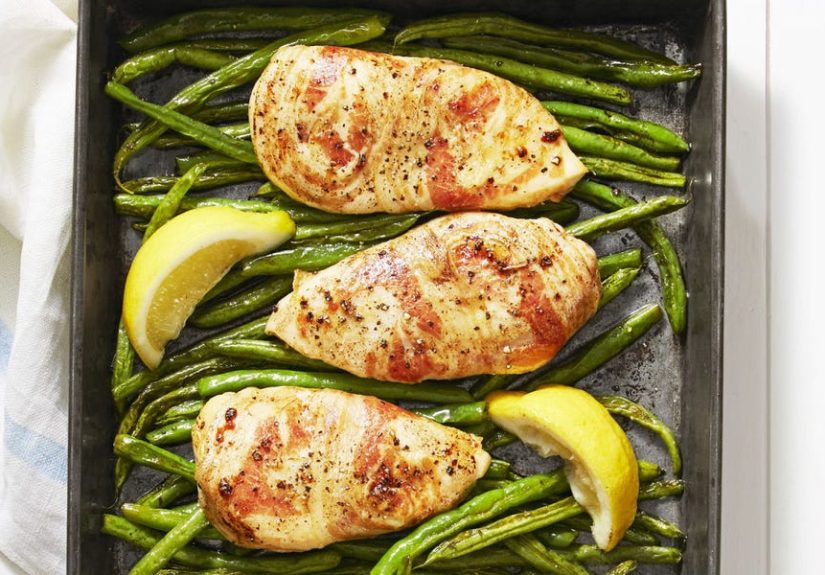
If your idea of a perfect dinner includes fewer dishes and less emotional commitment, the sheet-pan version is your friend. Chicken roasts alongside pancetta, onions, Brussels sprouts, potatoes, squash, or apples, and the fat drips into everything like a flavor tax you are actually happy to pay. The edges get caramelized, the vegetables absorb the savory drippings, and the whole thing tastes far more complex than the effort suggests.
Braised Pancetta Chicken
This is the cozy-weather overachiever. Braised pancetta chicken usually starts with pancetta, onions, and garlic, then adds browned chicken, stock, wine, and something aromatic like thyme, rosemary, or bay leaves. The result is tender, saucy, and deeply comforting. Mushrooms, beans, olives, or fennel all work especially well here. It is the sort of meal that makes your kitchen smell like you own a Dutch oven and opinions about olive oil.
Pancetta-Wrapped Chicken
For a dinner that feels slightly dinner-party-ish without requiring a dramatic soundtrack, pancetta-wrapped chicken is a smart move. Wrapping chicken cutlets or stuffed chicken breasts in pancetta helps protect lean meat from drying out while also creating a crisp, salty exterior. Goat cheese, herbs, spinach, roasted peppers, or fontina all play nicely in this format. It looks elegant, tastes bold, and gives plain chicken a much-needed social life.
How to Make Pancetta Chicken Taste Better Than Average
1. Pick the Right Cut
Chicken thighs are naturally forgiving, juicy, and ideal for braising or roasting. Chicken breasts can absolutely work, but they demand a little more attention. If you use breasts, pounding them to an even thickness helps them cook more evenly and stay tender. Thin cutlets also pair especially well with pancetta because the meat cooks quickly enough for the pancetta to crisp without turning the chicken into a cautionary tale.
2. Crisp the Pancetta First
This step matters. Pancetta should not just be tossed into the pan as an afterthought. Cook it first so it renders fat and develops texture. Remove some or all of it before adding the chicken, then return it at the end if you want it to stay crisp. If you leave it in the pan the entire time, it can lose that lovely bite and become more chewy than charming.
3. Dry the Chicken Before Browning
If your chicken is wet, it will steam. If it steams, it will not brown properly. If it does not brown properly, your sauce will miss out on all those golden bits that make people close their eyes after the first bite. Pat the chicken dry, season it well, and give it room in the pan. Crowding the skillet is like inviting too many people into an elevator: technically possible, but nobody feels good about it.
4. Build the Sauce From the Drippings
The best pancetta chicken sauces are built, not dumped. After searing, sauté aromatics in the pan, deglaze with broth or wine, and scrape up the browned bits. Add cream if you want richness, mustard if you want sharpness, tomatoes if you want brightness, or mushrooms if you want an earthy, restaurant-style feel. The point is to let the rendered fat and fond do the heavy lifting. Bottled shortcuts are fine sometimes, but this dish rewards you for giving the pan a chance to speak.
5. Use Acid and Herbs to Keep It Lively
Pancetta is rich. Chicken can be rich. Cream can be rich. You know what does not need more help? Rich. That is why fresh herbs and a hit of acid are so important. Parsley, thyme, sage, rosemary, lemon zest, lemon juice, white wine, or a splash of vinegar all keep pancetta chicken from feeling too heavy. Instead of tasting like a one-note comfort dish, it tastes layered, balanced, and deliberate.
6. Cook It Safely, Not Fearfully
Chicken should be cooked through, but not punished. Use a thermometer and pull it when it reaches the proper safe temperature. This is especially important if you are working with chicken breasts, which can go from juicy to vaguely resentful in a hurry. Pancetta chicken is at its best when the pork is crisp, the sauce is glossy, and the chicken still remembers moisture.
Common Mistakes That Ruin Pancetta Chicken
The biggest mistake is oversalting early. Pancetta already brings a substantial salty punch, so season the chicken sensibly and adjust at the end. Another common issue is using too much pancetta, which can bully the dish instead of supporting it. A smaller amount goes a long way. You want the chicken and pancetta to flirt, not one of them to dominate the entire conversation.
Overcooking the pancetta is also a problem. Burnt pancetta tastes sharp and bitter, not luxurious. Likewise, under-browning the chicken means leaving flavor on the table. And finally, skipping freshness at the end can make the whole dish feel flat. A scatter of parsley, a squeeze of lemon, or even cracked black pepper right before serving can wake everything up beautifully.
What to Serve With Pancetta Chicken
Pancetta chicken is generous, but it still likes company. Creamy polenta is a natural match because it absorbs pan sauce like it was born for the job. Mashed potatoes are equally excellent, especially with braised versions. Pasta works well in creamy or wine-based preparations. Rice is great if you want something neutral that lets the sauce shine. Crusty bread is not technically a side dish so much as an edible cleanup crew.
For vegetables, think contrast. Bitter greens, roasted Brussels sprouts, asparagus, green beans, peas, or a crisp salad all help balance the savory richness. If the dish is creamy, go lighter on the side. If the dish is roasted and dry-style, serve it with something soft and absorbent. This is not just plating strategy. This is dinner harmony.
A Simple Formula for Great Pancetta Chicken
If you do not want a strict recipe and prefer to cook with confidence, follow this loose blueprint:
- Start with chicken thighs, chicken breasts, or cutlets.
- Cook pancetta until crisp and render the fat.
- Brown the chicken in that fat.
- Add shallots, onions, garlic, or mushrooms.
- Deglaze with broth, wine, or a little lemony liquid.
- Finish with herbs, black pepper, and the crisp pancetta.
- Serve with something that catches every last drop of sauce.
That formula is flexible enough for weeknights and polished enough for guests. It can lean creamy, brothy, rustic, or elegant. In other words, pancetta chicken is one of those rare dishes that can wear sneakers or loafers and still look good.
Why Pancetta Chicken Deserves a Spot in Your Rotation
Some dinners are practical. Some are impressive. Pancetta chicken manages to be both, which is why it keeps showing up in different styles across American food media and home kitchens. It is adaptable, flavorful, and deeply comforting without feeling dull. It can be roasted for a Sunday dinner, braised for cold weather, or seared in a skillet when you need dinner to happen before your patience expires.
Most importantly, pancetta chicken solves a very common cooking problem: how to make chicken feel exciting again. Not weird. Not overly trendy. Just better. It gives the bird more personality, more texture, and more depth without requiring advanced technique or a specialty grocery haul. And in a world full of chicken dinners that taste fine but are instantly forgettable, that is a pretty big win.
Kitchen Experiences: What Pancetta Chicken Feels Like in Real Life
The first time many people make pancetta chicken, they are usually surprised by how quickly the kitchen starts to smell like they know what they are doing. The pancetta hits the pan, the fat begins to render, and suddenly the room smells like a tiny Italian bistro opened between the coffee maker and the microwave. It is the kind of aroma that makes people wander into the kitchen asking, “What are you making?” in a tone that suggests they would also like a sample immediately.
There is also a very specific satisfaction in watching plain chicken become dramatically more interesting in about twenty minutes. Raw chicken is not exactly inspiring. It is more of a responsibility. But once it gets browned in pancetta fat and finished with herbs or a little lemon, it transforms into something that feels intentional. The difference is almost unfair. It is like seeing someone go from sweatpants to a wedding suit with no transition scene.
Another common experience is learning that a little pancetta goes farther than expected. Many cooks assume they need a lot of it because it tastes so good on its own. Then they make the dish once and realize that too much can overpower everything else. The best versions usually find that sweet spot where the pancetta seasons the chicken rather than steamrolling it. That is often the moment the dish starts to feel less like a recipe and more like a technique you understand.
Home cooks also tend to remember the first time they nail the texture contrast. Crisp pancetta on top of juicy chicken with a glossy sauce underneath is one of those combinations that makes dinner feel far more expensive than it really was. It is especially satisfying when served over polenta, mashed potatoes, or toast, because every part of the plate has something useful to do. Nothing is decorative. Everything has a mission.
Then there is the confidence factor. Pancetta chicken has a way of making people feel a little bolder in the kitchen. Once you realize you can crisp pork, sear chicken, deglaze a pan, and finish with herbs, other dinners stop feeling so intimidating. You begin to trust your senses more. You know what browned smells like. You know when the sauce needs acid. You understand that the pan is not making a mess; it is building flavor. That is a pretty good trade.
And yes, sometimes things go sideways. Maybe the pancetta gets a little too dark, or the sauce reduces more than expected, or you salt the chicken like the pancetta was not already carrying half the workload. But even those moments tend to teach useful lessons. Pancetta chicken is forgiving enough to survive minor mistakes and rewarding enough to make you want to try again. It is the sort of dish that improves your instincts every time you make it.
By the third or fourth round, most people start customizing it without even thinking. Mushrooms one night. Peas and cream the next. White wine if the bottle is open, chicken broth if it is not. Maybe spinach for color, maybe rosemary for a more rustic mood. That flexibility is part of the experience too. Pancetta chicken is not just a dish you cook. It becomes one of those dependable dinner ideas that evolves with your pantry, your schedule, and your level of ambition on any given Tuesday.
And that may be the best thing about it. Pancetta chicken feels special without being precious. It delivers flavor without demanding theatrics. It makes ordinary ingredients taste like they had a plan all along. For a home cook, that is a deeply satisfying experience, and for everyone else at the table, it is just plain delicious.