Table of Contents >> Show >> Hide
- Pork Chop 101: What “Chop” Actually Means
- Meet the Main Pork Chop Cuts
- Bone-In vs Boneless, Thin vs Thick
- How to Shop Like a Butcher (Without the Apron)
- Prep That Pays Off: Seasoning, Dry-Brining, and “Don’t Skip the Paper Towels”
- The Only Pork-Chop Temperature Rule You Need
- Cooking Methods: Pick Your Adventure
- 4 Pork Chop Recipes That Actually Work
- Sides and Sauces That Love Pork Chops Back
- Common Pork Chop Problems (and How to Fix Them)
- Storage, Leftovers, and Reheating Without Regret
- Experience Notes: Pork Chops in Real Life (The Part Nobody Puts on the Recipe Card)
- Final Takeaway
Pork chops are the “little black dress” of the meat case: they can look fancy, feel casual, and somehow still end up
dry if you don’t treat them right. This guide breaks down the most common pork chop cuts, what they’re best at, and
how to cook them so they come out juicy, flavorful, and confidently not-the-cardboard-chop-of-your-childhood.
We’ll talk anatomy (but the delicious kind), shopping strategy, seasoning tricks, and the cooking methods that make
pork chops taste like you own at least one good skillet.
Pork Chop 101: What “Chop” Actually Means
“Pork chop” isn’t one cutit’s a category. Most chops come from the loin (the pig’s back), which is naturally tender.
But you’ll also see chops cut closer to the shoulder or sirloin end, which have different textures and fat levels.
Translation: one chop wants a quick sear, another wants a little patience, and a third wants you to stop pretending
it’s a filet mignon and give it a braise.
Meet the Main Pork Chop Cuts
Rib Chop (a.k.a. Ribeye Pork Chop)
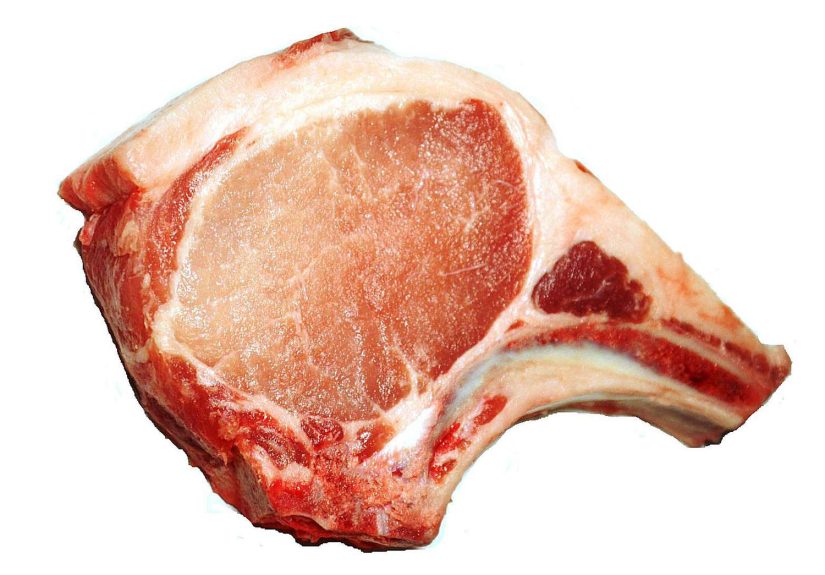
If pork chops had a VIP section, rib chops would be on the list. Cut from the rib end of the loin, they’re typically
well-marbled, deeply porky, and forgiving. That fat isn’t just there to look prettyit’s flavor insurance.
- Best for: pan-searing, grilling, quick roasting, butter-basting
- What to look for: visible marbling; a nice fat edge; 1 to 1½ inches thick for best results
- Flavor vibe: rich and savory, great with mustard, herbs, apples, or a tangy pan sauce
Center-Cut Loin Chop (often called New York / Top Loin Chop)
Loin chops are leaner and milder than rib chops. They can be amazingbut they will punish overcooking faster than you
can say “just five more minutes.” If you’re cooking loin chops, thickness and temperature control matter.
- Best for: quick sear + gentle finish, oven roasting, air fryer (with care)
- Pro tip: lean chops love a dry-brine and a quick rest after cooking
Porterhouse Chop
This is the “two-for-one” chop: part loin plus a tenderloin section, divided by a T-shaped bone. The tenderloin side
cooks faster, so you’ll want a method that avoids blasting the whole chop with high heat for too long.
- Best for: reverse-sear style cooking, gentle oven finish, thick-cut grilling with two-zone heat
- Watch out for: the tenderloin side overcooking while you chase a crust
Sirloin Chop
Cut from the sirloin end of the loin, sirloin chops have more connective tissue and a slightly firmer bite. They can
still be tasty, but they’re not the chop you pick when you want “butter knife optional.”
- Best for: braising, smothering, slower cooking methods, or thin-sliced stir-fry
- Flavor vibe: bold, pork-forwardexcellent with onions, cider, and gravy situations
Blade / Shoulder Chop
Blade chops come from closer to the shoulder, so they’re typically more marbled and flavorfulbut also more likely to
have a bit of chew if you cook them like a lean loin chop. Think of them as the “BBQ-adjacent” chop.
- Best for: grilling (especially if thick), braising, or a hard sear followed by simmering
- Why people love them: more fat = more flavor + more forgiveness
Boneless Chops & Cutlets
Boneless chops are convenient and cook quickly, but they dry out easily because there’s no bone and often less fat.
Thin cutlets are fantastic for breading and fast cookingbut only if you accept their true nature: they are not meant
to hang out over heat for long.
- Best for: schnitzel-style breading, quick pan-fry, fast stir-fries
- Key move: pound evenly, cook hot and fast, and don’t guesscheck doneness
Bone-In vs Boneless, Thin vs Thick
Here’s the simple rule: thick chops are easier to cook well because you can brown the exterior
without overcooking the center. Bone-in chops also tend to feel juicier and more flavorful (and they look impressive
on a plate, which is never a drawback).
Quick Thickness Cheat Sheet
| Thickness | Best Approach | Common Mistake |
|---|---|---|
| ½–¾ inch (thin) | Hot and fast: quick pan-fry, breaded cutlet | Cooking “by time” and overshooting doneness |
| 1–1½ inches (ideal) | Sear + finish: skillet to oven, grill with two zones | Not drying the surface before searing |
| 1½–2 inches (double-cut) | Gentle cook + strong finish: reverse-sear, thick-cut grilling | Trying to cook it like a thin chop (hello, burnt outside) |
How to Shop Like a Butcher (Without the Apron)
- Pick thickness on purpose: if you want juicy chops, aim for at least 1 inch.
- Look for marbling: little white streaks of fat mean more flavor and tenderness.
- Check the label: some chops are “enhanced” with a salt solution. Not bad, but it affects seasoning.
- Color matters: fresh pork should look pink and moist, not gray or dried out.
- Buy for the method: lean loin chops for quick sear + finish; blade chops for braising or bold grilling.
Prep That Pays Off: Seasoning, Dry-Brining, and “Don’t Skip the Paper Towels”
If there’s one move that makes pork chops taste restaurant-level at home, it’s salting early. A dry-brine (salting the
meat and letting it rest, uncovered, in the fridge) seasons deeper, improves browning, and helps the chop hold onto
juices. Even 45 minutes helps; overnight is even better for thicker chops.
- Dry-brine basics: salt both sides; refrigerate uncovered; pat dry before cooking.
- Wet brine option: great for very lean chops, but don’t overdo the time or texture can shift.
- Surface dryness = better crust: water is the enemy of browning. Paper towels are your friends.
The Only Pork-Chop Temperature Rule You Need
For whole-muscle pork chops, cook to an internal temperature of 145°F, then let the meat
rest at least 3 minutes. Use a quick thermometer in the thickest part (avoid touching bone).
This is how you get chops that are safe and still juicywith a slightly rosy center that’s normal.
Bonus sanity saver: pull the chop a few degrees early if you’re using high heat. Residual heat finishes the job while
you’re pretending you meant to plate everything so beautifully.
Cooking Methods: Pick Your Adventure
1) Pan-Seared (Skillet) Maximum Crust, Weeknight-Friendly
Great for rib chops and thick loin chops. The secret is a hot pan, a dry surface, and frequent flipping for even cooking.
Finish with butter and aromatics (garlic, thyme, rosemary) if you want the “steakhouse energy.”
2) Grill Smoky, Social, and Surprisingly Precise
Use two-zone heat (hot side for searing, cooler side for finishing), especially for thick chops. This prevents the classic
grill tragedy: charred outside, underdone inside, emotional damage everywhere.
3) Oven-Roasted Hands-Off and Reliable
Oven roasting shines when you want consistent doneness and less babysitting. Many home cooks like a quick sear first,
then a short roast to finish. For thick chops, a gentle oven finish keeps the center tender.
4) Braised / Smothered The Fix for Tougher Chops
If your chop is from the blade/shoulder or sirloin end and feels a bit tougher, braising is the glow-up. Sear for flavor,
then simmer in a flavorful liquid (cider, stock, tomatoes) until tender.
4 Pork Chop Recipes That Actually Work
Recipe 1: Cast-Iron Skillet Pork Chops with Garlic-Herb Butter
Best cut: rib chop or thick center-cut loin chop (1–1½ inches)
Flavor profile: savory, buttery, “why is this so good?”
- Ingredients: pork chops, salt, black pepper, neutral oil, butter, smashed garlic cloves, thyme or rosemary, lemon (optional)
- Steps:
- Dry-brine chops with salt (45 minutes to overnight). Pat very dry.
- Heat skillet over medium-high; add a thin film of oil.
- Sear chops, flipping frequently for even browning, until close to done.
- Lower heat slightly; add butter, garlic, and herbs. Spoon butter over chops for 1–2 minutes.
- Remove at 145°F, rest 3–5 minutes. Finish with a squeeze of lemon if you like brightness.
Recipe 2: Oven-Roasted Pork Chops with Smoky Paprika and Pan-Roasted Veg
Best cut: center-cut loin chop (thick) or rib chop
Flavor profile: smoky, cozy, low-drama dinner
- Ingredients: pork chops, salt, pepper, smoked paprika, garlic powder, olive oil, a tray of quick-roast vegetables (broccoli, carrots, Brussels sprouts)
- Steps:
- Heat oven to a hot roast temperature (around 425°F works well for browning veggies).
- Toss vegetables with oil, salt, and pepper; spread on a sheet pan.
- Season chops with salt, pepper, paprika, and garlic powder.
- Optional but great: sear chops 1–2 minutes per side in a hot skillet, then move to the sheet pan.
- Roast until chops hit 145°F. Rest briefly before serving.
Recipe 3: Grilled Soy-Garlic Pork Chops with a Sweet-Tangy Glaze
Best cut: rib chop or blade/shoulder chop
Flavor profile: salty-sweet, lightly charred, backyard hero
- Ingredients: pork chops, soy sauce, brown sugar or honey, garlic, a splash of vinegar or citrus, black pepper, neutral oil
- Steps:
- Mix soy, sweetener, garlic, and vinegar/citrus into a quick marinade.
- Marinate 20–60 minutes (thin chops need less time; thick chops can go longer).
- Preheat grill with two zones (hot + cooler).
- Sear over hot side for grill marks, then finish over cooler side to 145°F.
- Brush extra glaze near the end; rest before slicing.
Recipe 4: Apple Cider Smothered Pork Chops with Onions and Mustard
Best cut: sirloin chop or blade/shoulder chop
Flavor profile: savory-sweet, fall energy, spoon-required sauce
- Ingredients: pork chops, salt, pepper, onions, apple cider, chicken stock, Dijon mustard, thyme, a little butter
- Steps:
- Season chops; sear in a pot or deep skillet until browned. Remove.
- Sauté onions until soft and golden; add a splash of cider to deglaze.
- Add remaining cider + stock; whisk in mustard and thyme.
- Return chops, cover, and simmer gently until tender and cooked through.
- Finish with a little butter for a glossy sauce; rest a minute and serve.
Sides and Sauces That Love Pork Chops Back
Pork chops are incredibly flexible, which is a polite way of saying they get along with everyone at the party.
Try these pairings:
- Classic: apples (fresh or sauced), onions, sage, mustard, cider
- Bright + modern: lemony arugula salad, chimichurri, pickled onions, salsa verde
- Comfort mode: mashed potatoes, gravy, creamy beans, buttered noodles
- Spice route: smoked paprika rub, cayenne-honey glaze, cumin-coriander seasoning
Common Pork Chop Problems (and How to Fix Them)
- “It’s dry.” Next time: buy thicker chops, dry-brine, and stop at 145°Fno victory laps to 165°F.
- “No crust.” Pat dry harder, heat the pan longer, and don’t crowd the skillet.
- “Tough bite.” You may have a sirloin/blade chopbraise it, or slice thin against the grain.
- “Bland.” Salt earlier. Also: sauce is not cheating; sauce is strategy.
- “Outside is dark, inside is underdone.” Use two-zone heat (grill) or sear + finish in oven.
Storage, Leftovers, and Reheating Without Regret
Store cooked chops tightly covered in the fridge and use within a few days. For reheating, gentle heat is your best friend:
warm slices in a covered skillet with a splash of broth, or reheat in a low oven until just warmed through. Leftovers
are great chopped into fried rice, tucked into a sandwich with mustard and pickles, or sliced over a salad with a sharp
vinaigrette.
Experience Notes: Pork Chops in Real Life (The Part Nobody Puts on the Recipe Card)
There’s the theory of pork chopsand then there’s what happens at 6:37 p.m. on a Tuesday when you’re hungry, the pan
is heating, and someone is asking you a question that begins with “Can you just…” The most common real-world pork chop
experience is this: you want dinner fast, so you choose thin boneless chops, cook them “until they look done,” and end
up with meat that has the personality of a dry sponge. The fix isn’t complicated, but it does require one small shift:
you don’t cook pork chops until they look doneyou cook them until they measure done.
Another classic moment: you finally buy thick, gorgeous bone-in chops, and you treat them like a thin chophigh heat the
whole time. The outside browns like a champ, the inside lags behind, and you start turning the heat up and down like you’re
cracking a safe. This is where “sear and finish” becomes the calm adult in the room. Give the chop a confident sear for color,
then let gentler heat (a cooler grill zone or a short oven finish) bring it to the target temperature without torching the crust.
Suddenly the whole process feels less like a stunt and more like cooking.
Salting early is also one of those lessons that feels too simple to matteruntil you try it. When you dry-brine, the surface
dries out slightly in the fridge, which means better browning later. It also seasons deeper, so you don’t get that “salty outside,
plain inside” effect. And the best part is how it changes your confidence level: you stop throwing extra salt on the plate and start
tasting actual pork flavor. If you’ve ever wondered why restaurant chops taste “bigger” and more savory, this is a large part of it.
Then there’s the emotional support sauce. In real kitchens, sauce isn’t just decorationit’s insurance. A quick pan sauce made from
browned bits, a splash of cider or broth, and a spoon of mustard can rescue a chop that’s slightly overcooked, and it makes a perfectly
cooked chop taste intentional. Even a simple lemon squeeze or a drizzle of something tangy (vinegar, pickled juice, pan juices) wakes up
the whole plate. Pork loves brightness; it’s like it’s been waiting for acid to show up and complete the conversation.
Finally, the most relatable pork chop win is discovering that different chops want different treatment. Rib chops are the friendly,
forgiving onesgreat for learning. Loin chops can be excellent, but they demand precision. Blade and sirloin chops reward you when you stop
trying to rush them and instead lean into braising or saucy cooking. Once you match the cut to the method, pork chops stop being a gamble.
They become one of the easiest ways to get a satisfying, protein-forward dinner that still feels specialwithout needing a culinary degree
or a pep talk from your smoke detector.
Final Takeaway
The best pork chop is the one you cook with the right strategy for its cut: marbled chops thrive with a bold sear, lean chops shine with
a gentle finish, and tougher chops become stars when braised. Salt early, dry the surface, cook to temperature, and rest briefly. Do those
four things and you’ll be the person who “just makes great pork chops,” which is an excellent reputation to have.