Table of Contents >> Show >> Hide
- What Is the Regent Electric – White Horizontal, Exactly?
- Why the Design Works So Well
- How It Heats and What That Means for Real Rooms
- Installation Convenience: The Quiet Luxury of “Plug It In”
- Safety and Placement: Style Is Great, Fire Is Not
- How to Style a White Horizontal Radiator Without Ruining the Effect
- Maintenance and Ownership Reality
- Pros and Cons of the Regent Electric – White Horizontal
- Final Verdict
- Experience: What It Feels Like to Live With a Regent Electric – White Horizontal
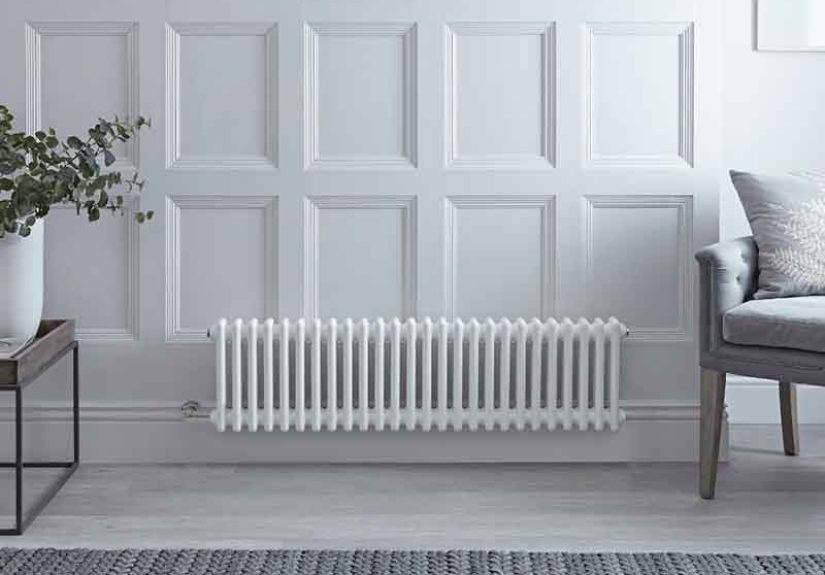
Some heaters are built to disappear. Others are built to look like they wandered out of a brownstone renovation, took one look at the room, and decided to become part of the decor. The Regent Electric – White Horizontal sits firmly in the second camp. It is a plug-in electric column radiator with a traditional cast-iron-inspired silhouette, a crisp white finish, and enough old-school charm to make a thermostat feel underdressed.
What makes this model interesting is not just the style. It is the combination of vintage radiator looks and modern convenience. Instead of relying on a full boiler system or ductwork, the Regent Electric White Horizontal line offers a simpler electric solution for homeowners who want targeted warmth, a quieter heating experience, and a piece that does not scream “temporary appliance.” In a market crowded with plastic towers, fan-forced boxes, and heat machines that look like office equipment, this radiator has personality.
This article takes a close look at what the Regent Electric – White Horizontal actually is, how it performs in real homes, where it fits best, what makes it visually appealing, and what buyers should know before committing wall space to it. Spoiler alert: it is not the cheapest way to make a room warm, but it may be one of the more stylish ways to stop freezing while maintaining your dignity.
What Is the Regent Electric – White Horizontal, Exactly?
The Regent Electric – White Horizontal is best understood as a family of traditional-style electric column radiators sold in multiple sizes and configurations. In the white horizontal lineup, Hudson Reed offers both two-column and three-column versions, each designed to mimic the look of classic cast-iron radiators while using modern steel construction and a plug-in electric heating element.
The line includes compact and mid-size models for different room needs. In the white horizontal range, examples include a 2-column 11.75-by-24-inch model with a 400W element, a 2-column 23.5-by-24-inch version with a 600W element, a 2-column 23.5-by-31-inch model with an 800W element, a 2-column 23.5-by-40-inch version with a 1000W element, a 3-column 11.75-by-31-inch model with a 600W element, and a 3-column 11.75-by-40-inch version with an 800W element. In plain English: you are not buying one fixed heater, you are choosing from a small lineup that shares one design language.
Key features that define the line
- Traditional column radiator styling with a cast-iron look
- White powder-coated finish that suits classic or modern interiors
- Premium steel construction instead of actual cast iron
- Plug-in electric element for easier installation
- Pre-filled glycol interior intended to help reduce noise, rust, and limescale
- Multiple horizontal size options in both 2-column and 3-column formats
That blend of details is the real selling point. You get a piece that feels architectural, not disposable, while still avoiding the complexity of a full hydronic or steam setup. It is a radiator for people who like old-house aesthetics but do not necessarily want old-house headaches.
Why the Design Works So Well
Let’s be honest: most people do not browse heating products hoping to feel inspired. Yet the Regent Electric – White Horizontal manages to feel more like furniture-adjacent decor than a mere utility object. The horizontal profile helps it sit comfortably under windows, along shorter walls, or in rooms where a tall vertical radiator would look a little too eager.
The white finish is also doing a lot of heavy lifting here. White radiators tend to blend into trim, plaster, painted walls, and lighter palettes without vanishing completely. That means the Regent can either play a quiet supporting role or become a subtle statement piece, depending on the room. In a farmhouse, transitional, vintage-inspired, or even Scandinavian-style interior, it makes sense almost immediately.
There is also the column design itself. Traditional columns add rhythm and texture to a wall, which is why radiators like this often look better than flat utilitarian panels in character-driven spaces. They bring a little visual depth, a little nostalgia, and a little “Yes, I did think about that detail” energy.
How It Heats and What That Means for Real Rooms
The Regent Electric – White Horizontal uses electric resistance heating. That matters because resistance heat is straightforward: electricity goes in, heat comes out. At the point of use, electric resistance heat converts incoming electric energy directly into heat. The catch, of course, is that electricity can still be relatively expensive compared with some other whole-home heating options. So this style of heater tends to make the most sense as a zoning solution, not as the hero responsible for warming an entire drafty kingdom.
For buyers, the practical question is not “Does it work?” but “Is this the right size for my room?” A useful rule of thumb for electric resistance heaters is around 10 watts per square foot in a room with typical insulation and 8-foot ceilings. Using that rough guide, a 600W model may suit a small office, reading nook, or compact bedroom zone; an 800W version can make more sense for a slightly larger room; and a 1000W model may be more appropriate for spaces around the 100-square-foot mark, depending on insulation, climate, window exposure, and ceiling height.
Rooms where it makes the most sense
- Home offices that need dependable daytime heat without warming the whole house
- Guest bedrooms that are used occasionally rather than constantly
- Entryways, mudrooms, and enclosed porches that feel chilly in winter
- Dining nooks or window walls where a low horizontal unit fits naturally
- Smaller living spaces where design matters almost as much as temperature
Where it makes less sense is the same place many decorative heaters struggle: very large open-plan spaces, poorly insulated rooms with major drafts, or households expecting instant fan-blast warmth. This is more of a composed, steady, room-specific heat choice than a dramatic “tropical vacation in 90 seconds” machine.
Installation Convenience: The Quiet Luxury of “Plug It In”
One of the biggest reasons this product line stands out is installation simplicity. The plug-in element makes the Regent Electric White Horizontal easier to adopt than a traditional radiator connected to a larger hydronic system. You are getting the look of classic heating hardware without automatically signing up for boiler piping, complicated retrofits, or a contractor’s thousand-yard stare.
That makes it especially attractive in spaces such as additions, renovated older homes, finished attics, converted offices, or rooms where extending central heat would be annoying, expensive, or both. If you have ever looked at a small room and thought, “I just want this one area to stop feeling like an icebox,” this is exactly the kind of product category that starts looking smart.
There is also a zoning advantage. The U.S. Department of Energy has long noted that room-by-room electric heat can be useful because it lets people heat occupied areas instead of forcing the entire home to follow one blanket setting. In a time when home energy costs matter and heating and cooling already account for a huge share of household energy use, targeted warmth has practical appeal.
Safety and Placement: Style Is Great, Fire Is Not
Because the Regent Electric – White Horizontal uses a plug-in electric element, sensible electric-heater precautions matter. That means plugging directly into a wall outlet rather than relying on extension cords or power strips. It also means keeping combustible materials and upholstered items from crowding the radiator, even if the temptation to treat it like a decorative ledge is extremely strong.
This is also not the place to get creative with cords. Hiding cords under rugs, behind heavy furniture, or wedging them into tight spaces may look tidy, but it creates unnecessary risk. If you are styling around the unit, keep the outlet accessible and the cord path visible and well-managed.
Good placement matters for performance too. Blocking a radiator with a sofa, skirted bench, thick drapes, or a pile of baskets can reduce how well warmth moves into the room. Think breathable positioning, not decorative suffocation. This heater wants to be part of the room, not buried under it.
Smart placement tips
- Use a direct wall outlet
- Keep drapes, bedding, and upholstered furniture clear of the unit
- Do not run the cord under rugs or behind heavy furniture
- Avoid turning the top into a bookshelf, charging station, or scarf depot
- Leave enough open air around the radiator so heat can circulate properly
How to Style a White Horizontal Radiator Without Ruining the Effect
The beauty of a white horizontal radiator is that it gives you options. You can let it blend into the wall, or you can treat it like a design feature. Interior design coverage in the U.S. increasingly treats radiators as elements worth working with instead of hiding in shame, and this product fits that shift perfectly.
If you want the radiator to disappear visually, lean into tonal styling. Pair it with white trim, pale walls, soft linens, or warm neutral paint. If you want it to read as a feature, frame it intentionally with art above, a mirror nearby, or a carefully chosen light fixture that makes the wall feel considered.
Covers can also work, but only if they are vented and thoughtfully designed. Cane webbing, slatted woodwork, and custom enclosures can soften the look while still allowing heat to move. The keyword there is “vented.” A radiator cover should not become a fashionable little prison for warmth.
Some of the best styling moves are surprisingly simple: a piece of art centered above the unit, hooks or a mirror nearby in an entryway, or a slim ledge placed high enough not to interfere with heat. In smaller rooms, the radiator can even help anchor the layout under a window, where it reads as a built-in architectural element rather than a random object.
Maintenance and Ownership Reality
One reason a product like this feels appealing is that it avoids some of the maintenance drama associated with aging steam radiators. Traditional steam systems can hiss, bang, whistle, and demand attention to vents or valves. The Regent Electric White Horizontal line is simpler in everyday use because it is self-contained, electrically powered, and designed with glycol fill to help manage noise, corrosion, and limescale.
Day-to-day maintenance is mostly basic common sense. Wipe the surface gently to keep the white finish clean. Check the cord and plug periodically for wear. Keep dust from building up in and around the columns. At the beginning of colder months, verify that the outlet and surrounding area remain unobstructed and that no one has quietly transformed the radiator into the family’s unofficial drying rack.
The payoff is a heater that can feel more stable and less fussy than portable units with fans, filters, and plastic housings. It is still an electrical appliance, not a magical Victorian sculpture, but it generally asks for less emotional energy than many old-school heating systems.
Pros and Cons of the Regent Electric – White Horizontal
Pros
- Beautiful traditional styling with a cleaner, updated white finish
- More polished and architectural than most portable electric heaters
- Plug-in convenience makes installation easier than many radiator alternatives
- Multiple sizes and wattages support better room-by-room matching
- Steel construction and glycol-filled design suggest durability and quieter operation
- Works especially well in homes where decor matters
Cons
- Not the cheapest path to supplemental heat
- Electric resistance heat can cost more to operate than other heating approaches
- Best for zones and smaller rooms, not giant open areas
- Requires thoughtful placement and outlet access
- Its old-world design will not suit every ultra-modern interior
Final Verdict
The Regent Electric – White Horizontal is a smart choice for buyers who want something more refined than a standard space heater and less complicated than a full radiator system. It offers classic looks, modern electric convenience, and a range of sizes that make it useful for targeted heating. In the right room, it does something many heating products fail to do: it improves comfort without lowering the visual standards of the space.
No, it is not a miracle worker for giant, badly insulated rooms. No, it is not the bargain-bin option for people who only care about raw watts per dollar. But if you want a white horizontal electric radiator that feels intentional, performs like a serious supplemental heater, and looks good enough to earn its place on the wall year-round, this product family deserves a close look.
Experience: What It Feels Like to Live With a Regent Electric – White Horizontal
Living with a Regent Electric – White Horizontal is less like owning a gadget and more like adding a quiet background character to the room. It does not demand attention every five minutes. There is no roaring fan, no aggressive red glow, and no visual message that says, “Emergency winter appliance has entered the chat.” Instead, it tends to settle into the space and do its work with a kind of calm confidence.
In day-to-day use, the biggest change is psychological as much as thermal. A cold corner of the house stops feeling like a place you tolerate and starts feeling usable again. A home office becomes somewhere you can actually sit through an afternoon without wrapping yourself in three blankets and reconsidering every life choice that led you there. A guest room feels welcoming rather than decorative. An entryway stops acting like a refrigerator with a shoe rack.
The visual experience matters too. Because the unit is white and horizontally proportioned, it often blends into the room more gracefully than people expect. Under a window, it can look almost built in. Against trim or pale walls, it reads as intentional architecture rather than an afterthought. In a room with older details, it feels like it belongs. In a newer room, it can add enough character to keep the space from feeling flat. That is a small thing until you live with it every day and realize how much nicer it is to look at something handsome instead of something apologetic.
The warmth itself tends to feel steady and civilized. This is not the kind of heat that rushes at you like a hair dryer having a meltdown. It is gentler. More anchored. More “the room is comfortable now” than “the machine is performing.” For people who dislike noisy heaters, that can be a major quality-of-life improvement. You notice the difference in comfort without constantly noticing the heater.
Of course, the tradeoffs become clear with time too. You learn quickly that placement matters. Throw a chair too close, let drapes crowd the unit, or treat the top like bonus storage, and you are undermining both style and function. You also become more aware of room size. In a small-to-medium zone, the radiator feels purposeful and well matched. In a much larger space, it can feel more like a supportive side player than the star of the show.
There is also a certain pleasure in the lack of drama. Traditional steam radiators can whistle, clank, and act like they are auditioning for a ghost story. Cheap portable heaters can feel flimsy, noisy, or visually chaotic. The Regent electric line lands in a much calmer place. Wipe it down, keep it clear, plug it in properly, and let it do its thing. It asks for respect, not babysitting.
Maybe that is the most satisfying part of the experience. The radiator does not just heat the room; it improves the room’s mood. It makes a small space feel cared for. It makes winter routines less irritating. It lets you keep the thermostat logic of zone heating while still having a home that looks pulled together. And in a season when so many comfort purchases end up looking temporary, awkward, or downright ugly, there is something refreshing about choosing a heater that can warm the room without cooling the vibe.