Table of Contents >> Show >> Hide
- Why The Woodsman Tavern Mattered in Portland
- The Origins of the Woodsman Idea
- What Was on the Table
- The Woodsman Market: Smaller, Quieter, and Secretly Brilliant
- Critical Buzz and National Attention
- Closures, Revival, and the End of the Run
- What Food Lovers Can Still Learn From The Woodsman
- Experience: What It Felt Like to Encounter The Woodsman Tavern and Market
- Conclusion
If Portland had an era when every restaurant seemed to arrive wearing flannel, carrying a cast-iron pan, and casually discussing oyster provenance like it was a graduate seminar, The Woodsman Tavern fit that moment perfectly. More than a restaurant, it became a mood board for a whole chapter of Portland dining: dark wood, coastal shellfish, serious cocktails, and enough Pacific Northwest swagger to make a Douglas fir blush.
But The Woodsman Tavern and its companion, Woodsman Market, were never just about looking handsome under moody lighting. At their best, they represented a bigger idea: that a neighborhood tavern could feel polished without becoming precious, and that a tiny market next door could turn grocery shopping into a strangely glamorous side quest. In Portland, where locals treat food like both hobby and civic identity, that combination mattered.
This is also a story with a little plot twist. Woodsman Tavern was one of the defining food destinations on Southeast Division Street, yet it is no longer operating today. That makes this article less of a “go there tonight” guide and more of a deep look at why the place mattered, what it served, how the market complemented the tavern, and why both still linger in Portland food memory long after last call.
Why The Woodsman Tavern Mattered in Portland
When The Woodsman Tavern opened on Southeast Division Street, Portland’s restaurant scene was entering one of its most closely watched periods. National food media had started paying serious attention to the city, and Division was becoming one of those streets where one good meal could accidentally turn into a four-stop eating marathon. Dangerous for the wallet, excellent for morale.
The Woodsman fit the street and helped define it. The concept connected rustic tavern energy with a highly curated approach to sourcing. That mattered because Portland diners were not simply looking for “good food.” They wanted a point of view. They wanted oysters with a backstory, ham with a reason to exist, cocktails built by people who clearly had opinions, and interiors that felt like they had been assembled by a stylish park ranger with a very healthy antique budget.
At its core, The Woodsman Tavern gave Portland a distinctly local version of the modern American tavern. It borrowed from national restaurant trends, sure, but filtered them through Oregon ingredients, Pacific Coast seafood, and the city’s particular affection for craftsmanship. In other words, it felt imported and homegrown at the same time, which is one of the hardest tricks in hospitality.
The Origins of the Woodsman Idea
A Duane Sorenson Project With Serious Ambition
The tavern was widely associated with Duane Sorenson, founder of Stumptown Coffee Roasters, and that connection gave the project instant attention. Sorenson already had a reputation for obsessive sourcing and strong aesthetic instincts, so when he turned toward food, people expected something more ambitious than a standard neighborhood spot. They were right.
From the beginning, The Woodsman was framed as a food-and-drink project with a clear philosophy: know where ingredients come from, know who produces them well, and build the menu around that confidence. That approach helped the tavern feel both elevated and grounded. It was not trying to be a white-tablecloth temple of solemnity. It wanted to be lively, welcoming, and unmistakably Portland, just with better oysters and stronger cocktails than your average corner joint.
The Room Did a Lot of Heavy Lifting
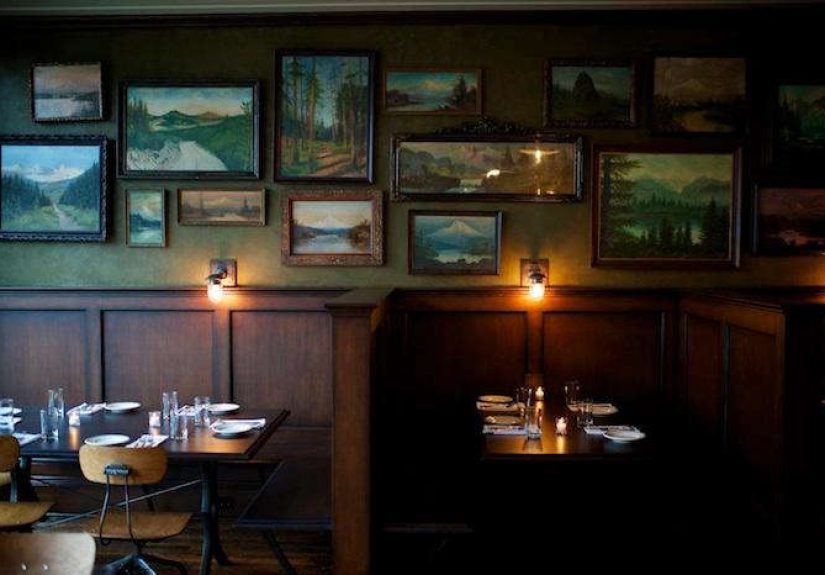
Part of the Woodsman legend came from the room itself. Accounts of the original space consistently describe a dark, wood-heavy interior with a warm, almost cinematic atmosphere. It had the kind of look that made you sit up straighter even when you were technically just there for a drink and maybe some shellfish. It was rustic, yes, but not rough. Think cabin fantasy edited by someone who also owned nice boots.
That atmosphere was important because The Woodsman Tavern sold an experience as much as a meal. Diners did not walk in and think, “Ah yes, another restaurant.” They walked in and thought, “This place has a thesis.” In Portland, that can be half the battle.
What Was on the Table
Oysters, Seafood, and Pacific Northwest Pride
If you had to choose one category that best symbolized The Woodsman Tavern, seafood would be near the top of the list. The restaurant became closely associated with oysters, shellfish, and a raw-bar sensibility that played especially well in a city obsessed with regional bounty. Writers repeatedly highlighted the seafood bar, the West Coast oysters, and the tavern’s connection to the Oregon-and-Washington shoreline.
That emphasis gave the restaurant an identity that felt both luxurious and deeply regional. This was not seafood as beach-town cliché. It was seafood as Portland status language: carefully sourced, beautifully presented, and paired with a whiskey menu instead of some sleepy old-school fish-house routine.
Ham, Trout, Roast Chicken, and Tavern Comfort
While oysters drew attention, The Woodsman’s menu had broader range. Ham plates earned praise, the whole trout became one of the restaurant’s best-known signature dishes, and roast chicken helped it land in national dining roundups. The food leaned toward comfort, but a sharpened comfort. This was tavern cooking that had gone to design school and come back with better posture.
That balance was a big part of the restaurant’s success. It could serve rustic dishes without feeling sloppy, and it could serve polished plates without becoming stiff. For diners, that meant a meal could feel special without requiring a ceremonial explanation from the server every six minutes.
The Bar Was Never an Afterthought
Then there was the bar, which was essential to the Woodsman identity. Cocktail coverage around the tavern emphasized whiskey-forward drinks, clever technique, and the kind of beverage program that made people show up even if they had already eaten elsewhere. In fact, The Woodsman built enough of a reputation here that national media noticed its whiskey credentials.
This mattered because the tavern was not simply a “restaurant with drinks.” It operated like a true all-around destination: dinner spot, oyster stop, cocktail haunt, and neighborhood hangout. That versatility gave it staying power. A lot of restaurants can be one thing. The Woodsman Tavern was better when it was five things at once.
The Woodsman Market: Smaller, Quieter, and Secretly Brilliant
Next door, Woodsman Market played the supporting role that often stole scenes. It opened as a compact specialty market designed to extend the tavern’s worldview into daytime life. If the tavern was where you lingered over oysters and cocktails, the market was where you grabbed a sandwich, picked up wine or charcuterie, and felt unreasonably sophisticated while buying carrots.
The market’s appeal came from curation. Reports described deli cases, cheese and charcuterie, produce, bread, dairy, wine, and specialty goods with a mix of local and imported products. It was the kind of micro-market that made ordinary errands feel like a tasteful personality test. Did you need sardines, flowers, and a heroic sandwich before noon? Apparently yes. Portland said yes for you.
The sandwich program helped make the market memorable. The Woodsman Market earned praise for sandwiches that felt more serious than they needed to be in the best possible way. One standout Italian-style sandwich became beloved enough that it later returned through the tavern’s lunch service. That detail says a lot: the market was not a cute accessory. It contributed flavors and rituals people actually missed.
Why the Market Worked
Woodsman Market also broadened the Woodsman brand. Instead of limiting the concept to dinner and drinks, it let the business participate in everyday neighborhood life. You could encounter the brand at lunch, during a grocery run, or while picking up a bottle for later. That kind of flexibility can turn a restaurant project into a local institution.
Even so, the market’s life was shorter and less stable than many fans hoped. It closed in 2014, with plans discussed for a reworked return, but its original form never became the long-term neighborhood fixture people imagined. That is part of what makes it so interesting in retrospect: Woodsman Market was small, stylish, and genuinely influential, yet also fleeting enough to acquire a certain Portland myth status.
Critical Buzz and National Attention
The Woodsman Tavern did not stay a local secret for long. Portland food media covered it heavily, and national outlets also took notice. Bon Appétit mentioned the restaurant in its Portland dining recommendations, while GQ recognized the tavern’s whiskey-bar appeal. That combination of local credibility and national spotlight helped cement Woodsman as more than a trendy opening. It became part of the conversation about why Portland mattered as a food city.
Local critics were not always blindly adoring, which actually makes the legacy more interesting. Early reviews admired the concept, the room, the sourcing philosophy, and the beverage program, while also noting that the kitchen was still evolving. Over time, however, the restaurant’s strongest dishes and strongest identity became clearer. In classic Portland fashion, people debated it, nitpicked it, praised it, revisited it, and then somehow made that ongoing debate part of its charm.
By the late 2010s, The Woodsman Tavern had become the sort of place people referenced as shorthand. Mention the dark wood, the oysters, the trout, the whiskey, the Mount Hood imagery, and everyone knew the vibe. Not every restaurant gets to become a recognizable cultural mood. Woodsman did.
Closures, Revival, and the End of the Run
The 2018 Closing
Like many celebrated restaurants, The Woodsman Tavern eventually ran into the realities that make restaurant history less romantic than menu descriptions. The tavern closed in late 2018, ending its first major run. For Portland diners, that closure felt like the end of a distinct chapter on Division Street, especially because the restaurant had been such a visible symbol of the area’s food boom.
The 2021 Return
Then came a revival. The Woodsman Tavern reopened in 2021, and that return carried obvious nostalgia. The very idea of bringing Woodsman back suggested that its original identity still had power. People remembered the mood, the menu, the status, and the mythology. A comeback made emotional sense.
Still, reopening a beloved restaurant is tricky business. Diners do not show up with blank minds; they show up with memories, expectations, and occasionally a suspiciously detailed recollection of a cocktail they had nine years earlier. Coverage of the revival reflected that challenge. The reopening mattered, but it also had to compete with its own legend.
The 2023 Farewell and What’s There Now
The revival did not last as long as fans may have hoped. Woodsman Tavern closed again in 2023. That second ending confirmed what many restaurant lovers already know but hate admitting: even iconic places are not guaranteed permanence, no matter how good the oysters or how excellent the bar stools look in photos.
Today, the address is home to a different restaurant operation, which underlines the point that The Woodsman Tavern is now best understood as an important part of Portland dining history rather than an active reservation target. For SEO purposes and for readers planning a visit, that distinction matters. The Woodsman Tavern and Woodsman Market are memorable Portland stories, but they belong to the city’s recent culinary past.
What Food Lovers Can Still Learn From The Woodsman
The Woodsman Tavern and Market still matter because they anticipated several trends that now feel normal. They blurred the line between restaurant and retail. They made sourcing part of the brand story. They treated tavern food as something worthy of serious technique and stylish design. And they proved that a neighborhood place could have national-level buzz without losing its local identity.
They also captured a very specific Portland sensibility. Not just “farm-to-table,” and not just “rustic.” The Woodsman was about translating regional abundance into a complete environment. You did not simply eat there. You entered a version of Portland that was polished, woodsy, witty, and just self-aware enough to be fun.
That is why people still talk about it. Some restaurants are remembered for a single dish. Some are remembered for drama. The Woodsman Tavern and Market are remembered because they offered a whole scene. And for a while, that scene felt like Portland at its most irresistible.
Experience: What It Felt Like to Encounter The Woodsman Tavern and Market
To understand The Woodsman Tavern and Market, you almost have to imagine the full sequence rather than just the menu. Start on Southeast Division on a gray Portland afternoon, when the sky looks like it has been set permanently to “soft drizzle.” The neighborhood already feels like a food crawl waiting to happen. Then you spot The Woodsman: dark, handsome, a little dramatic, but not in the annoying way. More in the “this place definitely knows what kind of whiskey you should be drinking” way.
You step inside and the room immediately does its thing. The wood tones are rich, the light is warm, and the whole place feels like a cabin that got accepted into a very selective art school. There is a low hum of conversation, the kind that suggests people are either on very good dates or pretending they are regulars. At the bar, glasses clink. Someone is ordering oysters with the calm confidence of a person who has made peace with spending real money on brine and lemon. Honestly, good for them.
If you came for dinner, you probably felt gently nudged toward a full experience. Not because the staff was pushy, but because the place was built to seduce you into saying yes. Yes to oysters. Yes to a cocktail with a name that sounds like it belongs in a frontier novel. Yes to trout, ham, or roast chicken. Yes to one more round because, at this point, you have committed to the bit and the bit is delicious.
Then there was the market next door, which changed the rhythm of the whole visit. Woodsman Market made the brand feel bigger than a night out. You could wander in during the day, grab a sandwich, stare at the cheese case like you had a PhD in salumi, and walk out with flowers, bread, and a completely inflated sense of your domestic competence. The market was tiny, but it made ordinary errands feel cinematic. Buying lunch there did not feel like buying lunch. It felt like participating in a very attractive lifestyle montage.
That was the real magic of the Woodsman idea: it worked at multiple speeds. It could be dinner destination, cocktail stop, lunch fix, or neighborhood ritual. It felt polished enough for out-of-town visitors and relaxed enough for locals who just wanted a bar seat and something salty. Few places manage that balance. Even fewer manage it while looking like they were assembled from equal parts Oregon history, restaurant ambition, and really excellent mood lighting.
And maybe that is why the place stayed lodged in people’s memories. Not because it was perfect every second of its life, but because it offered a complete world. The tavern gave you a version of Portland that was stylish without being sterile, serious about ingredients without becoming preachy, and cool without feeling completely joyless. That last part is rare. Some restaurants are so busy performing taste that they forget pleasure. Woodsman, at its best, remembered pleasure.
Even now, when the original concept is gone, the experience still reads clearly in hindsight. It was the feeling of ducking in from damp sidewalks and finding a room glowing with confidence. It was the contrast between rough-hewn imagery and polished execution. It was the market sandwich that somehow became part of your week. It was the oyster shell, the whiskey glass, the dark-painted wall, the sense that Portland dining had learned how to romanticize itself and, for once, kind of earned it.
If you never got to visit, The Woodsman Tavern and Market still matter as a case study in restaurant identity done right. If you did visit, odds are you do not just remember what you ate. You remember the mood, the street, the room, and the slightly dangerous thought that maybe you should redesign your entire life around better groceries and stronger cocktails. That is not just a meal. That is branding with a pulse.
Conclusion
The Woodsman Tavern and Market helped define a major chapter in Portland food culture. The tavern captured the city’s appetite for regional ingredients, tavern comfort, great cocktails, and immersive design, while the market extended that vision into daily neighborhood life. Though both are gone in their original form, their influence remains easy to spot in Portland’s ongoing love affair with oysters, specialty retail, and beautifully designed casual dining. For anyone studying Portland restaurants, food branding, or modern neighborhood hospitality, The Woodsman remains a story worth revisiting.