Table of Contents >> Show >> Hide
- What Is the Stanley-National Hardware 3156BC 2-Inch Solid Brass Ring?
- Quick Identification Guide
- 3156BC 2-Inch Ring Specs That Actually Matter
- What Is It Used For?
- Why Solid Brass Is a Big Deal
- How the 2-Inch Ring Compares to Other 3156BC Sizes
- Buying Tips Before You Click “Add to Cart”
- Installation and Use Tips for Better Results
- Care and Maintenance for Solid Brass Rings
- Warranty and Brand Context
- 500-Word Experience Section: What It’s Like to Actually Use the 3156BC Brass Ring in Real Projects
- Final Thoughts
- SEO Tags
Some hardware pieces are loud, flashy, and impossible to ignore. This one is not. The Stanley-National Hardware 3156BC 2-inch solid brass ring is the kind of small part that quietly does its job while everything else gets the credit. But if you work with rope, chain, or straps, you already know the truth: the “small stuff” is often what makes a project feel solid, safe, and finished.
In this guide, we’ll break down what the 3156BC 2-inch solid brass ring actually is, how to identify the correct SKU, what the specs mean in real-world use, how it compares with other sizes in the same family, and what to watch for when buying. We’ll also cover care tips, practical installation advice, and a longer hands-on experience section at the end so this article is useful for both shoppers and DIYers.
What Is the Stanley-National Hardware 3156BC 2-Inch Solid Brass Ring?
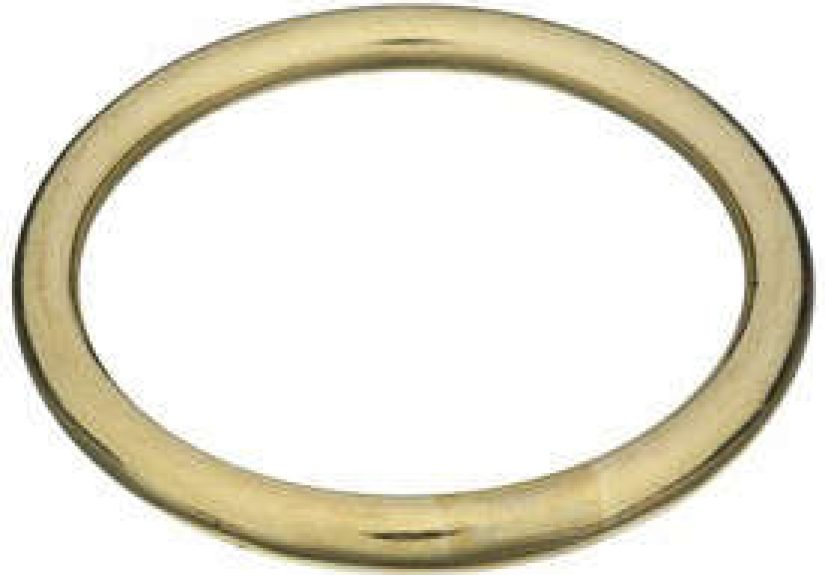
The product commonly referred to as “Stanley-National Hardware 3156BC 2 Ring Solid Brass” is a heavy-duty brass connecting ring used for general attachment tasks. It is part of National Hardware’s 3156BC ring family, which includes multiple sizes. In most retail catalogs, the specific 2-inch version is listed as model N258-756.
You may also see a second packaging-related number attached to the same 2-inch size in technical documents: N890-029. That is normal. National Hardware often uses one SKU for one packaging format and another SKU for a different packaging presentation (for example, bulk vs. retail packaging). In short: same ring family, different package code.
One more thing that confuses buyers: some listings call it a welded ring, while one design-focused listing describes it as having no welds. If you’re buying for a load-related use, treat that as a signal to verify the exact listing and packaging before checkout (and always check the posted working load rating on the seller page).
Quick Identification Guide
- Series / Family: 3156BC
- Common 2-inch retail model: N258-756
- Alternate 2-inch packaging code (seen in technical docs): N890-029
- Material: Solid brass / brass finish language appears across listings
- Typical use: Connector for rope, chain, and strap
- Common UPC for 2-inch ring: 038613258754
3156BC 2-Inch Ring Specs That Actually Matter
Let’s skip the mystery and get to the numbers. Retail listings for the 2-inch version (N258-756) consistently show a 2-inch inside diameter and a 325 lb working load limit. For most buyers, those are the two most important specs.
Key Specs for N258-756 (2-Inch Version)
- Inside diameter: 2 inches
- Working load limit: 325 lb
- Material: Solid brass
- Finish: Brass
- UPC: 038613258754
National Hardware’s 3156 technical drawing adds another detail that many store listings don’t clearly show: the 2-inch version includes a second dimension listed as 1/4 inch [6.5 mm], which helps you estimate the ring stock thickness when matching it to chain, rope hardware, or leatherwork components.
If you’re shopping by image only, that thickness detail is easy to missand it matters. A ring that looks “about right” in a thumbnail can feel completely wrong once it arrives. The technical sheet saves you from that classic DIY moment: “Why does this look tiny next to my strap?”
What Is It Used For?
Across multiple retailer listings, the 3156BC brass ring is described as a connector for rope, chain, and strap. That makes it a versatile utility part, not just a decorative piece. The most common uses include:
- Joining rope or light chain in utility setups
- Strap connection points in workshop or outdoor gear projects
- Marine-adjacent and outdoor applications where corrosion resistance matters
- Craft, tack, leather, and repair applications where brass hardware is preferred
- Replacement or upgrade hardware for custom rigging-style builds
A recurring instruction in seller descriptions is simple but important: use a ring size at least as large as the wire size of the chain. That’s a practical fit rule that helps prevent awkward pairings and reduces wear from undersized hardware interfaces.
Why Solid Brass Is a Big Deal
Brass is popular for a reason. In this product family, sellers consistently highlight corrosion resistance, and National Hardware’s own icon glossary describes solid brass as both decorative and durable. In plain English: brass is one of those materials that can look good and work hard at the same time.
If you’re building something visiblesay a porch accessory, a workshop hanging setup, a leather strap project, or a decorative storage solutionsolid brass can look intentional instead of “random hardware-bin silver.” It ages nicely, fits traditional and coastal looks, and doesn’t scream “temporary fix.”
That said, brass still deserves basic care. Dirt, moisture, and chemical exposure can affect the surface over time. More on that in the care section below.
How the 2-Inch Ring Compares to Other 3156BC Sizes
One of the best ways to understand the 2-inch model is to compare it with smaller rings in the same 3156BC line. Retail data across multiple sellers shows a clear pattern: as the ring size increases, the working load limit generally increases too.
| Model | Ring Size (ID) | Working Load Limit | Notes |
|---|---|---|---|
| N258-715 | 1-1/8 in | 215 lb | Smaller utility ring option |
| N258-723 | 1-1/4 in | 235 lb | Mid-size, common general-use choice |
| N258-749 | 1-3/4 in | 300 lb | Strong step-up size |
| N258-756 | 2 in | 325 lb | Largest common 3156BC brass ring in many listings |
This comparison is useful when you’re deciding whether the 2-inch ring is “too much” or “just right.” If your application needs more clearance or a beefier connector, the 2-inch version earns its place. If you’re working on a smaller craft or light-duty setup, one of the smaller models may fit better and cost less.
Buying Tips Before You Click “Add to Cart”
1) Search by the Exact Model Number
The easiest way to avoid the wrong item is to search for N258-756 instead of just “brass ring.” The generic search term will bring up everything from curtain rings to horse tack to keychain parts. The model number gets you to the correct National Hardware product faster.
2) Expect Price Differences
The 2-inch ring often shows up in the low single-digit price range, but pricing varies a lot by seller, packaging, and stock status. Some local hardware listings show prices around the $3 range, while other online sellers list it higher. In other words: same ring, different storefront math.
3) Check Stock Status Carefully
This is where things get interesting. One store page shows the item as discontinued, another lists in-store stock, and another shows it out of stock online while still allowing quote requests. That doesn’t necessarily mean the product is goneit often means local inventory systems are doing what local inventory systems do best: keeping everyone humble.
4) Watch the Packaging Code
If you see N258-756 and N890-029, you may be looking at the same 2-inch ring family in different packaging. Always check the size, material, and UPC if available. For the common 2-inch version, the UPC frequently shown is 038613258754.
5) Buy From an Authorized Seller When Warranty Matters
National Hardware’s warranty documents make it clear that warranty coverage applies through National Hardware or authorized resellers. If you care about warranty eligibility, don’t treat random marketplace listings and authorized retail channels as the same thing.
Installation and Use Tips for Better Results
This ring is simple, but using it well still matters. Here are a few practical tips that save headaches:
- Match ring size to the chain or strap hardware. If the ring is too small, movement becomes stiff and wear points show up faster.
- Stay within the listed working load limit. The 2-inch N258-756 is commonly listed at 325 lb working load. That number should guide your setup.
- Avoid mixed-metal surprises. Brass paired with harsh environments or reactive hardware may age unevenly. If appearance matters, plan the full hardware set.
- Inspect the ring before use. Especially if buying older stock, clearance items, or loose hardware bins. Confirm shape, finish condition, and labeling.
- Use the right application. This is a connector ring, not a magic all-purpose fix for every load scenario. Use it as intended and verify fitment.
Care and Maintenance for Solid Brass Rings
The 3156BC line is often marketed as corrosion-resistant, and brass does perform well in many environments. Still, a little maintenance goes a long wayespecially if the ring is exposed to moisture, dust, or outdoor conditions.
Basic Care Routine
- Wipe dirt and grit off periodically with a soft cloth
- Dry the ring after exposure to water or humidity-heavy environments
- Avoid harsh chemicals unless the manufacturer specifically approves them
- Inspect the contact areas where rope, chain, or strap rubs most often
- Replace the ring if it shows damage, deformation, or abnormal wear
For visible decorative applications, some users like the natural brass patina over time. Others prefer a cleaner polished look. Either approach worksjust be consistent with maintenance so the hardware ages evenly across your project.
Warranty and Brand Context
National Hardware’s official support pages and warranty materials reference the brand’s Lifespan® Limited Lifetime Warranty program. The current online warranty language (as published in the official warranty PDF) includes important details such as residential use duration distinctions (interior vs. exterior), exclusions, and the requirement to purchase through an authorized reseller for coverage eligibility.
That matters for a small item like this more than people think. Hardware is often bought from wherever it appears cheapest. If you’re using it in a project where replacement quality and brand traceability matter, paying attention to seller legitimacy is smart.
Also worth noting: National Hardware’s website clearly places rings in its broader rope and chain hardware / metal rings and bolts ecosystem, which helps explain why this part shows up in both functional utility categories and more design-forward contexts.
500-Word Experience Section: What It’s Like to Actually Use the 3156BC Brass Ring in Real Projects
Here’s the honest DIY experience with the Stanley-National Hardware 3156BC 2-inch solid brass ring: it’s one of those parts you don’t think much about until you use the wrong one. Then suddenly you become a philosopher of ring diameter, metal finish, and load ratings.
In real-world projects, the first thing people notice is the size-to-confidence ratio. A 2-inch ring sounds small when you read it on a screen, but in your hand it feels substantial enough for many utility tasks. It has a “serious hardware” feel without looking industrial or ugly. That’s part of the charm of brassit reads as practical, but polished.
If you’ve ever tried to build or repair something with random hardware drawer leftovers, you know the common failure point is not the big part. It’s the connector. The hook is wrong. The loop is too tight. The chain binds. The strap twists. A ring like the 3156BC solves a lot of those little geometry problems because it gives you a clean pivot point and enough room to work with rope, chain, or strap ends.
Another thing that stands out is how well it fits projects that need to look decent. If you’re making workshop storage, restoring older utility gear, upgrading hanging points, or doing a leather-and-canvas project, brass doesn’t look like an afterthought. It looks intentional. That sounds dramatic for a ring, but hardware aesthetics are real. One brass connector can make a project look “custom” instead of “I found this in a coffee can.”
There’s also a practical shopping lesson that comes with this product: always verify the model number. The 3156BC family has multiple sizes, and product pages can be inconsistent. Some stores emphasize the series name, others lead with the N258-756 model, and some focus on a house SKU. If you’re not careful, you’ll order the 1-1/4-inch version and spend the next ten minutes pretending it was your plan all along.
For frequent DIY buyers, another familiar experience is stock roulette. One store says “in stock,” another says “discontinued,” and a third says “out of stock” but invites you to request a quote. That doesn’t necessarily mean the ring is impossible to find. It just means this is classic hardware-distribution life. When a part is useful and inexpensive, it moves through local channels in unpredictable ways.
The best user experience comes from treating the 3156BC ring like a small but important system component. Match it to the right chain or strap size. Respect the listed working load. Check the finish and condition. Buy from a seller that gives clear specifications. Do that, and this little brass ring becomes the kind of part you buy once, use immediately, and then keep a spare in the drawer because future-you will absolutely need another one.
And yes, future-you will forget the model number. Write down N258-756 somewhere. Your next project will thank you.
Final Thoughts
The Stanley-National Hardware 3156BC 2-inch solid brass ring is a small, highly useful connector that punches above its size. It’s widely recognized under model N258-756, typically listed with a 2-inch inside diameter and a 325 lb working load limit, and is repeatedly described as a corrosion-resistant solid brass connector for rope, chain, and strap applications.
The biggest buying takeaway is simple: use the exact model number, verify the load rating and size on the seller page, and pay attention to stock and packaging variations. Do that, and you’ll get a dependable piece of hardware that works well in both utility and visible DIY projects.