Table of Contents >> Show >> Hide
- Why This Shed Feels More Like a Tiny House Than a Tool Shed
- What You Actually Get With a Lofted Wood Shed Kit Like This
- The Best Uses for a Shed That Looks Like a Tiny House
- Before You Call It a Tiny House, Read the Fine Print
- Who Should Buy This Lofted Amazon Storage Shed
- How to Make It Look Even More Like a Tiny House
- Final Take
- Experiences Related to “This Lofted Amazon Storage Shed Looks Like a Tiny House”
Some storage sheds are unapologetically sheds. They are useful, boxy, and about as charming as a tax form. Then there are the rare overachieversthe ones that show up online looking less like a place for rakes and more like a tiny house that accidentally wandered into the backyard. That is exactly the appeal behind this lofted Amazon storage shed. It has the kind of curb appeal that makes you stop mid-scroll and think, “Wait a second… would I drink coffee in there?”
The fascination makes sense. Homeowners want practical storage, but they also want their yards to look polished. A shed that blends utility with cottage-style charm feels like a small miracle. Instead of creating an eyesore, it adds visual interest. Instead of just swallowing up lawn tools, it hints at bigger possibilities: a backyard office, hobby room, garden headquarters, workshop, reading nook, or a flex space that finally gives your garage a break.
And that is why this lofted wood shed has captured attention. It is not just the square footage. It is the silhouette, the loft, the windows, the dormer details, and the way the design flirts with tiny-house energy without fully becoming one. That difference matters, and it is worth understanding before anyone starts picking out curtains and naming the place “Maple Cottage.”
Why This Shed Feels More Like a Tiny House Than a Tool Shed
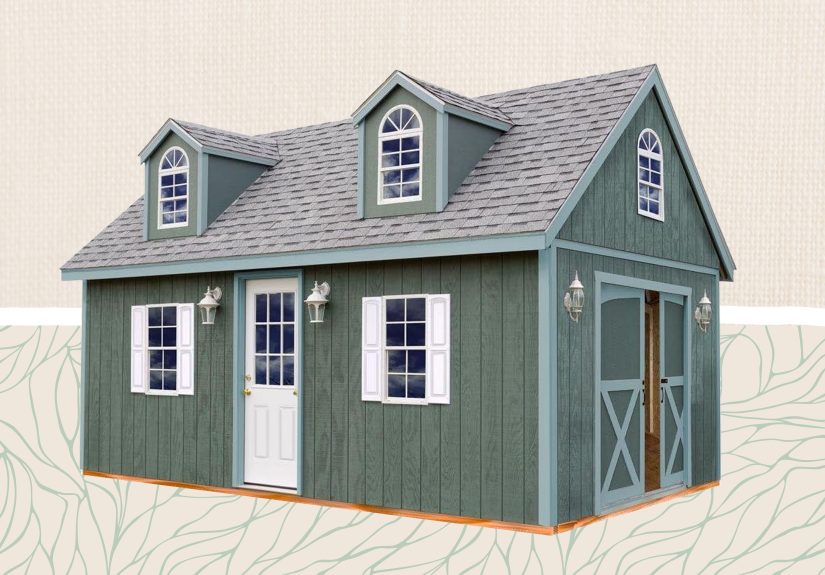
The biggest reason this Amazon storage shed stands out is simple: it looks intentional. Many backyard sheds are clearly designed around pure function. This one leans into architecture. The pitched roof, lofted upper level, windows, and decorative details soften the usual “utility box” vibe and give it a residential feel. In photos, it reads more like a miniature guest cottage than a place to hide a leaf blower.
The loft changes everything
Lofts are powerful little design magicians. Add one to a structure, and suddenly the whole space feels more dynamic, more custom, and frankly more expensive. A lofted shed creates vertical interest while giving owners extra usable area overhead. That is a major reason people connect it with the tiny house trend. Tiny homes are famous for squeezing more function out of limited square footage, and a loft does exactly that.
Even if the upper level is not a full-height second story, the visual effect is huge. It suggests separate zones. Downstairs can be storage, workspace, or a mini studio, while the loft feels like bonus territory for seasonal bins, décor, paperwork, hobby supplies, or a cozy lounging setup. It makes the shed feel less like one room and more like a compact little building with a plan.
The windows and dormer details do the flirting
Windows are what turn a structure from “outbuilding” into “place where humans might happily spend time.” This shed’s window placement and dormer styling add daylight, character, and just enough storybook charm to sell the tiny-house illusion. Natural light matters for obvious reasons, but it also affects mood. A bright shed feels inviting. A dark one feels like somewhere your holiday decorations go to contemplate eternity.
That tiny-house look is not just about square footage. It is about proportion, symmetry, and detail. A basic shed says, “I hold tools.” A lofted wood shed with dormer windows says, “I hold tools… but I also contain dreams.”
What You Actually Get With a Lofted Wood Shed Kit Like This
Part of the shed’s appeal is that it arrives as a kit rather than requiring a fully custom build. For homeowners who want a more upscale backyard structure without hiring a design-build team from scratch, that is a big draw. The product commonly discussed in coverage of this trend is a large wood shed kit with a 12-by-20-foot footprint, an upper loft area, multiple windows, and doors designed to handle serious storage needs.
That combination puts it in a sweet spot. It is substantially larger than a small garden shed, but it still feels more attainable than commissioning a detached backyard cottage. You get the bones of something attractive and flexible. In other words, it is a blank canvas with much better cheekbones than average.
Features that make it stand out
The visual charm is only part of the package. A lofted shed like this tends to win people over because it also offers practical advantages: more storage capacity, room to organize vertically, better natural light, and design details that make the structure feel like part of the property rather than an afterthought. That matters if you care about resale appeal, backyard aesthetics, or simply not offending your own eyes every time you open the curtains.
Another plus is flexibility. A large shed kit can serve different households in different ways. One owner may use it for garden equipment and bicycles. Another might turn the main level into a workshop. Someone else may carve out a home office on one side and use the loft for files, supplies, or décor storage. The building works because it does not force a single identity.
What it does not include is just as important
This is where smart buyers separate fantasy from facts. A lofted storage shed is still a storage shed kit first. That means it is not the same thing as a move-in-ready tiny home. Depending on the model, buyers may need to provide the foundation, flooring, roofing shingles, paint, finishing materials, utilities, insulation, and interior build-out. The shed may look adorable in product photos, but charm does not install plumbing.
That does not make the shed a bad buy. It just means buyers need to understand what they are purchasing: a strong, attractive shell with exciting possibilities, not a finished backyard residence dropped from the heavens by two-day shipping.
The Best Uses for a Shed That Looks Like a Tiny House
One reason this shed concept is so appealing is that it sits right at the intersection of beauty and usefulness. It can absolutely be a serious storage structure. But it can also become something more interesting.
1. Backyard storage with dignity
Let us start with the obvious use: storage. If you need somewhere to keep lawn equipment, gardening tools, outdoor furniture cushions, sports gear, and holiday bins, a large lofted shed gives you breathing room. The loft is especially helpful for items you do not need every week. Instead of stacking chaos on the floor and playing a daily game of “Where did I put the extension cord?” you can create zones that actually make sense.
2. Home office or studio shell
Remote work changed how many homeowners think about backyard structures. Suddenly, a detached building is not just storageit is sanity. A lofted shed with windows can become a compelling shell for a studio, writing room, art space, or office. The separation from the main house is a feature, not a bug. It creates mental distance from laundry, television noise, and the mysterious family member who always wants to ask where the scissors are.
3. Workshop or hobby retreat
If you build furniture, paint, sew, restore motorcycles, pot plants, or collect enough hobby gear to qualify as a small retailer, this kind of shed offers room to spread out. The loft helps keep materials organized, while the lower level can stay open for projects and movement. It is easier to enjoy a hobby when you are not unpacking and repacking it at the kitchen table every weekend.
4. Flex space with future potential
For many buyers, the appeal is not one specific use but optionality. Today it is organized storage. Next year it becomes a backyard office. Later it could evolve into a more finished retreat, depending on local laws, budget, and time. That long-term flexibility is part of why this type of shed feels like a smart investment for the right homeowner.
Before You Call It a Tiny House, Read the Fine Print
Here is the reality check every dreamy shed article needs: a shed that looks like a tiny house is not automatically a legal, habitable tiny house. That distinction is not just technical. It affects permits, electrical work, plumbing, insulation, setbacks, inspections, insurance, and how much money the project can ultimately consume.
Permits and zoning can ruin a fantasy fast
Local regulations vary widely. In some areas, smaller one-story accessory structures used for storage may have easier rules. But once a building gets larger, includes utilities, or is intended for living or sleeping, the bar gets higher. If a homeowner wants to turn a lofted shed into an actual guest space or ADU-style setup, they may need multiple permits and inspections. Translation: before buying throw pillows, call your local building department.
Foundation matters more than style
A pretty shed still needs a proper base. Large structures cannot just be plopped onto a casual patch of ground and wished good luck. Poor foundations lead to settling, moisture trouble, warped framing, and long-term headaches. Water drainage, level installation, anchoring, and local site conditions all matter. The cute dormers will not save you from a crooked floor.
Insulation, utilities, and comfort are not small upgrades
If the goal is more than storage, plan for real construction decisions. A more comfortable finished space usually needs insulation in the walls and roof, proper air sealing, electrical planning, lighting, and possibly HVAC. Add a bathroom or sink, and the complexity jumps quickly. That does not mean a conversion is impossible. It means the shed is the beginning of the project, not the end.
Insurance deserves a seat at the table
Backyard structures may be covered differently depending on the policy and the way the building is used. A simple storage shed is one thing. A heavily improved structure with expensive contents, electrical upgrades, or guest use is another. Smart homeowners check insurance details beforenot afterthey invest in upgrades. Nobody wants to discover a coverage gap during the worst possible week of their life.
Who Should Buy This Lofted Amazon Storage Shed
This kind of shed makes sense for buyers who want a large, attractive backyard building with genuine flexibility. It is especially appealing for homeowners who value curb appeal, need more storage than a standard shed can provide, and are willing to think through installation properly. It is also a strong fit for people who enjoy phased projects: buy the shell now, organize the interior, then improve the space over time.
It is probably not the right fit for someone expecting a turnkey tiny house, a no-effort weekend setup, or a bargain-basement solution. Wood shed kits of this size and style are not impulse buys. They reward planning, patience, and a realistic budget.
How to Make It Look Even More Like a Tiny House
If your goal is maximum charm, a few thoughtful upgrades can push the shed from “nice outbuilding” to “backyard star.” Paint it to complement the main house. Add flower boxes, gravel or paver paths, exterior lighting, and clean landscaping. Inside, use vertical shelving, soft lighting, and purposeful zones so the space feels organized rather than improvised.
If you are finishing part of the interior, lean into small-space design tricks. Lighter wall colors, built-in storage, fold-down work surfaces, and multipurpose furniture can make the footprint feel bigger. Tiny houses work because every inch has a job. A shed-inspired flex space should do the same.
Final Take
This lofted Amazon storage shed earns attention because it offers something many homeowners secretly want: practical square footage that does not look purely practical. It is storage with personality. It is a backyard building that can pull visual weight instead of hiding in shame behind the fence. Most importantly, it sparks imagination without requiring a full custom build from day one.
That said, the smartest way to love a shed like this is to appreciate both sides of the story. Yes, it looks like a tiny house. Yes, the loft and windows make it dramatically more appealing than the average shed. But no, it is not automatically a legal dwelling, ready-made guest cottage, or magical solution to every space problem. Buy it for what it is: a handsome, flexible structure with serious potential. Then plan the rest like an adult with a tape measure and a permit office phone number.
Experiences Related to “This Lofted Amazon Storage Shed Looks Like a Tiny House”
The most interesting experiences around a lofted shed like this usually begin the same way: someone buys it for storage, then slowly realizes the building is too charming to stay “just storage.” At first, the owner moves in a mower, a rake, and a few bins. Then a folding chair appears. Then a rug. Then a lamp. Before long, the shed has crossed an invisible line and become a place people actually want to spend time in. That transformation is a big part of the emotional appeal.
One common experience is relief. Homeowners who are overwhelmed by garage clutter often describe the first week after organizing a large shed as weirdly satisfying. Seasonal decorations finally have a home. Gardening supplies are no longer scattered across the porch. Sports equipment stops colonizing the hallway. A loft makes that feeling even better because it creates layers of order. Things that are used monthly or once a year can go up top, while daily-use items stay below. The structure feels smarter than a standard shed because it supports a smarter routine.
Another experience is surprise at how “finished” the backyard suddenly feels. People often think of sheds as purely functional purchases, but an attractive wood shed can shift the whole look of a property. Once the paint is done, the path is laid, and a few plants are placed nearby, the shed starts reading like a designed feature. Homeowners notice they enjoy looking out at it. Guests comment on it. Kids claim it is the coolest building on the property. The structure becomes part storage solution, part backyard personality upgrade.
There is also the experience of creative mission creep, and honestly, it is very relatable. A homeowner may tell themselves the loft is only for boxes. Then they see how much light comes through the windows and begin imagining a reading corner, a writing nook, or a mini office. Someone with a craft hobby starts picturing supplies organized by project. A gardener imagines a potting bench below and neatly labeled seed storage above. A remote worker sees a place where meetings can happen without a dog barking in the background. The shed becomes a container for better habits, not just more stuff.
Of course, there is a more sobering experience too: realizing that “tiny house vibes” and “actual tiny house conversion” are not the same project. Many homeowners eventually discover that once electricity, insulation, cooling, interior walls, and permits enter the chat, the budget gets serious. That does not ruin the shed’s value. It just changes expectations. The best outcomes usually happen when owners let the structure evolve naturally. They begin with solid storage, improve comfort gradually, and only pursue a larger conversion if the rules, money, and long-term use really justify it.
In the end, that is what makes a lofted Amazon storage shed so compelling. The experience is not only about owning a building. It is about watching a highly practical purchase become unexpectedly personal. It gives homeowners more room, more order, more visual charm, and more possibilities than they expected. Not bad for something that started life as “the place where the shovel goes.”