Table of Contents >> Show >> Hide
- What Is Rotkohl (And Why Does Everyone Love It)?
- Ingredients for Traditional German Red Cabbage
- Traditional German Rotkohl Recipe (Stovetop)
- Why This Recipe Works (A Little Tasty Science)
- Common Rotkohl Mistakes (And Easy Fixes)
- Traditional Variations (Because Germany Contains Multitudes)
- What to Serve with Traditional German Red Cabbage
- Make-Ahead, Storage, and Freezing
- FAQ: Traditional German Red Cabbage (Rotkohl)
- Conclusion
- Rotkohl Experiences: The Stories This Side Dish Collects (Extra )
If you’ve ever sat down to a plate of schnitzel or a cozy holiday roast and thought, “This meal needs something bright, tangy, and suspiciously purple,” congratulationsyou’re already emotionally prepared for traditional German red cabbage, also known as Rotkohl. It’s sweet, it’s sour, it’s silky-soft without being mushy, and it makes rich meats taste like they just got a wardrobe upgrade.
This Traditional German Red Cabbage (Rotkohl) recipe is the classic stovetop braise: red cabbage slowly simmered with apples, onion, vinegar, a little sweetness, and warm spices. It’s the kind of side dish that tastes even better the next daybecause Rotkohl believes in meal prep and personal growth.
What Is Rotkohl (And Why Does Everyone Love It)?
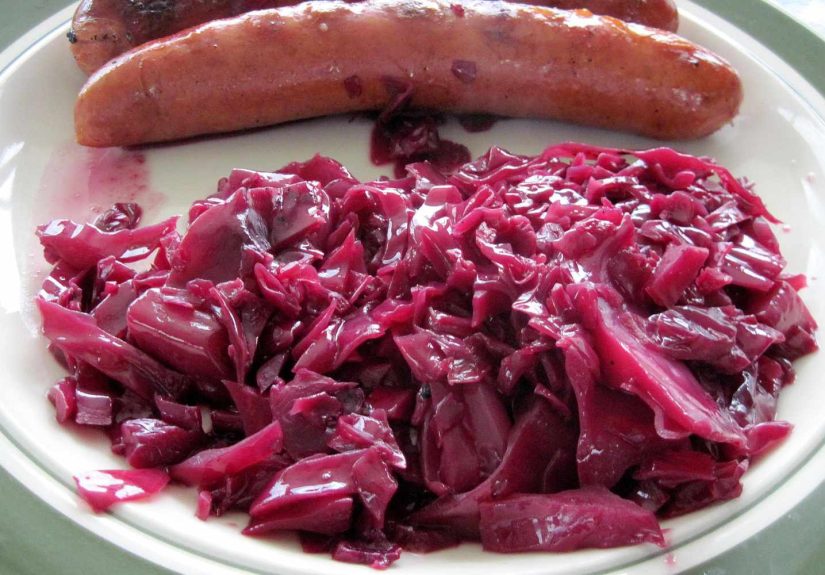
Rotkohl is a German-style braised red cabbage dish served warm (or sometimes chilled) alongside hearty mainsthink pork roast, bratwurst, duck, rouladen, or even a veggie-friendly mushroom gravy situation. Depending on the region, you may hear it called Blaukraut or Blaukohl. Same idea: a sweet-and-sour cabbage side with a gentle spice perfume and a glossy, jewel-toned finish.
The magic is in the balance. Vinegar brings tang and helps keep the cabbage vibrantly colored; sugar (or jam/jelly) rounds out the acidity; apples add fruity sweetness; and spices like bay leaf, cloves, and sometimes juniper berries make it taste unmistakably “German holiday table.”
Ingredients for Traditional German Red Cabbage
The Essentials
- Red cabbage (about 2 to 2½ pounds): finely sliced for that classic texture
- Onion: yellow or sweet onion, thinly sliced
- Apple: tart-sweet apples like Granny Smith, Braeburn, or Gala
- Butter (or duck fat for extra richness): traditional and delicious
- Vinegar: red wine vinegar or apple cider vinegar
- Sweetener: brown sugar (or a spoonful of jam/jellymore on that below)
- Liquid: apple cider/juice, broth, or a splash of red wine
- Salt & black pepper
Classic Spice Notes (Pick Your Comfort Level)
- Bay leaf (highly recommended)
- Cloves (whole or groundgo easy; they’re powerful)
- Juniper berries (optional but very traditional)
- Caraway seeds (optional; adds that rye-bread-adjacent vibe)
Traditional “Chef’s Choice” Add-Ins
- Bacon (adds smoky depthvery common in German-American kitchens)
- Red currant jelly or cranberry sauce (for holiday sweetness and shine)
- Raisins (not everyone’s favorite, but historically popular)
Traditional German Rotkohl Recipe (Stovetop)
Yield: 6–8 servings
Prep time: 15–20 minutes
Cook time: 60–90 minutes (depending on how tender you like it)
Best feature: Tastes even better tomorrow
You’ll Need
- Large Dutch oven or heavy pot with a lid
- Sharp knife or mandoline
- Wooden spoon
Ingredients
- 1 medium head red cabbage (about 2 to 2½ lb), cored and thinly sliced
- 1 medium onion, thinly sliced
- 1 large apple, peeled and grated or thinly sliced
- 3 tbsp butter (or 2 tbsp butter + 1 tbsp bacon fat if using bacon)
- 3–4 tbsp red wine vinegar (or apple cider vinegar)
- 3 tbsp brown sugar (adjust to taste)
- ¾ cup apple cider or unsweetened apple juice (or ½ cup + ¼ cup broth)
- 1 bay leaf
- 4 whole cloves (or ⅛ tsp ground cloves)
- 6 juniper berries, lightly crushed (optional)
- 1 tsp caraway seeds (optional)
- 1 tsp kosher salt, plus more to taste
- ½ tsp black pepper
- Optional: 4 slices bacon, chopped
- Optional: 2–3 tbsp red currant jelly or cranberry sauce
Step-by-Step Instructions
- Prep the cabbage like you mean it.
Remove any sad outer leaves. Quarter the cabbage, cut out the core, then slice thinly. Thin slices = silky Rotkohl; thick chunks = “I guess we’re chewing thoughtfully tonight.” - Start with flavor.
Heat butter in a Dutch oven over medium heat. If using bacon, cook it first until it renders and begins to crisp, then add butter as needed. - Sauté onion (and apple, if you like it softened early).
Add onion and cook 3–5 minutes until softened. Add grated/sliced apple and cook 2 minutes more. This builds a sweet base that makes the cabbage taste rounder and less sharp. - Add cabbage and let it wilt.
Add the sliced red cabbage in big handfuls, stirring as it collapses. Cook 5 minutes so it softens and starts to gloss. - Season and braise.
Stir in vinegar, brown sugar, apple cider/juice, bay leaf, cloves, and any optional spices (juniper, caraway). Add salt and pepper. Bring to a gentle simmer. - Cover and cook low and slow.
Reduce heat to low, cover, and simmer for 60 minutes, stirring every 10–15 minutes. Add a splash more cider or water if it looks dry. You want tender, not scorched. - Finish with a shine.
If using red currant jelly or cranberry sauce, stir it in during the last 10 minutes. It adds body and that classic sweet-tart finish. - Taste and adjust.
Rotkohl is all about balance. If it’s too tart, add a teaspoon more sugar or jelly. Too sweet? Add a small splash of vinegar. Too flat? A pinch more salt wakes it up. - Rest (optional, but legendary).
Let it sit 10 minutes before serving. Better yet, chill overnight and reheatmany cooks swear Rotkohl tastes best the next day.
Why This Recipe Works (A Little Tasty Science)
Vinegar = color insurance
Red cabbage contains anthocyaninspigments that shift color depending on acidity. A mildly acidic braise helps keep it bright and “holiday jewel” colored rather than drifting into murky purple-gray territory.
Apples do more than add sweetness
Apples bring natural sugars and gentle fruit acids, plus pectin that subtly thickens the braising liquid. That’s why Rotkohl can feel glossy without needing a floury thickener.
Spices should whisper, not shout
Cloves and juniper can taste magical… or like you accidentally licked a winter candle. Keep them restrained. You can always add more, but you can’t un-clove something.
Common Rotkohl Mistakes (And Easy Fixes)
“My cabbage is mushy.”
You likely sliced too thin and cooked too long at too high a simmer. Next time, keep it at a gentle simmer and start checking tenderness around 45–50 minutes.
“It tastes too sour.”
Add sweetness gradually: a teaspoon of brown sugar, a spoon of jelly, or even extra apple cider. Also check your saltlow salt can make acidity feel sharper.
“It’s too sweet.”
Add vinegar a teaspoon at a time. A squeeze of lemon can also sharpen it without adding “vinegar vibes.”
“It’s watery.”
Remove the lid for the last 10–15 minutes and simmer to reduce. Rotkohl should be saucy, not soup.
Traditional Variations (Because Germany Contains Multitudes)
Bavarian-Style “Blaukraut”
In some regions, the dish leans a bit more sweet, sometimes with apple juice and a little less vinegar up front. The flavor is still sweet-sour, just softer around the edges.
Rotkohl with Bacon (German-American Classic)
Cook chopped bacon first, then sauté onions in the rendered fat. This gives the cabbage a smoky backbone that pairs beautifully with pork roast, sausages, and anything with gravy. If you’re serving a big holiday spread, bacon Rotkohl disappears fastlike it got invited to the “popular sides” table.
Holiday Rotkohl with Cranberry or Currant
Stir in cranberry sauce or red currant jelly near the end. It adds sweetness and a gentle fruit tang, plus a glossy finish that looks restaurant-level with basically no extra effort.
Weeknight Shortcut Rotkohl
Slice the cabbage thin, use apple cider vinegar + apple juice, and simmer uncovered for part of the cook time. You can get a very satisfying sweet-and-sour red cabbage in 35–45 minutes.
Instant Pot German Red Cabbage
Pressure cooking can make Rotkohl fast, but it’s easier to over-soften the cabbage. Keep the cook time short, then finish with sauté mode to reduce and adjust the sweet-sour balance.
Vegan Rotkohl
Swap butter for a neutral oil or vegan butter, and use apple juice or vegetable broth. Add a spoonful of cranberry sauce for body. You’ll still get that classic German red cabbage flavor without the animal products.
What to Serve with Traditional German Red Cabbage
Rotkohl is a dream side dish for rich, savory mains because it cuts through fat and wakes up the whole plate. Try it with:
- Schnitzel (pork or chicken)
- Bratwurst or other sausages
- Pork roast, pork chops, or smoked ham
- Rouladen (beef rolls) and gravy
- Duck or turkey (holiday hero pairing)
- Potato dumplings, spaetzle, mashed potatoes, or roasted potatoes
- Mushroom gravy + a hearty vegan main for a plant-based feast
Make-Ahead, Storage, and Freezing
Make-ahead tip
Rotkohl is famously better after a rest. Make it 1 day ahead, cool, refrigerate, and reheat gently. The flavors meld, the sweetness smooths out, and the spices feel more integrated.
Fridge
Store in an airtight container for 4–5 days. Reheat on the stove over low heat with a splash of water or apple cider to loosen.
Freezer
Rotkohl freezes well for up to 2–3 months. Thaw overnight in the fridge, then reheat gently. If it seems watery after thawing, simmer uncovered to reduce.
FAQ: Traditional German Red Cabbage (Rotkohl)
Can I make Rotkohl without apples?
Yes, but apples contribute sweetness and body. If skipping apples, consider using a little more sugar/jelly and a splash of apple juice for that classic flavor profile.
Do I have to use cloves and juniper?
No. Bay leaf is the most “core” spice. Cloves and juniper are traditional, but optionalespecially if your family has Strong Opinions™ about holiday spices.
How do I keep the color bright?
Use vinegar early in the cooking process and avoid overcooking. Acid helps preserve that vibrant red-purple hue.
Is Rotkohl served hot or cold?
Traditionally it’s served warm, but leftover Rotkohl can be excellent chilled or room temperaturealmost like a tangy salad side, especially with meats and cheese.
Conclusion
This Traditional German Red Cabbage (Rotkohl) recipe is one of those rare side dishes that can steal the spotlight without being obnoxious about it. It’s sweet, tangy, cozy, and incredibly flexibleweekday dinner friendly, holiday-table worthy, and leftover-approved. Make it once, and you’ll start looking at red cabbage in the grocery store like it’s an underrated celebrity.
Rotkohl Experiences: The Stories This Side Dish Collects (Extra )
Rotkohl has a funny way of becoming part of people’s food memoriesespecially in families where holiday meals are a big deal and side dishes are treated like honorary main characters. In many German-American households, Rotkohl is the “always there” dish: it shows up next to pork roast, beside turkey, or tucked into a plate that also includes mashed potatoes, gravy, and something bread-based. It’s not flashy on purpose, but it’s the one you keep circling back to because it makes everything else taste better.
One classic Rotkohl moment happens during meal prep: you slice a whole head of cabbage and immediately wonder why you didn’t choose a calmer hobby, like birdwatching. Red cabbage multiplies like it has a side quest. But then it hits the pot, wilts down, and suddenly your “this is too much cabbage” panic turns into “wait, is this enough?” By the time it’s braised, glossy, and deeply colored, the pot looks normal againand your kitchen smells like apples, warm spice, and comfort food with excellent manners.
Rotkohl also has a reputation for making leftovers feel intentional. The next day, it reheats beautifully, and the flavor often tastes more balancedless sharp, more rounded, like it spent the night thinking about how to be its best self. People use leftover Rotkohl in ways that feel almost rebellious: piled next to scrambled eggs, tucked into sandwiches with roast pork, or served cold like a tangy-sweet salad with cheese and crusty bread. It’s the kind of side that quietly becomes “the thing we hope is left over,” which is the highest compliment in the food universe.
Then there’s the social side of it. Bring Rotkohl to a potluck and you’ll usually get two reactions: the curious people (“What is that purple deliciousness?”) and the experienced people (“Oh good, someone brought Rotkohl.”). The curious crowd becomes experienced very quickly. It’s a gateway dish for anyone who thinks cabbage is only for coleslaw. Rotkohl proves cabbage can be silky, gently sweet, and complex without being heavy.
And finallyyesthere’s the color. Rotkohl is dramatic in the best way. It makes beige foods look prettier. It makes holiday plates look festive. It photographs well. It also occasionally stains cutting boards, which is why Rotkohl teaches a subtle life lesson: beautiful things sometimes require a little cleanup. Worth it.