Table of Contents >> Show >> Hide
- What Makes This Tuna Sandwich Work
- Ingredients
- Equipment You’ll Want
- Step-by-Step: Tuna Salad With Mayo and Celery
- Assembling the Perfect Tuna Sandwich
- Flavor Upgrades (Without Losing the Classic Vibe)
- Choosing Tuna: Water-Packed vs. Oil-Packed
- How to Avoid a Soggy Tuna Sandwich
- Food Safety and Storage Tips
- Health Note: Tuna and Mercury (Quick, Calm Guidance)
- Serving Ideas: Make It a Whole Lunch
- FAQ
- Make It Your Signature: Three Quick Variations
- Extra Section: Experience-Based Notes (What You Learn After Making This a Lot)
- Conclusion
There are two kinds of tuna sandwiches in this world: the sad, soggy “desk drawer emergency lunch,” and the
crisp, creamy, perfectly seasoned one that makes you feel like you’ve been adopted by a friendly deli.
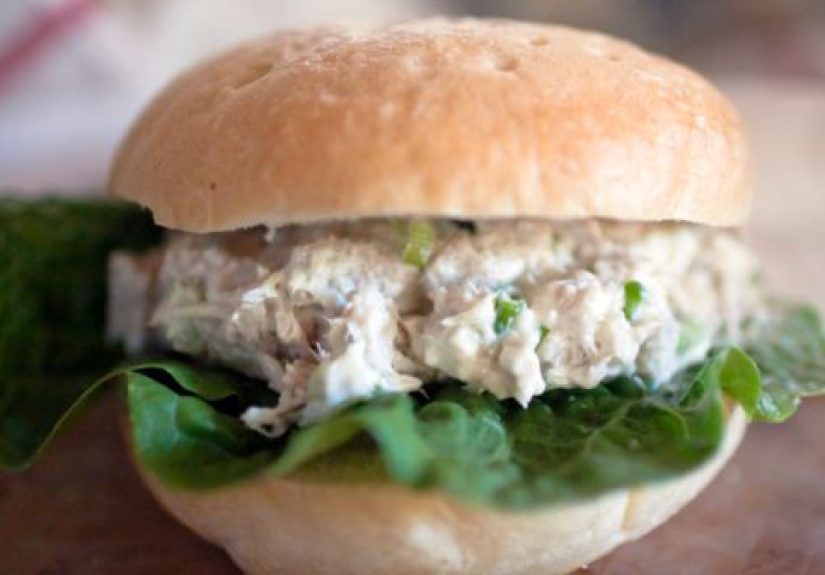
This is the second one. We’re making a tuna sandwich recipe with mayonnaise and celery that’s
bright, crunchy, and confidently lunchbox-readywithout tasting like you took a swim in a jar of mayo.
The secret isn’t fancy ingredients. It’s good texture (hello, celery crunch), balanced flavor
(a little acid + a little mustard goes a long way), and a couple of small moves that separate “fine” from “wow.”
Let’s build a classic tuna salad sandwich you’ll actually crave.
What Makes This Tuna Sandwich Work
- Celery = crunch insurance. It keeps every bite lively and fresh, even after chilling.
- Mayo = creamy glue. It binds tuna flakes and seasonings into a spreadable, sandwich-friendly salad.
- Acid + salt = flavor wake-up call. Lemon juice or vinegar plus proper seasoning makes tuna taste like tuna, not like… wet beige.
- Drain the tuna well. Excess liquid is the #1 reason tuna salad becomes watery and sad.
Ingredients
Makes 2 generous sandwiches (or 3 smaller ones). Easily doubles.
For the Tuna Salad
- 2 cans tuna (5 oz each), packed in water, well drained (about 10 oz / 280 g total)
- 1/3 cup mayonnaise (start here; add 1–2 tbsp more if you like it extra creamy)
- 1/2 cup celery, finely diced (about 1 large rib)
- 2 tbsp red onion, very finely diced (optional but recommended)
- 1–2 tsp Dijon or yellow mustard (optional, but adds zip)
- 1–2 tsp lemon juice (or 1 tsp vinegar)
- 1–2 tbsp dill pickle relish or finely chopped pickles (optional, for deli vibes)
- Salt and black pepper, to taste
For the Sandwich
- 4 slices bread (sourdough, sandwich bread, whole wheat, ryeyour call)
- Lettuce (romaine, butter lettuce, or even spinach)
- Tomato slices (optional)
- Potato chips (optional, but highly encouraged for crunch)
Equipment You’ll Want
- Medium mixing bowl
- Fork (for flaking tuna)
- Sharp knife + cutting board
- Measuring spoons/cups (or a confident eyeball)
Step-by-Step: Tuna Salad With Mayo and Celery
-
Drain the tuna like you mean it.
Open the cans and press the lid down firmly to squeeze out liquid. For extra credit, dump tuna into a fine-mesh
strainer and press gently with a spoon. Less water = thicker, better tuna salad. -
Flake it.
Add tuna to a bowl and use a fork to break it into small flakes. You want it spreadable, not in giant chunks that
fall out of your sandwich like awkward confetti. -
Add the crunch.
Stir in diced celery (and onion if using). The smaller the dice, the more evenly you’ll get crunch in every bite. -
Make it creamybut not swampy.
Add mayonnaise, mustard, and lemon juice (plus relish/pickles if using). Stir until combined. -
Season properly.
Add a pinch of salt and several grinds of pepper, then taste. Tuna needs more salt than you think, but add it slowly.
If it tastes flat, add a tiny squeeze of lemon or a touch more mustard. -
Chill (optional, but delicious).
Cover and refrigerate for 15–30 minutes. This helps flavors meld and thickens the salad slightly.
Assembling the Perfect Tuna Sandwich
- Toast the bread if you like a sturdier sandwich (recommended if you’re packing it).
- Add lettuce first to create a “green barrier” that helps prevent sogginess.
- Spoon on the tuna salad and spread evenly.
- Add tomato if using (pat it dry first). Then top with the second slice of bread.
- Optional crunch upgrade: add potato chips inside the sandwich right before eating.
Flavor Upgrades (Without Losing the Classic Vibe)
If you want a tuna salad sandwich that tastes like a classic but has a little “whoa, what is that?” energy, try one
of these small add-ins. Pick one or twothis isn’t a competition to empty your fridge.
Easy Add-Ins
- Fresh herbs: chopped parsley or dill (1–2 tbsp)
- Celery salt: a pinch adds deli-style flavor fast
- Garlic: a tiny grate of garlic or a pinch of garlic powder
- Hot sauce: a few dashes for gentle heat
- Paprika or Old Bay-style seasoning: a pinch for savory warmth
Texture Boosters
- Chopped pickles instead of relish (less sweet, more crunch)
- Diced apple (tart, crisp, surprisingly great with celery)
- Chopped nuts like sliced almonds (if you’re feeling fancy)
Choosing Tuna: Water-Packed vs. Oil-Packed
Both work, but they behave differently in a tuna sandwich recipe with mayonnaise and celery:
-
Water-packed tuna is mild and lets the mayo, celery, and seasonings shine. It’s the classic
“lunch counter” choice. -
Oil-packed tuna tastes richer and can feel more luxurious. If you use it, drain well and consider
using slightly less mayo at first, since the tuna already brings some richness.
How to Avoid a Soggy Tuna Sandwich
- Drain tuna thoroughly. This is non-negotiable.
- Chill the tuna salad. Cold salad is thicker and less runny.
- Use a barrier. Lettuce between bread and tuna helps.
- Toast your bread. Especially if packing for later.
- Pack smart. If you can, pack tuna salad separately and assemble when it’s time to eat.
Food Safety and Storage Tips
Tuna salad contains mayonnaise (and sometimes eggs), so treat it like the perishable food it is:
- Refrigerate promptly. Store tuna salad in an airtight container.
- Use within 3–4 days for best quality and safety.
-
Don’t leave it out too long. As a general rule, perishable foods shouldn’t sit at room temperature
for more than 2 hours (or 1 hour if it’s very hot out). - Packing for lunch? Use an ice pack or insulated lunch bag.
Health Note: Tuna and Mercury (Quick, Calm Guidance)
Tuna is a convenient protein, but some types contain more mercury than others. If you’re making tuna sandwiches often
for kids, or for anyone who is pregnant or may become pregnant, it’s a good idea to favor canned light tuna
more often than albacore/white tuna and follow current seafood guidance from U.S. health agencies.
Serving Ideas: Make It a Whole Lunch
- Classic deli plate: tuna sandwich + pickle spear + kettle chips
- Fresh side: grapes, apple slices, or a simple cucumber salad
- Soup combo: pair with tomato soup (the grilled-cheese crowd doesn’t own that tradition)
- Wrap option: scoop into a tortilla with lettuce for a less crumbly ride
FAQ
Can I make tuna salad without celery?
You can, but you’ll miss the crunch. If you don’t have celery, try diced cucumber, chopped pickles, or thinly sliced
green onion for texture.
What’s the best mayo for tuna salad?
Use one you genuinely like. Since mayo is a main flavor, a quality, classic mayonnaise gives the best result. If you
prefer a lighter taste, start with less and add more as needed.
How do I make it less “mayo-y” without making it dry?
Use a little less mayo and add moisture with lemon juice, a spoonful of relish, or a teaspoon of mustard. You can also
mix mayo with plain Greek yogurt for a lighter feel.
Can I freeze tuna salad?
Not recommended. Mayo-based salads tend to separate and become watery or grainy after thawing. It’s best made fresh
and stored in the fridge for a few days.
What bread works best for a tuna sandwich?
Sturdy bread wins: sourdough, whole wheat, rye, or a toasted sandwich bread. Soft white bread is classic too, but toast
it if you want less sogginess.
Make It Your Signature: Three Quick Variations
1) Deli-Style Crunch
Add 2 tbsp finely chopped pickles, 1 tbsp relish, and a pinch of celery salt. Serve on toasted rye with lettuce.
2) Lemon-Herb Bright
Add extra lemon juice, chopped parsley or dill, and a tiny drizzle of olive oil. This one tastes fresh and “clean.”
3) Tuna Melt Direction (Optional Detour)
Spread tuna salad on bread, top with sliced cheese, and toast or broil until melty. It’s comfort food that still has
celery crunch and a little dignity.
Extra Section: Experience-Based Notes (What You Learn After Making This a Lot)
“Experience” is a funny word in cooking, because it sounds like you need a chef’s hat and a dramatic backstory. In reality,
it usually means: you made the same lunch enough times to notice patterns. If you put this tuna sandwich into regular rotation,
here are the real-life things that tend to happenand the little tweaks that make it better every single time.
First, you’ll discover that celery size matters more than you’d think. Big chunks look impressive in the bowl,
but they can poke out of the sandwich and launch tuna salad like a tiny catapult. A small, even dice blends into the tuna so
you get crunch in every bite without feeling like you’re chewing a garden fence. If you’re in a rush, slicing celery thinly
(instead of dicing) still gives you crispness, just with a slightly “stringier” bite.
Second, you’ll learn that tuna salad has a personality after it chills. Freshly mixed, it can taste a little
sharp or a little flat depending on your lemon and salt. After 20–30 minutes in the fridge, everything settles down and
starts acting like a team. That’s why people swear “it tastes better the next day.” It’s not magicit’s just time. If you
plan ahead, mix the tuna salad first, then toast bread or slice tomatoes while it chills.
Third, you’ll run into the classic packed-lunch issue: soggy bread. The first time it happens, you’ll feel
betrayed by physics. The fix is simple: make a “barrier system.” Lettuce works, but so does a thin layer of butter on the
bread (yes, really), or packing the tuna salad separately and assembling at lunch. If you’re taking it on the go, toasted bread
buys you extra time before things go squishy.
Then comes the seasoning lesson: salt + acid are the steering wheel. Some days your tuna tastes stronger or milder
(brands vary, and water-packed vs. oil-packed changes everything). If your tuna salad tastes bland, adding more mayo usually isn’t the
answerit just makes it heavier. Instead, try a pinch of salt, a squeeze of lemon, or a tiny spoon of relish. Those little adjustments
wake everything up without turning the bowl into a mayo spa.
Finally, if you make this often, you’ll probably develop a “signature move.” Maybe you always add chopped dill pickles because you love
that deli tang. Maybe you’re a mustard person, or you like a pinch of paprika for warmth. Some people swear by diced apple because it adds
sweet crunch and makes tuna salad feel less “one-note.” The point is: once you’ve made the classic version a couple times, you’ll start
customizing it based on how you actually eat. And that’s the best kind of cooking experienceno dramatic music required.
So if you’re new to tuna salad, start with the base recipe and keep it simple. If you’re already a tuna sandwich veteran, treat this as
your official permission slip to be a tiny bit picky: drain the tuna better, dice the celery smaller, season with intention, and build the
sandwich like it deserves to be eaten on purposenot just because it was there.
Conclusion
A great tuna sandwich doesn’t need fancy tricksit needs a few smart choices: drain the tuna, use mayo thoughtfully, dice celery for
consistent crunch, and balance everything with salt and a pop of acid. Once you’ve got that, you can go classic, deli-style, bright and
herby, or even melt it into comfort food. Either way, you’re officially too skilled for sad desk lunches.