Table of Contents >> Show >> Hide
- What Is Venous Bleeding (and How Is It Different)?
- Venous Bleeding Symptoms: What You May See and What You May Feel
- First Aid for Venous Bleeding: What to Do in the First Minutes
- When to Seek Medical Care (Even If You “Got It Under Control”)
- Medical Treatment: What Happens in the ER or Urgent Care
- Recovery and Home Care After Venous Bleeding
- Prevention: Small Steps That Make a Big Difference
- Real-World “Experiences” and Scenarios (About )
- Conclusion
Venous bleeding is the kind of bleeding that comes from a veinthose “return lanes” that carry blood back to your heart.
Because veins run at lower pressure than arteries, venous bleeding usually doesn’t spray dramatically across the room like a horror-movie special effect.
But don’t let the calmer vibe fool you: a cut that hits a decent-size vein can still lose a lot of blood quickly, especially if the wound is deep or wide.
This guide breaks down what venous bleeding looks like, what symptoms matter (including red flags for shock),
what to do in the first minutes at home, and what medical treatment may involve once you get help.
It’s written in plain, standard American Englishwith just enough personality to keep you awake, but not so much that you forget bleeding is serious.
Important: This article is for general information, not medical advice. If bleeding is severe, won’t stop, or the person looks unwell, call 911 right away.
What Is Venous Bleeding (and How Is It Different)?
External bleeding is often described by where it comes from: capillaries (tiny surface vessels), veins, or arteries.
Knowing the difference can help you react fast and choose the right first-aid steps.
Venous vs. Arterial vs. Capillary: The Quick “Spot Check”
- Venous bleeding: Often dark red or maroon and flows in a steady stream or heavy ooze.
- Arterial bleeding: Often bright red and may spurt or pulse with the heartbeat.
- Capillary bleeding: Oozes slowly from shallow scrapes or small cuts.
Real life isn’t always textbook-perfectblood can look brighter or darker depending on lighting, oxygen levels, and how fast it’s coming out.
Still, the “steady flow” pattern is a classic clue that you’re dealing with a vein.
Venous Bleeding Symptoms: What You May See and What You May Feel
Common Signs of Venous Bleeding
- Dark red blood that appears maroon (often, but not always).
- Continuous flow or strong oozing rather than rhythmic spurting.
- Bleeding that increases when the injured area is lowered (gravity can raise venous pressure in the limb).
- Swelling around the wound (blood pooling under the skin can happen too).
“This Is Not Fine” Symptoms: Red Flags That Need Urgent Care
Venous bleeding becomes dangerous when it’s heavy, persistent, or paired with symptoms that suggest significant blood loss.
Call 911 (or go to the ER) if you notice any of the following:
- Bleeding that won’t stop after 10–15 minutes of firm, continuous pressure.
- Blood soaking through dressing after dressing quickly.
- A wound that’s deep, gaping, or contaminated (dirty, rusty, animal/human bite, etc.).
- The injury is to the neck, chest, abdomen, groin, or upper inner thigh (major vessels live there).
- The person is on blood thinners (like warfarin or certain DOACs) or has a known bleeding disorder.
- There’s numbness, weakness, or loss of movement below the injury (possible nerve or major vessel involvement).
Symptoms of Shock: Your Body’s “Low Fuel” Warning Light
When bleeding is significant, the biggest risk isn’t just the woundit’s what happens to circulation and oxygen delivery.
Shock can be life-threatening. Warning signs may include:
- Dizziness, lightheadedness, or fainting
- Pale, cool, clammy skin
- Rapid, weak pulse
- Fast breathing
- Confusion, anxiety, or unusual restlessness
- Little or no urine output
- Weakness or “I feel like I’m going to pass out”
If you see these signs with ongoing bleeding, treat it as an emergency. The right move is not “wait and see.”
The right move is “get help now.”
First Aid for Venous Bleeding: What to Do in the First Minutes
The mission is simple: stop or slow the bleeding, keep the person safe, and get medical help when needed.
The steps below follow widely taught bleeding-control principles used in first aid and trauma response.
Step 0: Make Sure You’re Safe
- If available, put on gloves (or use a barrier like a plastic bag). Blood can carry infections.
- If there’s danger nearby (traffic, broken glass, violence), move to safety first.
- Have someone call 911 if bleeding looks heavy, the wound is deep, or the person appears ill.
Step 1: Apply Firm Direct Pressure
Place clean gauze, a sterile dressing, or a clean cloth directly on the wound and press hard with your palm.
This is not the moment for gentle vibesbe firm and steady.
- Do not “peek” every 10 seconds. Constant pressure gives clotting a chance to work.
- If blood soaks through, add more cloth on top and keep pressing. Don’t remove the first layer.
Step 2: Elevate (When It’s Safe)
If the injury is on an arm or leg and you do not suspect a fracture or serious trauma,
gently raise the limb above heart level while maintaining pressure. Elevation can reduce venous pressure and help slow bleeding.
Step 3: Use a Pressure Dressing
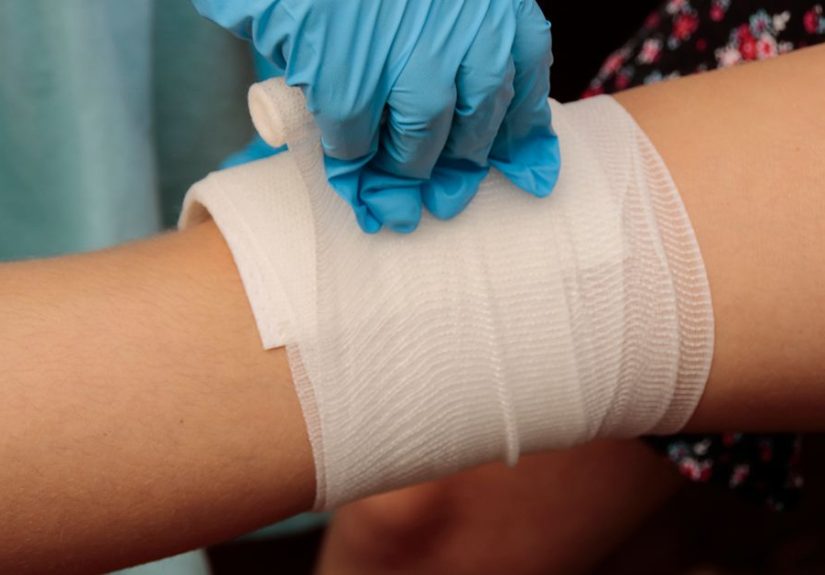
Once bleeding slows, wrap a bandage snugly over the dressing to maintain pressure.
Check circulation beyond the wrap (fingers/toes should stay warm and not turn pale or blue).
If the wrap is too tight, loosen it slightlyaim for “secure,” not “tourniquet cosplay.”
Step 4: Wound Packing (For Deep Wounds)
If the wound is deep (for example, a deep cut in the thigh or upper arm) and bleeding is heavy,
packing the wound with gauze (or a clean cloth if gauze isn’t available) can help.
- Push gauze firmly into the wound cavity while maintaining pressure.
- Keep packing until the space is filled and pressure is maintained.
- Hold direct pressure on top afterward.
If you have a hemostatic dressing (often sold in bleeding-control kits), use it as directedit’s designed to support clot formation.
Step 5: When a Tourniquet Is Appropriate
Tourniquets are for life-threatening limb bleeding that you can’t control with direct pressure and packing.
If blood loss is severe and you’re losing the fight, a tourniquet can save a life.
- Use a commercial tourniquet if available (they work better than improvised versions).
- Place it 2–3 inches above the wound (not over a joint), tighten until bleeding stops.
- Note the time it was applied and tell EMS.
- Do not remove it yourself once applied in an emergency setting.
Special Situations: Do This, Not That
- Object stuck in the wound: Don’t pull it out. Apply pressure around it and stabilize it.
- Head wounds: Apply gentle pressure with a clean dressing. Seek carescalp wounds can bleed a lot.
- Neck/chest/abdomen wounds: Call 911. Use direct pressure if possible and follow dispatcher instructions.
- Bleeding from a varicose vein: Have the person lie down, elevate the leg, and apply firm pressure. Get medical helprebleeding risk is real.
While You’re Controlling Bleeding: Prevent Shock
- Have the person lie down if they feel faint (unless this worsens injuries).
- Keep them warm with a jacket or blanket.
- Reassure them and keep them still.
- Do not give food or drink if emergency care is likely (surgery or sedation may be needed).
When to Seek Medical Care (Even If You “Got It Under Control”)
Sometimes bleeding stops, but the injury still needs professional care. You should get evaluated urgently if:
- The cut is deep, gaping, or longer than about half an inch and may need stitches.
- You can see fat, muscle, or deeper tissue.
- Bleeding returns as soon as pressure stops.
- The wound is from a dirty object, puncture, bite, or has debris you can’t remove.
- You have numbness, weakness, limited motion, or severe pain.
- The person is on anticoagulants or has liver disease, a clotting disorder, or low platelets.
- The wound is on the face, hand, or near a joint (function and scarring considerations matter).
Also consider tetanus protection. If your tetanus vaccine isn’t up to date, clinicians may recommend a booster depending on wound type and timing.
Medical Treatment: What Happens in the ER or Urgent Care
In medical settings, treatment focuses on two goals: (1) stop the bleeding reliably and (2) prevent complications like infection, shock, and tissue damage.
What you’ll get depends on how severe the bleeding is and what structures were injured.
1) Assessment and Triage
Clinicians will check vital signs (heart rate, blood pressure, oxygen level), estimate blood loss, and examine the wound.
If there are symptoms of shock or major trauma, they’ll prioritize airway, breathing, and circulation and move quickly.
2) Bleeding Control in the Clinic
Common ways medical teams control venous bleeding include:
- Irrigation and cleaning: Flushing the wound to remove dirt and reduce infection risk.
- Direct vessel control: If a specific vein is bleeding, they may clamp, tie off (ligate), or cauterize it.
- Closure: Stitches, staples, or medical adhesives for appropriate wounds.
- Topical agents: Hemostatic dressings or medications that support clotting in certain situations.
- Imaging or exploration: If deeper injury is suspected (for example, near major vessels or organs).
3) Fluids, Blood Products, and Treating Shock
If bleeding is significant or vital signs suggest volume loss, treatment may include:
- IV access and fluid resuscitation
- Blood transfusion when blood loss is substantial
- Monitoring for ongoing bleeding and organ perfusion
This is one reason heavy venous bleeding is taken seriously: it can contribute to hypovolemic shock even without dramatic spurting.
4) Infection Prevention and Tetanus Protection
For cuts that are dirty, deep, or at high risk of infection, clinicians may:
- Remove foreign material (debridement if needed)
- Prescribe antibiotics for certain wound types (especially bites or heavily contaminated injuries)
- Update tetanus vaccination based on your immunization history and wound category
5) Special Considerations: Blood Thinners and Bleeding Disorders
If a patient is taking anticoagulants or has a bleeding disorder, clinicians may do additional testing and consider reversal or supportive therapies.
In plain terms: if your blood is “extra slippery,” your bleeding-control plan gets upgraded.
6) Internal Bleeding: When Symptoms Don’t Match the Outside
Not all dangerous bleeding is visible. If someone has trauma plus symptoms like worsening dizziness,
fainting, abdominal swelling/pain, shortness of breath, confusion, or very low blood pressure,
clinicians may evaluate for internal bleeding with labs and imaging.
Recovery and Home Care After Venous Bleeding
Once a wound is closed or stabilized, good aftercare helps prevent infection and reduces the chance of rebleeding.
Always follow your clinician’s instructions, but common guidance includes:
- Keep the dressing clean and dry for the recommended time.
- Watch for infection: increasing redness, warmth, swelling, pus, fever, or worsening pain.
- Avoid heavy activity that reopens the wound.
- Attend follow-up for stitch/staple removal when scheduled.
If Varicose Veins Are Part of the Story
Some people experience venous bleeding from fragile surface veins or varicose veins, especially on the lower legs.
Long-term management might involve leg elevation, compression stockings, and evaluation by a clinician for treatment options.
If you’ve had one “surprise leg fountain,” don’t just chalk it up to bad luckget it assessed.
Prevention: Small Steps That Make a Big Difference
- Take a bleeding-control class (Stop the Bleed is widely available).
- Keep a basic kit: gloves, gauze, a roll bandage, and (optionally) a commercial tourniquet.
- Use cut-resistant gloves for certain work (kitchen prep, yard tools, workshop projects).
- Know your meds: if you take blood thinners, talk to your clinician about injury plans.
Real-World “Experiences” and Scenarios (About )
Because this topic is easier to remember when it feels real, here are a few scenario-style experiencesbased on situations many people encounter.
Think of these as practical rehearsals for your brain (like a fire drill, but with more gauze).
Scenario 1: The Kitchen Slip That Turns the Mood Serious
You’re slicing an avocado (because of course) and the knife slips. The cut is deeper than you expected.
The blood is dark red and comes out in a steady flownot a spray, but definitely not a “tiny band-aid situation.”
In the moment, people often do the most natural-but-wrong thing: they pull their hand away, wave it around, and run water over it while repeatedly checking.
The better experience is boring on purpose: sit down, press a clean cloth firmly on the cut, and keep pressure there.
If it soaks through, add another layer and keep pressing. If the bleeding doesn’t meaningfully slow after continuous pressure,
it’s time for urgent care or the ERespecially if the wound is gaping or you can’t fully close the edges.
The “lesson learned” most people share after this one? Direct pressure works, but only if you actually commit to it.
Scenario 2: The Outdoor Cut with Dirt Involved
A hiking stumble or a yardwork mishap can create a jagged cut that looks manageableuntil you realize it’s contaminated with grit.
Venous bleeding in these injuries can ooze steadily and feel deceptively controllable, but the bigger risk might be infection.
The experience here often becomes a two-part story: stopping the bleeding first, then cleaning and follow-up.
You press firmly to control bleeding, then once it’s under control you rinse with clean water to remove visible debris.
If dirt remains embedded or the wound is deep, you go in for professional cleaning.
Many people who skip this step end up with swelling, redness, and a return tripthis time for infection care.
The “lesson learned”? A wound that’s dirty is not just “a cut.” It’s a cut plus a future argument with bacteria.
Scenario 3: The Varicose Vein Surprise
This one can happen in the shower, after scratching dry skin, or with a minor bump to the lower leg.
Because surface veins can be fragile, the bleeding may look dramatic even though it’s venoussteady and persistent.
People often panic because it seems like it “won’t stop,” and the floor situation gets… slippery.
The most effective experience-based advice is simple: lie down, elevate the leg, and apply firm direct pressure with a clean pad.
Elevation reduces venous pressure, and pressure does the rest. Afterward, medical follow-up matters because the risk of rebleeding can remain.
The “lesson learned”? Venous bleeding can be loud without being arterialbut it still deserves respect and follow-up.
Scenario 4: The Person Who “Looks Fine” Until They Don’t
In some cases, the bleeding is controlled, but the person becomes pale, sweaty, woozy, or unusually anxious.
That’s where experience and training kick in: you recognize possible shock, have them lie down, keep them warm, and call for help.
People frequently describe this as the moment they realized first aid isn’t only about the woundit’s about the whole person.
The “lesson learned”? Your eyes should stay on the patient, not just the bandage.
Conclusion
Venous bleeding often looks like dark red blood flowing steadily, and it can range from mildly annoying to genuinely life-threatening.
The best first aid is prompt, firm direct pressure, smart use of elevation and pressure dressings, and escalation to emergency care when bleeding is heavy,
persistent, or paired with symptoms of shock. Medical treatment may involve cleaning, closure (stitches/staples), targeted vessel control, tetanus updates,
and sometimes IV fluids or transfusion for significant blood loss.
If you take one thing away, make it this: pressure, patience, and quick judgment beat panic every time.
And if you want a real superpower, take a bleeding-control classfuture-you will thank present-you.