Table of Contents >> Show >> Hide
- Why Walnut + Brass Is a Design Power Couple
- Daybed Basics (So You Don’t Buy a Gorgeous Problem)
- Where a Walnut and Brass Daybed Works Best
- How to Choose the Right Walnut and Brass Daybed
- How to Style a Walnut and Brass Daybed Like It Belongs There
- Care and Maintenance: Keep Walnut Rich and Brass Beautiful
- Common Buying Mistakes (and How to Avoid Them)
- Final Thoughts: The Daybed That Does It All (Without Looking Like It)
- Experiences With a Walnut and Brass Daybed (The Real-Life Stuff People Notice)
A walnut and brass daybed is what happens when “I want my space to look expensive” meets “I also need somewhere for a guest to sleep.”
It’s part lounge, part bed, part design flexand if you choose well, it’s the one piece in your room that can pull double duty without looking like it’s trying too hard.
In this guide, we’ll break down why walnut + brass works so well, how to choose the right daybed for your space, what to look for in construction,
how to style it like a designer (without buying 37 throw pillows), and how to care for both wood and metal so your “warm glow” doesn’t turn into “why is this tarnishing?”
Why Walnut + Brass Is a Design Power Couple
Walnut: the “quiet luxury” wood that actually earns the hype
Walnutespecially American black walnuthas a reputation for a reason. It’s typically dark, tight-grained, and naturally rich-looking, with color that can range
from lighter brown to deep chocolate tones. Many pieces show subtle streaking or figuring, which is a fancy way of saying: the wood has personality, but it doesn’t shout.
In furniture, walnut reads as warm, tailored, and slightly nostalgic (hello, mid-century modern), yet it still feels current in contemporary rooms.
It also finishes beautifully, taking stain and polish well and developing a smoother, deeper look over timelike denim, but for adults who buy furniture on purpose.
One practical note: many walnut products use veneer over engineered wood for stability and cost control, while higher-end frames may use solid walnut
(or solid walnut components with veneered panels). Veneer isn’t a bad wordit can be a smart way to get the look of walnut with improved dimensional stabilityif it’s done well.
Brass: warm metal that plays nice with wood (and with your lighting)
Brass brings warmth the way chrome brings sparkle. It reflects light softly, reads inviting rather than icy, and pairs naturally with walnut’s brown undertones.
Together, they create contrast without clashing: walnut grounds the piece; brass lifts it.
The big brass decision is finish: lacquered vs. unlacquered. Lacquered brass has a protective coating designed to slow tarnishing and keep the finish more consistent.
Unlacquered brass is a “living finish” that oxidizes and develops patina over time, meaning it will changesometimes subtly, sometimes dramaticallyespecially on touch points.
Neither is “better.” Lacquered is lower-maintenance; unlacquered is moodier and more organic.
Daybed Basics (So You Don’t Buy a Gorgeous Problem)
What a daybed actually is
A daybed is essentially a bed-sized lounge: it’s designed to look presentable in a non-bedroom space while still functioning as a legitimate sleep surface.
Many have a back and arms (like a sofa), some are more minimal (like a platform), and plenty include a trundle for a second sleeper or storage.
Standard daybed size and mattress dimensions
The most common daybed size uses a standard twin mattresstypically 38 inches wide by 75 inches long. That makes shopping simpler (twin mattresses are everywhere),
but it also means you should measure your room carefully, especially if you’re adding a trundle or planning to pull it out often.
Some daybeds are built for full mattresses (generally 54 inches by 75 inches). Those feel more luxurious for lounging and can sleep two in a pinch,
but they demand more floor space and usually look more “bed-like,” which may or may not be what you want in a living room.
Support system: slats, platforms, and “do I need a box spring?”
Most modern daybeds are designed with a slat system or platform support, so a box spring usually isn’t required.
That’s great for aesthetics (lower profile, cleaner lines) and for function (less wobble, less bulk).
Still, check the manufacturer’s specs: some frames are happiest within a mattress height range.
If your daybed is also your “Netflix couch,” pay attention to edge support and mattress firmness.
A mattress that feels dreamy for sleeping can feel too soft for sitting if it collapses at the edges.
A medium-firm mattress (or a hybrid designed with stronger edges) often balances sit-and-sleep better.
Where a Walnut and Brass Daybed Works Best
Living room: the “I have guests but I’m not running a hotel” solution
In a living room, a walnut and brass daybed can replace a loveseat or supplement a sofa. It’s especially useful in smaller homes where a guest room isn’t realistic.
The walnut keeps it from feeling like dorm furniture; the brass keeps it from looking heavy.
Pro tip: if you want it to read more like seating than a bed, style it with a tailored cover and a limited number of pillows, then add a throw that looks intentional
(not like you just dropped it mid-nap, even if you did).
Home office: the most elegant “thinking sofa” you’ll ever own
Daybeds are sneaky-good in offices. They provide a place to read, brainstorm, take calls, or lie down for 12 minutes and wake up convinced it was only 2.
Walnut and brass in particular adds polishhelpful if your office is also your Zoom background.
Guest room: a bed that doesn’t dominate the room 24/7
If your guest room doubles as a gym, craft space, or storage zone (no judgment), a daybed gives you a “real bed” option without permanently turning the room into a bedroom.
A walnut-and-brass finish can make the whole space feel curated, not improvised.
Bedroom corner or window nook: instant reading lounge
A daybed under a window is a classic move: natural light, a comfortable spot to lounge, and a vibe that says “I drink tea” even if you’re holding an iced coffee.
Brass accents catch daylight beautifully, adding a soft glow that changes throughout the day.
How to Choose the Right Walnut and Brass Daybed
1) Solid wood vs. veneer (and why you shouldn’t panic)
Solid walnut components can be durable and heirloom-worthy, but well-made walnut veneer can be excellent toooften more stable across seasons.
What matters is quality: thick veneer, clean edges, and sturdy underlying construction.
If the piece feels light, wobbly, or suspiciously inexpensive for “walnut,” inspect the materials list carefully.
2) Brass type: solid brass, brass-plated, lacquered, or living finish
Brass details vary widely. Some daybeds use brass-plated steel for strength and cost efficiency; others use solid brass accents.
Ask (or look up) whether the brass is lacquered. Lacquered is easier to maintain; unlacquered will patina.
If you love a clean, consistent shine, choose lacquered. If you like character and don’t mind evolution, go unlacquered.
3) Frame geometry and comfort
Walnut and brass daybeds show up in a few common silhouettes:
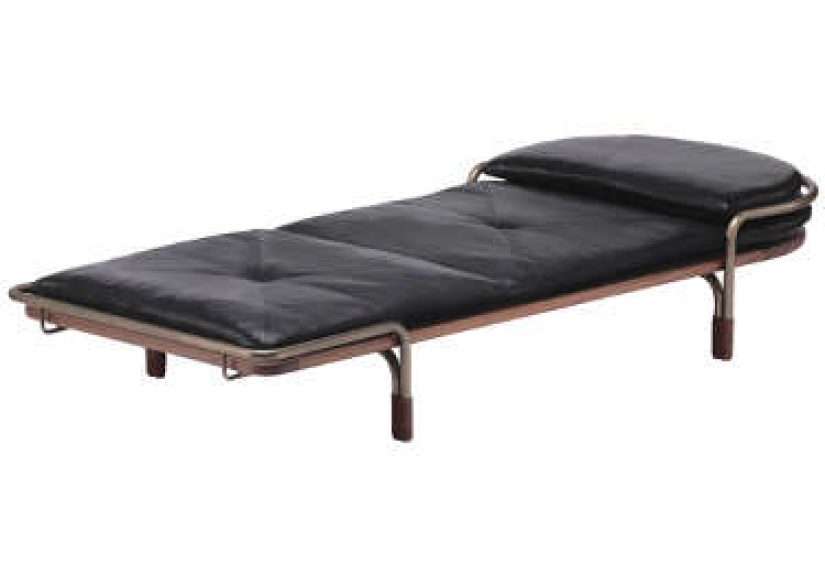
- Mid-century inspired: tapered legs, warm walnut tones, brass caps or rails.
- Modern minimal: slimmer profiles, straight lines, brass as a fine outline or subtle detail.
- Glam/Art Deco-leaning: more prominent brass framing, curved corners, bolder presence.
For lounging, look for a supportive back height and arm depth if the daybed is framed like a sofa.
Minimal frames can look stunning, but they may require more pillow engineering to feel comfortable for sitting.
4) Mattress height range (this is where people mess up)
Some daybeds look best with a mattress in the 7–12 inch range. Too thin, and it looks underdressed (like a bed wearing a tank top to a wedding).
Too thick, and the mattress can overwhelm the frame or sit uncomfortably high against arms/backs.
If the daybed has a trundle, the trundle mattress is often thinner (commonly around 5–8 inches), so check those limits too.
5) Trundle or no trundle
A trundle adds flexibility: extra sleeping space, a place to stash bedding, or both.
If you’ll use it regularly, consider how smoothly it rolls and whether you have clearance to pull it out.
If you’ll rarely use it, you might prefer under-bed storage bins (especially if you don’t want to store a whole extra mattress).
How to Style a Walnut and Brass Daybed Like It Belongs There
Start with a tailored base layer
The easiest way to make a daybed feel intentional is a fitted cover, quilt, or structured daybed slipcover.
Choose a solid color or subtle texturelinen, cotton matelassé, or a tight weaveso the walnut and brass stay in the spotlight.
Pillows: fewer, better, and not all the same size
Designers often recommend a simple formula: a couple of supportive pillows (or bolsters) plus one accent pillow for contrast.
Since daybeds aren’t huge, you don’t need a pillow army. A clean arrangement looks more elevated and is less annoying when you actually want to sit.
- Easy combo: two 20″ pillows + one lumbar pillow.
- More tailored: two matching bolster pillows + one textured throw.
Color ideas that flatter walnut + brass
Walnut and brass pair well with warm neutrals and saturated tones. Try:
- Cream + camel: soft, classic, lets materials shine.
- Olive + ivory: earthy, calm, very “designer without trying.”
- Navy + warm white: crisp contrast that makes brass pop.
- Terracotta + sand: cozy, modern, great with walnut warmth.
Balance metals in the room
Brass doesn’t mean every metal must be brass. In fact, mixing finishes can look more collected.
The trick is repetition: include one or two other brass touches (a lamp, a frame, a tray), then let other metals stay quiet.
Walnut adds so much warmth that you usually don’t need heavy additional “warm” elementskeep the rest clean and edited.
Care and Maintenance: Keep Walnut Rich and Brass Beautiful
Walnut care: dust, protect, and avoid extreme drama
Most walnut furniture care is about preventing damage before it happens:
- Dust regularly with a soft, dry (or slightly damp) cloth, then wipe dry.
- Keep it out of direct sunlight when possible to reduce fading and uneven color shifts.
- Wipe spills quickly and dry immediatelywood and standing water are not friends.
- Use coasters and trays to prevent water rings and heat marks.
- Avoid harsh cleaners or anything abrasive that can damage finishes.
Wood also reacts to humidity changes. Normal indoor living is fine, but big swings (super dry heat, high moisture) can stress wood over time.
If your home swings wildly between seasons, a simple humidifier/dehumidifier can be surprisingly helpful.
Brass care: know your finish before you “fix” it
Brass maintenance depends on whether the brass is lacquered, unlacquered, or plated:
- Lacquered brass: wipe gently with a soft cloth; use mild soap and water if needed; avoid polishing compounds that can damage the coating.
- Unlacquered brass: expect patina; clean with gentle soap and water for routine care; polish only if you want to brighten it (and accept it will patina again).
- Brass-plated parts: be extra gentleaggressive polishing can wear through plating over time.
If you’re unsure whether something is solid brass or brass-plated, err on the gentle side.
The goal is to remove grime and fingerprintsnot to sand your way to “brand new” unless that’s truly the look you want.
Common Buying Mistakes (and How to Avoid Them)
Buying for looks and forgetting comfort
A daybed is only as good as its sit-and-sleep comfort. If it will be used daily, prioritize mattress quality and support.
A beautiful frame with a sad mattress is like a luxury car with grocery-cart wheels.
Ignoring mattress height limits
If a frame is designed for a mattress up to a certain height, follow it.
Too tall can feel awkward for sitting; too short can look unfinished and reduce comfort.
Underestimating brass patina
If you love perfection, choose lacquered brass (or accept that unlacquered brass will develop character in the places you touch most).
Patina isn’t “damage”it’s oxidation doing what oxidation does. The key is selecting the finish that matches your personality.
Skipping measurements
Measure the daybed footprint, the clearance needed for a trundle, and the walkway space around it.
Also measure doorways and stair turns for deliverybecause nothing ruins a design moment like discovering your daybed lives in the hallway now.
Final Thoughts: The Daybed That Does It All (Without Looking Like It)
A walnut and brass daybed is a rare win-win: functional furniture that can genuinely elevate a room.
Walnut brings warmth, depth, and a premium look; brass adds glow and a touch of refinement.
Choose the right size, confirm the mattress specs, decide how you feel about patina, and style it with intention.
Do that, and you’ll have a piece that works hard and looks effortlessarguably the highest compliment in home design.
Experiences With a Walnut and Brass Daybed (The Real-Life Stuff People Notice)
Once a walnut and brass daybed is actually in a home (not just in a perfectly lit product photo), people tend to discover a few surprisingly consistent truths.
First: it changes how a room gets used. A sofa is for sitting. A bed is for sleeping. A daybed is for “I’ll just lie down for a second” moments that somehow become
reading sessions, phone calls, and the occasional accidental nap. In small spaces, that flexibility feels like a superpower. In larger spaces, it feels like luxury:
an extra landing pad that makes the room more welcoming, even when no one is staying over.
The walnut part has its own lived-in charm. In daylight, walnut looks different than it does at nightricher, softer, more dimensional.
Under warm lamps, it can read almost espresso-dark. Under bright natural light, the grain becomes the star, especially if the finish is satin rather than glossy.
People often mention that walnut furniture makes a space feel “finished” faster. You can have a simple rug, a basic lamp, and plain walls, and the walnut still delivers
a sense of intention. It’s like wearing a great jacket over an average outfit: suddenly everything looks more put-together.
Brass is the personality factor. If it’s lacquered, you’ll mostly experience it as “pretty and easy,” with occasional wipe-downs to remove fingerprints.
If it’s unlacquered, you’ll notice the finish evolving in the first few monthsespecially on rails, legs, or corners that get touched when you sit down.
Some people love that gradual shift because it feels authentic and organic; others realize they’re not emotionally prepared for their furniture to develop a storyline.
The good news is that you’re not stuck. If you want to brighten unlacquered brass, you can polish it. If you want to keep patina, you can stick to gentle cleaning.
The key experience lesson is simple: brass will reflect your habits back to you. Touch it more, and it will look more “alive.”
The biggest comfort surprise is how much the mattress matters when the daybed is used as daily seating. People who pick a very plush mattress for “guest comfort”
sometimes find it annoying for sittingtoo much sink, not enough support at the edge. A medium-firm feel is often the sweet spot if the daybed is both couch and bed.
Another small but meaningful upgrade is a fitted cover or structured quilt. It makes the daybed look sofa-like and keeps the sleep surface feeling crisp rather than rumpled.
Styling becomes easier over time because the daybed gives you a dependable anchor. Most people settle into a rhythm:
two reliable “back” pillows (or bolsters), one accent pillow for texture, and one throw that gets used constantly. The rest is about restraint.
A walnut and brass daybed already has visual richness; it doesn’t need chaotic patterns competing for attention. Simple textureslinen, bouclé, a subtle stripetend to win.
And because daybeds often sit in multi-use rooms, people love that they can “reset” the space quickly: fold the throw, straighten the pillows, and the room looks neat again.
Finally, there’s the guest factor. Guests generally love daybedsespecially ones that don’t feel like an afterthought.
The most common feedback is that a daybed feels more private and cozy than a pull-out sofa, and less intimidating than taking over someone’s main bed.
Add a small side table, a reading lamp, and a dedicated basket with fresh sheets, and suddenly your “extra sleeping spot” feels like a boutique stay.
That’s the magic of walnut and brass: it makes practical living feel a little bit specialwithout requiring you to remodel your entire life.