Table of Contents >> Show >> Hide
- What is saturated fat?
- Where do you find saturated fat?
- Is saturated fat unhealthy?
- How much saturated fat should you eat?
- How to read the Nutrition Facts label for saturated fat
- Practical ways to cut saturated fat without making food sad
- Who should pay extra attention to saturated fat?
- FAQ: quick answers people actually want
- Real-world experiences: what people notice when they adjust saturated fat (500-word bonus)
- Conclusion
- SEO Tags
Saturated fat has a talent for showing up at the party uninvitedon pizza, in ice cream, and somehow in that “healthy” muffin that tastes like happiness. But what is saturated fat, and is it truly the dietary villain it’s often made out to be?
Let’s break it down in plain English: saturated fat is a type of dietary fat found mostly in animal foods (like beef and cheese) and a few plant oils (hello, coconut and palm). Most major medical organizations still recommend keeping it on the lower sideespecially if you’re watching your LDL (“bad”) cholesterol and heart disease risk. But the full story has nuance, because nutrition always does. (If it didn’t, grocery shopping would be way less stressful.)
What is saturated fat?
Fats are made of building blocks called fatty acids. Saturated fatty acids are “saturated” with hydrogen, which means their carbon chain has no double bonds. That chemical structure matters because it changes how the fat behaves in food and in your body.
In the kitchen, saturated fats tend to be solid at room temperaturethink butter, lard, or the fat that firms up on top of a pot of chilled stew. (Not all saturated fat is solid, and not all solid fats are purely saturated, but that’s the general vibe.)
Saturated fat vs. unsaturated fat (the quick, useful difference)
- Saturated fat: no double bonds; often solid at room temp; common in animal fats and some tropical oils.
- Unsaturated fat: has one or more double bonds; often liquid at room temp; common in plant oils, nuts, seeds, and fish.
Your body needs dietary fat for energy, cell membranes, hormones, and absorbing fat-soluble vitamins (A, D, E, and K). So the question isn’t “Do we need fat?”we do. The better question is “Which fats, from which foods, and replacing what?”
Where do you find saturated fat?
Saturated fat shows up naturally in many foods, and it’s also common in processed foods because it helps with texture and shelf stability. Here are the biggest everyday sources:
Common food sources
- Meat: higher-fat cuts of beef and pork; processed meats often add more
- Poultry: especially skin-on pieces and darker meat
- Dairy: whole milk, cheese, butter, cream, ice cream
- Baked goods and desserts: pastries, cookies, donuts (often a double-whammy with added sugar)
- Fast food and convenience meals: pizzas, burgers, fried foods, creamy sauces
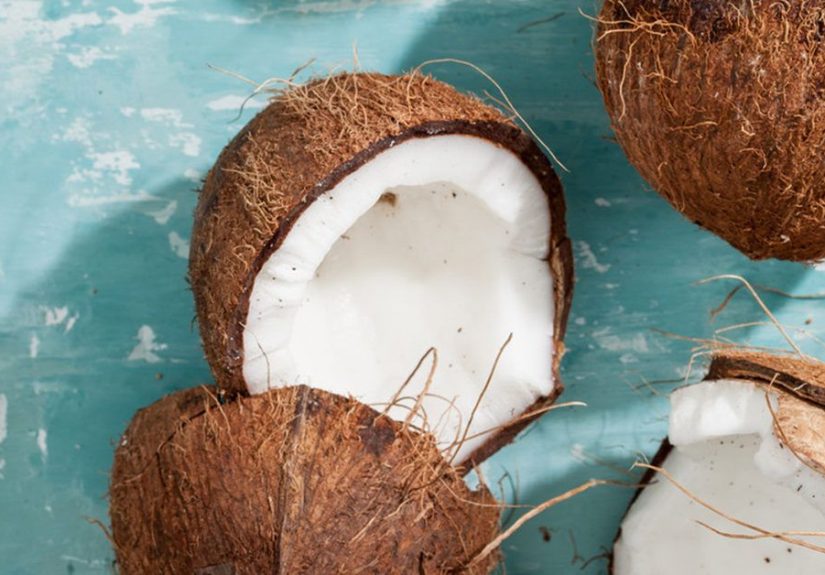
- Tropical oils: coconut oil and palm oil are plant-based but relatively high in saturated fat
A practical tip: saturated fat usually travels with foods that are also calorie-dense and easy to overeat. So even before we talk biology, it’s worth noticing the pattern: the “saturated-fat heavy” foods are often the same ones that make portion sizes quietly disappear.
Is saturated fat unhealthy?
Here’s the most honest answer: saturated fat isn’t a poison, but eating a lot of itespecially if it replaces healthier fatscan raise LDL cholesterol, which is strongly tied to cardiovascular risk. Whether it’s “unhealthy” depends on your overall diet, your risk factors, and what you’re swapping it with.
How saturated fat affects LDL cholesterol
Many controlled feeding studies show that higher saturated fat intake can increase LDL cholesterol for a lot of people. LDL is often called “bad cholesterol” because it contributes to plaque buildup in arteries over time. If LDL climbs, the long-term odds of heart attack and stroke generally climb with it.
Some people respond more strongly than othersgenetics, baseline diet, weight, activity, and metabolic health all play roles. But overall, saturated fat tends to push cholesterol numbers in the wrong direction when it’s a major source of fat in the diet.
“Replace it with what?” is the make-or-break detail
This is where the saturated fat debate often gets messy. Cutting saturated fat doesn’t automatically make a diet healthierbecause what replaces those calories matters.
- Best swap: replace saturated fat with unsaturated fats (especially polyunsaturated fats). This tends to improve LDL levels and overall cholesterol profiles.
- Not-so-helpful swap: replacing saturated fat with refined carbohydrates (white bread, sugary cereal, snacks) often doesn’t improve heart risk the same wayand may worsen triglycerides or blood sugar in some people.
- Better carbohydrate swap: replacing saturated fat with high-fiber, minimally processed carbs (oats, beans, whole grains, fruits, vegetables) is more likely to help overall health.
In other words, if you remove butter but replace it with a mountain of refined starch, your body may not throw you a parade. But if you replace some saturated fat with olive oil, nuts, seeds, avocado, or fatty fish, you’re moving in a heart-friendlier direction.
What about “newer takes” saying saturated fat isn’t a problem?
You might’ve seen headlines claiming saturated fat is harmless. A lot of that comes from observational studies where saturated fat doesn’t always show a strong direct link to heart events. That can happen for several reasons:
- Food substitution is hard to capture: many studies don’t cleanly measure what people eat instead of saturated fat.
- Food quality varies: saturated fat from a highly processed diet can behave differently than saturated fat within a nutrient-dense pattern.
- Diet is a package deal: sleep, exercise, smoking, alcohol, stress, and overall calorie intake all influence outcomes.
The current mainstream consensus in U.S. health guidance is still that saturated fat should be limitedespecially for people with elevated LDL or higher cardiovascular riskand that replacing it with unsaturated fat is a smart move.
Are some saturated-fat foods “less bad” than others?
Nutrition researchers often talk about the food matrixmeaning the nutrients and structure of the whole food, not just one nutrient in isolation. For example, some evidence suggests whole-food sources like yogurt or cheese may not affect heart risk the same way as saturated fat coming from processed foods. That doesn’t mean “eat unlimited cheese,” but it does support a more realistic approach: focus on overall dietary patterns, not just one number.
A useful mental model: saturated fat is like the volume knob. You don’t need to smash it off the stereo, but cranking it to maximum all day, every day, probably isn’t great for your ears (or your arteries).
How much saturated fat should you eat?
U.S. dietary recommendations commonly advise limiting saturated fat. The typical upper limit you’ll see is: no more than 10% of total daily calories. Some heart-focused organizations recommend stricter limits for people who need to lower LDL.
The quick math (so you can picture it)
Fat has 9 calories per gram. If you eat about 2,000 calories per day:
- 10% of calories from saturated fat = 200 calories = about 22 grams saturated fat/day.
- 6% of calories from saturated fat = 120 calories = about 13 grams saturated fat/day.
You don’t have to eat exactly 2,000 calories for this to work. The takeaway is the same: saturated fat adds up fast, so small swaps matter.
How to read the Nutrition Facts label for saturated fat
If nutrition labels feel like tiny math homework, you’re not alone. Here’s the simple, label-friendly approach:
Use % Daily Value like a traffic signal
- 5% DV or less per serving is considered low
- 20% DV or more per serving is considered high
In the U.S., the Daily Value (DV) for saturated fat is set at 20 grams per day, and general advice is to stay below 100% DV most days. That doesn’t mean you must hit exactly 0 grams; it means don’t let saturated fat quietly dominate your day.
Where saturated fat hides
Some foods are “obvious” (butter, bacon). Others are sneaky:
- coffee drinks with cream, half-and-half, or whipped topping
- frozen meals with creamy sauces
- “keto” desserts made with lots of butter or coconut oil
- protein bars with palm oil or added fats for texture
Bonus tip: check serving size first. A label can look harmless until you realize the “serving” is two crackers and a wish.
Practical ways to cut saturated fat without making food sad
The goal isn’t to live on dry lettuce and regret. It’s to shift your default fats and proteins so your everyday pattern supports heart health. Here are swaps that feel like upgrades, not punishments.
Swap the cooking fat (this one change does a lot)
- Use olive oil (or another unsaturated plant oil) more often for sautéing, roasting, and dressings.
- Keep butter as a flavor accent (a small finishing touch), not the main cooking medium for every meal.
Choose proteins strategically
- More often: fish (especially fatty fish), beans, lentils, tofu, skinless poultry
- Less often: processed meats; large portions of high-fat red meat
- If you eat red meat: pick leaner cuts, watch portion size, and balance the plate with vegetables and fiber-rich sides.
Rethink dairy (without going to war with your latte)
- If your LDL is high or you’re at higher heart risk, consider lower-fat dairy more often.
- If you love full-fat dairy, treat it like a “sometimes” food and keep portions reasonableespecially alongside other saturated-fat foods that day.
- Try “half swaps”: mix whole milk and lower-fat milk, or use yogurt-based sauces instead of cream-based ones.
Build meals around whole foods, not “fat grams”
A simple plate strategy that naturally keeps saturated fat in check:
- Half the plate: vegetables (plus fruit as a snack/dessert)
- Quarter of the plate: protein (fish/beans/poultry often)
- Quarter of the plate: high-fiber carbs (whole grains, starchy veg, legumes)
- Add healthy fats: olive oil, nuts, seeds, avocadoin amounts that fit your calorie needs
Who should pay extra attention to saturated fat?
Anyone can benefit from a better fat balance, but saturated fat deserves extra focus if you have:
- high LDL cholesterol
- known cardiovascular disease or a strong family history
- type 2 diabetes, metabolic syndrome, or fatty liver disease risk
- high blood pressure alongside other risk factors
If you’re unsure where you stand, a lipid panel (and a conversation with a clinician) can help you personalize how strict you need to be. For many people, the most realistic win is consistency: a heart-healthier default most days, not perfection forever.
FAQ: quick answers people actually want
Is coconut oil a “healthy fat” even though it’s high in saturated fat?
Coconut oil is plant-based, but it’s still relatively high in saturated fat. If you love it, use it occasionally, not as your everyday go-to. For most people focused on heart health, unsaturated oils (like olive oil) are a better default.
Is saturated fat worse than sugar?
They can both cause problems in different ways. A diet high in saturated fat can raise LDL cholesterol, while a diet high in added sugar can worsen triglycerides, blood sugar, and overall calorie intake. Many ultra-processed foods contain both, which is why whole-food patterns tend to work so well.
Do I need to avoid saturated fat completely?
Usually, no. Most guidance focuses on staying under recommended limits and choosing healthier replacements rather than zeroing it out. “Less often and in smaller amounts” is a sustainable strategy for most people.
Real-world experiences: what people notice when they adjust saturated fat (500-word bonus)
People rarely change their diet because of a chart in a textbook. They change because of a lab result, a family scare, a pair of jeans that suddenly feels judgmental, or the realization that “butter is my love language” might need a tiny edit. Here are common experiences (shared by many patients and consumers in nutrition counseling settings and public health education) that come up when people start paying attention to saturated fatpresented as composite examples, not individual medical stories.
1) The “I didn’t change much… but my LDL moved” surprise.
A lot of people assume lowering saturated fat means giving up everything enjoyable. But often the biggest changes are simple: swapping butter for olive oil most days, choosing leaner proteins a few nights a week, or switching from heavy cream to a lower-saturated-fat option in daily coffee. Because these swaps happen frequently, the effect can show up on a lipid panel. Many people find it motivating that small, repeatable changes beat dramatic diet overhauls that last exactly nine days.
2) The “I replaced fat with ‘low-fat’ snacks and felt worse” phase.
Some folks try to cut saturated fat by buying anything labeled “low-fat,” only to end up with more refined carbs and added sugarscrackers, sugary cereal, fat-free desserts, and snack foods that are basically air plus marketing. A common experience is increased hunger, energy crashes, or stalled progress. When they shift againthis time replacing saturated fat with unsaturated fat (nuts, seeds, avocado, olive oil) and fiber-rich foods (beans, oats, vegetables)they often feel fuller and more satisfied, which makes the plan easier to follow.
3) The “restaurant reality check.”
At home, it’s manageable to choose oils and lean proteins. Eating out is where saturated fat can quietly skyrocket: creamy sauces, cheese-heavy dishes, oversized portions, and hidden butter in “perfectly browned” foods. Many people end up adopting a few go-to moves: ask for sauces/dressings on the side, pick grilled/roasted items more often than fried, split rich entrées, and add a vegetable side. The goal isn’t to never order a burger; it’s to stop making the “burger + fries + milkshake” combo the default meal pattern.
4) The “I want balance, not food fear” mindset shift.
People often report feeling better when they stop treating saturated fat like a moral issue. Instead of “good foods vs. bad foods,” they think in patterns: Most days lean toward unsaturated fats and whole foods; sometimes enjoy the rich stuff. This approach tends to reduce stress and makes it more likely they’ll stick with changes long enough to see real benefits.
If you’re considering changes, a helpful experiment is a 2–4 week “swap test”: keep your overall eating style, but switch your main fats (and a few frequent meals) toward unsaturated options. It’s simple enough to measure, flexible enough to live with, and it teaches you what actually works for your routine.
Conclusion
Saturated fat is a real thing (chemistry!) that’s common in many favorite foods (comfort!). The reason it gets so much attention is also real: eating a lot of saturated fat can raise LDL cholesterol, which is closely linked to heart disease risk. The most powerful move isn’t just “cut saturated fat” it’s replace some saturated fat with unsaturated fats and whole foods.
If you want a practical, sane approach: use olive oil more often, choose leaner proteins frequently, keep ultra-processed foods from becoming daily staples, and let saturated fat be an occasional guest starnot the main character in every meal. Your heart (and probably your future self) will appreciate it.