Table of Contents >> Show >> Hide
- Quick Answer: What Is the Difference?
- What Are Cut Green Beans?
- What Are Frenched Green Beans?
- French-Cut Green Beans vs. French Green Beans: Not Quite the Same Thing
- When to Use Cut Green Beans
- When to Use Frenched Green Beans
- How Cooking Method Changes the Decision
- Fresh, Frozen, or Canned: Does It Matter?
- Blanching: The Small Step That Makes a Big Difference
- Common Mistakes to Avoid
- Real-World Examples: Which One Should You Pick?
- Final Verdict
- Kitchen Experience: What I’ve Learned Using Both
- SEO Tags
If you have ever stood in the grocery aisle staring at cans of cut green beans and French-style green beans like they were about to administer a pop quiz, you are not alone. At first glance, they seem like the same vegetable wearing different outfits. And technically, they are. But in the kitchen, the way green beans are cut changes how they cook, how they taste, how they hold sauce, and whether they end up elegant or a little too floppy for the job.
That is the real difference in the cut green beans vs. frenched green beans debate. One is sturdy, practical, and built for casseroles, soups, and longer cooking times. The other is thinner, faster-cooking, and a bit more polished, like the green bean equivalent of showing up to dinner in loafers instead of sneakers.
In this guide, we will break down what each style actually is, how it affects texture, and exactly when to use cut green beans and when to use French-cut green beans. We will also clear up one very common point of confusion: French-cut green beans are not always the same thing as French green beans, also known as haricots verts. Yes, the green bean world enjoys making things complicated for sport.
Quick Answer: What Is the Difference?
Cut green beans are regular green beans sliced crosswise into short pieces. Frenched green beans, also called French-cut green beans, are regular green beans sliced lengthwise into thinner strips. That one knife move changes a lot.
| Style | How It’s Cut | Texture | Best For |
|---|---|---|---|
| Cut green beans | Crosswise into short pieces | Sturdier, meatier, holds shape | Casseroles, soups, pot pies, slow-cooked dishes, hearty salads |
| Frenched green beans | Lengthwise into thin strips | More tender, cooks faster, absorbs flavor better | Sautés, steaming, quick side dishes, pasta, elegant holiday plates |
What Are Cut Green Beans?
Cut green beans are the classic, no-nonsense version. You trim the stem ends, then slice the beans crosswise into bite-size pieces, usually about 1 to 2 inches long. This is the format many people grew up seeing in casseroles, soups, and weeknight vegetable sides.
Because they are thicker than frenched green beans, they take a little longer to cook. That extra structure is actually a strength. Cut green beans can handle creamy sauces, longer oven time, simmering broth, and chunky ingredients like mushrooms, potatoes, chicken, bacon, and onions without losing all sense of identity.
In other words, if your dish is cozy, rich, or cooked for more than a quick minute, cut green beans are often the safer choice.
Why Cut Green Beans Work So Well
- They hold up better in recipes with longer cooking times.
- They keep more bite when baked or simmered.
- They are easier to scoop, stir, and portion in casseroles and soups.
- They feel more substantial in hearty dishes.
What Are Frenched Green Beans?
Frenched green beans are regular green beans sliced lengthwise into thin strips. The cut is more delicate and a little more refined, which is why you often see them in restaurant-style sides or on holiday tables where the vegetables are expected to look like they made an effort.
Because these beans are thinner, they cook more quickly and become tender faster. They also absorb butter, garlic, shallots, lemon, vinaigrettes, and pan sauces more readily than thicker cut green beans. That makes them excellent when flavor is being carried by a glossy coating rather than a heavy sauce.
They are especially good when you want a side dish that looks polished but does not require culinary theater. A quick blanch, a fast sauté, a little butter, maybe toasted almonds, and suddenly the green beans are acting fancy. Still green. Still beans. But fancy.
Why Frenched Green Beans Shine
- They cook faster than standard cut beans.
- They get tender without much effort.
- They absorb sauces and seasonings well.
- They look more elegant on the plate.
French-Cut Green Beans vs. French Green Beans: Not Quite the Same Thing
This is where many recipes become mildly annoying. A label that says French-cut green beans usually means regular mature green beans that have been sliced lengthwise. A label that says French green beans may refer to haricots verts, which are a thinner, more tender variety of green bean altogether.
Haricots verts are naturally slimmer, more delicate, and quicker to cook than standard green beans. They are often sold fresh and are a great choice for quick sautés, salads, or classic dishes like green beans amandine. If you cannot find them, regular green beans can usually step in, though they may need a slightly longer cooking time.
So yes, there are two separate ideas here: one is the type of bean, and the other is the style of cut. If that feels unnecessarily dramatic for a vegetable, I agree.
When to Use Cut Green Beans
If the recipe will cook for a while, mingle with heavier ingredients, or be reheated later, cut green beans are usually the better fit. Their thicker shape helps them avoid turning mushy too quickly.
Best Uses for Cut Green Beans
- Green bean casserole: They hold up under creamy sauce, toppings, and oven time.
- Soups and stews: They stay intact in broth instead of disappearing into soft green ribbons.
- Slow cooker recipes: Their sturdier structure handles extended heat better.
- Chicken pot pie or savory bakes: They match the hearty vibe and don’t get lost among other ingredients.
- Bean salads: They maintain shape better when tossed with dressing and other chopped vegetables.
Think of cut green beans as the dependable pair of jeans in your vegetable drawer. They may not be flashy, but they show up, do the work, and rarely embarrass you.
When to Use Frenched Green Beans
Frenched green beans are the right move when speed, tenderness, and presentation matter most. If the dish is built around a quick cooking method or a light sauce, they are often the better choice.
Best Uses for Frenched Green Beans
- Quick sautés: They cook fast and pick up garlic, butter, and shallot flavors beautifully.
- Steamed side dishes: They look neat and polished with minimal effort.
- Blistered skillet preparations: Their thinner shape makes for a tender interior and flavorful exterior.
- Pasta dishes: They blend more smoothly with noodles, olive oil, butter, and herbs.
- Holiday sides: They add a slightly more elegant feel to the plate.
If cut green beans are jeans, frenched green beans are the trousers you put on when company is coming and you suddenly care what the serving bowl looks like.
How Cooking Method Changes the Decision
The smartest way to choose between cut green beans vs. frenched green beans is to think about time and texture.
Use Cut Green Beans When the Cooking Time Is Longer
Baking, simmering, braising, and slow cooking all favor cut green beans. These methods expose the beans to prolonged heat, and thicker pieces simply survive that treatment better. If you use frenched beans in a long casserole or soup, they can become overly soft and lose their pleasant snap.
Use Frenched Green Beans When the Cooking Time Is Short
Steaming, blanching, stir-frying, and quick sautéing favor frenched green beans. Because they are thinner, they move from raw to tender fast. That means less time over heat and a better chance of staying bright green instead of drifting into drab olive territory.
Fresh, Frozen, or Canned: Does It Matter?
Yes, a little. The format of the bean affects texture almost as much as the cut.
Fresh Green Beans
Fresh beans give you the most control. You can leave them whole, cut them into short pieces, or French them yourself. They are best when firm, smooth, bright green, and snappy when bent. Fresh beans are ideal for sautéed sides, salads, and any recipe where texture matters.
Frozen Green Beans
Frozen beans are convenient and often excellent for casseroles and fast weeknight cooking. If you use frozen French-cut green beans, thaw and dry them well before adding them to a sauce-heavy recipe. Otherwise, extra moisture can make your dish watery.
Canned Green Beans
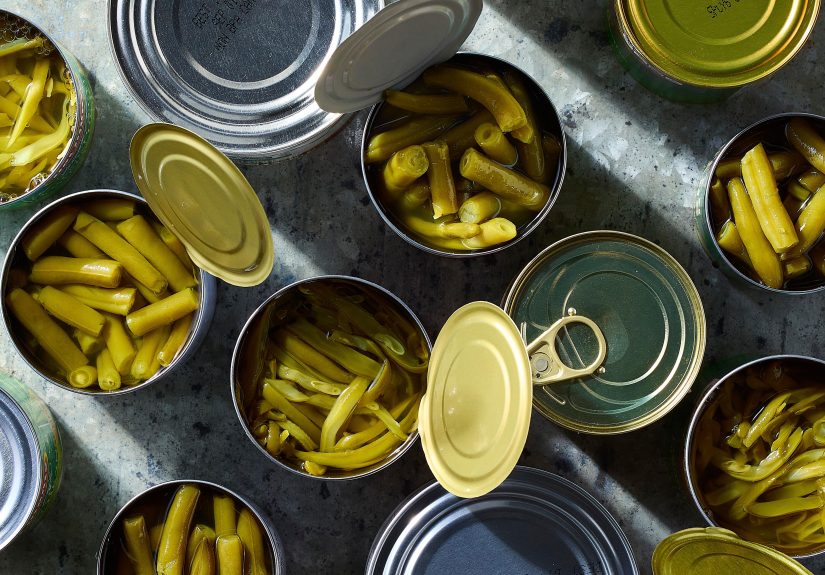
Canned beans are already fully cooked and much softer than fresh or frozen. They are best in recipes where tenderness is not a problem, such as old-school casseroles or highly seasoned skillet dishes. If you want more bite and fresher flavor, fresh or frozen beans usually win.
Blanching: The Small Step That Makes a Big Difference
For fresh beans, blanching is often the secret weapon. That means boiling them briefly, then shocking them in ice water. It sounds a little dramatic, but the beans recover nicely.
Blanching helps preserve the bright green color and creates that ideal crisp-tender texture. It is especially useful when the beans will be sautéed later, added to a salad, or baked in a casserole. If you plan to cook them again afterward, undercook them slightly during the blanch so they do not overdo it in round two.
As a rule, thinner beans such as haricots verts or frenched green beans need less blanching time than regular cut beans. The idea is to give them a head start, not a retirement party.
Common Mistakes to Avoid
1. Using Frenched Beans in a Long-Cooking Dish
If the dish simmers, bakes, or slow cooks for a while, frenched beans can go too soft. Choose cut green beans instead.
2. Using Cut Beans When You Want a Delicate Finish
If your goal is a quick, buttery, restaurant-style side, cut beans may feel a bit chunky. Frenched beans or haricots verts will give you a cleaner look and more tender bite.
3. Overcooking Fresh Beans
Green beans go from crisp-tender to tired surprisingly fast. Keep an eye on the clock, especially with thinner beans.
4. Skipping the Drying Step After Thawing or Blanching
Wet beans steam instead of sauté. Dry beans brown, blister, and behave like they want to be there.
Real-World Examples: Which One Should You Pick?
Making classic green bean casserole? Choose cut green beans if you want better structure. French-cut can work, but it will produce a softer, more delicate casserole.
Throwing together a skillet side with garlic and lemon? Choose frenched green beans or haricots verts for quicker cooking and better flavor absorption.
Adding beans to chicken soup? Choose cut green beans so they hold shape in the broth.
Building a holiday side with almonds and brown butter? Choose frenched green beans for elegance and tenderness.
Meal prepping for later in the week? Cut green beans are often more forgiving because they reheat without becoming quite as limp.
Final Verdict
In the end, the choice between cut green beans vs. frenched green beans is not about which one is better. It is about which one fits the dish. Cut green beans are the better choice for hearty, longer-cooked, sauce-heavy recipes. Frenched green beans are ideal for fast cooking, elegant sides, and dishes where texture should be more delicate and flavors need to cling to every bite.
If you remember just one thing, make it this: cut beans for endurance, frenched beans for finesse. One is built for casseroles and soup pots. The other thrives in butter, garlic, and a nice serving bowl. Both are useful. Both are delicious. Both deserve better than being boiled into sadness.
Kitchen Experience: What I’ve Learned Using Both
After cooking with both styles over and over, I have stopped thinking of them as interchangeable and started treating them like two different tools. The first time that really clicked for me was at Thanksgiving. I made green bean casserole with French-cut beans because they looked prettier in the pan. That part was true. What was also true was that by the time the casserole came out of the oven, the beans had softened more than I wanted. It was still tasty, but the texture leaned mushy instead of hearty. The next time, I used regular cut green beans, and the whole dish felt sturdier, creamier, and better balanced. Same casserole energy, less vegetable surrender.
On the flip side, I once made a quick weeknight side dish with standard cut green beans, butter, lemon, and shallots. It was good, but it did not have that sleek, restaurant-style finish I had imagined. The beans felt slightly bulky, like they were too casual for the occasion. When I repeated the same recipe with frenched green beans, the difference was obvious. They cooked faster, picked up the butter and shallot flavor more evenly, and looked much more polished on the plate. It was the same basic dinner, but somehow it felt like I had made an effort instead of simply surviving Wednesday.
I have also noticed that frenched green beans are terrific when I want vegetables to blend into a dish without dominating it. In pasta, for example, their thinner shape slips in naturally with noodles, herbs, and light sauces. Cut green beans, by comparison, make their presence known. That is not a bad thing at all, but it creates a different eating experience. In a soup or pot pie filling, that extra body is exactly what I want. In a delicate pasta or warm salad, not so much.
Meal prep taught me another lesson. If I know the beans are going to sit in the refrigerator and be reheated later, cut green beans are usually more forgiving. They hold texture better on day two. Frenched beans can still work, but they require a little more luck and a little less microwave enthusiasm.
So now my rule is simple: if the recipe is cozy, baked, brothy, or slow, I reach for cut green beans. If it is fast, buttery, bright, or trying to impress someone, I go with frenched green beans or haricots verts. That one decision has saved me from a lot of bland sides and overcooked vegetables. Tiny kitchen choice, surprisingly big payoff.