Table of Contents >> Show >> Hide
- What Is a Profusion Beautyberry, Exactly?
- Why Gardeners Love ‘Profusion’ (Besides the Purple Berries)
- Best Growing Conditions for a Profusion Beautyberry Shrub
- How to Plant Profusion Beautyberry (Without Overthinking It)
- Pruning: The Secret to a Fuller Shrub and Better Berry Shows
- Fertilizer, Compost, and the Myth of “More Is More”
- Common Problems and Easy Fixes
- Landscape Design Ideas That Make the Purple Pop
- Profusion vs. American Beautyberry: Same Vibe, Different Backstory
- Propagation: How Profusion Beautyberry Multiplies (With Consent)
- Mini FAQ: Quick Answers to Real Garden Questions
- Conclusion: A Shrub That Earns Its Keep
- Real-World Experiences With a Beauty Berry Profusion Shrub (The Stuff You Only Learn Outside)
- The “First Fall Surprise” Effect
- Pruning Bravery Pays Off (Even If It Feels Wrong)
- The “Leggy in Shade” Lesson
- Bird Drama (Or Lack of It)
- That “Purple Against Snow” Moment
- Spacing Regret Is Real (But Avoidable)
- Cutting Branches for Arrangements Feels Like Cheating (In a Good Way)
- The “It’s Tougher Than It Looks” Confidence Boost
Some shrubs politely exist. The Profusion beautyberry shows up in fall like it just got back from a
costume party dressed as a bunch of tiny neon-purple grapes.
For most of the growing season, it’s an easygoing green shrub with small, subtle summer blooms.
Thenbamthose jewel-toned berry clusters appear and suddenly your yard has “main character energy.”
In gardening terms, “Beauty Berry Profusion Shrub” most commonly refers to
Callicarpa bodinieri var. giraldii ‘Profusion’ (often sold simply as “Profusion beautyberry”).
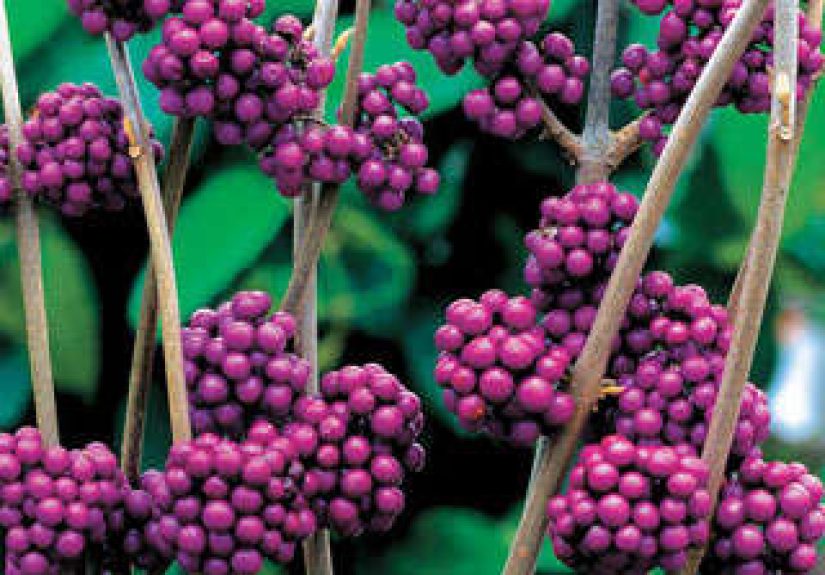
It’s grown primarily for its glossy violet-purple fruits that ring the stems in dense clusters in late summer through fall,
often hanging on after the leaves drop and giving you a rare bonus: winter-ish color without winter-ish effort.
What Is a Profusion Beautyberry, Exactly?
Beautyberries belong to the genus Callicarpa, a name rooted in Greek for “beautiful fruit”which is refreshingly honest marketing.
The ‘Profusion’ selection is a particularly fruitful form of Bodinier’s beautyberry, originally from China, and it’s widely planted in U.S. gardens
because it reliably delivers the “wow” factor when other shrubs are quietly fading out for the season.
Quick ID Checklist
- Type: Deciduous shrub (drops leaves in fall).
- Flowers: Small lilac-to-pale pink blooms in summer (typically June–August), tucked in the leaf axils.
- Fruit: Tight clusters of glossy violet-purple berries that ripen around September and look their best through October (often later, depending on climate).
- Foliage: Leaves can emerge with bronze-purple tones in spring, turn dark green in summer, then shift to yellow or golden-purple hues in fall.
- Habit: Upright to arching; can look gracefully “fountain-y” when berried out (a technical term meaning “so pretty you forgive it for leaning”).
Size is one of the few things gardeners debate about ‘Profusion’because it depends heavily on climate, pruning, and how much your plant feels like showing off.
You’ll commonly see mature sizes listed anywhere from roughly 4–6 feet to 6–10 feet tall.
The good news: you’re not stuck with the plant’s opinion. With smart pruning, you can keep it fuller and more compact.
Why Gardeners Love ‘Profusion’ (Besides the Purple Berries)
1) It’s a fall-interest superstar
Many shrubs peak in spring or summer. Profusion beautyberry peaks when the garden is winding down.
Those berry clusters create contrast against yellowing leaves, ornamental grasses, evergreen backdrops,
and later, bare stems.
2) It’s low-maintenance, not high-drama
In most landscapes, beautyberries aren’t magnets for catastrophic pest problems.
They can occasionally deal with leaf spot or other minor issues, but they’re generally considered easy-care shrubs
when planted in the right conditions.
3) It plays well with modern landscapes
‘Profusion’ works in cottage gardens, contemporary borders, woodland edges, and “I just want it to look nice without becoming a part-time farmer” yards.
It also makes excellent cut branches for seasonal arrangementsbecause purple berries in a vase look like you tried harder than you did.
Best Growing Conditions for a Profusion Beautyberry Shrub
USDA Zones
Profusion beautyberry is commonly grown in USDA Hardiness Zones 5–8 (sometimes listed as 6–8, depending on source and local winter exposure).
In colder parts of its range, some winter dieback can happenmeaning stems may get knocked back by cold.
The plant typically rebounds, and fruiting can still be excellent because the flowers and berries form on new growth.
Sunlight
Aim for full sun to light shade. You can grow it in partial shade, but here’s the trade:
more shade often means fewer berries and a leggier shape.
If your goal is maximum berry fireworks, give it more sun.
Soil
Profusion beautyberry prefers well-drained soil and does best in moderately fertile conditions.
It tolerates a range of soil types, but drainage mattersespecially in winter.
If you have heavy clay, amend with organic matter (compost) and consider planting slightly high to help water move away from the crown.
Water
Once established, beautyberries can tolerate some drought, but they look and fruit best with steady moisture.
During extended dry spells, aim for roughly about 1 inch of water per week (from rain or irrigation).
Under extreme drought, some beautyberries may drop leaves or berries to copedramatic, yes, but also understandable.
When to Plant
The easiest windows are spring and fall. Planting during mild weather helps roots establish before
summer heat or winter cold cranks up the difficulty setting.
Spacing
Give each shrub room to arch. A common guideline is 5–7 feet apart,
especially if you’re mass planting or creating a berry-focused hedge-like drift.
The branches can bend outward under the weight of fruit, and crowding reduces airflow.
How to Plant Profusion Beautyberry (Without Overthinking It)
- Pick your spot: Full sun is best for berry production. Light shade is acceptable if you’ll trade a little fruit for a softer look.
-
Dig a wide hole: About 2–3 times the width of the root ball, but only as deep as the root ball.
This encourages roots to spread outward instead of sulking in a tight circle. -
Plant at the right height: Keep the top of the root ball level with (or slightly above) the surrounding soil.
Planting too deep is the classic “why is my shrub mad?” mistake. - Backfill and water in: Use the native soil you dug out (lightly improved with compost if needed). Water thoroughly to settle soil around roots.
- Mulch: Add 2–3 inches of mulch, keeping it a few inches away from the stems. Mulch helps conserve moisture and moderates temperature swings.
Pruning: The Secret to a Fuller Shrub and Better Berry Shows
If Profusion beautyberry had a dating profile, it would say: “I commit fully… as long as you prune me.”
Pruning isn’t required for survival, but it’s the difference between “nice shrub” and “HOW is that so purple?”
When to Prune
The most widely recommended time is late winter to early spring, before vigorous new growth begins.
Beautyberries bloom and fruit on the season’s new shoots, so pruning at this time encourages strong, fresh growth that will flower and berry later.
Two Pruning Styles (Pick Your Personality)
-
Hard cutback: Cut stems down to roughly 4–12 inches above the ground to encourage lots of new shoots and a compact shape.
This approach is especially helpful if the shrub has gotten leggy or oversized. -
Thinning and shaping: Remove the oldest stems at the base and lightly shorten others to keep the shrub airy and arching.
This preserves a more natural form while still stimulating productive growth.
Tip: If you’re unsure, start with thinning. You can always prune harder next year.
Also, try not to prune right before you want to enjoy the berries (obvious, yes, but gardeners are optimists who sometimes forget time exists).
Fertilizer, Compost, and the Myth of “More Is More”
Beautyberries generally don’t need heavy feeding.
In fact, too much fertilizerespecially high-nitrogen typescan push leafy growth at the expense of flowers and berries.
If your soil is poor, a light top-dressing of compost in spring is usually plenty.
If your shrub looks healthy and fruits well, congratulations: you can skip the extra steps and still feel superior.
Common Problems and Easy Fixes
“My shrub is tall and awkward. It looks like it’s trying to escape.”
That’s usually too much shade or not enough pruning. Move it to more sun (if practical) or do a harder late-winter cutback
to encourage bushier regrowth.
“I have leaves… but not many berries.”
- Not enough sun: Berry production is best in full sun.
- Pruned at the wrong time: Pruning late in the growing season can remove developing growth that would have flowered/fruited.
- Drought stress: Extended dryness can reduce flowering and may lead to berry drop.
- Pollination quirks: Many gardeners get best results with multiple plants nearbymore flowers plus more pollinator visits can mean more fruit.
Leaf spot or “mystery freckles”
Minor leaf spot can happen, especially in humid weather or crowded plantings.
Improve airflow (prune for openness, space plants properly) and avoid overhead watering late in the day.
In most cases, it’s cosmetic, not catastrophic.
Winter dieback
In colder areas, stems may die back in harsh winters. Don’t panic.
Prune out dead wood in late winter/early spring. New growth often replaces what was lost.
Landscape Design Ideas That Make the Purple Pop
Use it like a spotlight, not a background extra
Place Profusion beautyberry where you’ll actually see it in fallnear an entry, along a main path,
or in view from a window.
Pair it with contrasting berry colors
For a “nature did interior design” moment, combine purple beautyberry with shrubs that fruit in red or orange tones.
Classic companions include winterberry holly (red berries) and firethorn/pyracantha (orange berries), creating a layered berry palette.
Give it an evergreen backdrop
Purple berries in front of dark green evergreens look extra saturated, like your shrub turned on a filter.
Yews, hollies, and other deep-green shrubs make the color sing.
Try a drift or small group
A single plant is pretty. A group is theatrical.
Planting 3–5 shrubs together can produce a bigger visual impact and may also improve fruit set in some situations.
Cut branches for fall and winter arrangements
Beautyberry stems with berries are popular in floral design because they hold color and add texture.
Cut after berries are fully colored, and display them on their own or mixed with grasses and evergreen clippings.
Profusion vs. American Beautyberry: Same Vibe, Different Backstory
The term “beautyberry” can refer to multiple Callicarpa species.
Two common U.S. garden players are:
Profusion beautyberry (Bodinier’s beautyberry ‘Profusion’) and
American beautyberry (Callicarpa americana), a native shrub widely found in the Southeast.
Key differences
- Native status: American beautyberry is native in the U.S.; Profusion beautyberry traces to Asian species/varieties.
- Garden use: Profusion is especially prized for ornamental berry display and is commonly sold in nurseries.
-
Fruit and wildlife: Birds may eat beautyberry fruits, but some references note Bodinier’s types can be bitter and often get eaten later,
when other food sources are scarce. - Pruning approach: Both are often pruned in late winter/early spring to encourage strong new growth and better fruiting.
If you’re building a native plant garden or wildlife-focused habitat in the Southeast, American beautyberry is a strong candidate.
If you want a reliable “purple berry event” in fall borders, ‘Profusion’ is the headliner.
Many gardeners grow bothbecause, honestly, having options is half the fun.
Propagation: How Profusion Beautyberry Multiplies (With Consent)
Beautyberries can be propagated by seed or stem cuttings.
Softwood cuttings (taken during the growing season) are a popular option because they can produce flowering plants sooner than seed-grown plants.
Seeds can also self-sow in favorable conditions, so keep an eye out for volunteer seedlings if you like free plants.
Mini FAQ: Quick Answers to Real Garden Questions
How long until I get berries?
Many nursery plants will fruit within a season or two, especially when grown in good sun and pruned appropriately.
Young plants sometimes surprise you with berries sooner than expectedbecause they are overachievers in purple.
Can I grow it in a container?
It’s possible, especially with regular watering and attention to winter protection where containers freeze hard.
Choose a large pot, use a well-draining mix, and expect more frequent watering than in-ground plantings.
In many cases, beautyberry performs best in the ground where roots can spread and moisture is more stable.
Is it deer-resistant?
Beautyberries are often described as deer-resistant or at least not deer favorites.
That said, hungry deer ignore labels, especially in winter or during drought. If deer pressure is intense, protect young shrubs.
Conclusion: A Shrub That Earns Its Keep
The Profusion beautyberry shrub is one of those plants that quietly behaves all year and then
delivers a spectacular payoff when you least expect it.
Give it sun, decent drainage, and a smart late-winter prune, and it will reward you with dense clusters of violet berries
that make the fall garden feel alive and intentional.
Whether you’re designing a border for seasonal drama, adding color to a woodland edge, or just trying to make your yard look like you planned it,
Profusion beautyberry is a low-fuss, high-impact choicebasically the friend who shows up on time and brings snacks.
Real-World Experiences With a Beauty Berry Profusion Shrub (The Stuff You Only Learn Outside)
Garden guides are helpful, but the real magic of Profusion beautyberry often shows up in the “oh wow” moments that happen after you plant it.
Here are experiences that many gardeners commonly reportespecially across the first few seasonsso you can recognize what’s normal, what’s fixable,
and what’s just your shrub being a shrub.
The “First Fall Surprise” Effect
A lot of people plant Profusion beautyberry in spring or early summer and spend the season thinking,
“Okay… it’s green. It’s fine. It’s… very polite.”
Then late summer rolls in, the berry clusters start forming, and suddenly the plant looks like it was dipped in purple confetti.
This shift can feel dramatic because the flowers are small and easy to miss; the fruit is the real performance.
If your first-year plant berries lightly, don’t be disappointedmany shrubs ramp up as they establish stronger roots.
Pruning Bravery Pays Off (Even If It Feels Wrong)
One of the most common experiences is pruning hesitation.
Cutting a shrub down to 6–12 inches can feel like you’re doing something that requires a permit.
But gardeners who commit to a late-winter cutback often describe a clear pattern:
the shrub pushes lots of fresh shoots, the overall shape becomes fuller, and berry display improves.
The first time you try it, take a photo before pruning.
When you compare “before” and “after” in fall, it’s much easier to trust the process next year.
The “Leggy in Shade” Lesson
Profusion beautyberry is tolerant, but it has opinions about light.
In more shade, gardeners often notice longer, looser growth and fewer berries.
The shrub isn’t failingit’s adapting, stretching for light like it’s trying to read tiny print across the room.
If moving the shrub isn’t practical, strategic pruning and thinning nearby plants can help,
but the most reliable fix is simply more sun.
Bird Drama (Or Lack of It)
People plant beautyberry expecting a bird buffet. Sometimes that happens quickly.
Other times, the berries hang on and onlooking fabulouswhile birds seem oddly uninterested.
Many gardeners observe that some beautyberries (especially certain non-native types) get eaten later in the season,
when other food sources are depleted.
The upside: you often get longer-lasting ornamental color.
The trade-off: you may not see immediate wildlife action.
If birds are your priority, pairing beautyberry with other native fruiting shrubs can create a more consistent feeding zone.
That “Purple Against Snow” Moment
In colder regions, gardeners often describe the best view happening after leaf drop:
bare stems holding purple berries against gray skies, evergreen backgrounds, or an early dusting of snow.
It’s one of those accidental-design moments that makes your yard look curated.
If you want that winter contrast, plant the shrub where it’s visible from a window or near a walkway
because the best garden features are the ones you actually see while carrying groceries.
Spacing Regret Is Real (But Avoidable)
Another common experience: planting too close to a path, a driveway, or other shrubs.
When the berries mature, the stems can arch outward, and suddenly your “neat border shrub” becomes a friendly purple octopus.
Gardeners who give it roomthen prune for shapetend to love the natural arch.
Gardeners who squeeze it into a tight spot tend to learn pruning faster (and sometimes relocate the plant with a sigh and a shovel).
Cutting Branches for Arrangements Feels Like Cheating (In a Good Way)
Once gardeners discover how well beautyberry branches work in vases, it becomes a seasonal ritual:
clip a few berried stems, drop them into a simple container, and let the purple do all the decorating.
People often report that a small handful of stems can make an entire room feel “fall-ready,”
even if the rest of the house is still in its “I swear I’ll organize that later” phase.
The key is harvesting after berries have fully colored; earlier cuts may not look as saturated.
The “It’s Tougher Than It Looks” Confidence Boost
Profusion beautyberry often turns into a confidence plant.
Gardeners describe it as forgiving: it tolerates a range of soils, doesn’t require complicated feeding,
and responds well to pruning. Even if winter knocks it back, it tends to recover.
After a couple of seasons, many people stop treating it like a fragile ornamental and start using it as a reliable landscape tool
the shrub you plant when you want color that shows up every year without turning your weekends into a maintenance marathon.