Table of Contents >> Show >> Hide
- The Viral Pond Feud That Hooked the Internet
- Why the Story Resonates Beyond the Laughs
- Why Fish Hooks and Dog Ponds Are a Terrible Combination
- Can Fish Really Be Lured Away?
- The Bigger Issue: Shared-Space Etiquette Is Not Optional
- What Dog Owners Should Actually Do When a Pond Turns Problematic
- What Responsible Anglers Should Take From This Story
- The Hidden Water Risks No One Mentions in the Revenge Version
- Why the Story Works as Modern Folklore
- Experiences Related to This Topic: What It Actually Feels Like on the Ground
- Conclusion
Public parks are supposed to be the great American compromise: joggers jog, kids shriek happily, anglers stare into the water like philosophers with tackle boxes, and dogs cannonball into ponds like they pay taxes. Most of the time, this arrangement works surprisingly well. Then comes the occasional human turf war, and suddenly a quiet dog pond turns into a low-budget nature documentary narrated by passive aggression.
That is why this strange, funny, and oddly revealing story hit such a nerve online. A dog owner claimed that after older fishermen turned his dog’s favorite pond into a hazard, he responded not with shouting, lawsuits, or a dramatic slow-motion monologue, but with a bizarre plan to lure fish away from the anglers’ preferred spot. It was petty. It was theatrical. It was deeply internet-coded. And beneath the comedy, it exposed something real about shared outdoor spaces: when people stop acting like neighbors, everyone loses, including the dog, the fish, and probably one very confused duck.
The Viral Pond Feud That Hooked the Internet
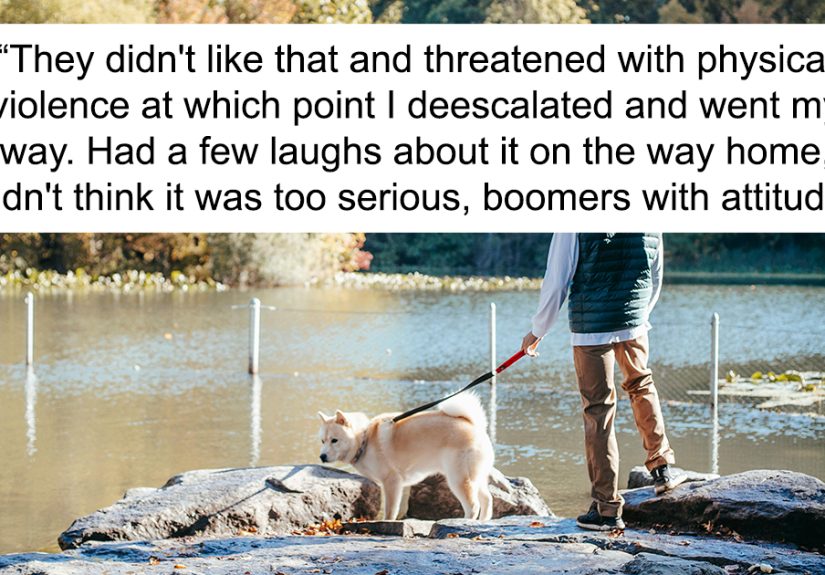
The story, which circulated widely after appearing in a viral Reddit post, centers on a dog owner who regularly visited a park with a designated dog pond. According to the post, he and his dog had peacefully shared the area with fishermen for years. Then one hot day, tempers flared. The fishermen allegedly objected to the dog swimming, harsh words were exchanged, and the next morning the slopes leading into the pond were reportedly littered with fish hooks.
That detail changed the tone immediately. This was no longer just a grumpy-people-at-the-park story. Fish hooks around a dog-friendly swimming area are not a minor inconvenience. They are a genuine safety risk. Instead of dropping the conflict, the dog owner claimed he went full aquatic strategist. He started reading up on fish behavior and preparing homemade bait mixtures, then used those feeding spots to attract fish to other areas of the park and away from the fishermen’s zone.
It sounds absurd because it is absurd. But it also makes a weird kind of sense. People understood the emotional logic right away: if someone turns a shared public space into a hazard, the urge to outsmart them becomes very strong. Humans love revenge stories. Humans especially love revenge stories with an unnecessary amount of snack preparation.
Why the Story Resonates Beyond the Laughs
There is a reason this tale traveled so far online. It is not just about a dog owner and some older fishermen. It is about what happens when public space stops feeling public. Dog owners often see a pond as exercise, enrichment, and joy rolled into one muddy package. Anglers see water as quiet territory, routine, and the promise of a bite. Neither side is automatically wrong. The problem starts when one group behaves as if everyone else should vanish.
That tension is common in parks across the United States. Dog parks and dog-friendly park zones are valuable because they give owners a legal and relatively controlled place to exercise and socialize their dogs. Research on dog parks has found that these spaces provide social and physical benefits, but they also create recurring conflicts between dog owners, non-dog visitors, and other park users when design, rules, or enforcement are weak. In other words, the dog pond drama feels funny because it is familiar.
Anyone who has spent time in mixed-use parks knows the script. One person thinks, “This is a public space.” Another thinks, “This exact twelve feet of shoreline now belong to me and my folding chair.” Add summer heat, some pride, and a dog who just wants to splash like a furry torpedo, and the mood can go from peaceful to ridiculous in about thirty seconds.
Why Fish Hooks and Dog Ponds Are a Terrible Combination
The central outrage in this story is not the bait scheme. It is the danger created around the pond. Dogs investigate the world with their mouths, and that makes fishing areas riskier than many owners realize. A baited hook is basically the canine version of a cursed appetizer. It smells interesting, looks chewable, and can become a medical emergency in seconds.
Veterinary and pet-safety guidance in the United States is very clear on this point. Dogs can swallow baited hooks, fishing line, and sinkers. When that happens, the result can be choking, internal punctures, intestinal damage, and emergency surgery. That means a pond scattered with hooks is not just messy. It is dangerous in a very literal, vet-bill-generating, panic-in-the-car kind of way.
And the danger does not stop with dogs. Discarded hooks and line also threaten birds, fish, and other wildlife. Responsible angling guidance repeatedly emphasizes proper disposal of line, lures, and hooks because they injure animals and make shared outdoor areas unsafe. That is why many parks draw hard lines between fishing zones and swimming areas. Some National Park Service guidance explicitly bars fishing in designated swim areas because hooks and line can cause injury and even drowning. Translation: if the pond is for dogs to enter and exit the water, turning the shoreline into a tackle graveyard is not rugged outdoorsmanship. It is reckless.
Can Fish Really Be Lured Away?
Now to the funniest part of the story: the dog owner’s homemade fish buffet. As internet revenge plots go, it has surprising biological logic. Fish respond to food, scent, and feeding patterns. In recreational fishing, the practice of putting bait or scent in the water to attract fish is commonly known as chumming. Anglers use versions of this all the time. In some fisheries, corn, dough, scent trails, and other attractants are well-known methods for drawing fish into a particular area.
So yes, the basic idea is plausible. If you repeatedly place attractive food sources in a different section of connected water, fish may begin to congregate there. No cape required. Just fish being fish.
But there is a major catch, pun fully intended: rules vary. Some places allow certain forms of chumming, especially for species like carp. Other places prohibit it outright. In some national parks and regulated waters, putting substances in the water to attract fish is illegal. So while the story works beautifully as a revenge fantasy with pond-side flair, it is not a universally lawful strategy, and it definitely should not be treated like a DIY civic solution.
That is what makes the story so internet-perfect. It sits in the narrow lane between “technically clever” and “please just call the municipality again.”
The Bigger Issue: Shared-Space Etiquette Is Not Optional
The real lesson here is not that people should become gourmet bait wizards. It is that outdoor etiquette matters more than people think. Fishing safety advice from U.S. agencies tells anglers not to cast near other people, to be careful with sharp hooks, and to respect the space around them. That is basic courtesy. Dog-friendly space comes with responsibilities too. Owners are expected to keep control of their dogs, watch for hazards, and follow posted rules.
In a well-managed park, these expectations are not mysterious. There are signs, boundaries, maintenance routines, and enforcement. In a poorly managed one, people improvise, and improvisation is where nonsense begins. One group starts claiming territory. Another group starts retaliating. Nobody trusts anybody. The dog is confused. The fish become unwilling participants in a suburban cold war.
Good park design reduces this kind of conflict. Clear entry slopes for dogs, designated fishing areas, visible no-hook swim zones, trash and line-disposal stations, and posted rules all help. So does quick municipal response. If a complaint involves sharp hooks in a dog-use area, it should not be treated like routine grumbling. It is a safety issue.
What Dog Owners Should Actually Do When a Pond Turns Problematic
If this story feels relatable, the smartest response is much less cinematic than “become an underground fish chef.” It looks more like documentation, prevention, and pressure applied through official channels.
Start with immediate safety
- Check the shoreline and entry points before letting your dog in.
- Keep your dog from sniffing, licking, or grabbing bait, line, or lures.
- Bring fresh drinking water so your dog is less tempted to drink from the pond.
- Watch for suspicious algae, scum, discoloration, or posted advisories.
- Leave immediately if the area feels unsafe or conflict is escalating.
Document the problem
Photos of hooks, unsafe conditions, missing signage, or repeated violations carry more weight than “some guys were jerks.” Public works departments, parks departments, HOAs, and municipalities tend to respond faster when a complaint is concrete and clearly tied to safety.
Push for practical fixes
Ask for hook-disposal tubes, clearer dog-zone signage, separate fishing and dog-swim areas, or seasonal restrictions if the layout is especially tight. Those are boring requests, which is exactly why they work. Boring fixes save the day more often than revenge does.
What Responsible Anglers Should Take From This Story
Anglers are not the villains of the outdoors. In many parks, they are among the most observant, conservation-minded regulars around. But the responsible version of fishing and the entitled version look nothing alike.
A responsible angler does not cast close to swimmers, children, or dogs. A responsible angler does not leave line or hooks behind. A responsible angler understands that public water may serve more than one legitimate use. If the only way your afternoon works is by making a dog-use area unsafe for actual dogs, then the setup is the problem, not the dog owner.
There is also a practical point here. Nothing ruins the public image of fishing faster than visible carelessness. Most anglers know this. That is why official safety guidance emphasizes awareness, distance, and disposal. The easiest way to keep park peace is to fish like someone else’s kid, dog, and sneakers may be nearby, because they probably are.
The Hidden Water Risks No One Mentions in the Revenge Version
The viral story focuses on hooks, but ponds come with other risks for dogs too. Harmful algal blooms can sicken or kill dogs quickly. Warm, slow-moving water can hide contamination. Even a pond that looks calm and pleasant can be a bad choice on the wrong day. If the water is scummy, oddly colored, foul-smelling, or posted with advisories, the answer is simple: keep your dog out.
Swimming itself can be wonderful exercise for many dogs, especially because it is low-impact and easy on the joints. But “dog likes water” is not the same as “all water is safe.” A pond should be treated like a living environment, not a giant outdoor bathtub with ducks.
That matters because stories like this are funny enough to distract from the basics. The real job of a dog owner is not winning a feud. It is getting the dog home safe, tired, and preferably not full of tackle.
Why the Story Works as Modern Folklore
In the end, this story feels bigger than itself because it captures the peculiar genius of modern petty revenge. Nobody flipped a boat. Nobody launched into courtroom drama. Instead, one annoyed dog owner allegedly decided to manipulate fish behavior like a neighborhood villain with too much free time and excellent pantry management.
That image is unforgettable. But what keeps people sharing the story is the fairness instinct under it. Most readers do not cheer because fish were supposedly lured away. They cheer because the dog pond should never have been turned into a hazard in the first place.
That is the lasting hook. Public spaces only work when people agree that other people are real. The dog is real. The fisherman is real. The risk is real. The rules are real. And once those things get ignored, the conflict stops being about a pond and starts being about respect.
So yes, the title sounds like the setup to a very weird sitcom episode. But underneath it sits a surprisingly useful reminder: if you mess up the dog pond, you may not just anger a pet owner. You may accidentally inspire someone to study fish habits with the intensity of a graduate student and the emotional energy of a man who has had enough.
Experiences Related to This Topic: What It Actually Feels Like on the Ground
Anyone who has spent enough time around dog-friendly ponds, lakes, or mixed-use park water knows that the experience is rarely as simple as “dogs on one side, fishing on the other.” Real life is messier. A dog owner arrives with a tennis ball, a towel, and the innocent hope that the dog will burn off energy instead of redecorating the couch at home. An angler arrives with a folding chair, bait, and the equally innocent hope that nobody will stomp through the water just as the fish start biting. For about fifteen minutes, everybody behaves like civilized adults. Then someone misreads the mood, a line gets too close, a dog shakes pond water over a tackle box, and suddenly the atmosphere feels like Thanksgiving with relatives who disagree about everything.
One common experience for dog owners is the slow realization that “dog-friendly” does not always mean “dog-safe.” The sign may allow dogs. The park map may show an off-leash area. But conditions on a given day can still be awful: hooks near the bank, algae near the edge, too many people crowding one access point, or tension from visitors who clearly wish the dogs would disappear. Many owners describe the same routine of scanning the shoreline before unclipping the leash, looking for broken line, hidden lures, or leftover bait. It turns a joyful outing into a safety inspection.
Anglers have their own version of frustration. They may show up early, find a quiet cove, and settle in just before families, joggers, cyclists, and a Labrador with absolutely no respect for personal space appear. When parks are designed badly, people feel forced into competition even when they would rather not be. The result is not always open conflict. Sometimes it is just a lot of muttering, dramatic sighing, and passive-aggressive repositioning. American public recreation, in other words, at its finest.
There is also the emotional side of these encounters. Dog owners often feel especially protective around water because they know things can go wrong fast. A dog swallowing a hook, gulping dirty pond water, or bolting toward an unsafe bank is not theoretical. It is the kind of thing that can happen in one distracted moment. That is why even a small act of carelessness from someone else can feel enormous. It is not just “annoying.” It feels personal, because the dog is family.
The most positive experiences usually happen when regular park users develop an unspoken rhythm. The anglers fish a little farther down. The dog owners use one bank for entry and exit. People say hello, keep an eye out, and warn each other about hazards. No one gets heroic. No one becomes the self-appointed monarch of Pond Corner. Those ordinary, respectful experiences are not as viral as revenge stories, but they are what actually make public spaces work.
The funny thing is that most people do not want drama. They want a decent afternoon, a little fresh air, and maybe a tired dog or a fish worth bragging about. That is why this story lands so hard. It takes a normal outdoor experience and exaggerates the conflict just enough to reveal the truth underneath: parks work best when people act like neighbors, not invaders.
Conclusion
The tale of the dog owner who allegedly tried to lure fish away from a bunch of territorial fishermen is hilarious on the surface, but its staying power comes from something deeper. It turns a ridiculous pond feud into a case study in etiquette, safety, and the politics of shared recreation. Hooks around a dog pond are not harmless. Water hazards are real. Fish can be attracted by bait, but retaliation is a lousy substitute for management. If there is any truly useful takeaway here, it is this: protect the dog, respect the rules, document the mess, and leave the underwater mind games to people with way too much time and a suspiciously advanced understanding of carp snacks.