Table of Contents >> Show >> Hide
- What Exactly Is a “Memphis Bowl – Terracotta”?
- Terracotta: The Color That Makes Everything Feel Warmer (Including Your Mood)
- The “Memphis” Influence: A Quick Style Bite (No Long Lecture, Promise)
- How to Use a Memphis Bowl – Terracotta in the Kitchen
- How to Style It Around the House (Because Bowls Have Side Quests)
- Stoneware vs. Terracotta vs. “Wait, Is This Food-Safe?”
- Care & Keeping It Beautiful (Without Babysitting It)
- Buying Guide: How to Choose the Right Memphis Bowl in Terracotta
- Why This Bowl Works for Modern Homes
- Conclusion: One Bowl, Many Lives
- Real-World Experiences with a Memphis Bowl – Terracotta (The Extra )
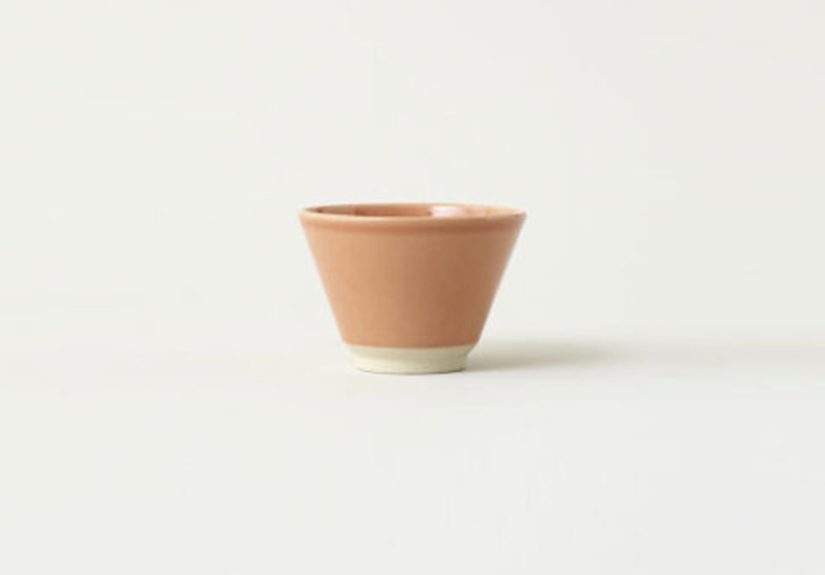
Some bowls are born to hold cereal. Others are born to hold court. Memphis Bowl – Terracotta is firmly in the second categorywarm, graphic, and quietly confident, like it knows it looks good under both kitchen lighting and golden-hour Instagram. It’s the kind of piece that can live on your table every day without feeling “everyday.”
If you’ve been hunting for a bowl that’s durable enough for real life (dishwashers, forks, guests who “just want a little dip”) but stylish enough to pass as decor, terracotta is your cheat code. Add a Memphis-inspired silhouettesoft geometry, modern edges, that little wink of postmodern attitudeand suddenly you’re not just serving snacks. You’re serving taste.
What Exactly Is a “Memphis Bowl – Terracotta”?
Let’s demystify the name. “Memphis” here points to a design language: bold shapes, playful geometry, and a slightly rebellious vibe. “Terracotta” is the color storysun-baked clay, cinnamon-toast warmth, and that earthy glow that makes everything nearby look more expensive.
In product terms, a Memphis Bowl in terracotta is typically a compact, modern bowl designed for everyday usethink side dishes, snacks, breakfast, dips, and tabletop “catch-all” duty. Many versions are made in high-fired ceramic/stoneware and finished with a glaze that’s meant to be used, not tiptoed around.
Why people obsess over this bowl shape
- Geometric but friendly: It reads modern without feeling cold.
- Small-bowl versatility: The “little bowl” is the most used item in most kitchensno contest.
- Decor-approved: Even empty, it looks intentional (a rare talent).
Terracotta: The Color That Makes Everything Feel Warmer (Including Your Mood)
Terracotta is having one of those “it never left, you just finally noticed” moments. It sits in the sweet spot between neutral and statement: more personality than beige, less commitment than neon. It pairs naturally with wood, linen, marble, stainless steel, and the mystery material known as “whatever your countertop is.”
In a room, terracotta acts like a visual hearthgrounding the space, softening hard edges, and making a kitchen feel less like a workplace and more like a place where humans live and occasionally eat crackers over the sink.
Best pairings for a terracotta bowl
- Warm neutrals: cream, oat, camel, sand, greige (yes, it’s a thing)
- Moody woods: walnut, mahogany, smoked oak
- Greens: sage, olive, deep forest (terracotta + green = instant “designer did this” energy)
- Blue accents: dusty blue, navy, even cobalt for a crisp pop
The “Memphis” Influence: A Quick Style Bite (No Long Lecture, Promise)
Memphis design is basically what happens when modernism gets too serious and a group of creatives says, “Okay, but what if furniture could also be fun?” The look became famous for bright colors, geometric forms, and a fearless mix of patterns. Even if your home is more “calm minimal” than “1980s art-gallery party,” a single Memphis-inspired piecelike a bowlcan add just enough personality without turning your dining room into a pinball machine.
That’s the magic of the Memphis Bowl – Terracotta: it borrows the geometry and attitude, but translates it into something you can use daily. It’s Memphis energy… with better manners.
How to Use a Memphis Bowl – Terracotta in the Kitchen
This bowl shines in the “small but mighty” category. It’s ideal for the foods that make up 80% of actual eating: snacks, sides, sauces, and the occasional “I’m not cooking, I’m assembling” dinner.
Everyday serving ideas
- Breakfast: yogurt + granola, oatmeal, fruit, chia pudding (yes, it counts as cooking)
- Snack hour: olives, almonds, chips, berries, chocolate (the essential food group)
- Sides & condiments: salsa, guac, pesto, kimchi, pickles, chili crisp
- Dessert: ice cream, berries, a “small portion” that somehow becomes a large portion
Meal-prep and cooking-adjacent uses
- Ingredient bowls: pre-measure spices, chopped herbs, minced garlic
- Salt bowl: keep flaky salt nearby like you’re on a cooking show
- Tea station: holds honey sticks, lemon wedges, and that one fancy spoon you never use
Pro tip: if you buy one bowl and love it, you will immediately want three more. This is normal. This is also how dish collections begin.
How to Style It Around the House (Because Bowls Have Side Quests)
A Memphis Bowl – Terracotta is not limited to food. In fact, it’s one of the most useful decor pieces because it has a job: collecting small chaos in a way that looks curated.
Entryway: the “please don’t lose your keys” zone
Place the bowl on a console table and let it catch keys, earbuds, sunglasses, and whatever else you’re carrying when you walk in. Terracotta disguises dust better than glossy white, and the warm tone makes the space feel welcoming instead of “airport security.”
Coffee table: intentional clutter, but make it chic
Use it to hold matches, coasters, a small candle, or wrapped candy. Or go minimalist and leave it emptyan empty bowl reads like a design decision, not a forgotten chore.
Bedroom: jewelry + bedside essentials
Rings, hair ties, lip balm, tiny hand creamthis bowl keeps the “little stuff” from migrating across your nightstand like it pays rent.
Bathroom: spa vibes without the spa bill
Roll a couple of washcloths, add a small soap, maybe a travel-size lotion. Terracotta instantly warms up sterile tile and chrome. Suddenly you’re one eucalyptus branch away from a lifestyle reel.
Stoneware vs. Terracotta vs. “Wait, Is This Food-Safe?”
Not all “terracotta-looking” bowls are the same material. Some are true earthenware (more porous), some are stoneware (denser), and some are “ceramic” in the broad sense (which is like calling a car “a vehicle”technically true, not very helpful).
Why high-fired stoneware is a big deal
High-fired stoneware is typically denser and less absorbent than lower-fired earthenware. In practical terms, that can mean: better durability, better resistance to staining and odors, and easier everyday care. If the bowl is glazed and intended for food use, it’s usually designed to handle the realities of modern kitchens.
Food safety: the unsexy but important part
If a bowl is marketed as food-safe, it should have a glaze and firing that creates a sealed, non-porous surface where food touches. This matters because porous surfaces can absorb liquids andover timehold onto stuff you don’t want hanging around.
Also: decorative ceramics are not automatically safe for food. There are well-documented concerns about lead (and sometimes cadmium) leaching from certain glazes, especially in imported or traditional pottery that isn’t manufactured for food-contact standards. If a piece is labeled decorative/ornamental, treat it like decornot dinnerware.
Care & Keeping It Beautiful (Without Babysitting It)
A great Memphis Bowl – Terracotta should fit into your life, not become another fragile “special occasion” object. Still, a few smart habits keep ceramic looking fresh for years.
Dishwasher vs. handwashing
- Dishwasher-safe bowls: Use a gentle cycle when possible, avoid crowding, and keep heavy pots from knocking into it.
- Handwashing: If you want to keep the glaze looking pristine, handwash with mild soap and a soft sponge.
Avoid thermal shock drama
Ceramics can crack when exposed to sudden temperature swings. Don’t take a bowl from the fridge and immediately hit it with extreme heat. Let it come closer to room temp first. (Your bowl is not a fan of jump scares.)
Stains, metal marks, and other minor heartbreaks
- Metal marks: Some glazes show gray utensil marks. A gentle cleaner or baking soda paste can help.
- Stains: Rinse promptly after tomato sauces or turmeric-heavy foods. Warm water + a little baking soda goes a long way.
- Stacking: If stacking, consider a thin cloth or felt layer to prevent rubbing and micro-scratches.
Buying Guide: How to Choose the Right Memphis Bowl in Terracotta
Whether you’re shopping for a specific brand/model or simply looking for “that vibe,” here’s what to look for so you end up with a bowl you’ll actually use.
1) Size and depth
A smaller bowl is perfect for sides and snacks. A medium bowl works for breakfast, small salads, and serving. If you want a centerpiece fruit bowl, go larger and wider.
2) Glaze quality
Look for a smooth, even glaze without pinholes or rough patches on food-contact surfaces. A glossy glaze tends to wipe clean easily; satin/matte can look gorgeous but may show marks more readily.
3) Weight and balance
A good bowl feels stable on the tablenot too light (slides around), not so heavy you need a gym membership to set the table. A well-finished foot ring also helps stability and reduces scratching on surfaces.
4) Safety and labeling
If you plan to eat from it daily, prioritize pieces labeled food-safe and made for kitchen use. Avoid unlabeled decorative ceramics for hot, acidic, or long storage of foods.
Why This Bowl Works for Modern Homes
The Memphis Bowl – Terracotta sits at the crossroads of three trends that actually deserve the hype: practical design, warm earth tones, and playful geometry. It’s a functional object that also adds styleso every time you use it, your kitchen looks a little more intentional. That’s a rare ROI for something that costs less than a fancy dinner out.
Conclusion: One Bowl, Many Lives
A Memphis Bowl – Terracotta is the kind of “small upgrade” that makes a big difference. It’s a serving bowl, a snack bowl, a countertop sculpture, and a tiny organizer for the daily mess we all pretend we don’t have. It brings warmth without trying too hardand it plays nicely with everything from minimalist kitchens to maximalist shelves.
If your space needs a little more color, a little more geometry, and a lot more “this looks put together,” terracotta is calling. And yes, it wants you to answer by putting chips in it.
Real-World Experiences with a Memphis Bowl – Terracotta (The Extra )
If you’re wondering what it’s like to live with a terracotta Memphis-style bowl day-to-day, here are a few “this is how it actually goes” scenarios that come up again and again in real homesespecially once the novelty wears off and the bowl becomes part of the routine.
The “fruit bowl test” on the kitchen counter
People often start by using the bowl as a fruit landing pad: clementines, apples, a lemon that’s “for cooking” but is mostly for vibes. The terracotta color tends to make fruit look richer and more appetizinglike a tiny still-life painting you can snack on. The surprise win is that the bowl doesn’t scream for attention, but it makes the counter look finished. The small lesson: if your bowl sits on delicate stone or a surface that scratches easily, adding a felt pad or placing it on a tray keeps everything looking pristine without turning you into a full-time curator.
The “dips and movie night” reality check
A bowl that’s cute but annoying to eat from doesn’t last long in a busy kitchen. In many households, the Memphis Bowl gets promoted quickly once it proves it can handle salsa, guacamole, queso, or a midnight cereal situation without staining or feeling fragile. The rounded edges feel comfortable in the hand, and the size is perfect for “communal snacking” (which is just a polite phrase for “we forgot plates and no one wants to pause the show”). One practical detail people notice: glazed bowls clean more easily when you rinse them soon after acidic foodstomato-based dips, citrusy dressings, and anything with turmeric are the usual culprits. It’s not hard; it’s just the difference between an easy rinse and a dramatic soak.
The “entryway drop zone” transformation
Here’s where the bowl becomes unexpectedly useful: keys, earbuds, sunglasses, loose change, a random button, and the tiny screwdriver you swear you’ll put away later. In a terracotta bowl, everyday clutter looks almost intentionallike you meant to create a curated moment of modern life. People who love this setup usually add one extra habit: they empty the bowl once a week. Not because the bowl needs it, but because the bowl makes it obvious how much “tiny stuff” accumulates. Think of it as gentle accountability… in a cute ceramic outfit.
The “plant bowl experiment” (because plants make everything better)
A wide terracotta-toned bowl looks fantastic with a low succulent arrangementespecially on a patio table or sunny shelf. The big caution is drainage: if the bowl is dinnerware (no drainage hole), don’t plant directly into it unless you know how to manage moisture. The common workaround is simple: keep the plant in a nursery pot tucked inside the bowl, or build a layer of pebbles and use it as a temporary display container. The bowl stays gorgeous, the plant stays alive, and you don’t end up googling “why is my succulent sad” at 1 a.m.
The overall takeaway from these experiences is consistent: the best bowls aren’t “special.” They’re the ones that quietly become indispensable. A Memphis Bowl – Terracotta earns that status by being warm, durable, and versatile a piece you can style, serve, and live with, all without tiptoeing.