Table of Contents >> Show >> Hide
- What Are Varicose Veins, Exactly?
- What Does Varicose Vein Pain Feel Like?
- Why Varicose Veins Hurt
- Common Symptoms That Often Come With the Pain
- When Varicose Vein Pain May Mean Something More Serious
- How to Relieve Varicose Vein Pain at Home
- Medical Treatments When Home Relief Is Not Enough
- What Daily Life With Varicose Vein Pain Can Look Like
- When to Talk to a Doctor
- Final Takeaway
- Experiences People Commonly Have With Varicose Vein Pain and Relief
Varicose veins have a way of looking like a cosmetic issue until they start acting like a tiny protest in your legs. One day, they are just twisty blue-purple lines. The next, your calves feel heavy, achy, itchy, or weirdly tired, as if your legs ran a marathon while the rest of you was sitting at a desk answering emails.
That is the tricky thing about varicose vein pain: it is not always dramatic, but it can be persistent, annoying, and surprisingly disruptive. For some people, it feels like dull pressure. For others, it is throbbing, burning, cramping, or soreness that gets worse after standing too long. The good news is that relief usually starts with simple steps, and there are medical treatments when home care is not enough.
In this guide, we will break down what varicose vein pain feels like, why it happens, how to get relief, when symptoms may signal a bigger vein problem, and what treatment options can actually help.
What Are Varicose Veins, Exactly?
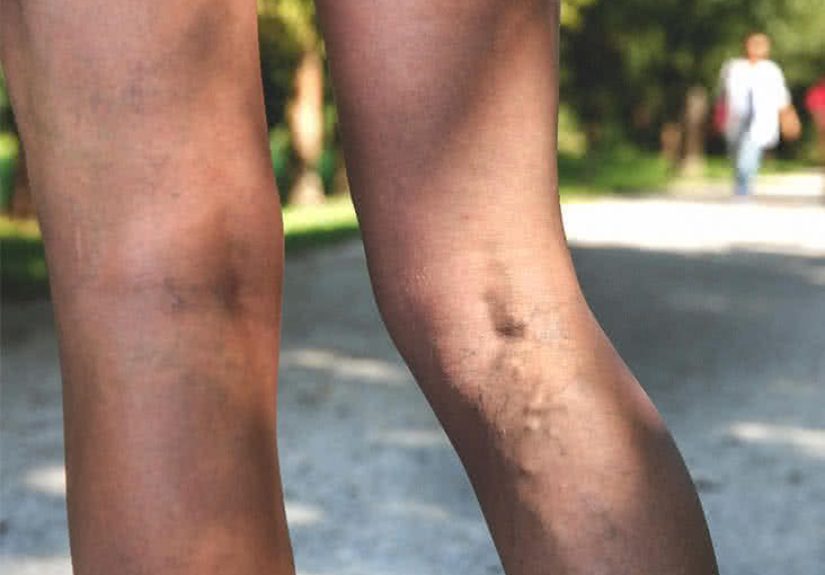
Varicose veins are enlarged, twisted veins that usually show up in the legs. They happen when the tiny one-way valves inside your veins stop doing their job well. Instead of moving blood efficiently back toward the heart, the blood can pool in the vein. That extra pressure stretches the vein wall, and eventually the vein bulges, becomes more visible, and may start causing symptoms.
Not every visible vein is painful. Some people have noticeable varicose veins with no discomfort at all. Others have only modest-looking veins but a whole menu of symptoms. In other words, your legs are not always great at matching the visual drama to the pain level.
What Does Varicose Vein Pain Feel Like?
The classic description is aching or heaviness in the legs, especially after standing or sitting for a long time. But that is only part of the story. Varicose vein discomfort can show up in several ways, and many people experience more than one sensation.
A Dull Ache or Pressure
This is one of the most common complaints. Your legs may feel tired, sore, or weighed down by the end of the day. Some people say it feels like their calves are carrying invisible grocery bags full of bricks.
Throbbing or Pulsing
Some varicose veins cause a rhythmic, throbbing discomfort. This can be more noticeable after prolonged standing, warm weather, or a very active day.
Burning or Stinging
If the area around the vein feels irritated, the pain may seem more like burning or stinging than classic soreness. The skin over or around the vein may also feel tender.
Itching
Yes, itching counts. The skin near varicose veins can become itchy, especially if there is inflammation or early skin changes from poor circulation. Scratching does not solve the problem, and sadly, your legs do not accept “good vibes only” as treatment.
Cramping or Tightness
Night cramps, calf tightness, or a restless, uncomfortable feeling in the legs can happen along with varicose veins. Some people notice discomfort when walking that improves with rest or leg elevation.
Swelling and Fullness
Varicose veins often come with swelling around the ankles or lower legs. That swelling can make your legs feel tight, full, or oddly heavy by evening.
Why Varicose Veins Hurt
The pain is tied to pressure. When blood pools in weakened veins, pressure rises inside the vein. That increased pressure can stretch tissue, irritate surrounding nerves, contribute to swelling, and trigger inflammation. Over time, the circulation problem can affect nearby skin and soft tissue too.
This is why symptoms often get worse after long periods of standing or sitting still. Gravity is not your veins’ best friend. It is also why relief often comes from walking, moving the ankle and calf muscles, elevating the legs, or wearing compression stockings. These strategies help blood move upward instead of lingering in your lower legs like it has nowhere better to be.
Common Symptoms That Often Come With the Pain
If you are wondering whether your discomfort sounds like pain from varicose veins, these symptoms commonly travel together:
- Aching, heaviness, or leg fatigue
- Throbbing, burning, or tenderness
- Swelling in the ankles or lower legs
- Itching around the veins
- Muscle cramps, especially at night
- Symptoms that worsen after sitting or standing too long
- Relief when you elevate your legs or start walking
- Visible bulging, twisted, rope-like veins under the skin
As the problem becomes more advanced, you may also notice skin discoloration, dry or irritated skin near the ankles, thickened skin, or sores that are slow to heal. That is a sign the issue may have progressed beyond simple nuisance territory.
When Varicose Vein Pain May Mean Something More Serious
Most varicose veins are not dangerous, but they should not be dismissed if symptoms are getting worse. Severe or persistent pain may point to chronic venous insufficiency, inflammation in a superficial vein, skin damage, or ulcer risk.
It is smart to seek medical care if you have:
- One-sided leg swelling that comes on suddenly
- Marked redness, warmth, or tenderness over a vein
- Bleeding from a vein
- Skin darkening, hardening, or persistent rash near the ankle
- An open sore or ulcer that is not healing
- Leg pain with shortness of breath or chest pain, which needs urgent attention
Not all leg pain is caused by varicose veins. Muscle strain, arthritis, nerve issues, peripheral artery disease, and blood clots can also cause symptoms. If the pain is severe, new, or confusing, getting a proper diagnosis matters.
How to Relieve Varicose Vein Pain at Home
Home care is often the first line of defense, and for many people it genuinely helps. The goal is simple: improve circulation, reduce swelling, and take pressure off the affected veins.
1. Walk More Often
Walking activates the calf muscles, which act like a pump to help move blood back toward the heart. This is one of the most practical forms of varicose vein pain relief. You do not need to train for a 10K. Regular movement beats heroic intentions every time.
2. Elevate Your Legs
Propping your legs up above heart level for short periods during the day can reduce swelling and ease that heavy, full feeling. This is especially helpful after standing for hours or at the end of the day.
3. Wear Compression Stockings
Compression stockings for varicose veins gently squeeze the legs to support blood flow and reduce pooling. Many people notice less aching, swelling, and throbbing when they wear them consistently during the day.
4. Avoid Long Periods of Standing or Sitting Still
If your job or routine keeps you in one position, try to shift, stretch, flex your ankles, or walk for a few minutes every hour. Tiny motion breaks are underrated little heroes.
5. Maintain a Healthy Weight
Extra weight can increase pressure on the veins in your legs. Weight management is not a magic wand, but it can reduce symptom burden and support better vein health.
6. Choose Low-Impact Exercise
Walking, cycling, and swimming can help circulation without placing excessive strain on the legs. Exercise also supports overall vascular health, which your veins appreciate even if they never send thank-you cards.
7. Be Smart About Heat
Hot weather, hot tubs, and long hot baths may make veins dilate more and can worsen symptoms for some people. If your legs feel heavier in heat, that is not your imagination staging a dramatic performance.
Medical Treatments When Home Relief Is Not Enough
If symptoms persist, or if your veins are causing significant pain, swelling, skin changes, or bleeding risk, a healthcare professional may recommend a procedure. Modern treatment is often much less intimidating than people expect.
Sclerotherapy
This treatment involves injecting a solution or foam into the affected vein so it scars and closes. It is commonly used for smaller varicose veins and spider veins, but it can also improve symptoms like aching, burning, and swelling.
Endovenous Ablation
This minimally invasive treatment uses laser or radiofrequency energy to close a problematic vein from the inside. It is commonly used for larger veins and often helps with pain, heaviness, and swelling.
Phlebectomy
In this outpatient procedure, small varicose veins are removed through tiny skin openings. It is usually done when bulging surface veins are especially bothersome or painful.
Vein Stripping and Other Surgical Options
These are used less often than in the past because minimally invasive options are now common, but surgery may still be appropriate in selected cases.
The best treatment depends on your symptoms, vein anatomy, overall health, and whether the problem is mainly cosmetic, functional, or both.
What Daily Life With Varicose Vein Pain Can Look Like
Varicose vein pain often has a pattern. Mornings may be fairly manageable. By afternoon, the legs feel tired. By evening, shoes seem tighter, ankles look puffier, and the veins may feel more tender. Long travel days, standing at work, pregnancy, heat, and inactivity can all amplify symptoms.
That pattern matters because it gives clues. Pain that gets worse as the day goes on and feels better with walking, elevation, or compression is often consistent with vein-related discomfort. It is one reason doctors ask not just where it hurts, but when and what makes it better.
When to Talk to a Doctor
You do not need to wait until your legs look like a road map and file a formal complaint. Consider seeing a doctor if:
- Your leg pain is frequent or worsening
- Swelling is becoming regular
- Skin changes are appearing around the ankle
- Home care is not helping enough
- The veins are tender, red, or bleeding
- You are not sure the pain is really coming from varicose veins
Getting evaluated does not automatically mean you need a procedure. Sometimes the most useful outcome is simply confirming the cause and building a relief plan that works.
Final Takeaway
Varicose vein pain usually feels less like sharp emergency pain and more like a slow, nagging rebellion: aching, heaviness, throbbing, itching, swelling, burning, or cramps that tend to worsen after standing and improve when you move or elevate your legs. Relief often starts with walking, compression stockings, leg elevation, and better daily circulation habits.
Still, persistent pain should not be shrugged off. If symptoms are escalating or skin changes are showing up, it is worth talking with a healthcare professional. Varicose veins may be common, but that does not mean you need to accept sore, heavy legs as your personality now.
Experiences People Commonly Have With Varicose Vein Pain and Relief
One of the most relatable parts of living with varicose veins is how ordinary the pain can seem at first. Many people do not describe a sudden “something is very wrong” moment. Instead, they talk about a slow build. Their legs feel unusually tired after work. Their calves ache at the end of the day. Their socks leave deeper marks around the ankles. They start choosing chairs, elevators, and opportunities to sit down with the strategic focus of someone planning a military operation.
A common experience is that the discomfort is worst after standing in one place. Teachers, retail workers, hairstylists, nurses, warehouse staff, and anyone with long standing shifts often notice this pattern early. The pain is not always extreme, but it is persistent. People often describe their legs as “heavy” before they describe them as painful. That heaviness can turn into throbbing or burning by evening, especially in warm weather. Some say their legs feel fine in the morning but seem to age 20 years by dinner.
Another common story involves confusion. People assume the pain is from getting older, being out of shape, or simply having “bad legs.” Then they notice that elevating their feet helps. Or walking around the house reduces the pressure. Or compression socks make a bigger difference than expected. This is often the moment things click: the discomfort is connected to circulation, not just fatigue.
Swelling is another experience people mention a lot. Shoes feel tighter. Ankles look puffier at night. Pants or leggings that felt normal in the morning feel clingier later in the day. Some people also notice itching around the veins or near the ankles, which can be surprisingly frustrating. Itching sounds minor until it starts waking you up or making your skin irritated and dry.
Nighttime symptoms can be especially annoying. A person may lie down expecting relief, only to get calf tightness or leg cramps. Others describe an unsettled, restless sensation that makes it hard to get comfortable. It is not always severe pain; sometimes it is the constant background discomfort that wears people down. Small symptoms repeated every day can become a big quality-of-life issue.
Relief experiences are often practical rather than glamorous. Many people are pleasantly surprised by what regular walking can do. Not dramatic exercise. Just walking. Short movement breaks during the day, ankle flexes while sitting, and avoiding marathon standing sessions can noticeably reduce symptoms. Compression stockings are another frequent game changer. They are not exactly the fashion equivalent of a red-carpet moment, but people often report less swelling, less heaviness, and better stamina when they wear them consistently.
Some people eventually decide to seek medical treatment because the pain starts interfering with work, sleep, travel, or exercise. A very common experience after evaluation is relief just from having an explanation. Knowing that the aching, throbbing, and swelling have a vein-related cause can help people make smarter decisions. And for those who move on to treatments like sclerotherapy or endovenous ablation, many describe the biggest benefit not as cosmetic improvement, but as getting their legs back to feeling more normal, less cranky, and far less dramatic by the end of the day.